






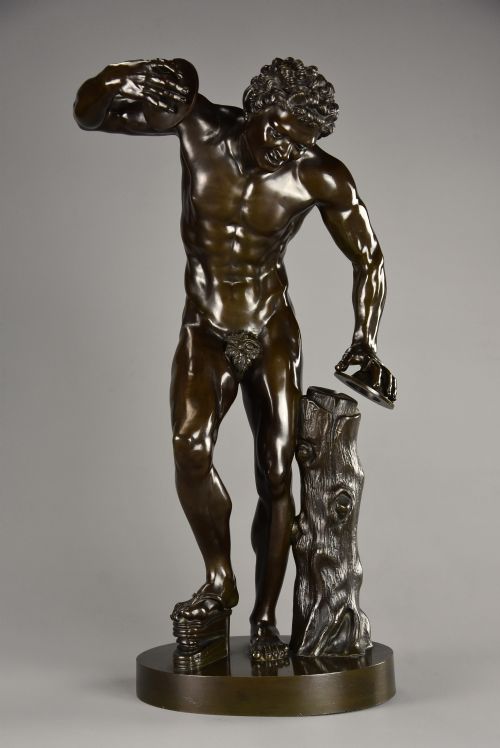
Bronze Male Figure Sculpture
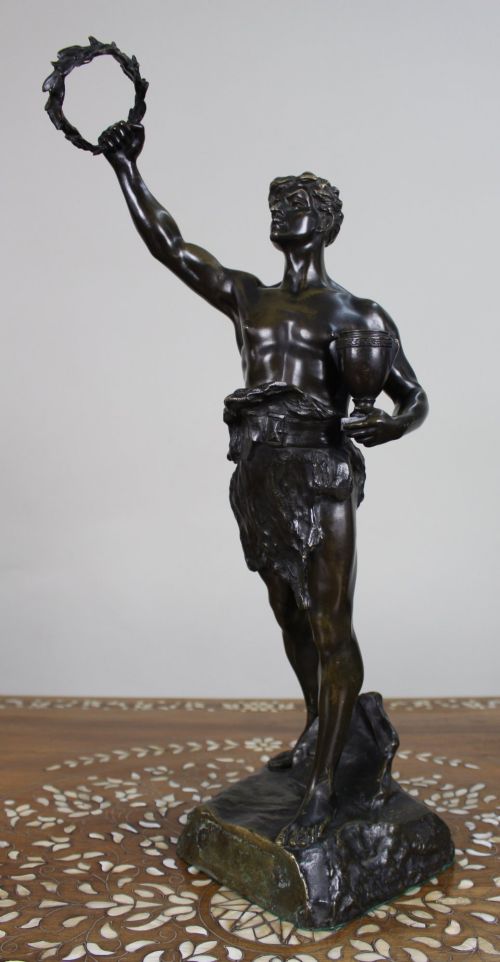
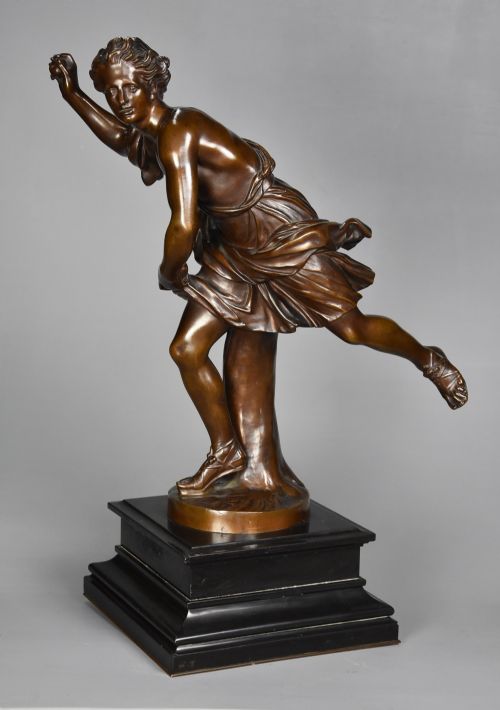
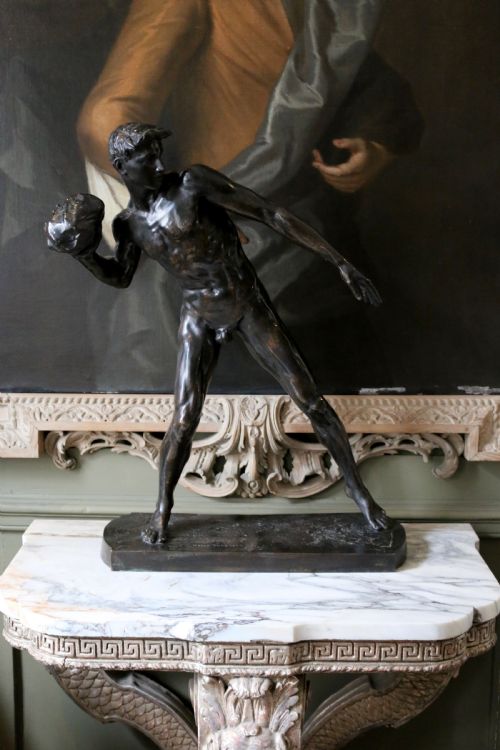
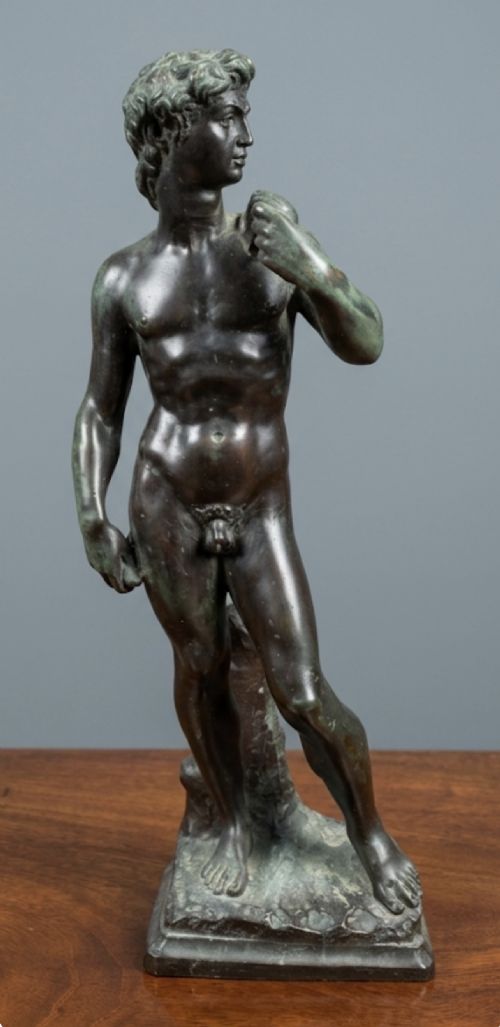
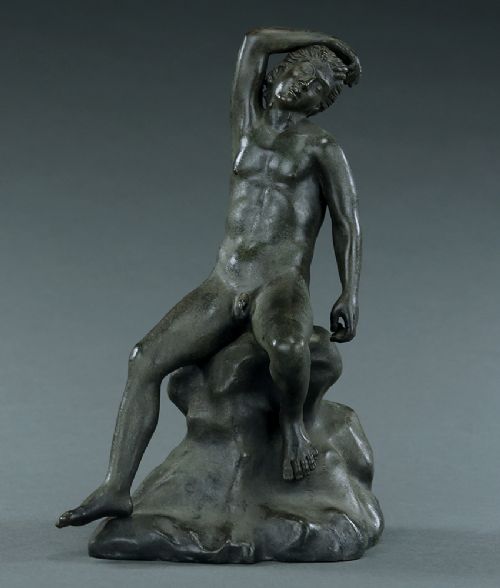
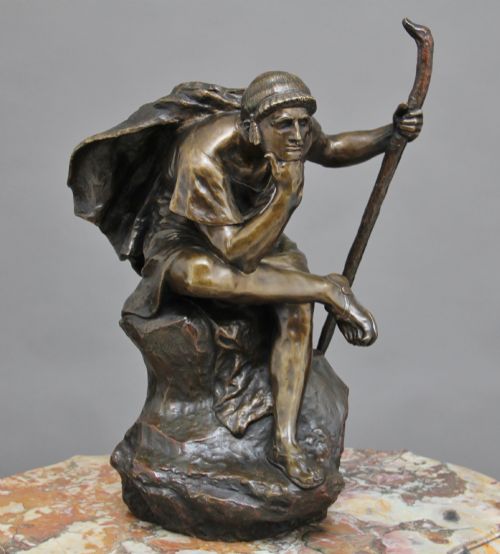
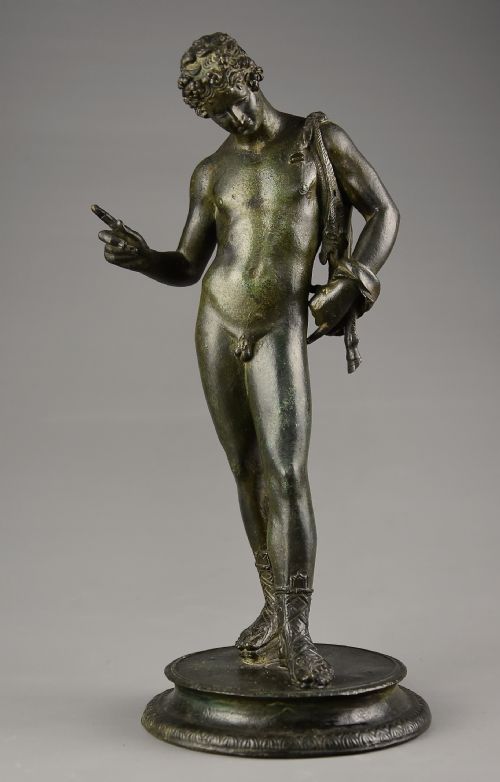
These bronzes capture the muscular form in motion and repose, drawing directly on classical antiquity and later French sculpture for their subjects.
Bronze Male Figure Sculpture
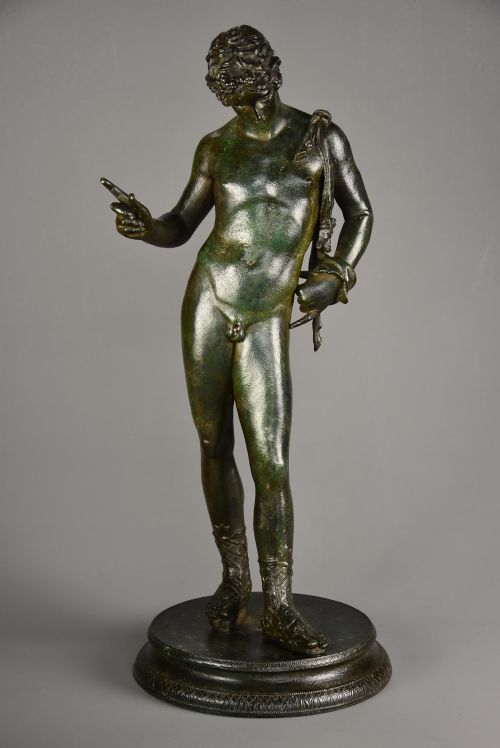
A bronze male figure sculpture is a cast metal representation of the human form, frequently depicting mythological heroes, athletes, gladiators, and historical personages. When looking at this category, a buyer encounters a high proportion of nineteenth-century French salon bronzes and Italian Grand Tour reductions of classical antiquities.
These works range from cabinet statuettes to monumental floor figures, often mounted on marble or ebonised wood bases to provide stability and presence. Subjects such as Narcissus, David, and various warriors dominate the selection, reflecting the academic training of the period.
Materials and casting methods
Foundries utilised the lost-wax method or sand casting to produce these metal works, allowing for intricate detail in musculature and drapery. Molten alloy was poured into moulds, after which the surface received finishing work through chiselling and filing.
Patination was applied manually using chemical solutions to achieve deep browns, greens, or verdigris finishes that mimic ancient patinas. Some pieces incorporate alternative materials such as fossil marble bases or incorporate lamp fittings into the composition.
The listings span the nineteenth and early twentieth centuries, featuring works in bronze, patinated bronze, and spelter on marble bases.
Assessing quality in cast figures
The depth and subtlety of the chemical patination further separate standard foundry production from exceptional works. Additionally, the quality and integration of the supporting marble or stone plinth contribute to the overall standing of the object.
Barbedienne·Friedrich Goldscheider·Emile Louis Picault·Julien Lorieux·Hamo Thornycroft
The Bronze Male Figure Sculpture Glossary
- Grand Tour
- A nineteenth-century tradition where wealthy travellers collected classical antiquities and bronze reductions in Italy. These souvenirs replicated famous sculptures housed in Italian museums and sites.
- Patination
- The chemical treatment applied to the metal surface to create a specific colour or aged appearance. Dark brown, green, and verdigris tones are common in these examples.
- Spelter
- A zinc alloy frequently used as a cheaper alternative to bronze. It often received a bronze finish to imitate genuine cast metal.
- Lost-wax casting
- A traditional technique where a model is encased in wax, melted out, and replaced with molten metal. This method permits the highest degree of fine detail.
- Chasing
- The process of hand-finishing a raw metal casting using small punches and hammers. Artisans use this step to refine textures and remove casting seams.
Bronze Male Figure Sculpture: Frequently Asked Questions
What is a Grand Tour bronze?
A Grand Tour bronze is a nineteenth-century reduction of a famous classical sculpture, purchased by travellers in Italy as a cultural souvenir. These figures were cast in local foundries to decorate domestic interiors.
They faithfully reproduce ancient marbles and bronzes found in museums and excavations, bringing classical subjects into Victorian homes.
How can I tell bronze from spelter?
Bronze is heavier, colder to the touch, and rings with a clear tone when tapped gently. Spelter is softer, lighter, and often shows a greyish metal underneath worn areas of its surface coating.
Foundries used spelter as an economical alternative, applying a bronzed finish to simulate the appearance of genuine metal.
Where were these sculptures displayed?
Nineteenth-century collectors placed these figures on libraries, mantelpieces, and specialised pedestals or cabinets within the home. Their scale was chosen to suit domestic interior architecture rather than public squares.
Some pieces were also adapted to serve functional roles as figural lamps or desk ornaments while retaining their sculptural form.
Why are so many subjects classical?
Academic training in the nineteenth century relied heavily on the study of Greek and Roman mythology and sculpture. Artists and foundries returned repeatedly to subjects like Narcissus, gladiators, and athletes because patrons valued classical learning.
These familiar narratives provided a socially acceptable way to display the nude male form in domestic settings.