

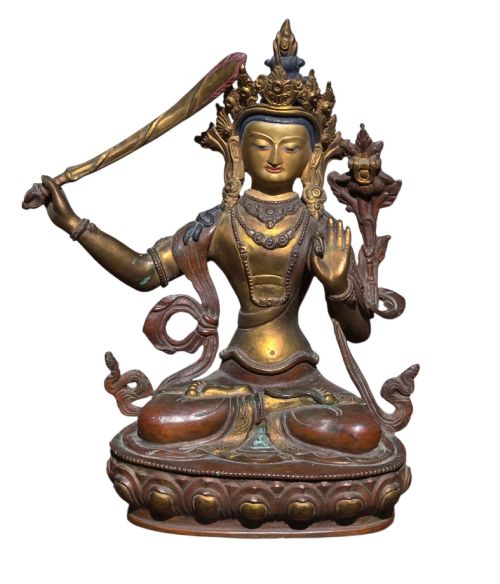
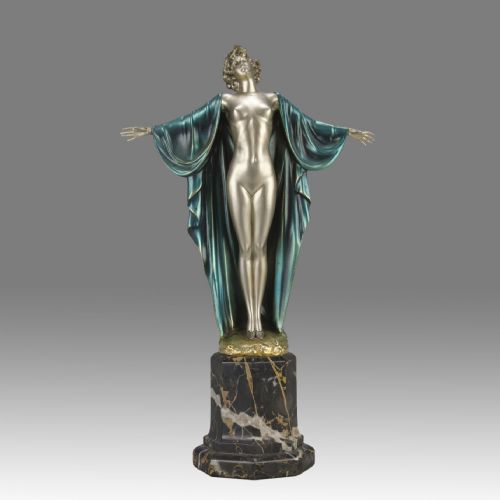
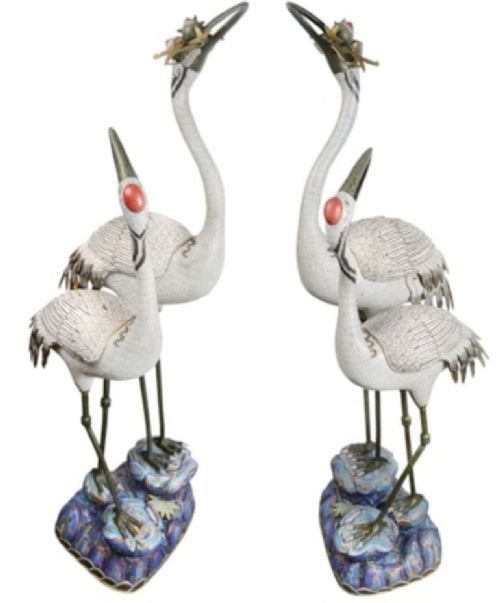
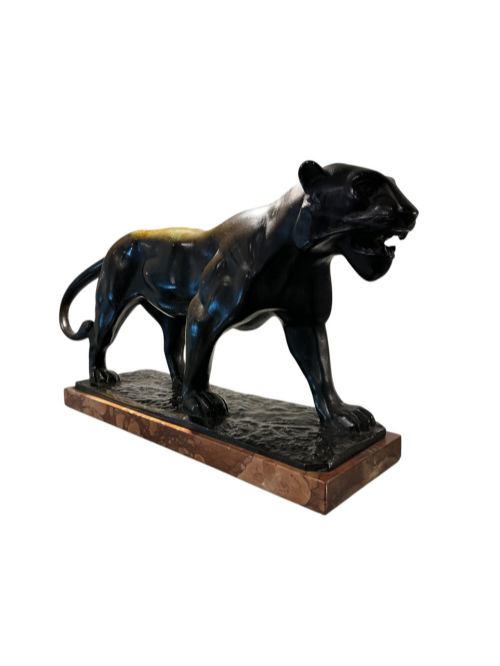
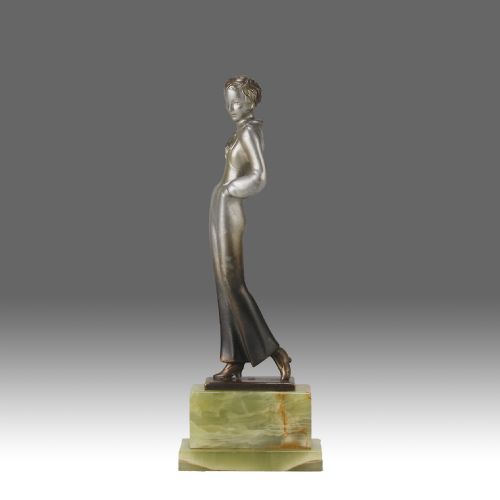
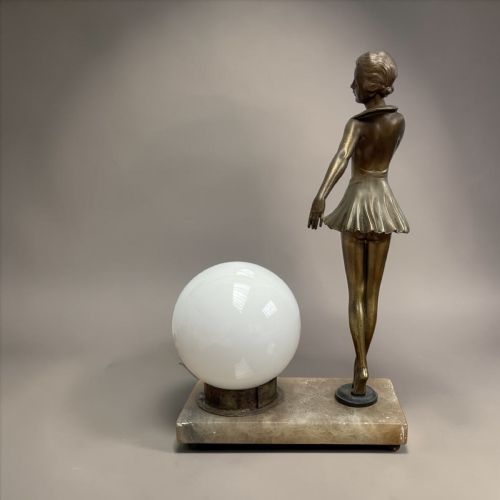

Antique Bronze Sculpture Base
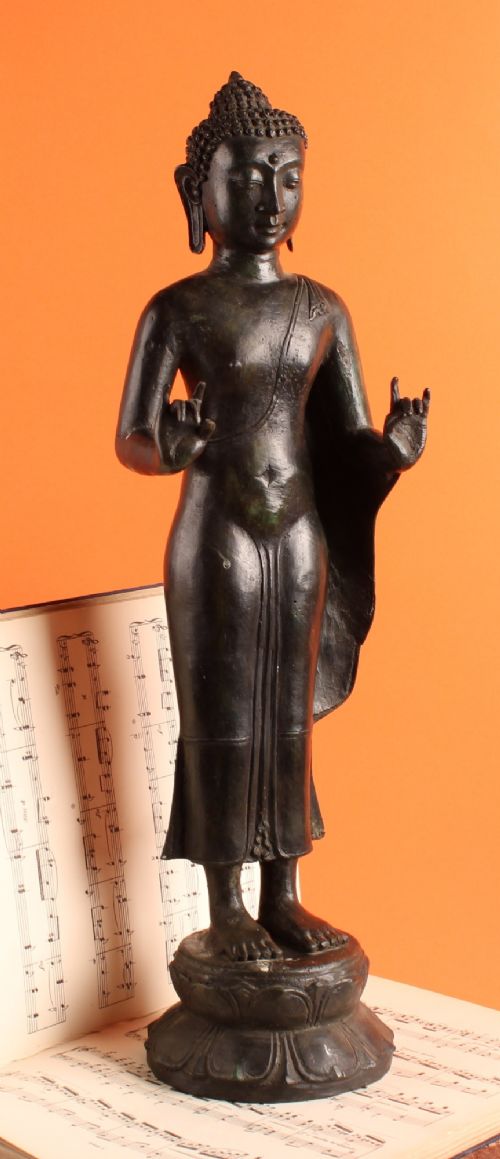
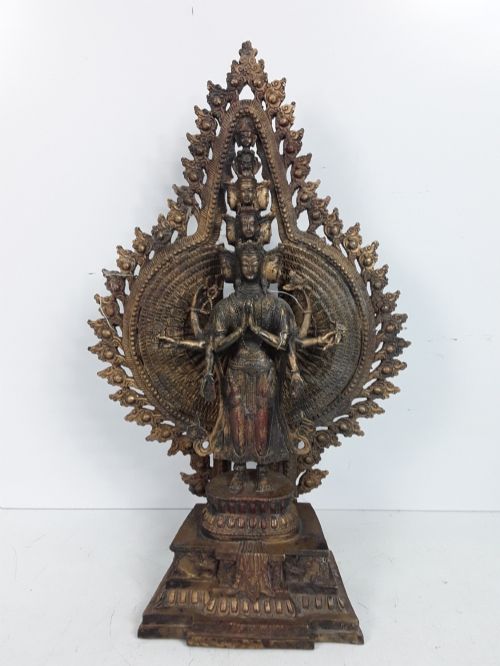
When you select an antique bronze sculpture base, you choose the structural foundation that grounds figures, animals, and classical subjects cast across the nineteenth and twentieth centuries.
Antique Bronze Sculpture Base
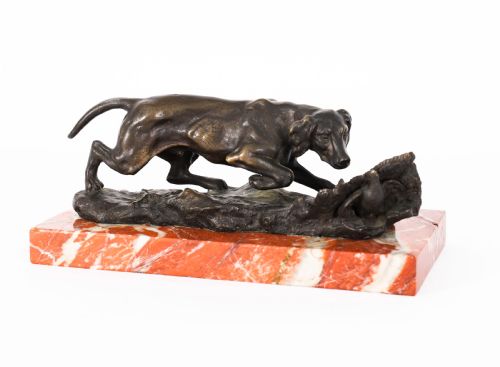
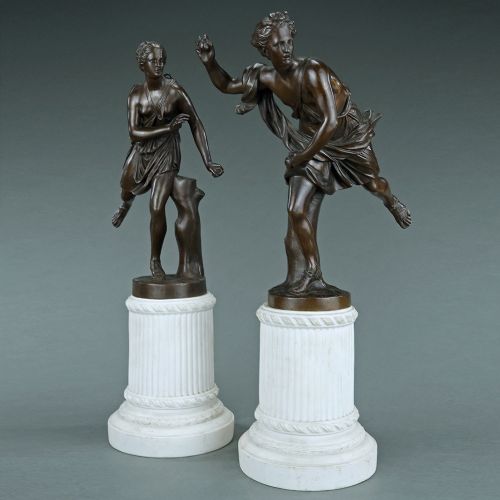
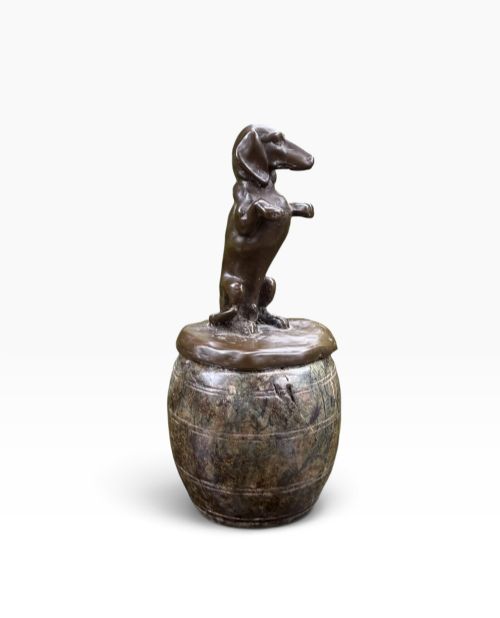
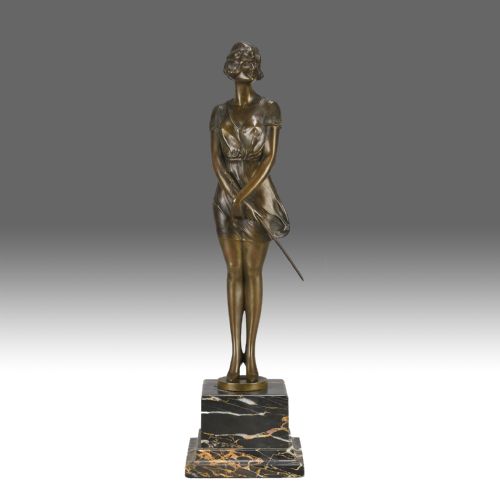
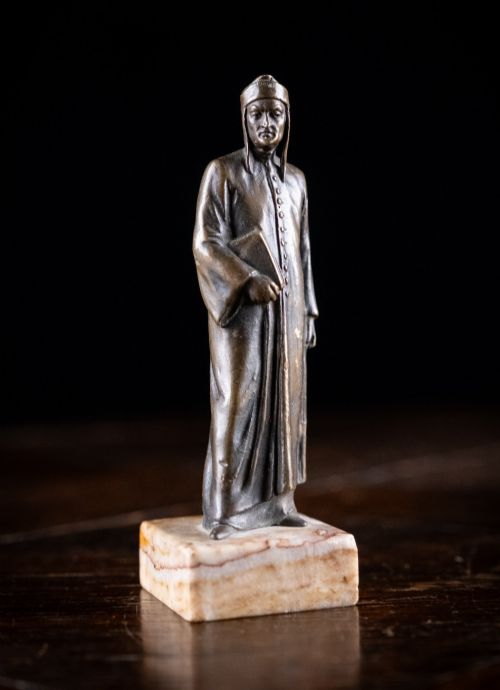
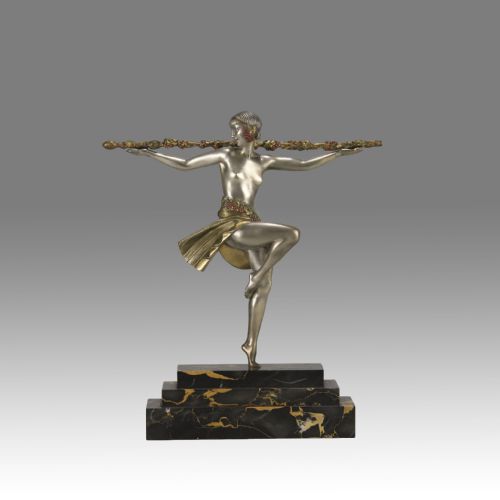
The selections span from nineteenth-century Neoclassical and Grand Tour pieces to Art Deco and animalier works from the early twentieth century. Buyers encounter everything from simple marble blocks to fossil marble and naturalistic foundations.
Many items pair bronze figures directly with contrasting stone supports, while others integrate the foot into a unified casting. The variety reflects the shifting aesthetic demands of makers working from the 1850s through the 1930s.
Materials and construction methods
Foundations rely heavily on dense natural stones such as marble, onyx, and fossil marble to provide adequate weight and balance for heavy metal castings. These stones are cut, shaped, and polished to form rectangular plinths, stepped tiers, or naturalistic mounds.
Metal components utilise traditional casting techniques in bronze, gilt bronze, and occasionally spelter, joined to the supporting plinth using threaded rods, pins, or direct fixings. Cold-painted finishes and surface patination add colour and detail directly to the metalwork above the base.
Listings feature works spanning the nineteenth and twentieth centuries, utilising bronze, marble, onyx, and cold-painted finishes across various decorative styles.
Distinctions in craftsmanship and materials
Quality reveals itself in the density and figuring of the supporting stone, where carefully selected marble or fossil stone provides superior weight and visual harmony with the metalwork above. Lesser examples utilise plain or uniform materials with less character.
The precision of the fit between the sculpture and its mounting separates standard productions from finer works. Secure, flush joinery and crisp chasing on the integrated or attached metal foot demonstrate superior workshop execution.
Carl Kauba·Barbedienne·Bruno Zach·Pierre le Faguays·Ferdinand Preiss·Josef Lorenzl·Emile Carlier·Demetre Chiparus·Henri Godet
The Antique Bronze Sculpture Base Glossary
- Plinth
- A heavy rectangular or stepped block that supports a sculpture. This stone or metal foundation elevates the main subject and provides stability.
- Grand Tour
- A nineteenth-century tradition of travelling through Europe collecting classical antiquities. Figures from this movement frequently sit on distinctive marble supports.
- Cold-painted
- A method of applying oil-based paint to unheated bronze after casting. This technique appears frequently on Vienna bronzes and small decorative figures.
- Animalier
- A nineteenth-century artistic style focusing on realistic depictions of animals. These sculptures often feature naturalistic bases mimicking earth or rock.
- Patina
- The surface coloration and sheen acquired by bronze over time or applied via chemical treatment. It protects the metal and defines the visual tone.
Antique Bronze Sculpture Base: Frequently Asked Questions
Are the bases attached permanently to the sculptures?
Most antique figures are secured to their supports using threaded bolts or pins running through the stone. This ensures stability for heavy bronze and stone combinations.
Separating the components is generally unnecessary and can damage the historical joinery or the stone plinth itself.
What stones are used for these supports?
Manufacturers utilised various dense stones, most notably white marble, Siena marble, fossil marble, and onyx. These heavy materials counterbalance the weight of the metal figures.
The choice of stone often reflects the period, with colourful fossil marbles favoured during the nineteenth century and simpler geometric stones popular in the Art Deco era.
How do I clean marble and bronze bases?
Dust surfaces gently with a soft, dry cloth to prevent the accumulation of dirt in crevices and around the joins. Avoid harsh chemical cleaners that can strip patination from the metal or etch polished stone.
Specialist wax can be applied sparingly to stone plinths to maintain their finish without affecting the bronze sculpture above.
How do I date a sculpture base?
Dating relies on stylistic clues in the stone's geometry, the casting quality, and the signature of the maker. Art Deco pieces often feature stepped or multi-coloured geometric stones, while nineteenth-century works favour classical proportions.
Comparing the materials and mounting techniques to known dated examples from makers like Josef Lorenzl or Ferdinand Preiss helps narrow the timeline.