



Italian Bronze Statuette
An italian bronze statuette brings the sculpture of antiquity and the Renaissance into a room through small-scale foundry work.
Italian Bronze Statuette
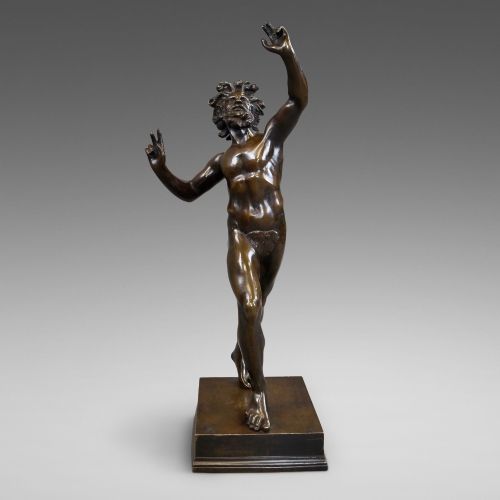
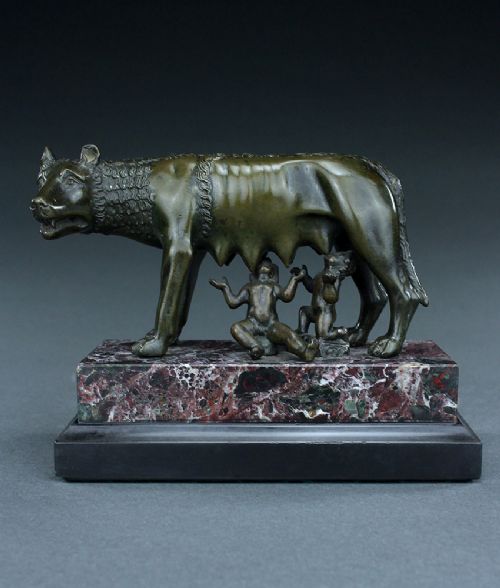
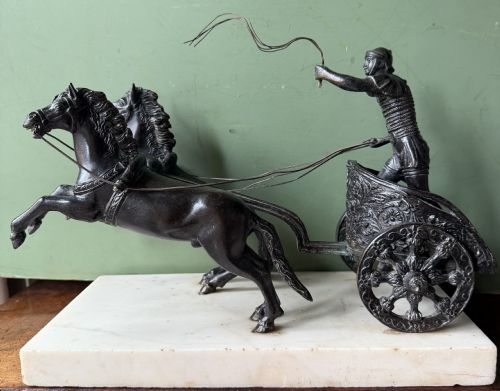
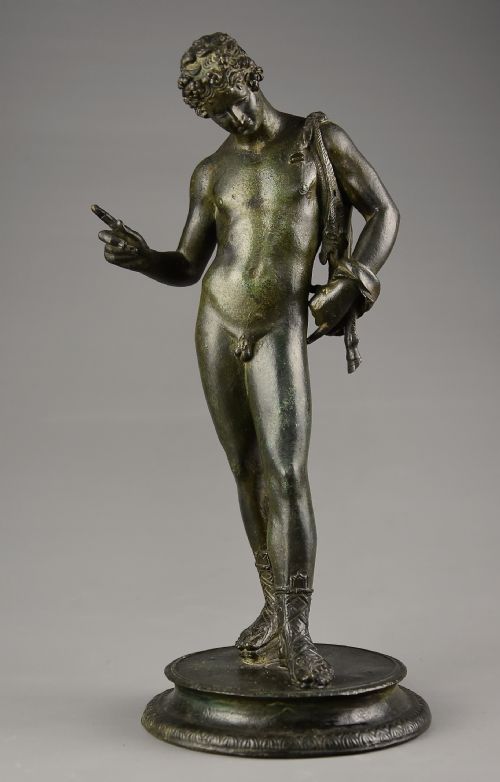
When searching for an italian bronze statuette, a buyer looks at small sculptural works cast in metal, predominantly representing classical figures, mythological subjects, or Renaissance masterpieces. These pieces frequently take the form of Grand Tour souvenirs brought back by travellers visiting Italy during the seventeenth, eighteenth, and nineteenth centuries.
The most common versions met on this page date from the nineteenth century, including Neapolitan and general Italian Grand Tour reductions of famous antiquities. Subjects range from dancing fauns and mythological figures like Narcissus and Dionysus to reductions of works by Michelangelo and Giambologna.
Many examples are mounted on dedicated plinths or bases made from marble, stone, or olive wood. These figures vary from single standalone subjects to matched pairs of horses, putti, or allegorical figures.
How they were made
Foundries utilised traditional metalcasting techniques to produce these small sculptures, pouring molten alloy into moulds to capture fine anatomical details and textures. Many pieces received a chemical surface treatment after casting, resulting in dark brown, black, or deep green patination.
Some statuettes incorporate parcel-gilt highlights or are mounted directly onto turned or polished stone and marble plinth bases. Wood is also utilised, with certain nineteenth-century pairs fixed to olive wood bases.
Listings feature Italian bronze statuettes spanning from the seventeenth century through to the end of the nineteenth century, executed in bronze, marble, and olive wood.
What varies in quality
The quality of the finishing work and the character of the patination define the visual depth of the metal. Heavier bases of genuine marble or dense stone, alongside signed works by known modellers and founders, elevate the standing of a piece.
Luigi Secchi·Michele Amodio
The Italian Bronze Statuette Glossary
- Grand Tour
- A traditional cultural journey of continental Europe undertaken by wealthy young men in the eighteenth and nineteenth centuries. Souvenirs purchased during these travels included bronze reductions of classical sculpture.
- Patination
- The chemical treatment or natural weathering applied to the surface of the metal. This process creates colour variations ranging from deep green to dark brown.
- Parcel-gilt
- A method where specific areas of the bronze surface are selectively highlighted with thin gold leaf or gilt. This technique accentuates details such as hair, garments, or harness fittings.
- Reduction
- A scaled-down sculptural copy of a larger monumental work or ancient antiquity. These smaller castings allowed classical art to be displayed within domestic interiors.
Italian Bronze Statuette: Frequently Asked Questions
What is a Grand Tour bronze?
A Grand Tour bronze is a small-scale sculptural souvenir cast in Italy during the eighteenth or nineteenth centuries. These pieces replicated famous ancient Roman, Greek, or Renaissance artworks for travellers.
They allowed collectors to display miniature versions of museum pieces within their own homes.
Why do some bronzes have green patination?
Green patination on nineteenth-century bronzes was often deliberately applied by founders to mimic the aged appearance of excavated antiquities. Chemical treatments were used to achieve dark green or verdigris tones.
Over time, handling and exposure to the environment can also influence the surface colour of the metal.
Are these statuettes solid bronze?
Many smaller statuettes and Grand Tour reductions are cast with solid metal, while larger or more complex figures may be hollow-cast to reduce weight and save material.
Foundry methods varied depending on the scale of the sculpture and the period in which it was produced.
How should I display marble-based bronzes?
Bronzes mounted on marble or stone plinths require a stable, level surface away from areas prone to heavy vibration or excessive moisture. The stone bases provide natural weight and balance for the figures.
Gentle dusting with a dry microfibre cloth is generally sufficient for regular maintenance of both the metal and the stone.