
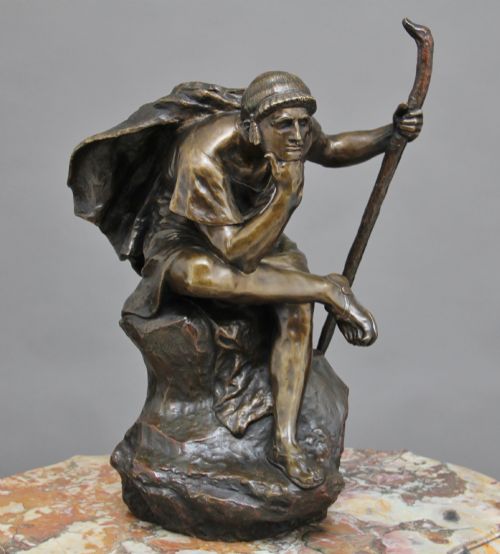
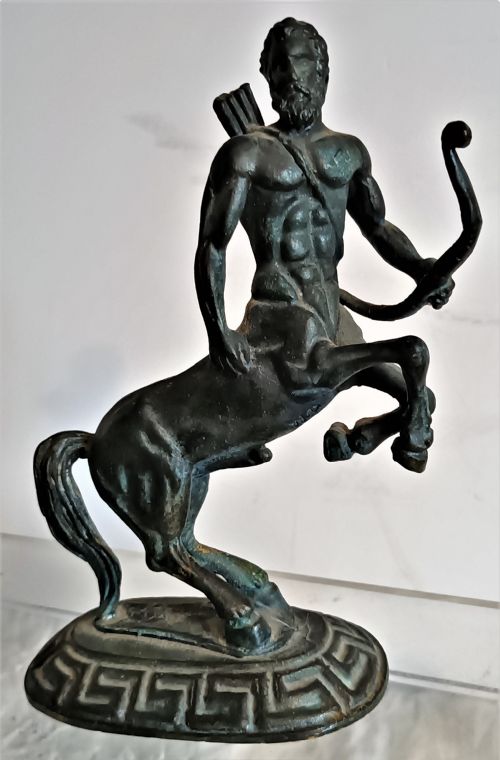
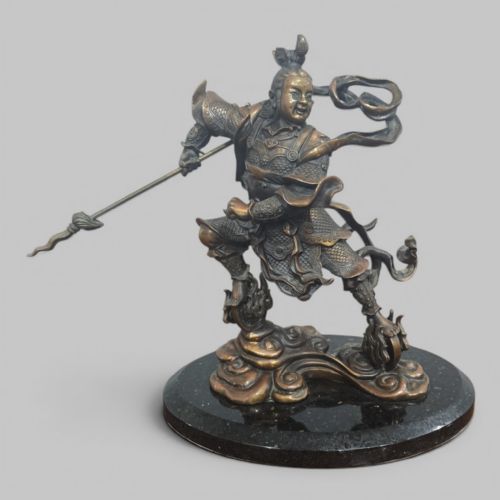
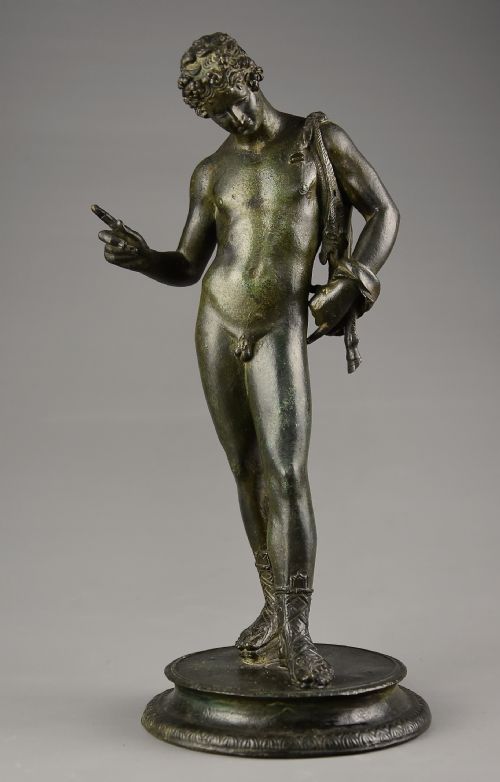


Bronze Mythological Figurine
A bronze mythological figurine brings classical antiquity and romantic myth into a room, cast in metal and shaped by centuries of European sculpture traditions.
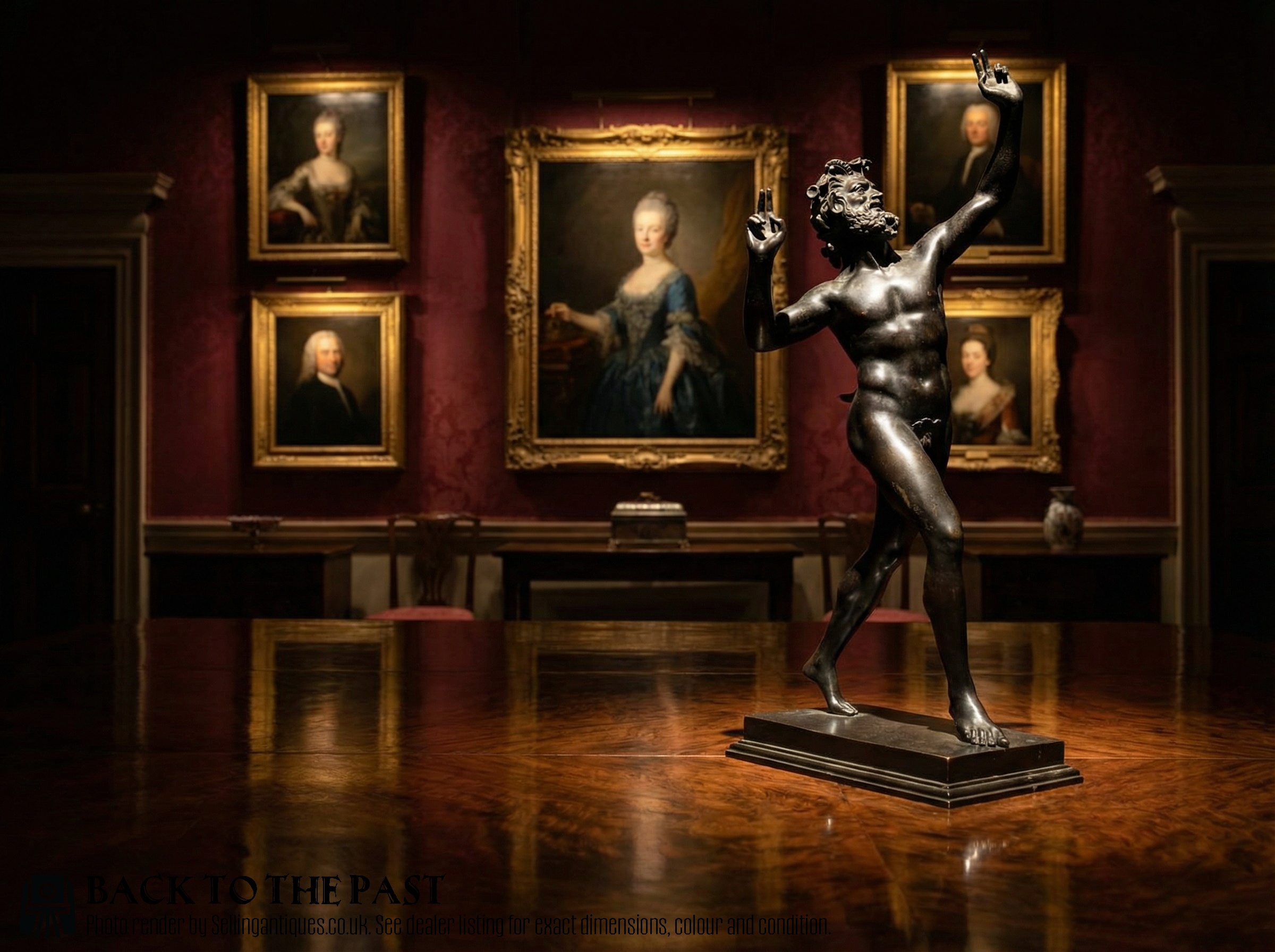
Bronze Mythological Figurine
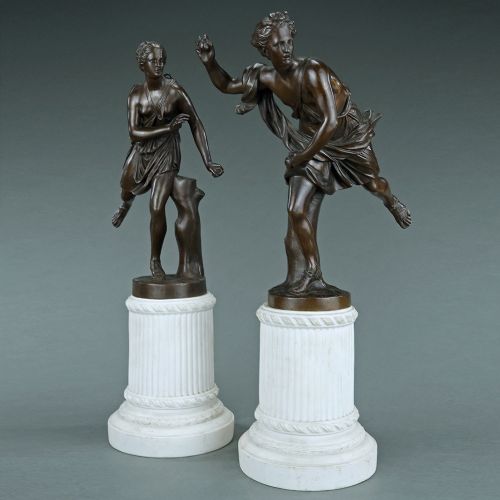
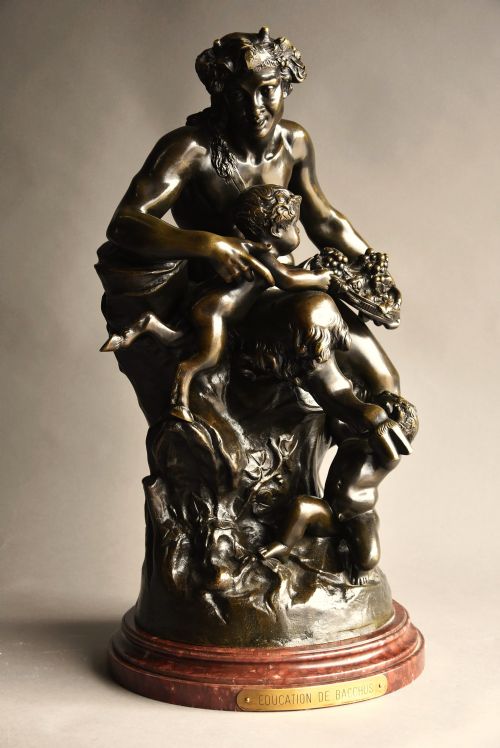
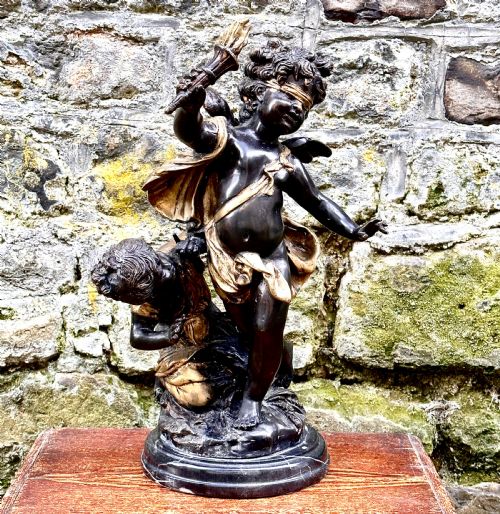
When you search for a bronze mythological figurine, you encounter sculptural works depicting classical deities, satyrs, fauns, and heroes from ancient lore. These figures range in origin from nineteenth-century French foundries to Italian workshops catering to travellers on the Grand Tour.
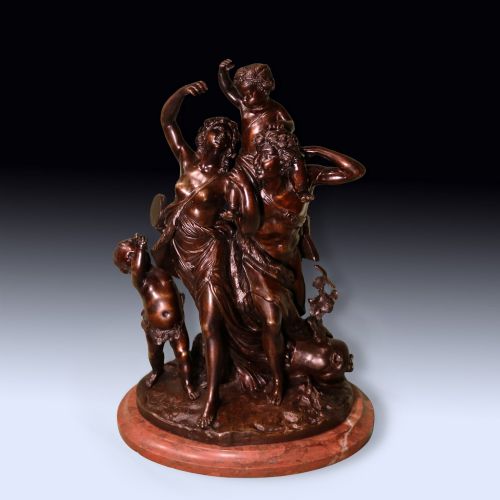
The pieces on this page appear predominantly as nineteenth-century interpretations of classical subjects, alongside smaller numbers from the early twentieth century. Common forms include single statuettes of figures like Narcissus and Mercury, as well as complex multi-figure groups of bacchic revels.
Many works draw direct inspiration from antique sculptures discovered in excavations at Pompeii and Rome, or reinterpret models by notable sculptors. Buyers find both small cabinet-size souvenirs and larger statement pieces designed for display on mantelpieces and pedestals.
Materials and Casting Methods
Foundries produced these pieces primarily using bronze, brass, and cast bronze, frequently mounted upon marble bases. Artisans applied various chemical treatments to the metal surfaces to create distinct patinated bronze finishes or combined the metal with parcel-gilt highlights.
The manufacturing process involved casting the molten alloy from historical models, followed by extensive hand-chiselling and finishing. Artisans refined the details of hair, drapery, and musculature with cold-working tools before applying the final surface patination.
The object types span sculptures, statuettes, and multi-figure groups, reflecting diverse interpretations of Neoclassical and French Rococo Revival styles.
Assessing Quality and Execution
The distinction between ordinary and superior pieces lies in the crispness of the chasing and the depth of the metal finish. Master founders retained the subtleties of facial expression and anatomical definition during the post-casting chisel work, whereas lesser examples appear soft and blurred.
Quality also rests in the handling of the patina and the integrity of the base materials. A rich, dark green or brown patination applied with nuance enhances the sculptural form, while inferior casts often display uniform, flat coloration and weak joints between figural components.
Barbedienne·Edward Aagaard·Albert Hussmann·Pierre Le Faguays·Franz Iffland·Aug. Moreau·Louis Ernest Barris
The Bronze Mythological Figurine Glossary
- Grand Tour
- A traditional trip through Europe undertaken by upper-class young men during the eighteenth and nineteenth centuries. Tourists acquired small bronzes in Italy as souvenirs of classical antiquities.
- Patinated bronze
- Metal treated with chemical solutions to produce a specific surface colour, commonly dark brown or green. This layer protects the bronze and accentuates sculptural contours.
- Parcel-gilt
- Metalwork where portions of the surface receive a thin application of gold leaf while other areas retain the exposed bronze. This technique highlights specific details like drapery or ornaments.
- Neoclassical
- A style spanning the eighteenth and nineteenth centuries inspired by the art and culture of classical Greece and Rome. It prioritises symmetry, restraint, and mythological subject matter.
Bronze Mythological Figurine: Frequently Asked Questions
What is a Grand Tour bronze figurine?
A Grand Tour bronze figurine is a souvenir sculpture purchased by travellers visiting archaeological sites and museums in Italy during the nineteenth century. These small-scale studies reproduced famous ancient statues for private display at home.
Such pieces allowed collectors to bring classical antiquity into domestic spaces. They served as physical reminders of travel and education in classical literature and art.
How do I identify a nineteenth century bronze?
Nineteenth-century bronzes typically display deep, hand-applied patination and evidence of cold-chasing on the metal surface. The casting seams are often filed smooth, and the material weight is substantial due to solid or thick-walled cast construction.
Examining the underside often reveals the nature of the mounting and the assembly pins. The style of the script on signatures or foundry marks also helps date the piece to this period.
Where were these mythological figures displayed?
Owners placed these figures on library tables, mantelpieces, and dedicated pedestals within nineteenth-century drawing rooms. Their scale suited domestic interiors rather than grand public architecture.
Displaying mythological figures demonstrated the owner's classical learning and refined taste. They became focal points for conversation among visitors in formal reception rooms.
What subjects are most common?
The most frequent subjects include figures from Greco-Roman mythology such as Bacchus, Narcissus, Mercury, and various satyrs and fauns. Many derive from specific ancient discoveries in Pompeii and Herculaneum.
Figures engaged in dancing or playing musical instruments appear repeatedly in nineteenth-century casting catalogues. These dynamic poses suited the decorative ambitions of Victorian and continental interiors.