


Plaster Cast Sculpture
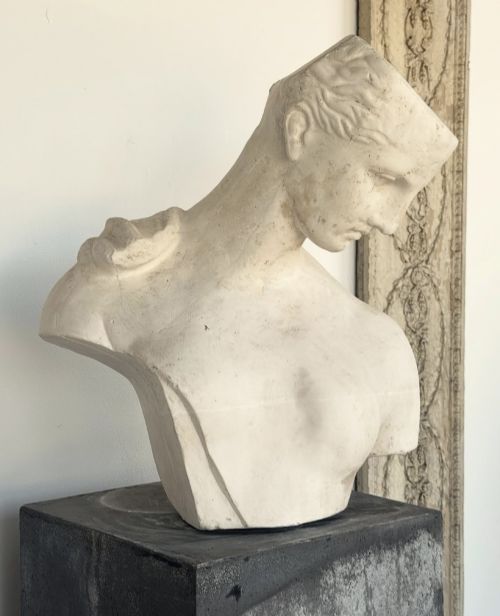
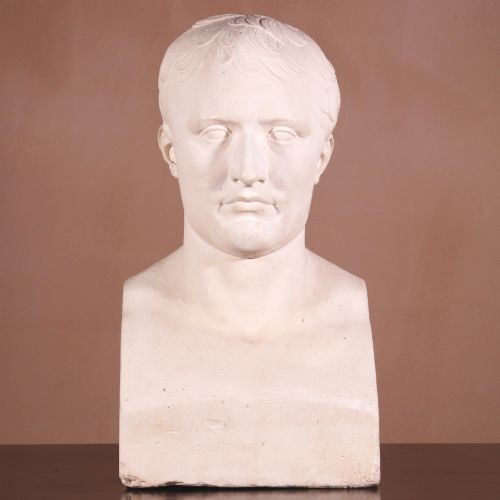
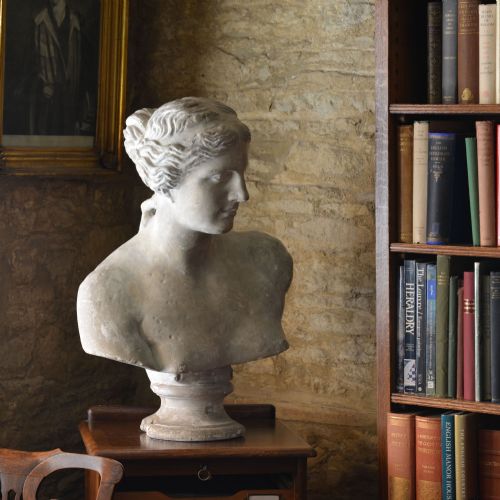
Plaster cast sculpture brings classical antiquity and academic mastery into interiors through tactile, finely modelled representations of famous figures and art historical subjects.
Plaster Cast Sculpture
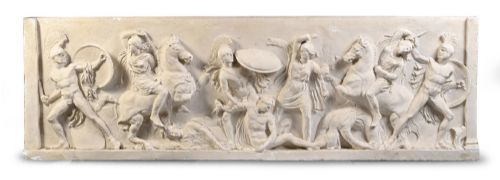
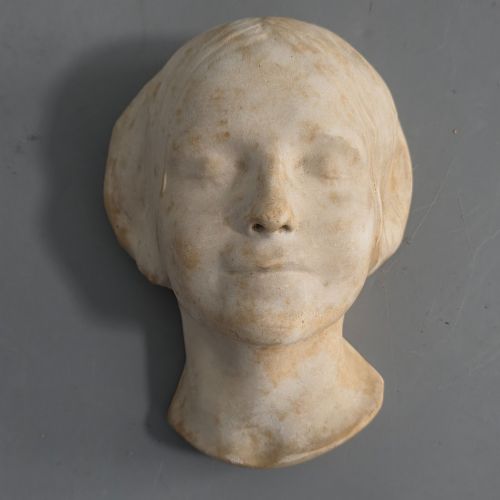
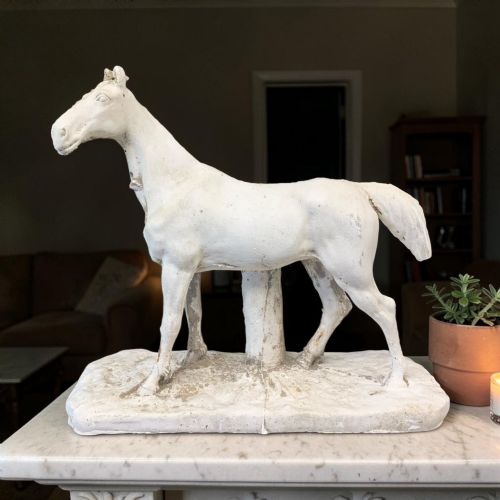
Plaster cast sculpture comprises three-dimensional busts, full figures, and relief plaques modelled after classical, Renaissance, and academic subjects. These pieces span the nineteenth century and the early twentieth century, encompassing Victorian, Edwardian, and Art Deco eras.
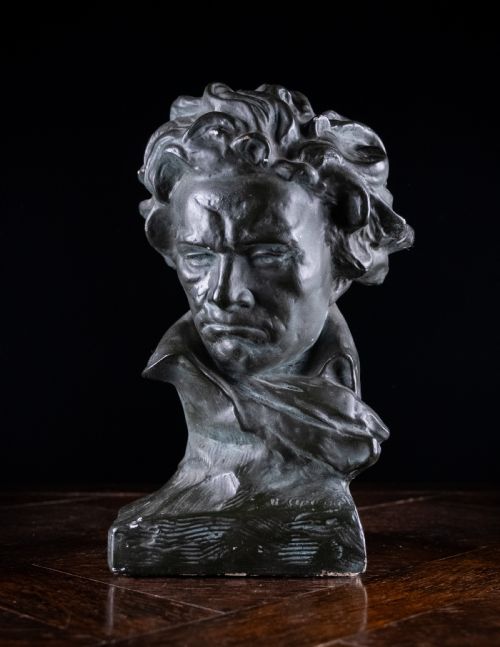
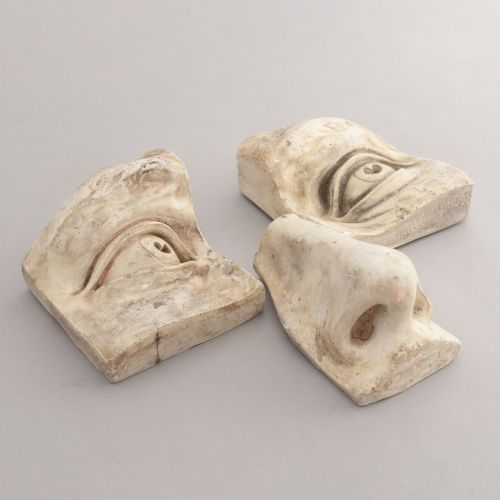
The most common formats met here are portrait busts of historical figures, mythological subjects, and literary characters, alongside anatomical studies and reductions of canonical statues. Makers ranged from prominent London workshops like D. Brucciani & Co to continental studios producing Grand Tour souvenirs.
Collectors encounter works shaped by neoclassical, Renaissance revival, and academic traditions, often finished with paint, gesso, or patination to emulate bronze, marble, or stone. These objects served as both study aids for artists and decorative centerpieces for period interiors.
What varies in quality
The integrity of the surface finish also determines grade, with patination or paint applied in ways that enhance depth rather than obscuring delicate modelling. Heavier, denser material compositions involving marble dust or reinforced plaster generally signify more ambitious studio output.
Among the historical figures and classical deities, life-size decorated pugs occasionally peer out from the nineteenth-century studio output.
D. Brucciani & Co·Antonio Rossellino·Donatello·Antoine-Felix Bouré
The Plaster Cast Sculpture Glossary
- Plaster cast
- A copy of a sculpture produced by pouring liquid plaster into a mould taken from an original work. This technique allowed nineteenth-century studios to disseminate canonical art widely.
- Relief sculpture
- A sculptural technique where figures project from a flat background surface, seen frequently in wall plaques and architectural studies. It combines aspects of two-dimensional drawing with three-dimensional modelling.
- Patination
- The artificial ageing or colouring of a surface to simulate metal, bronze, or weathered stone. Studios applied this treatment to give plain plaster an antique appearance.
- Grand Tour
- A cultural journey undertaken by wealthy young Europeans to view continental antiquities, resulting in a demand for portable plaster figures and busts. These souvenirs formed the basis of many domestic collections.
- Gesso
- A plaster mixture combined with a binder used as a smooth base for painting or gilding surfaces. It provided a fine ground for intricate surface detailing on classical models.
Plaster Cast Sculpture: Frequently Asked Questions
How do I clean plaster cast sculpture?
Dust surfaces gently with a soft, dry brush or a feather duster to prevent particulate accumulation without disturbing the fragile finish.
Avoid liquid cleaners or damp cloths entirely, as unsealed plaster absorbs moisture readily and dissolves or stains under wet conditions.
Where were these sculptures originally displayed?
Nineteenth-century collectors placed these busts and figures in libraries, studios, and entrance halls to signal academic taste and classical literacy.
Artists also utilised them as visual references in academies and private workshops for drawing and painting practice.
Are these pieces original works?
These pieces are historical reproductions or studio casts derived from canonical works of art rather than unique primary sculptures carved by the original masters.
Their value lies in the quality of the nineteenth-century moulding process and the skill of the studio that produced them.
How can I tell the period of a cast?
Examine the mounting hardware, the density of the plaster mixture, and the characteristics of the surface patination or paint layers.
Stylistic cues tied to Victorian, Edwardian, or Art Deco tastes also help establish the likely decade of manufacture.