

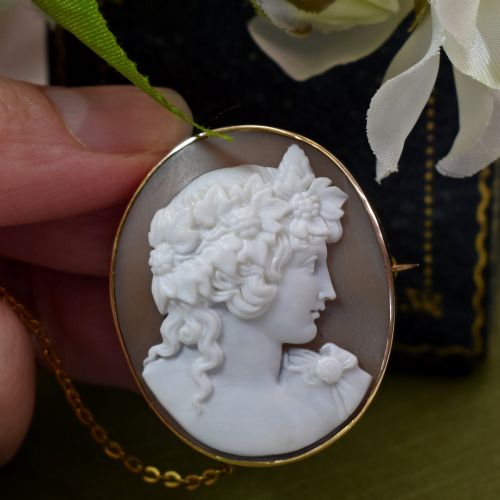


Grand Tour Cameos
Grand tour cameos are portable classical souvenirs brought home by travellers, prized for recording ancient sculpture in miniature.
Grand Tour Cameos
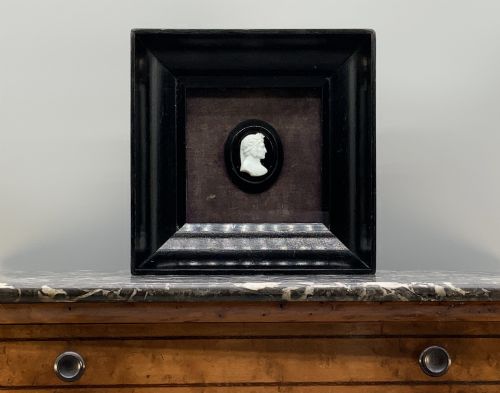
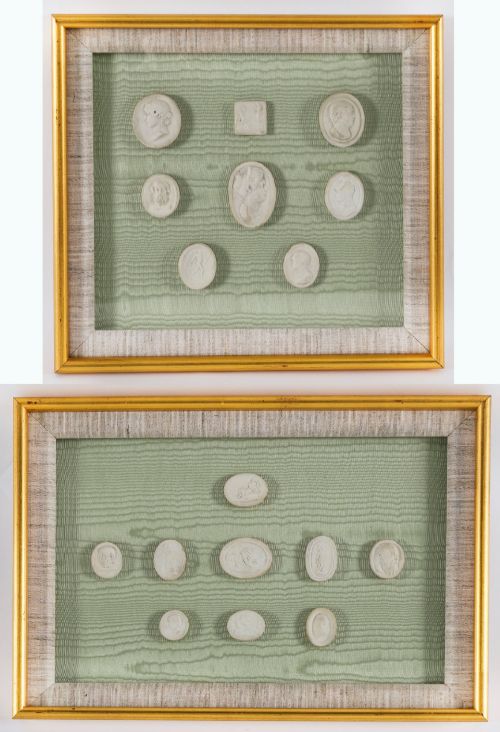
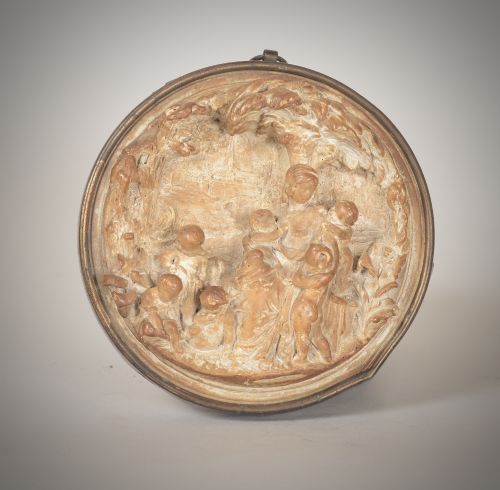
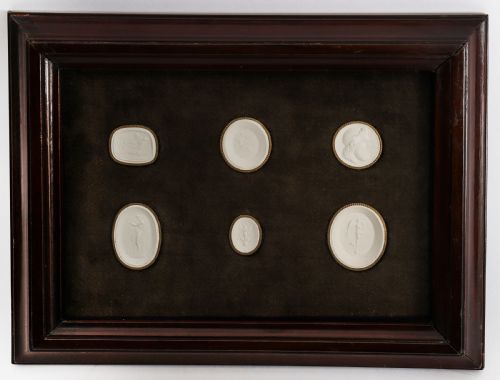
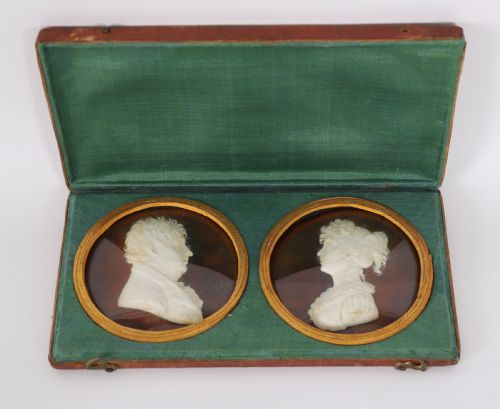
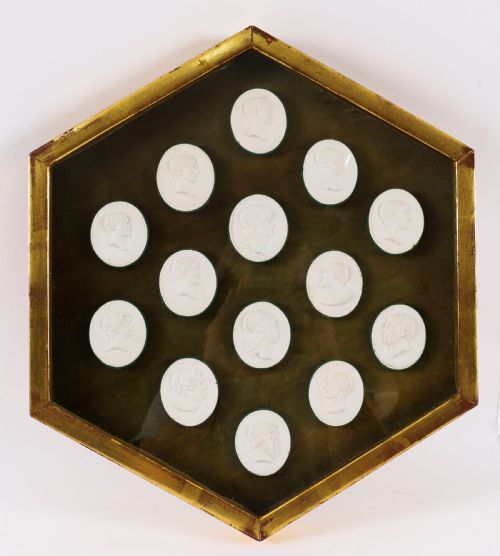
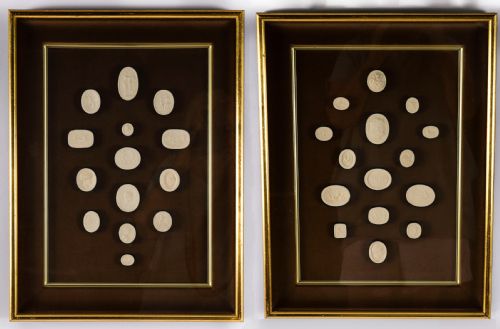
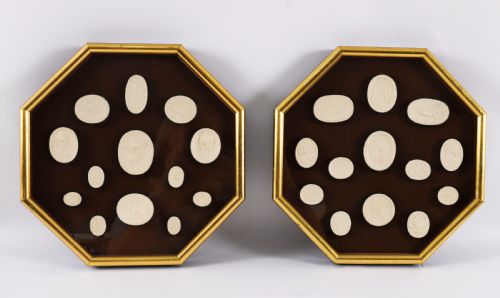
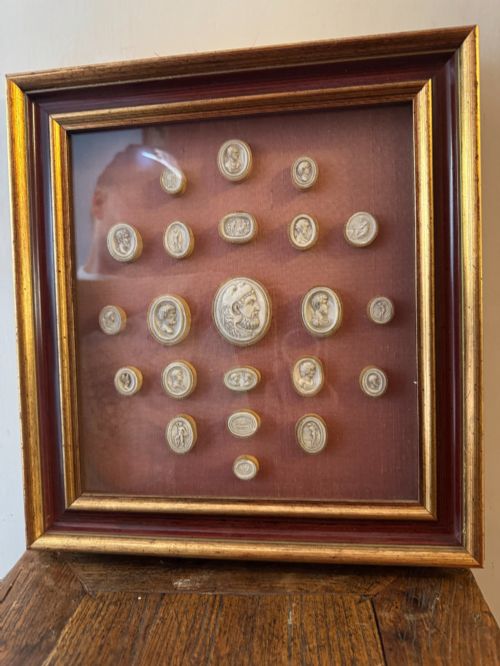
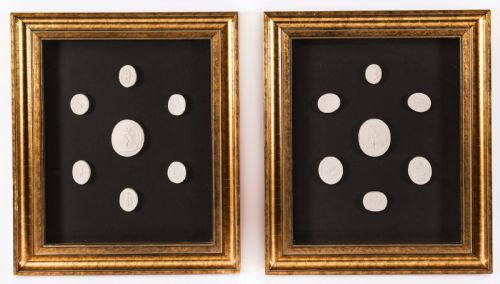
When you examine grand tour cameos, you encounter miniature reliefs and profiles derived from classical sculpture and architecture. Travellers collected these souvenirs across Italy during the eighteenth and nineteenth centuries to document their travels. The pieces on this page appear most frequently as framed sets of intaglios or individual portrait brooches.
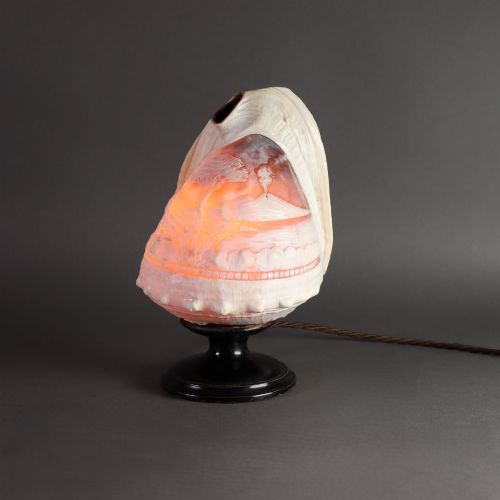
The materials span moulded plaster, carved shell, lava stone, and marble, mounted in gilt wood frames or worn as personal ornaments. Many depict Roman emperors, mythological figures, or Italian landmarks such as Vesuvius. You will find both single wall plaques and extensive collections arranged in bespoke boxes.
These artefacts capture the neoclassical taste of the period, translating monumental antiquity into intimate desktop or wearable formats. They function as historical records of travel as much as items of personal adornment. Each piece reflects the education and cultural ambitions of the original purchaser.
How they were made
Maker workshops utilised precise casting and carving techniques to replicate classical antiquities for the traveller market. Plaster casts and gypsum intaglios were poured into moulds taken directly from ancient gems and sculptures. Artisans then mounted these casts in velvet-lined giltwood frames or fitted them into marble inkstands.
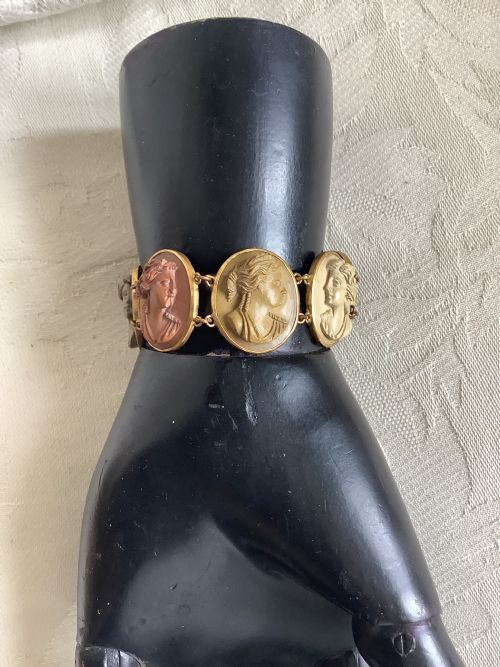
Hardstone carving required skilled hands to shape lava stone, marble, and shell into detailed profile portraits. Shell cameos play on the colour contrast between layers to define the subject, while lava stone yields a matte finish suited to bracelets and brooches. Jewellers set these stones in silver or gold mounts to create wearable souvenirs.
Byron's profile on marble reminds us that nineteenth-century tourists pursued pop idols just as eagerly as ancient emperors.
What varies in quality
The scale and ambition of the composition set the better specimens apart from simple tourist trinkets. Large framed collections containing dozens of numbered plaster intaglios demand greater organisation and craftsmanship than isolated single casts. Preserved provenance linking a set to a known workshop elevates the historical weight of the piece.
Giovanni Liberotti·Pietro Bracci·Thorvalsen Workshop
The Grand Tour Cameos Glossary
- Cameo
- A method of carving where a relief image stands out distinctly from a contrasting background. This technique appears on shell, stone, and glass objects.
- Intaglio
- A gem or cast carved in reverse so that the design sinks below the surface, traditionally used for sealing documents. These often appear in framed sets on this page.
- Plaster
- A composition material poured into moulds to capture fine classical details. It formed an accessible medium for souvenir casts.
- Lava stone
- A volcanic material carved in Italy for portrait brooches and decorative desk sets. It provides a distinct dark or variegated ground for classical profiles.
- Neoclassical
- The dominant artistic style of the eighteenth and nineteenth centuries drawing inspiration from the art and culture of classical antiquity. It governs the visual vocabulary of these souvenirs.
Grand Tour Cameos: Frequently Asked Questions
What are grand tour cameos?
Grand tour cameos are miniature artworks and souvenirs collected by travellers visiting classical sites in Italy. They replicate ancient sculptures, architectural ruins, and historical portraits.
These pieces range from framed plaster intaglio collections to wearable lava stone bracelets. They served as tangible proof of a classical education and foreign travel.
How were grand tour cameos used?
Travellers used these items to decorate their homes with classical motifs or wore them as personal jewellery. Framed intaglios hung on library walls or sat on desks as conversation pieces.
Desk sets incorporated carved lava cameos into inkstands and marble bases. Brooches and bracelets allowed owners to display their appreciation for antiquity on their person.
How do I live with grand tour cameos?
Display framed intaglios away from direct sunlight to protect delicate plaster and velvet backings. Wall-mounted pieces benefit from stable indoor humidity.
Wearable lava stone and shell pieces require gentle handling due to the porous nature of the materials. Store brooches and bracelets in lined boxes when not in use.
How do I tell periods apart?
Nineteenth-century examples often feature elaborate giltwood frames and extensive boxed sets of plaster casts. Eighteenth-century pieces frequently present simpler marble bas-reliefs of Roman emperors.
Edwardian iterations continue the tradition with refined plaster cast medallions. Material choice and mounting style help anchor the date of production.