



Framed Plaster Cameos
Framed plaster cameos are classical portrait reliefs and intaglios mounted behind glass, collected since the eighteenth century for their miniature sculptural detail.
Framed Plaster Cameos
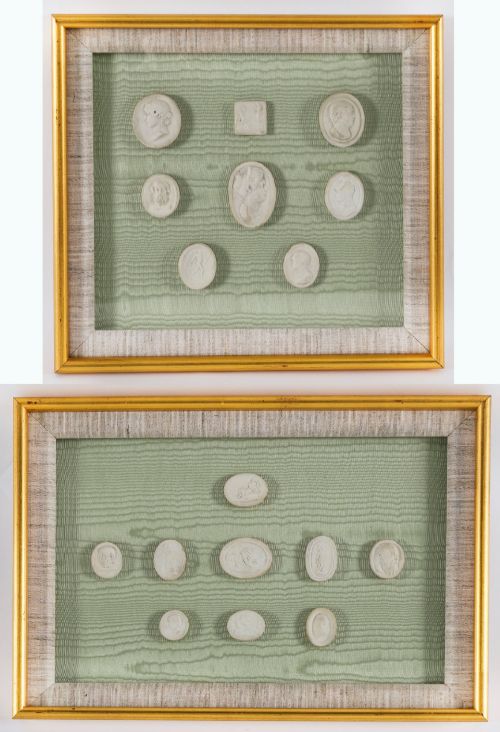
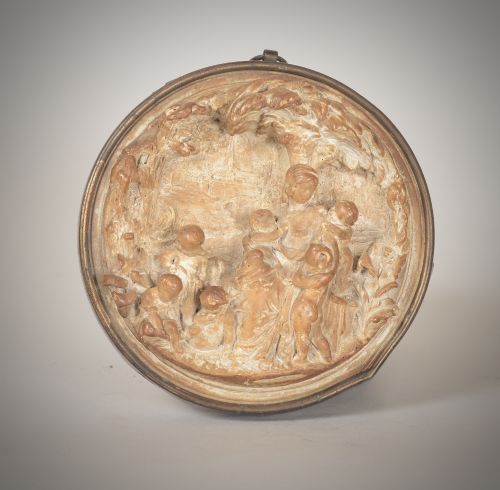
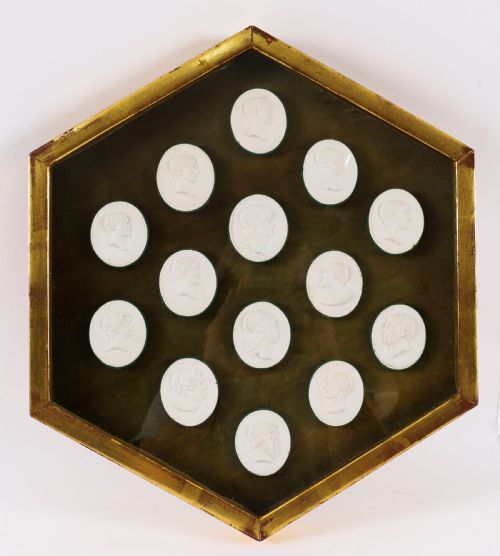
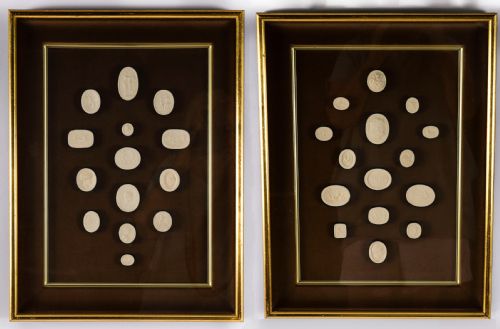
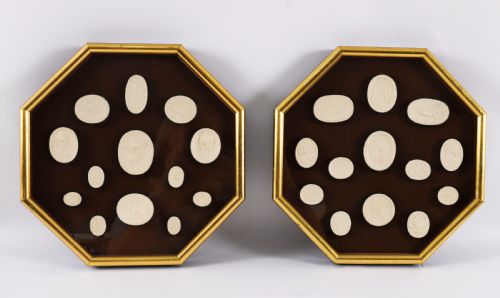
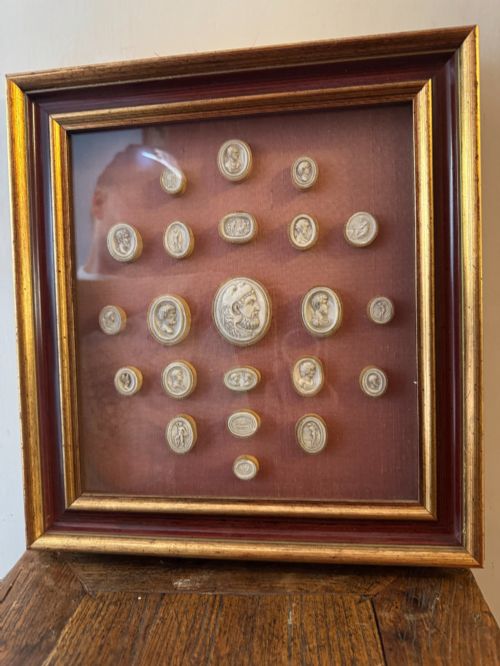
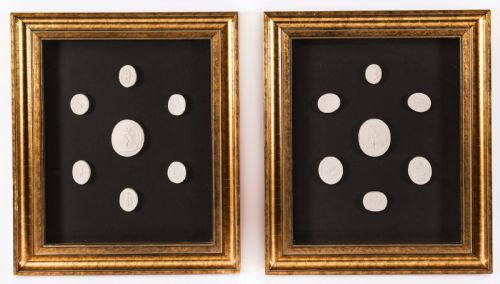
Framed plaster cameos present classical subjects, mythological figures and imperial portraits modelled in fine white gypsum plaster or paste. Buyers seeking framed plaster cameos encounter pieces predominantly originating from the nineteenth century, often associated with the Grand Tour tradition where travellers gathered classical antiquities in miniature form.
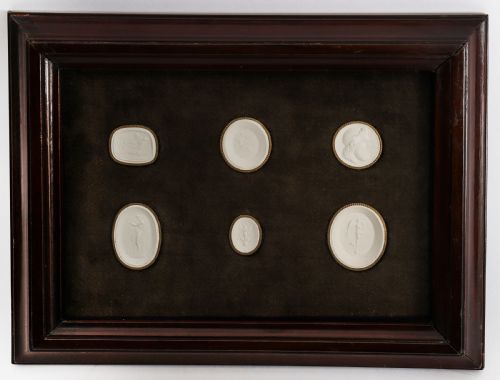
These works appear as single wall plaques, portrait miniatures, or extensive collections arranged within box frames, gilt wood frames, and octagonal wooden mounts. Fabric backgrounds, frequently velvet or silk, provide contrast for the white plaster reliefs, while some examples incorporate glass protection and gilt leaf detailing.
How they were made
Maker workshops produced these intaglios and cameos by casting gypsum plaster or glass paste from moulds taken directly from antique gems and sculpted stones. Skilled modellers arranged these crisp white reliefs upon velvet or fabric grounds inside wooden frames finished with gold leaf or simple gilding.
Makers such as Giovanni Liberotti and Pietro Bracci stamped or signed their mounted collections, housing multiple medallions within custom box frames designed for wall display.
Framed Plaster Cameos Retail Price Guide 2026
Typical asking prices for framed plaster cameos among the pieces listed under this phrase on Sellingantiques today, from the lower quarter to the upper quarter. They describe what is for sale here now, not the wider market.
The recorded styles span neoclassical, Grand Tour, Georgian neoclassical, and early twentieth-century traditions.
What varies in quality
Quality rests in the crispness of the plaster casting and the sophistication of the arrangement within the frame. Sculptural definition separates mass souvenirs from works by identified makers whose sharp, undercut casts capture every nuance of classical carving.
The sophistication of the framing enhances the piece, from simple gilt wood surrounds to elaborate box frames lined with plush velvet that preserve delicate plaster casts over centuries.
Giovanni Liberotti·Pietro Bracci
The Framed Plaster Cameos Glossary
- Intaglio
- An engraved gem or cast where the design is sunken below the surface rather than raised in relief. These plaster casts record ancient carved stones.
- Grand Tour
- A traditional journey through Europe undertaken by upper-class travellers to study art and antiquity. This practice generated a demand for portable plaster souvenirs.
- Gypsum
- A soft sulphate mineral used to create fine plaster of Paris. It allows crisp detail in miniature portrait casts.
- Giltwood
- Wood carved and covered with a thin layer of gold leaf or gesso and gold paint. It provides traditional framing for classical displays.
Framed Plaster Cameos: Frequently Asked Questions
What are framed plaster cameos?
Framed plaster cameos are miniature sculptural reliefs cast in gypsum plaster, depicting classical figures, emperors, and mythological scenes. They are mounted against velvet or fabric and housed behind glass within wooden frames.
These pieces were collected as portable artworks during European travels in the eighteenth and nineteenth centuries. They served both as educational records of ancient sculpture and as decorative wall art.
Who made these framed cameos?
Many pieces were produced by specialist Italian workshops catering to travellers on the Grand Tour. Prominent modellers such as Giovanni Liberotti and Pietro Bracci arranged extensive collections of plaster casts into framed panels.
Workshop production ranged from individual portrait plaques to large boxed sets containing dozens of numbered intaglios. These sets often included handwritten or printed descriptive catalogues on the backing boards.
How do you display them at home?
These framed works suit study walls, libraries, or galleries where their monochrome plaster reliefs catch directional light. Box frames and flat giltwood frames hang securely using standard picture hooks.
Because plaster and velvet are sensitive to moisture and direct sunlight, placement away from damp areas and bright windows ensures the preservation of the fabric backing and delicate casts.
How do you tell periods apart?
Nineteenth-century examples frequently feature Grand Tour boxed arrangements with multiple numbered intaglios set on velvet grounds. Earlier pieces from around eighteen hundred often reflect Georgian neoclassical tastes with distinct framing and mounting styles.
Edwardian iterations continue the Grand Tour tradition with neatly arranged medallions in custom frames. Material analysis of the backing boards, glass types, and frame construction helps distinguish between periods.