



Antique Cameo Collection
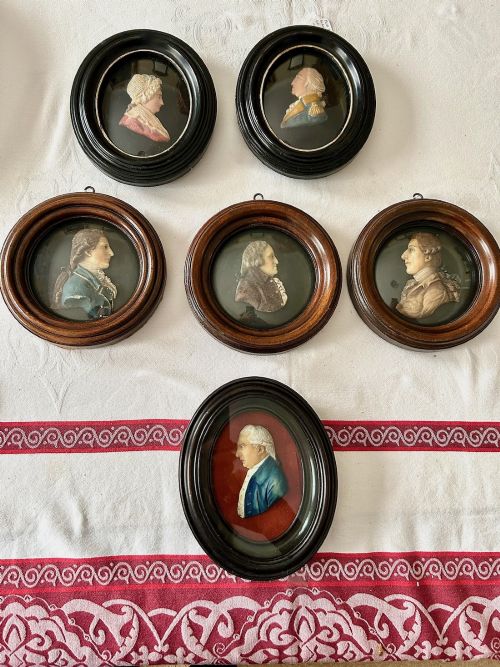
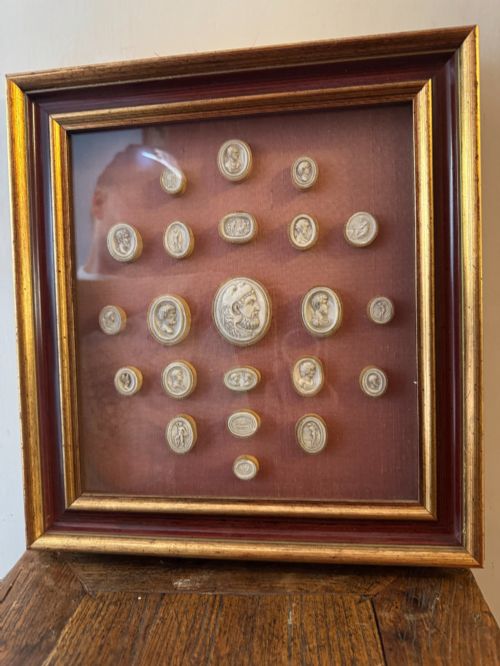
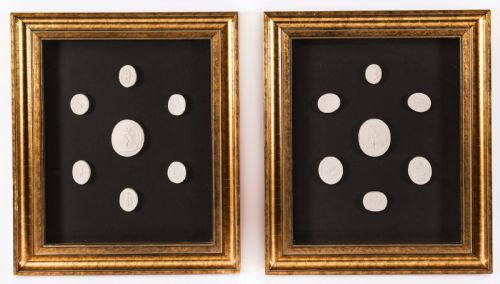
An antique cameo collection brings classical antiquity straight to your wall, offering framed groupings of intricately cast plaster, glass, and wax profiles.
Antique Cameo Collection
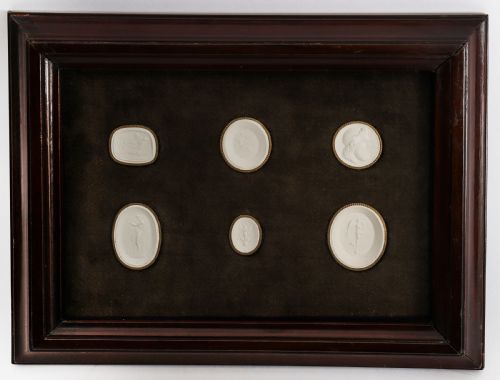
An antique cameo collection comprises framed groupings of classical intaglios, plaster casts, and profile medallions gathered during the eighteenth and nineteenth centuries. These framed wall art pieces typically originate from the Grand Tour era, capturing mythological figures, historical dignitaries, and ancient sculptures.
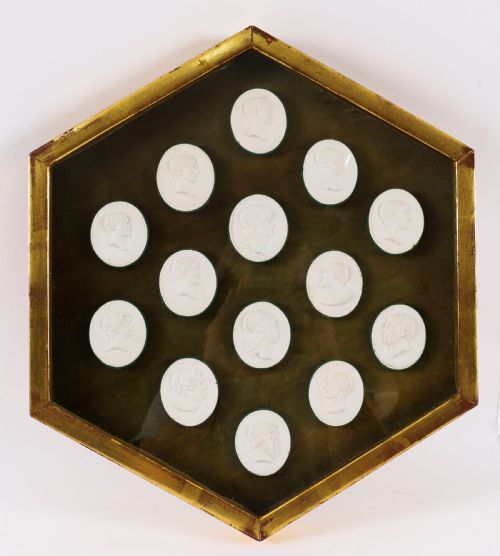
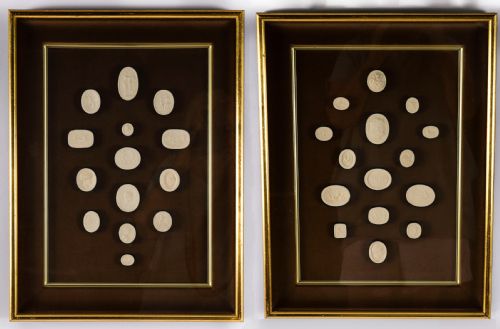
Buyers most frequently encounter nineteenth-century giltwood or box-framed panels housing multiple plaster, glass, or gypsum intaglios. These decorative objects display Neoclassical and Regency aesthetics, preserving miniature works of art intended for scholarly study and sophisticated display.
Materials and construction methods
Artisans produced these detailed casts primarily using plaster, gypsum, wax, and glass, often setting the miniature profiles against contrasting fabric or velvet backgrounds. Plaster cast medallions were painstakingly poured from moulds taken directly from ancient gems and Italian sculptures.
Framing these collections required bespoke carpentry, utilising gilt wood, giltwood, and paper mounts to protect and elevate the delicate intaglios. Workshops arranged sets symmetrically within shadow boxes or wall panels to display the varied profiles effectively.
Travellers brought home thirty-five miniature profiles of Roman emperors just to prove they reached the ruins.
Distinctions in quality and execution
The sophistication of the mounting distinguishes finer panels, utilising carefully selected velvet or fabric backings alongside substantial giltwood frames. The reputation of the maker, such as Giovanni Liberotti or Pietro Bracci, further elevates the desirability and historical significance of the grouping.
Giovanni Liberotti·Pietro Bracci·Wedgwood
The Antique Cameo Collection Glossary
- Intaglio
- A gem or stone carved with a design that is depressed below the surface, allowing it to act as a seal when pressed into wax. Plaster impressions taken from these form the basis of many framed collections.
- Grand Tour
- A traditional trip through Europe undertaken by upper-class European young men of means in the eighteenth and nineteenth centuries to flourish their education. Travellers frequently collected plaster casts and intaglios as tangible proof of their cultural pursuits.
- Gypsum
- A soft sulphate mineral used to create durable plaster casts of classical antiquities. Gypsum casts offer a matte, stone-like finish that mimics carved marble.
- Giltwood
- Wood carved and covered with a thin layer of gold leaf or gesso preparation. It provides ornate framing for many nineteenth-century wall art collections.
Antique Cameo Collection: Frequently Asked Questions
How were framed intaglios displayed?
These collections were traditionally arranged symmetrically inside shadow boxes, glazed panels, or custom giltwood frames. They hung upon study and drawing room walls where guests could inspect the intricate classical motifs closely.
The fragile nature of plaster and wax medallions required enclosed framing, often backed with velvet or fabric, to protect the delicate casts from dust and physical damage while enhancing their visual contrast.
What materials make up these collections?
The individual profiles and intaglios are formed from plaster, gypsum, glass, wax, and jasperware. These materials allowed workshops to replicate the appearance of carved gems and ancient stone reliefs accurately.
The surrounding frames and mounts incorporate gilt wood, giltwood, paper, fabric, and velvet. This combination of materials secured the fragile medallions firmly in place while providing an opulent border suited to Regency and Neoclassical interiors.
How do I identify a nineteenth-century piece?
Nineteenth-century pieces typically display Regency or late Neoclassical stylistic traits, utilising specific framing techniques like box-framed giltwood and traditional paper backing. The materials, such as specific plaster compositions and velvet mounts, reflect the manufacturing standards of the period.
Signatures or attribution labels on the reverse sometimes identify renowned workshops or makers associated with the Grand Tour trade, confirming the date and origin of the set.