
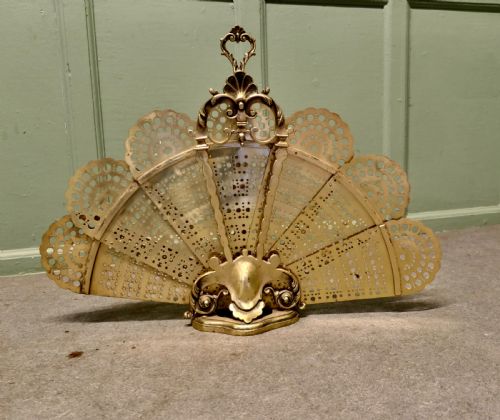

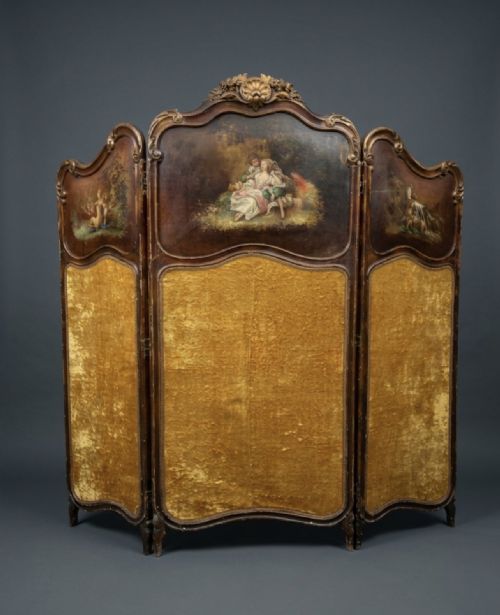


A 2026 Guide by Sellingantiques

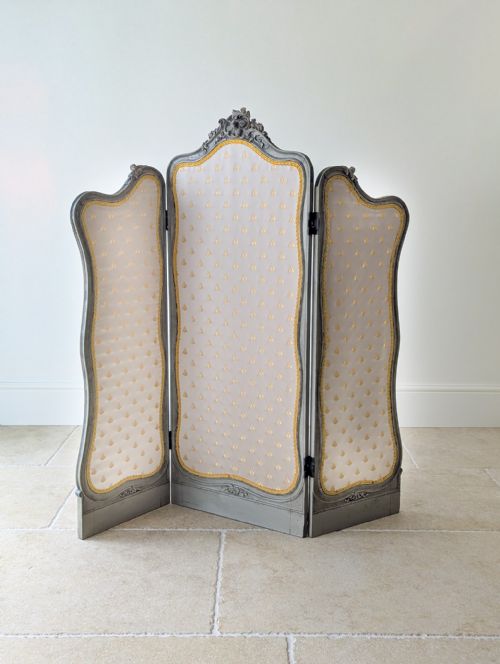
Edwardian Three Fold Screen Folding Mahogany Inlaid Triple Panel Dressing Room Vanity Room Divider, Edwardian
Priced at £500 from CJ Antiques
Early practical origins. People relied on them to block icy draughts in large domestic halls before central heating.
Look at the evolution over time. Eighteenth-century examples became elaborate status symbols rather than just functional windbreaks.
Antique screens often migrated between rooms depending on the season and the household needs.
Many surviving Georgian pole screens stood close to the hearth to stop wax makeup melting on wealthy faces.
Specific cabinetmakers rarely signed domestic antique screens. Most came from anonymous regional workshops serving the local gentry.
Coromandel screens from China. European merchants imported these heavy incised lacquer panels during the late seventeenth century.
Thomas Chippendale supplied bespoke pole screens, though identifying his exact workshop output requires strong original billing records.
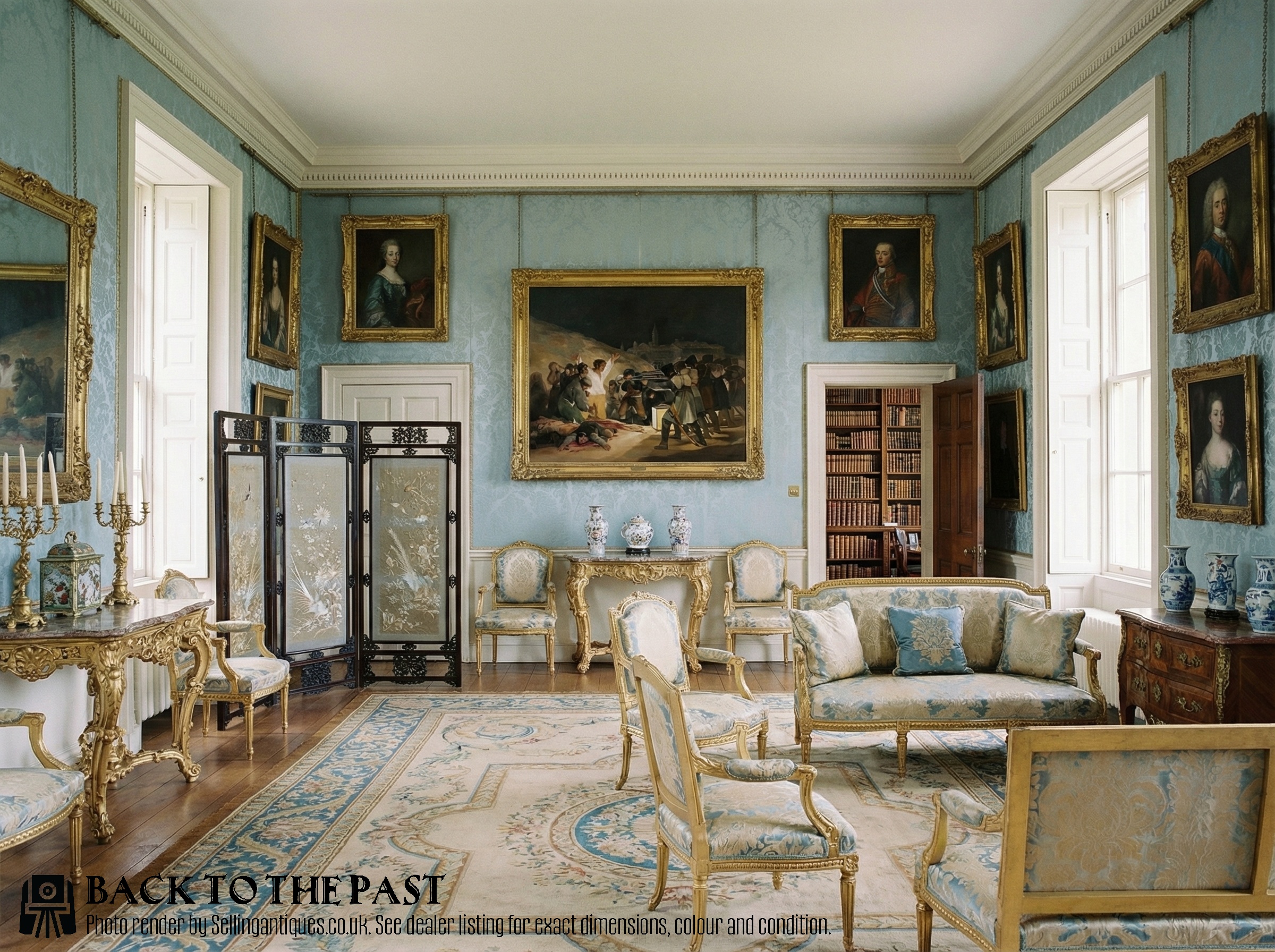
Chinese Silk Screen, 1860
Priced at £1,995 from Midwinter Antiques
The 2026 retail price guide for Antique Screens is drawn from a proprietary archive of over 1.1 million retail prices indexed by Sellingantiques since 2003. This guide relies exclusively on their own internal data; no external sources or auction records are used.
Analysing nearly 25 years of UK antique market history alongside current retail values, the data indicates that typical UK retail prices for Antique Screens range between £400 and £2,300. Entry-level prices generally fall under £400 and premium examples upwards of £2,300.
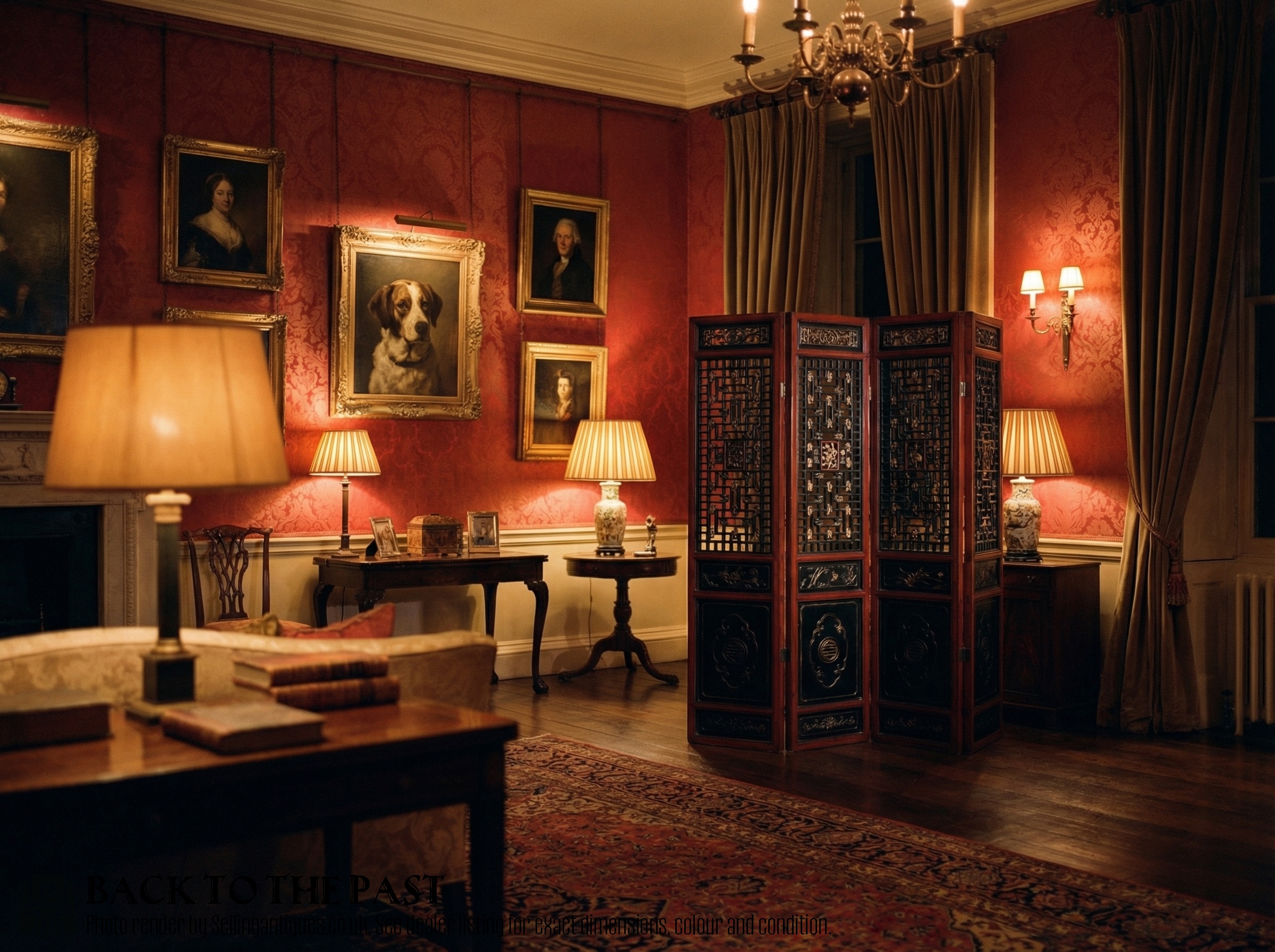
Freestanding folding frames often feature three to six tall panels connected by flexible hinges or leather straps.
Adjustable height mechanisms. Pole screens feature a sliding central panel mounted on a single upright shaft.
Notice the feet. Heavy castors or low bun feet sit at the base to aid movement across carpets.
Japanese Four-panel Folding Screen, 19th Century
Priced at £450 from Sinclairs Antiques and Interiors
Mortise and tenon joints hold the panel frames together for rigidity against daily handling.
Stretcher placement. Horizontal rails sit low down to brace the vertical stiles without adding too much weight.
Examine the needlework mounting. Craftsmen stretched the finished embroidery over a secondary pine board using tightly spaced iron tacks.
"Large domestic households sometimes used tall folding screens to create temporary intimate dining spaces within vast echoing halls."
"Needlework panels. Many Georgian examples contain embroidery completed by the female members of the family who commissioned the piece."
"Admire the painted leather panels. Some workshops spent weeks applying thin glazes over silver leaf to imitate imported Asian lacquer."
Based on almost 25 years of Sellingantiques UK antique market data, Antique Screens appeared 3028 times (out of 1,100,000 antiques) which gives it a rarity score of 55/100.
This score measures scarcity within the Sellingantiques archive only and is not a survey of the entire antiques market, so these statistics may not be indicative of the general availability of Antique Screens elsewhere.
Most solid timber folding screens are surprisingly cumbersome to move. The combination of dense oak or mahogany frames and thick secondary structural boards adds up quickly.
You should expect a four-panel wooden piece to require two people to lift safely. Lighter examples usually feature fabric or paper panels instead of solid timber leaves.
Yes, upholsterers regularly replace degraded textiles in antique screens. The inner slip frame simply taps out from the back, allowing new fabric to be stretched and tacked over the wooden core.
Multi-panel folding screens handle uneven floors quite well. The zigzag formation creates a wide, stable footprint that naturally absorbs slight height differences across old floorboards.
For added stability, you just angle the outer leaves slightly inward. A flat, straight line will wobble on a wonky floor, but an angled concertina shape rarely falls over.
The safest approach for historic needlework is simple low-suction vacuuming. Place a piece of mesh screen over the upholstery nozzle and gently hover it across the surface to lift loose dust without pulling the delicate threads.
Avoid liquid cleaners or damp cloths. Old silk and wool dyes can bleed rapidly when wet, and moisture will encourage mould in the backing board.
Please note: This Antique Screens guide and its associated pricing data are provided for general informational purposes only. It does not constitute formal financial, investment, or appraisal advice and should not be relied upon as the sole basis for any commercial activity, purchasing, or sales decisions. Sellingantiques.co.uk accepts no liability for any actions taken in reliance on this information. Always consult with a qualified professional or independent appraiser.
