


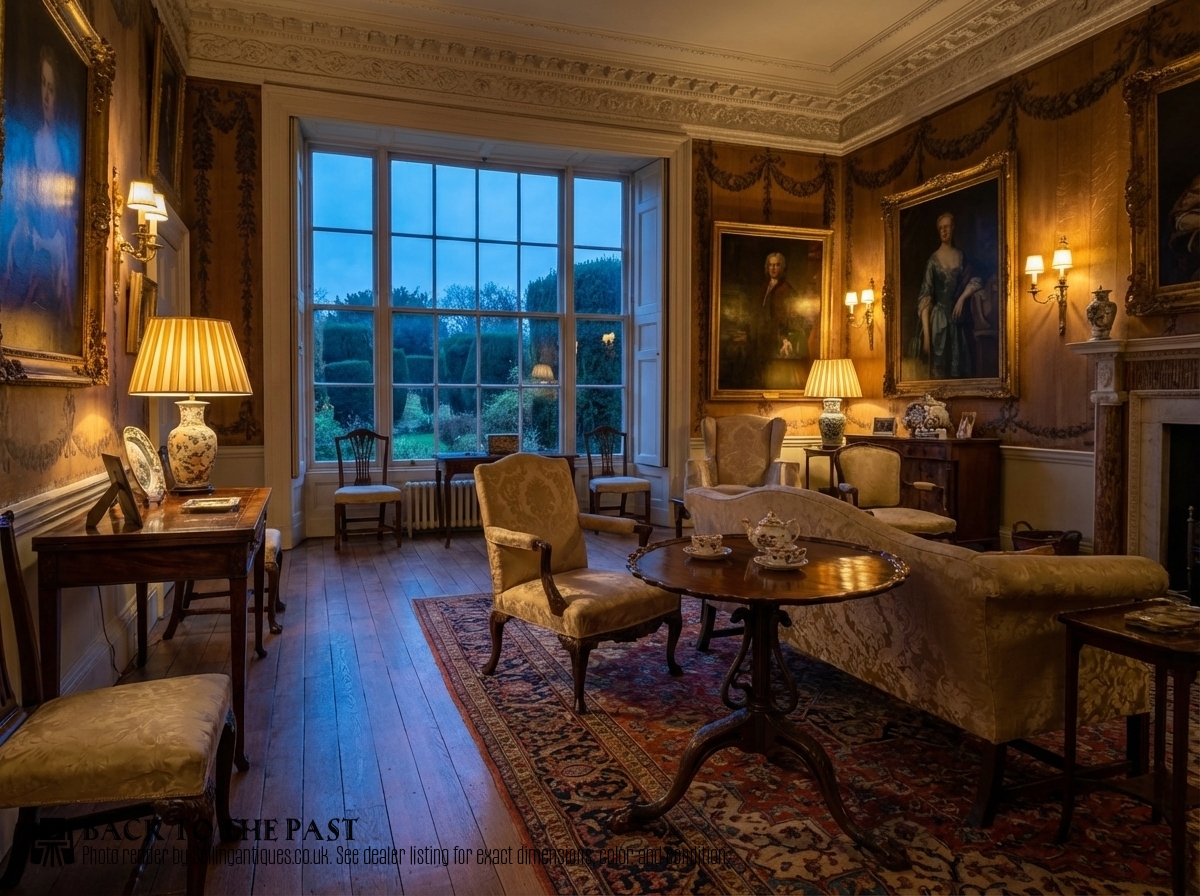
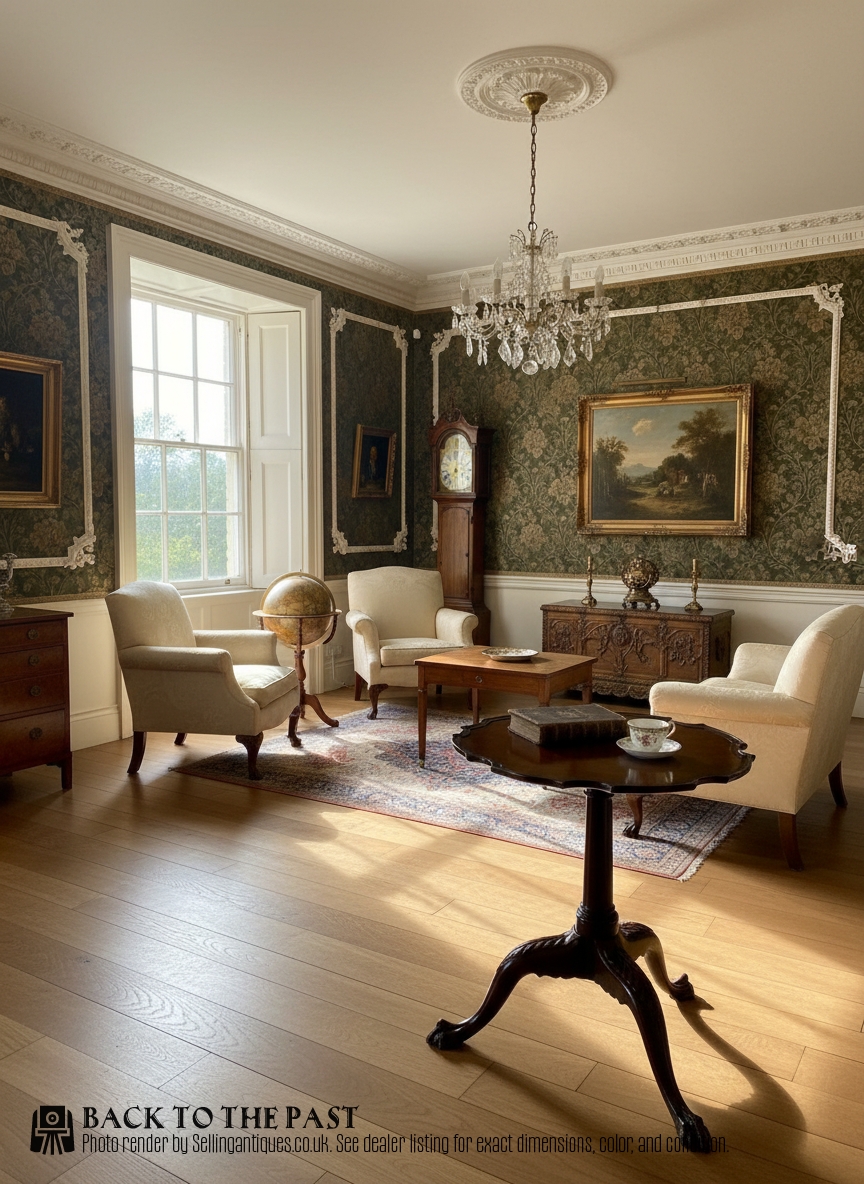
A 2026 Guide by Sellingantiques
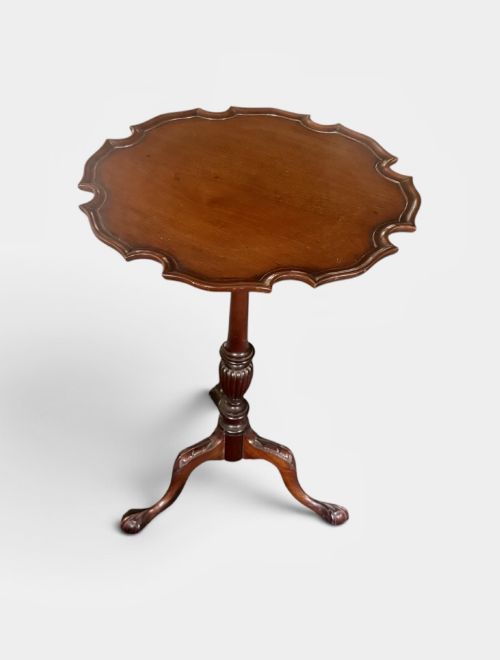
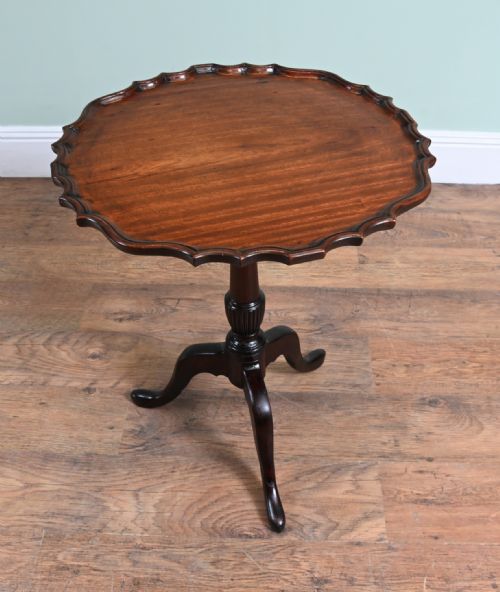
Very Good Mahogany Pie Crust Occasional Table, 1880
Priced at £895 from Fernyhough Antiques Ltd
Antique pie crust tables first appeared in Britain during the early Georgian period as tea consumption took hold.
Wealthy households required new types of movable furniture to serve their guests.
Practical protection. The distinct carved rim kept expensive imported porcelain teacups from sliding off.
Look closely at how the form developed from simpler tripod designs into major status symbols by the middle of the century, reflecting the growing importance of domestic entertaining.
Thomas Chippendale published engraved designs for these tripod forms in his pattern books during the 1750s.
Gillows of Lancaster. This northern firm produced high quality versions throughout the late eighteenth century.
Unsigned examples abound. Provincial cabinetmakers frequently copied London styles to satisfy local demand, leaving many well-made pieces without any documented connection to a specific workshop or maker.
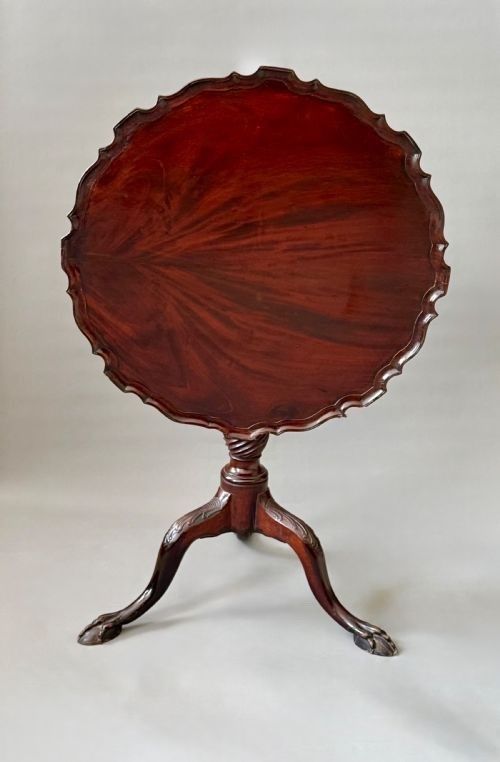
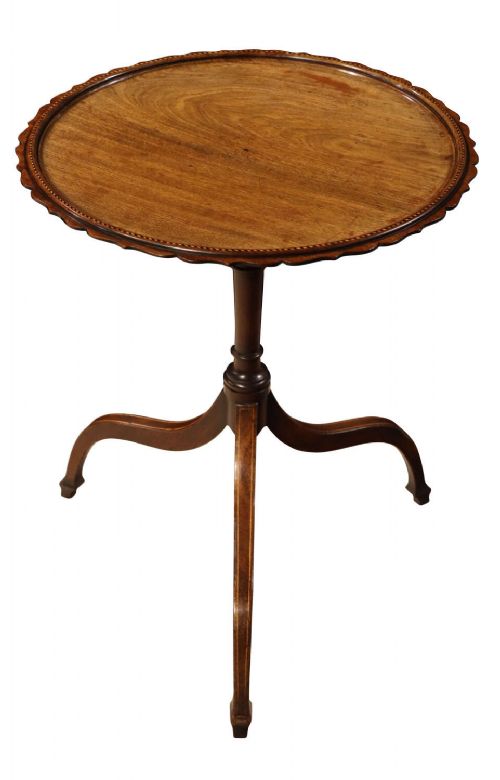
Antique George III Quality Mahogany Pie Crust Edge Centre Table, 1800
Priced at £1,285 from London City Antiques
The 2026 retail price guide for Antique Pie Crust Tables is drawn from a proprietary archive of over 1.1 million retail prices indexed by Sellingantiques since 2003. This guide relies exclusively on their own internal data; no external sources or auction records are used.
Analysing nearly 25 years of UK antique market history alongside current retail values, the data indicates that typical UK retail prices for Antique Pie Crust Tables range between £500 and £2,900. Entry-level prices generally fall under £500 and premium examples upwards of £2,900.
Carved from the solid. The defining raised edge isn't applied as a separate moulding on proper period pieces.
A tilt-top mechanism lets the surface latch vertically so you don't take up floor space when the piece sits against a wall.
Examine the underside to find a birdcage fitting that allows the table to rotate freely, making it much easier to serve drinks to seated guests.
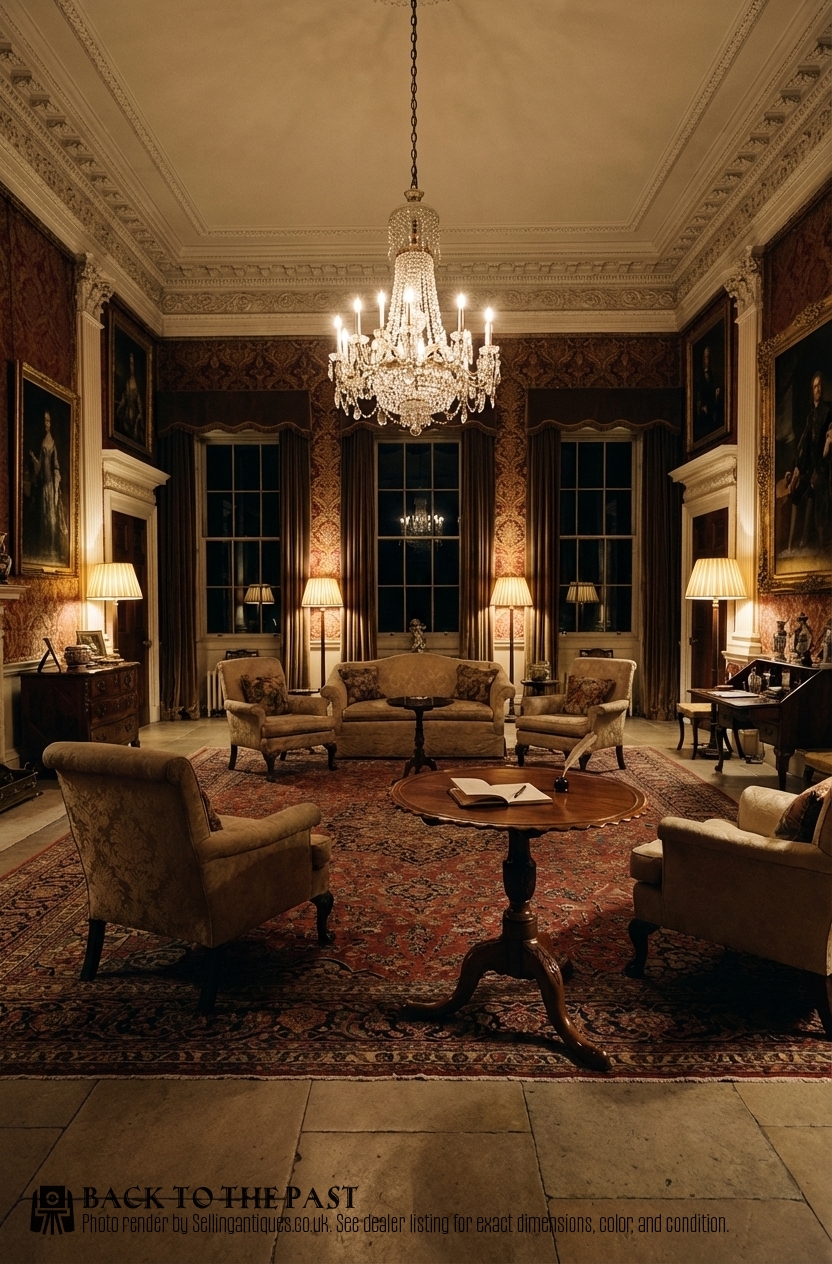
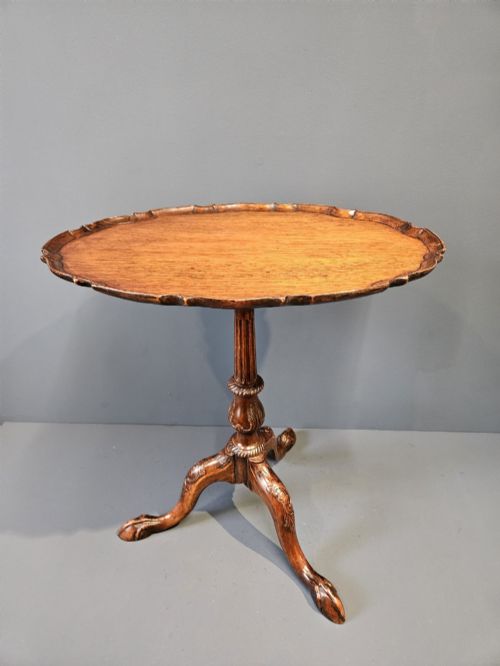
19th Century Pie Crust Edge Snap Top Supper Table, 19th Century
Priced at £375 from Sinclairs Antiques and Interiors
Removing material from the centre of a thick board leaves the scalloped edge standing proud, demanding skill to ensure the rim remains even around the circumference.
Lathe turning shaped the central column into various urn or vase profiles before assembly.
Feel the joints. Legs connect to the base block with sliding dovetails cut into the wood.
"The intricate edge profile casts dynamic shadows by candlelight during evening entertaining."
"Regional cabinetmakers sometimes created hybrid edges blending the pie crust with a simpler plain dish top."
"Spin the top. This rotation let everyone reach the sugar bowl without leaving their seat, improving the flow of conversation."
Based on almost 25 years of Sellingantiques UK antique market data, Antique Pie Crust Tables appeared 314 times (out of 1,100,000 antiques) which gives it a rarity score of 94/100.
This score measures scarcity within the Sellingantiques archive only and is not a survey of the entire antiques market, so these statistics may not be indicative of the general availability of Antique Pie Crust Tables elsewhere.
The birdcage sits between the top and the central column. It consists of two square wooden blocks joined by small turned pillars.
A wooden pin holds the cage to the column, allowing it to spin. Wooden hinges connect the top to the cage, letting it tilt upwards.
Georgian homes featured multi-purpose rooms without fixed furniture arrangements. Chairs and tables were shifted around depending on the time of day.
When not needed, the top was flipped up. The table was then pushed against the skirting board to open up the floor.
It is a flat metal brace screwed underneath the base block.
Cabinetmakers added these iron plates to support the dovetailed legs and stop them breaking under the heavy weight of the top.
The complexity comes down to changing fashions and regional tastes. Early forms often featured a plain raised rim known as a dish top. Carvers later experimented with repeating scalloped patterns.
London workshops usually produced the most intricate designs. Country makers often simplified the edge to speed up production or match local preferences.
Both styles were made during the same period to suit different budgets.
Please note: This Antique Pie Crust Tables guide and its associated pricing data are provided for general informational purposes only. It does not constitute formal financial, investment, or appraisal advice and should not be relied upon as the sole basis for any commercial activity, purchasing, or sales decisions. Sellingantiques.co.uk accepts no liability for any actions taken in reliance on this information. Always consult with a qualified professional or independent appraiser.
