43,987  PAGES BROWSED TODAY PAGES TODAY • 221 ANTIQUES UPLOADED TODAYNEW ARRIVALS
GIFTS
221 ITEMS ADDED TODAY
Sort Order
Items Per Page
Browse Categories
Sort order
Relevant Links
Items per page
ID #SA1080776
FOR SALE
£1,800
Email Phone
Save
19th Century Antique Centre Table by James Winter of Wardour Street in London
For sale by The Fine Art Fund
for sale €2,106     $2,286
£1,800

The Fine Art Fund

Sellingantiques Verified Since Feb 2024
Browse dealers 73 items
  • About Us
    We source top quality georgian and regency fine furniture made in the united kingdom by the best cabinet makers of the time.
Id #SA1080776
PDF SHARE
SAVE

19th Century Antique Centre Table by James Winter of Wardour Street in London

19th century
Description

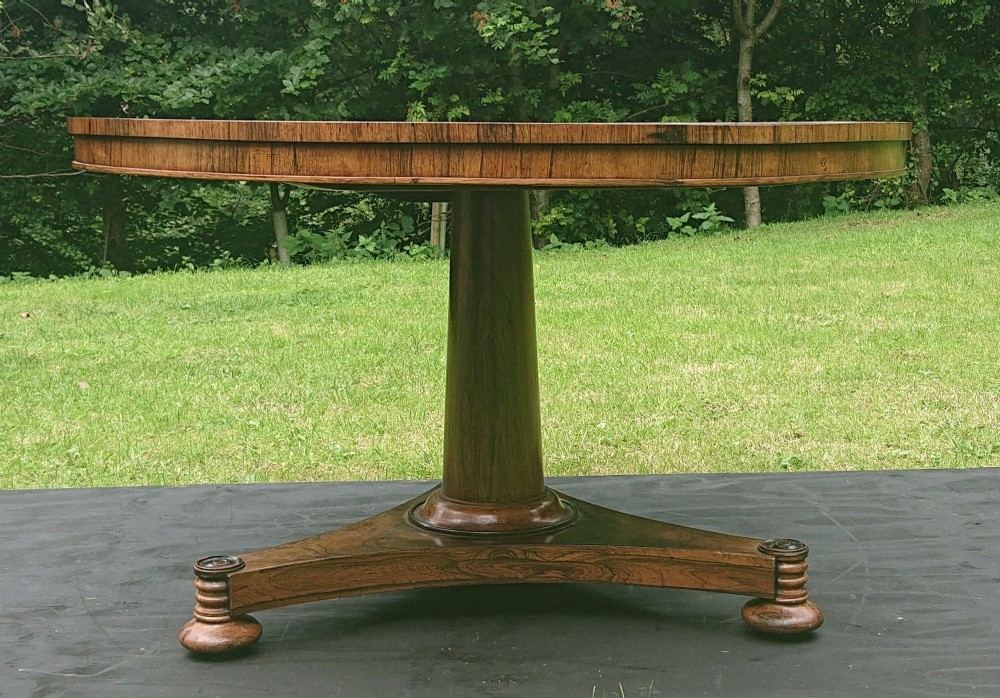
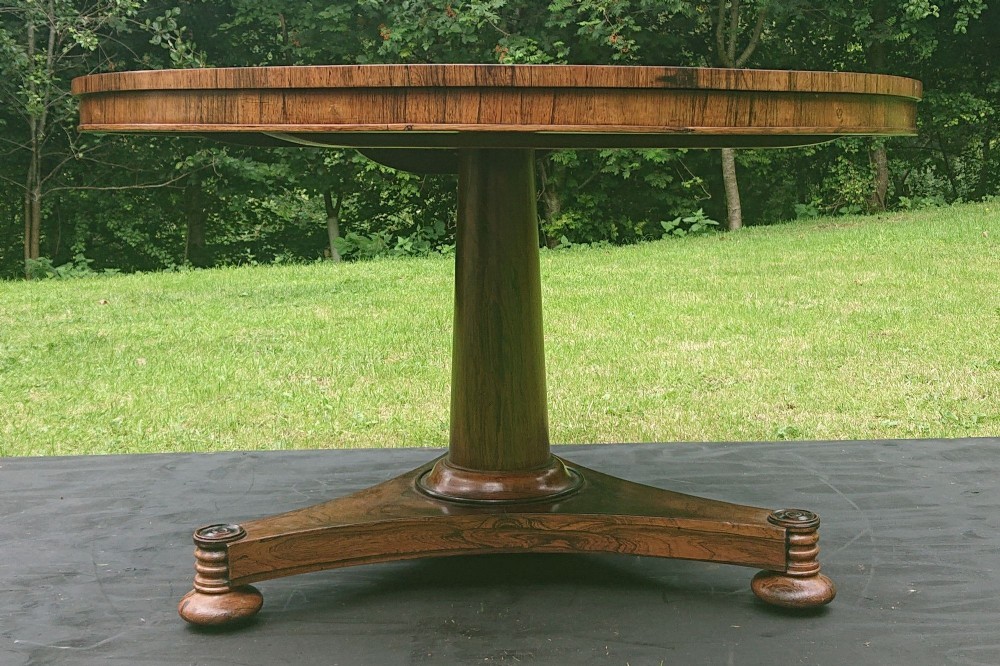
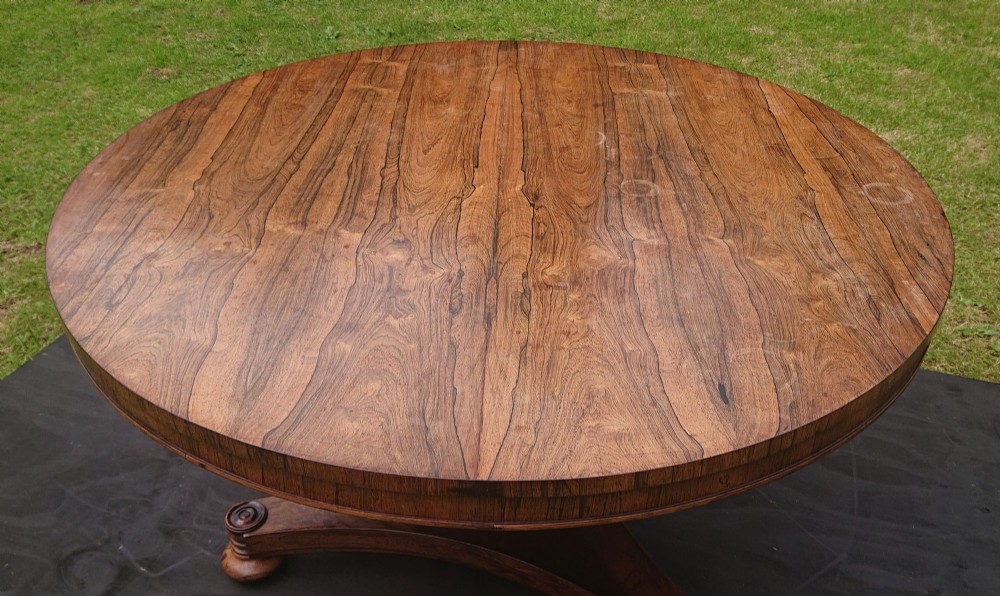
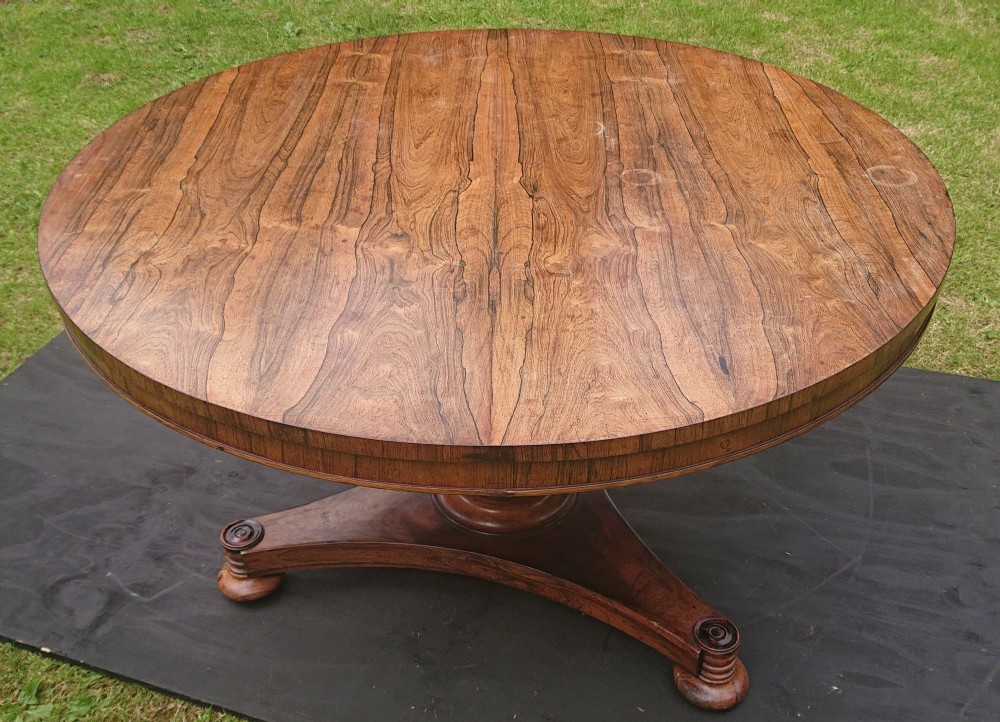
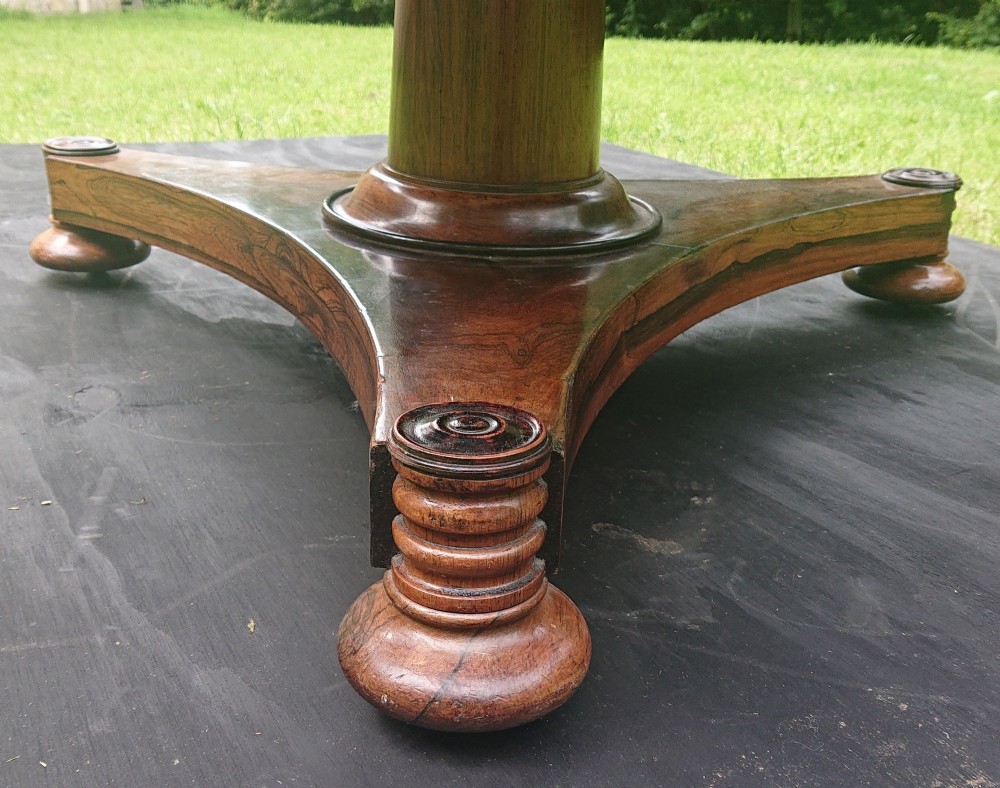
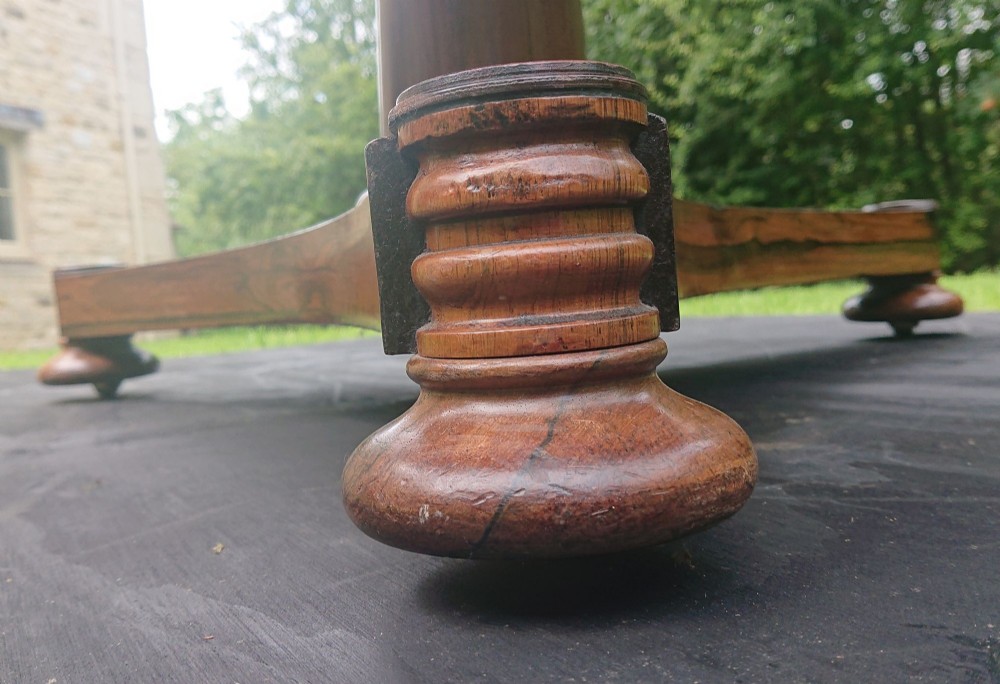
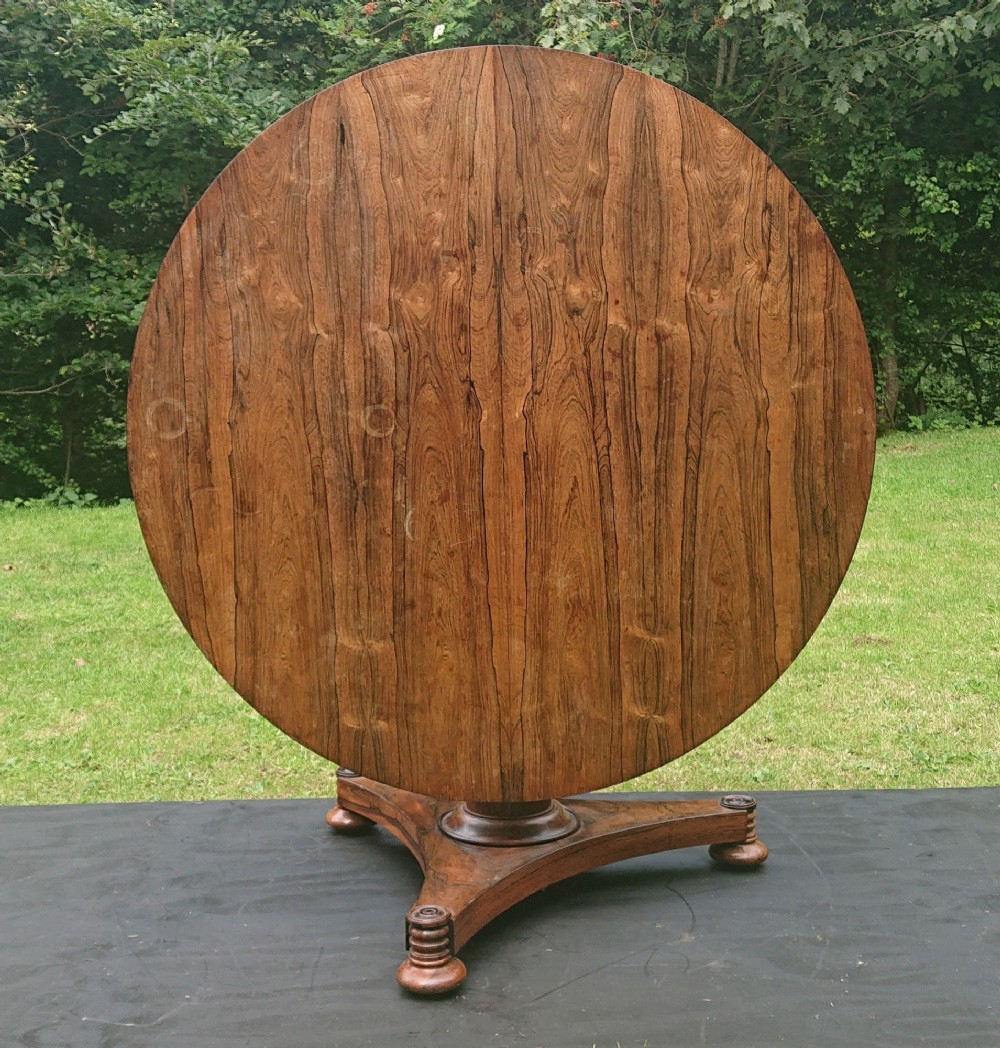
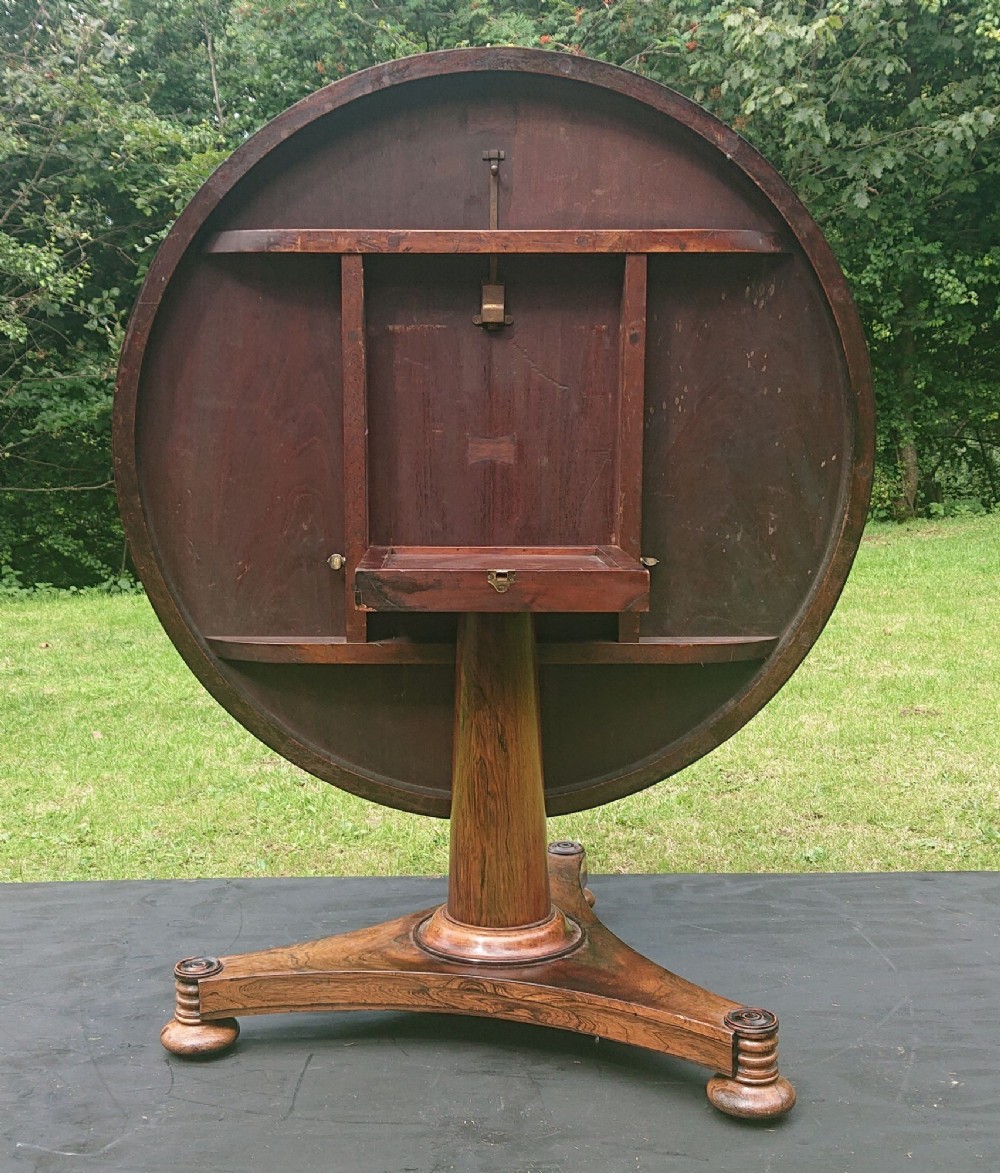
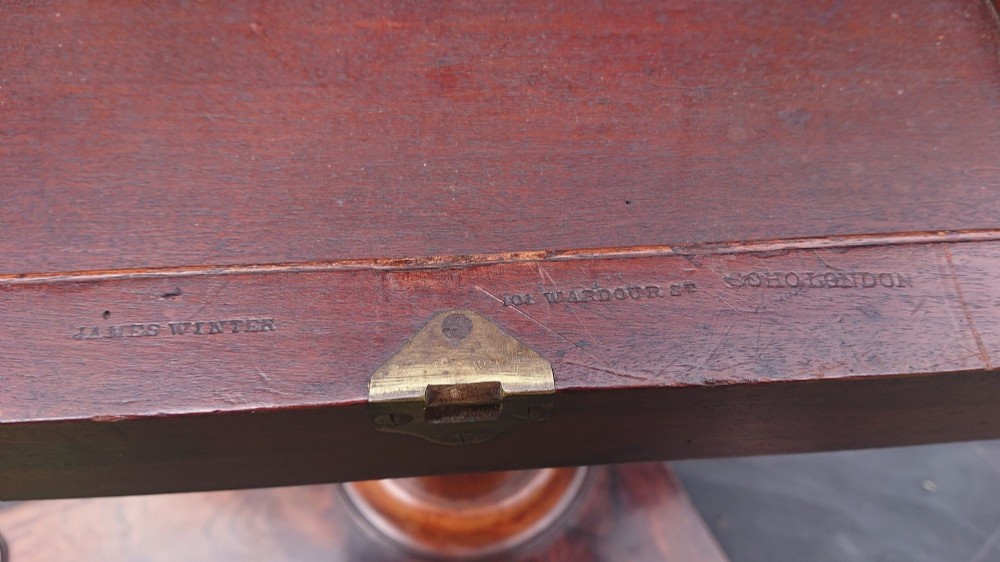
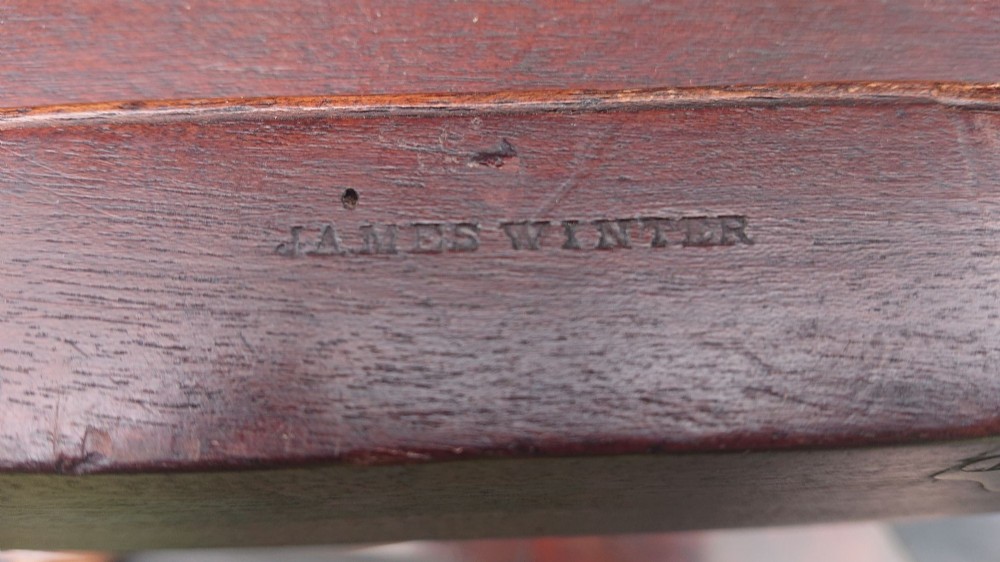
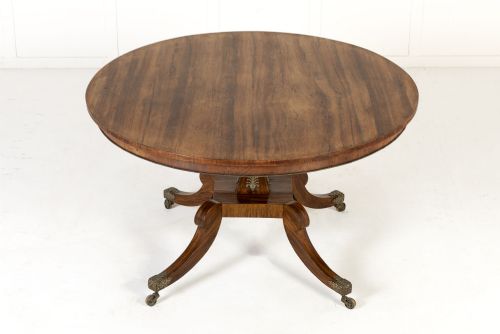
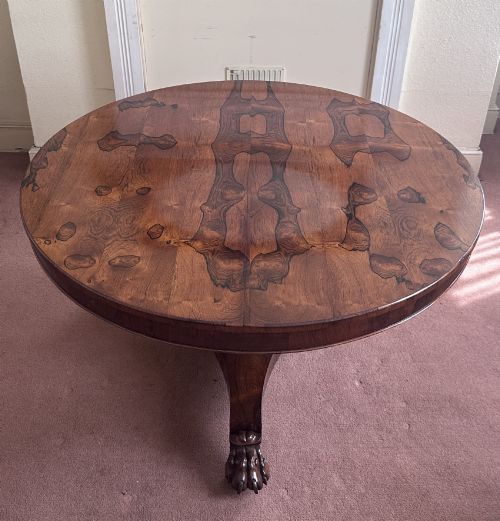
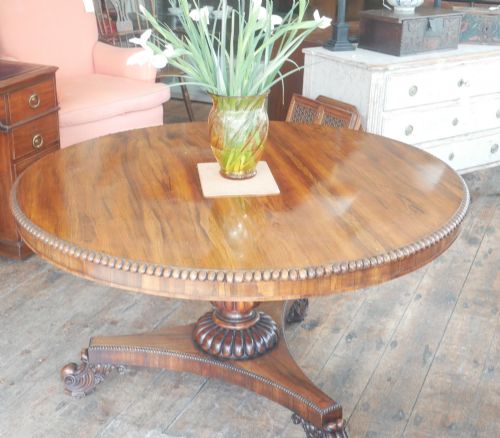
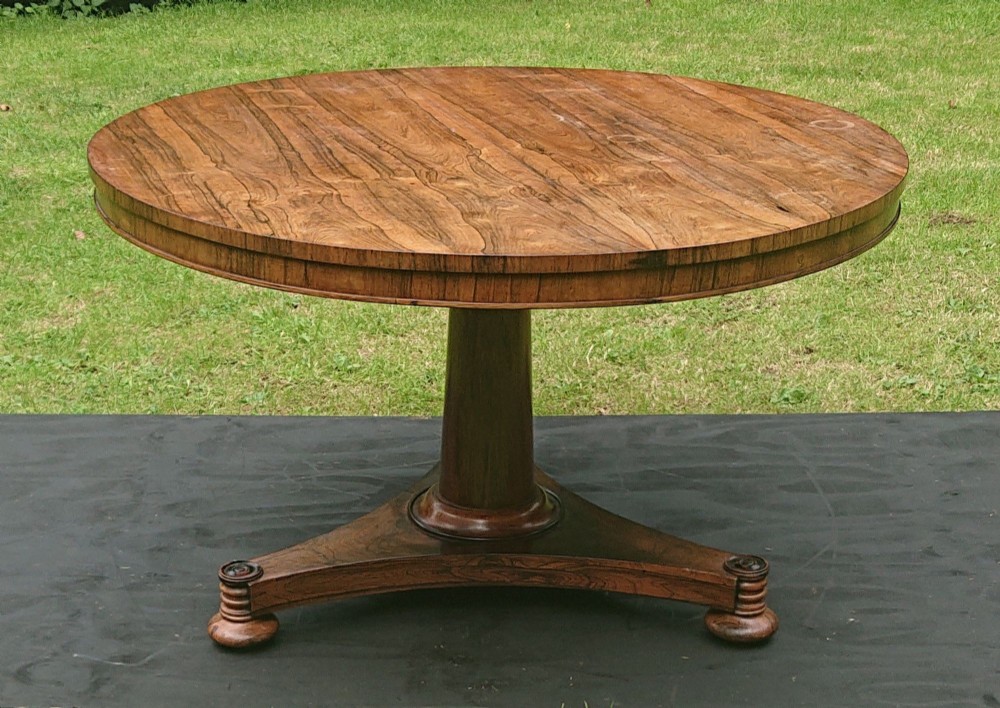
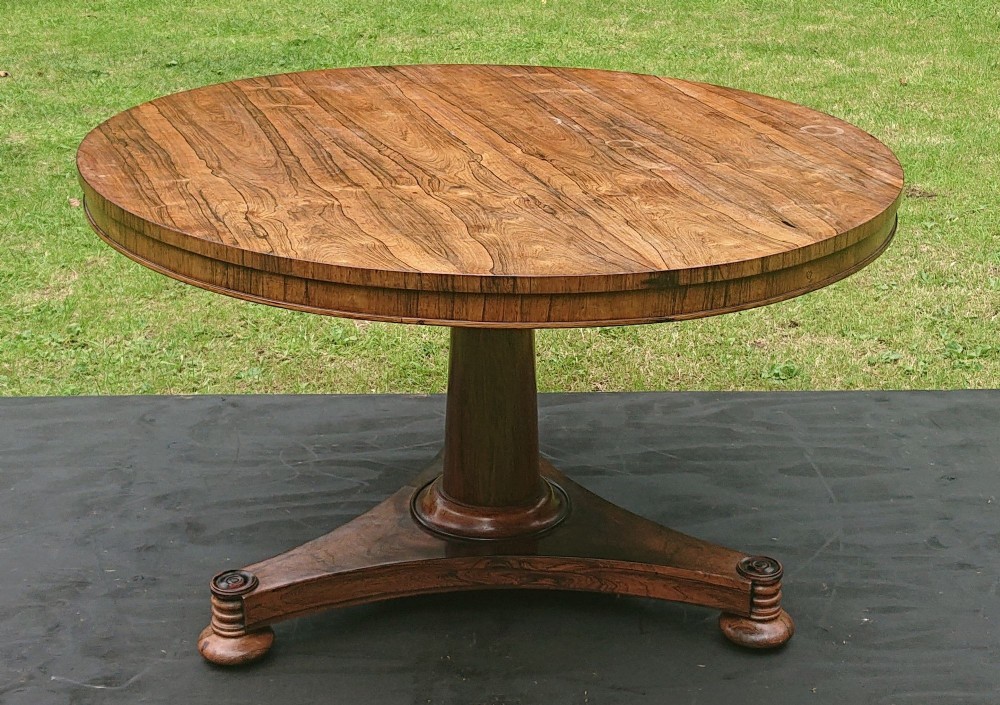
Very fine quality centre table bearing the earliest stamp of the firm James Winter of 101 Wardour Street, London. This table was made before their move to larger premises around 1840 so is most likely to have been made during the reign of William IV 1830 to 1837. This table has faded to a desirable light honey colour which shows of the variety of tone in the grain pattern to great effect. The veneers are "book matched" in order to appear symmetrical in application and pleasing to the eye. The proportions of the table are typical of the early 19th century pre Victorian period, with slender column, thin frieze, elegant outstretched platform legs and turned feet reminiscent of the classical designs which were popular at the period. The modern observer might also be pleased by the restrained design and lack of carved detail both of which ensure that this table will suit a variety of environments whether period or modern. The top tilts and is removable and there are casters hidden in the feet so it can be easily moved as necessary.

TF072

Physical Dimensions
Width
121.9cm (47.99")
Declaration

The Fine Art Fund has dated this Antique Rosewood Centre Table to the 19th Century.

Reference Numbers
Sellingantiques Reference
SA1080776
Dealers Internal Reference
TF072
Dealers Notes

Please call, text or WhatsApp (instead of email) to get in contact with any questions. We are here to help!

Description
Very fine quality centre table bearing the earliest stamp of the firm James Winter of 101 Wardour Street, London.
“
This table was made before their move to larger premises around 1840 so is most likely to have been made during the reign of William IV 1830 to 1837.
The Fine Art Fund

This table has faded to a desirable light honey colour which shows of the variety of tone in the grain pattern to great effect. The veneers are "book matched" in order to appear symmetrical in application and pleasing to the eye. The proportions of the table are typical of the early 19th century pre Victorian period, with slender column, thin frieze, elegant outstretched platform legs and turned feet reminiscent of the classical designs which were popular at the period. The modern observer might also be pleased by the restrained design and lack of carved detail both of which ensure that this table will suit a variety of environments whether period or modern. The top tilts and is removable and there are casters hidden in the feet so it can be easily moved as necessary.

TF072

Width
121.9cm (47.99")
Date of Manufacture

The Fine Art Fund has dated this Antique Rosewood Centre Table to the 19th Century.

Reference Numbers
Sellingantiques Ref
SA1080776
Dealers Internal Ref
TF072
The Fine Art Fund
Sellingantiques verified Since Feb 2024

We source top quality georgian and regency fine furniture made in the united kingdom by the best cabinet makers of the time.

Dealer Profile

You can view the stock and full dealer information on the The Fine Art Fund Profile Page
PDF SHARE
SAVE
A 19th-century circular rosewood centre table featuring a figured top, central pedestal column, and a concave triform platform base on compressed feet.
1 / 13
Archive I A 19th-century circular rosewood centre table featuring a figured top, central pedestal column, and a concave triform platform base on compressed feet.

19th Century Antique Centre Table by James Winter of Wardour Street in London
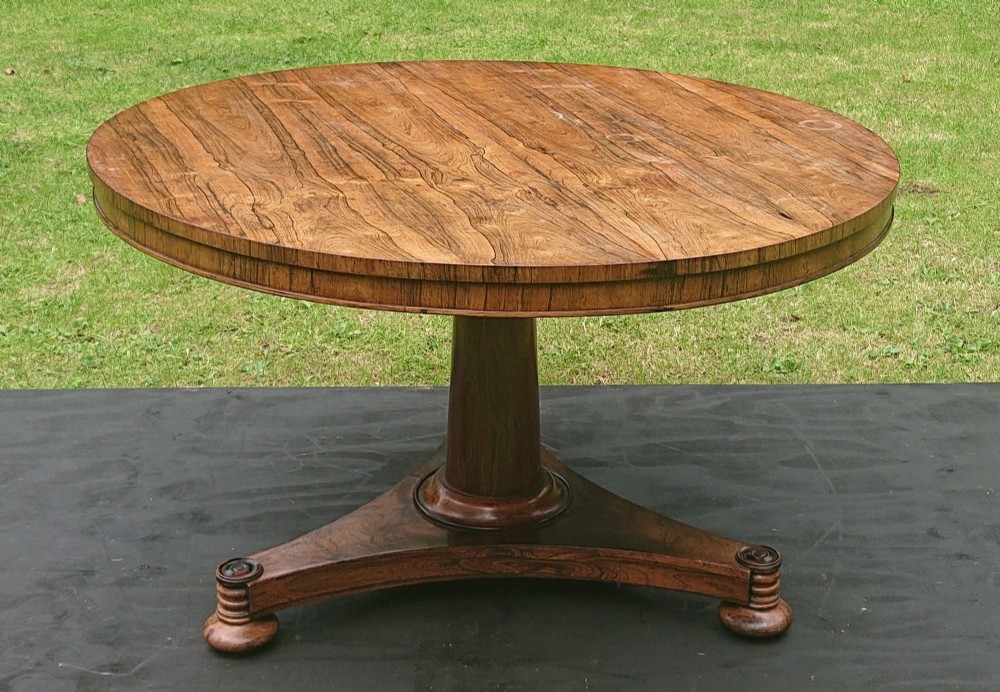
Archive II A 19th-century circular rosewood centre table featuring a figured top, central pedestal column, and a concave triform platform base on compressed feet. View II
Archive III A 19th-century circular rosewood centre table featuring a figured top, central pedestal column, and a concave triform platform base on compressed feet. View III
Archive IV A 19th-century circular rosewood centre table featuring a figured top, central pedestal column, and a concave triform platform base on compressed feet. View IV
Archive V A 19th-century circular rosewood centre table featuring a figured top, central pedestal column, and a concave triform platform base on compressed feet. View V
Archive VI A 19th-century circular rosewood centre table featuring a figured top, central pedestal column, and a concave triform platform base on compressed feet. View VI
Archive VII A 19th-century circular rosewood centre table featuring a figured top, central pedestal column, and a concave triform platform base on compressed feet. View VII
Archive VIII A 19th-century circular rosewood centre table featuring a figured top, central pedestal column, and a concave triform platform base on compressed feet. View VIII
Archive IX A 19th-century circular rosewood centre table featuring a figured top, central pedestal column, and a concave triform platform base on compressed feet. View IX
Archive X A 19th-century circular rosewood centre table featuring a figured top, central pedestal column, and a concave triform platform base on compressed feet. View X
Archive XI A 19th-century circular rosewood centre table featuring a figured top, central pedestal column, and a concave triform platform base on compressed feet. View XI
Archive XII A 19th-century circular rosewood centre table featuring a figured top, central pedestal column, and a concave triform platform base on compressed feet. View XII
Archive XIII A 19th-century circular rosewood centre table featuring a figured top, central pedestal column, and a concave triform platform base on compressed feet. View XIII
FURTHER BROWSING

Visitors also looked at these ⇣

Enlarged Archival View
Telephone 07860 350096
Location
Cotswold
Gloucestershire
United Kingdom
Verified Since Feb 2024
Items For Sale 73
Items Sold 18
The Fine Art Fund
Verified Since Feb 2024
View Dealer Info
Location: Cotswold, Gloucestershire, United Kingdom
Verified
Feb 2024
For Sale
73
Sold
18
A 19th-century circular rosewood centre table featuring a figured top, central pedestal column, and a concave triform platform base on compressed feet.
19th Century Antique Centre Table by James Winter of Wardour Street in London
Ref: SA1080776
A 19th-century circular rosewood centre table featuring a figured top, central pedestal column, and a concave triform platform base on compressed feet.
Detail View 1
Detail View 2
Detail View 3
Detail View 4
Detail View 5
Detail View 6
Detail View 7
Detail View 8
Detail View 9
Detail View 10
Detail View 11
Detail View 12
Archival Detail
Every single antique dealer on our platform is individually approved by our internal team. We verify their professional trade history, ethical standards, and photographic quality to ensure a secure, high-standard buying environment. Upon joining, every dealer agrees to a strict 9-point code of conduct. While issues can occasionally arise, our dealers typically resolve them swiftly and directly with the buyer. In fact, since our founding in 2002, Sellingantiques has only had to step in to help resolve an issue on roughly five occasions—a true testament to the quality of our dealers and their dedication to your happiness.
Our dealers are highly experienced in packing and shipping fragile, high-value antiques. Because you are in direct contact with the dealer, you will be able to easily go through all available shipping and insurance options together to ensure your item arrives safely.
Antiques are the ultimate green purchase. By choosing historical pieces over newly manufactured goods, you completely eliminate the carbon footprint of modern mass production while preserving exceptional, timeless craftsmanship.
Written by Sellingantiques from the dealer’s photographs and listing
  • ObjectCentre Tables
  • Period19th century
  • StyleRegency
  • MaterialRosewood, Mahogany
  • ColourWarm Brown
  • MotifsTriform base, Central column pedestal, Circular top, Compressed bun feet
  • SizeW 121.9 cm (48 in)

This 19th-century Regency centre table originates from the London workshop of James Winter of Wardour Street and dates from the William IV period of 1830 to 1837. Formed from rosewood and mahogany veneers, the piece displays a light honey warm brown colour with book-matched figuring across the circular top. The construction includes a slender central column pedestal rising from a concave triform base supported by turned, compressed bun feet. Visible elements include a plain moulded frieze edge, vertical timber graining on the column, and ribbed turning rings above each foot. The table measures 121.9 cm wide and features a tilting, removable top alongside concealed casters. In a contemporary home, this freestanding table works effectively as a central hall display piece or a compact dining surface in reception spaces and libraries. The restrained, uncarved surface allows it to integrate into both period interiors and modern minimalist rooms. The structural arrangement accommodates flexible placement, while the compact footprint permits positioning in tighter residential layouts.

A centre table is a freestanding circular or octagonal table designed to occupy the middle of a room or entrance hall. Popularised during the Regency and William IV periods, these tables typically feature a central pedestal base and highly figured timber veneers.

Cabinetmakers during the early 19th century primarily used cuts of solid mahogany and exotic veneers such as rosewood, zebrawood, and birds-eye maple. Bases were frequently weighted with cast iron or solid timber blocks to balance the large circular tops.

Authentic pieces often feature makers stamps or paper labels placed on the drawer linings, underside of the top, or the base rim. Maker attributes such as stamped brass castors, period tilt-top brass catches, and hand-sawn veneer construction assist in verification.

In contemporary interiors, centre tables function as focal points in large entry foyers, open-plan living rooms, or wide staircases. They are commonly dressed with ceramic vessels, sculptural objects, or books to balance historical proportion with modern design.

Maintain rosewood furniture by keeping it away from direct sunlight and fluctuating heat sources to prevent veneer lifting or fading. Clean the surface with a dry microfibre cloth and apply high-grade beeswax polish once or twice a year to preserve the timber finish.
items
Add keywords to the filter
Price
£100
£250000
Era
Period
Style
Material
Origin
Stock Location
Recently Added
Online Payments
Categories