
Antique Signs
A sign is an announcement made to be read from a distance: an enamelled steel plate, a painted board, a cast iron street name or a carved figure hung outside a trade.
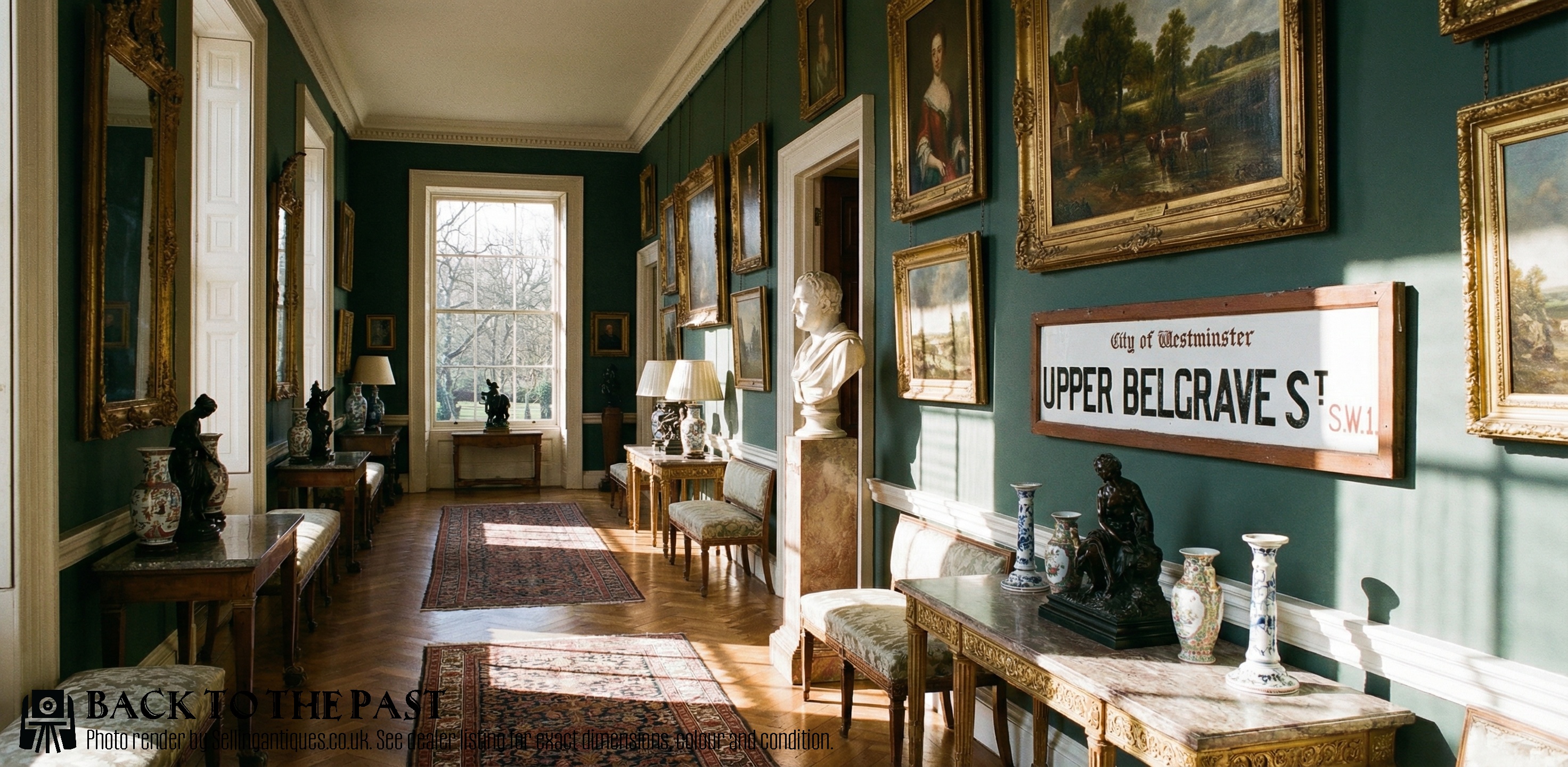
Antique Signs
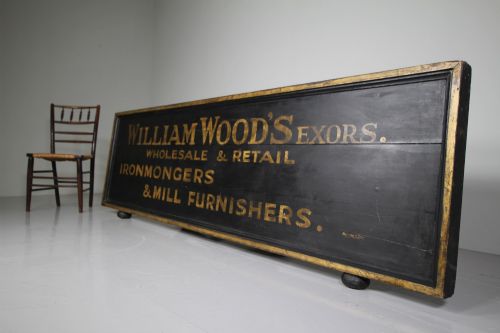
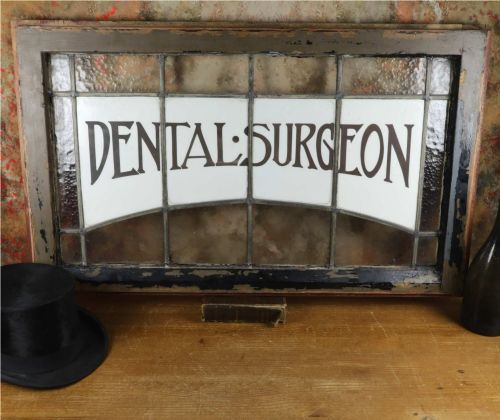
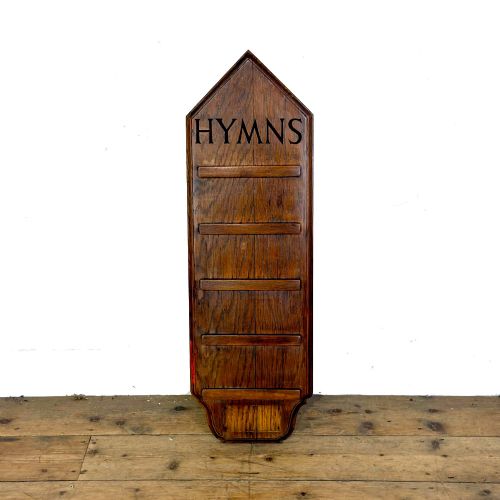
The heading covers trade, advertising, street, railway and premises signage. Physically that means vitreous enamel fired on steel, painted pine and oak boards, cast and wrought iron plates and brackets, etched and reverse-painted glass, painted sheet metal, and carved or modelled figural shapes. Sizes run from small door plates to boards described as 6ft high or 7ft long.
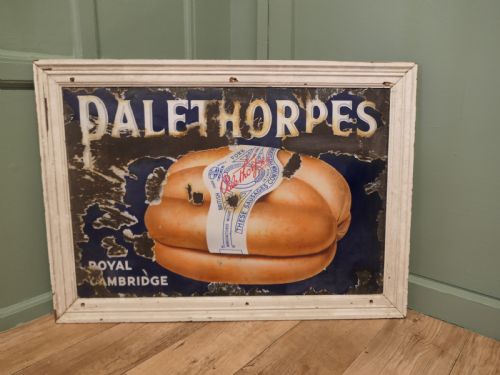
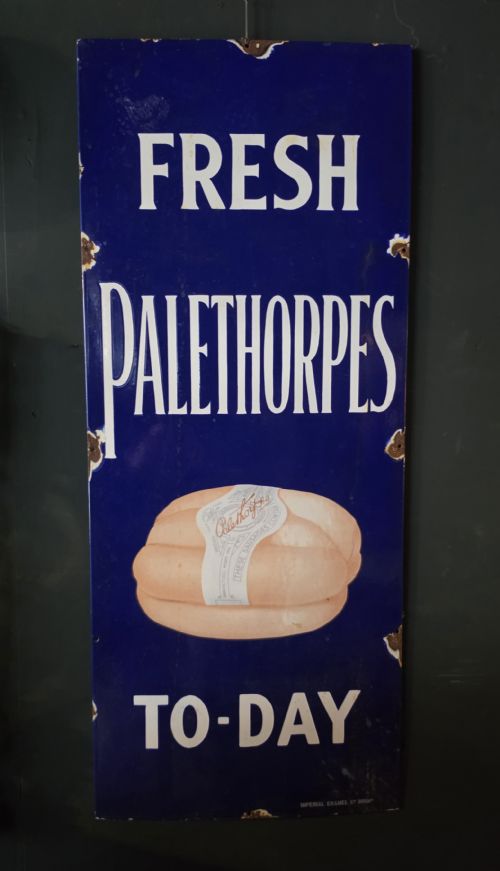
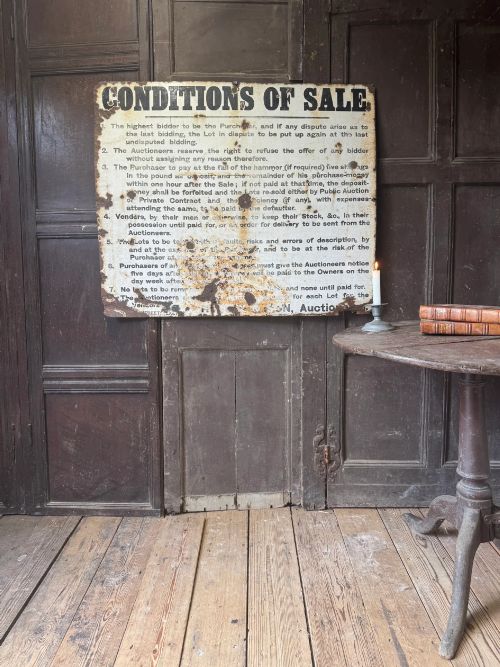
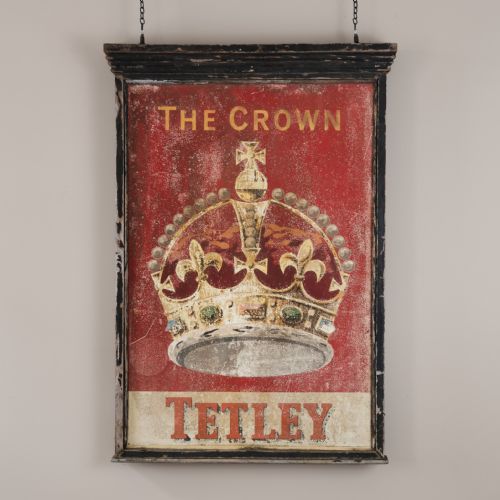
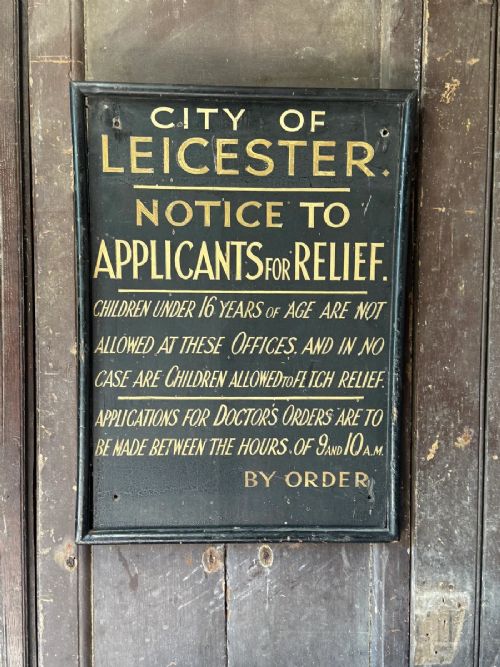
Enamel is the largest single strand. Advertising and premises plates account for a good share of the true signs on Sellingantiques, and around a fifth are painted wood or tin trade and shop boards, where the phrase "in original paint" recurs in the titles. Cast and wrought iron street, railway and warning plates make a third block, glass panels a smaller and distinct one.
Dating clusters in the interwar and Edwardian decades. The 1920s is the fullest decade in the archive, with the 1930s, 1910s and 1900s close behind. Anything before the 1880s is thin on the ground and post-war material is close to absent. Soft labels do a lot of work, with "19th Century" standing in as the date for a large block of listings.
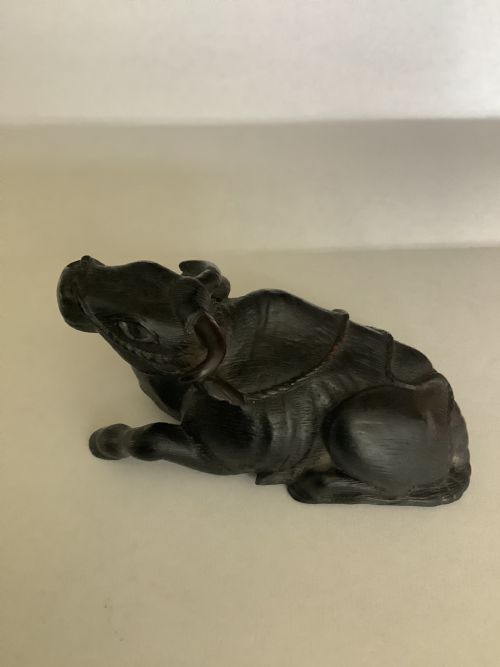
One in four titles contains the word "signed", and in this category that is usually a maker's or artist's signature on something that isn't a sign at all: Japanese okimono and netsuke, WW1 binoculars, Art Deco bookends and blades. French material is well represented too, from tabac and coiffeur boards to toleware hat and glove-maker's trade signs.
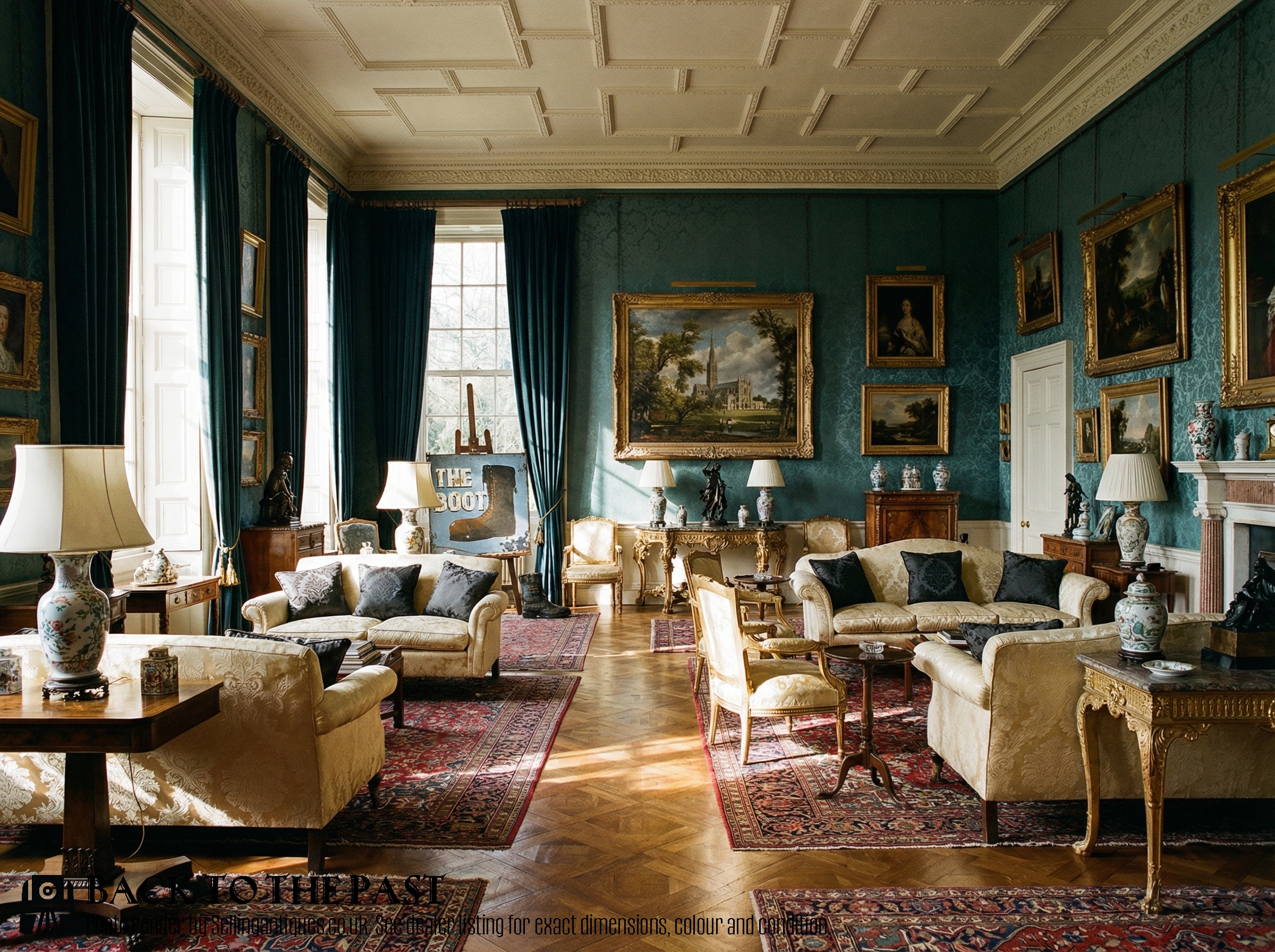
What Sets Them Apart
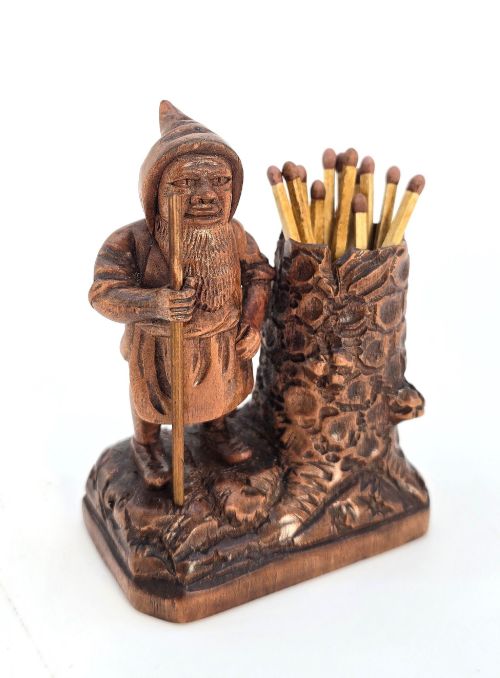
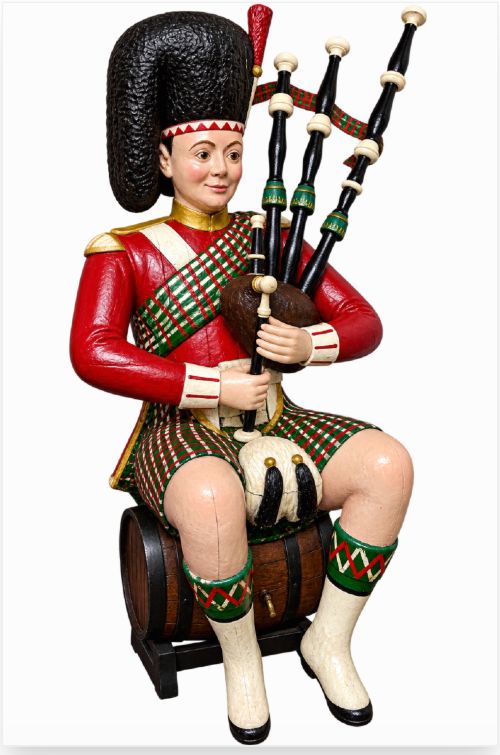
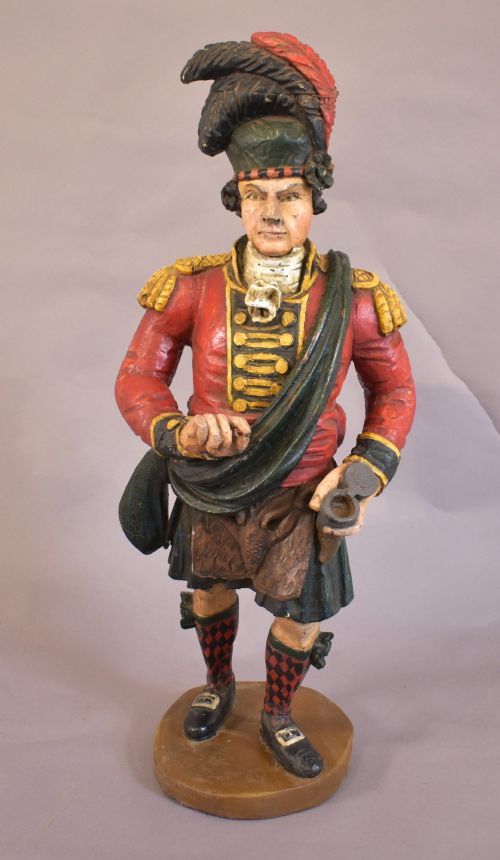
Scale and shape do most of the sorting. "Large" turns up in a tenth of titles, and the upper end reads huge, giant, life size, 6ft high, 7ft long, with one painted iron butcher's window pig given by weight at 16kg. Above that sit the figural signs: carved cigar-store figures, a Highland bagpiper, giant pocket watches, a giant shoe, pestle-and-mortar pharmacy signs. Flat lettered plates sit lower.
Being able to name what a sign advertised matters. Brand-named enamels and plates carrying a specific street, station or borough name read as documents of a place or a product; entries titled simply "Enamel Sign" or "Trade Sign" sit at the bottom of the range. On painted boards, the original painted surface is the selling point, and "all original" recurs in the stronger titles.
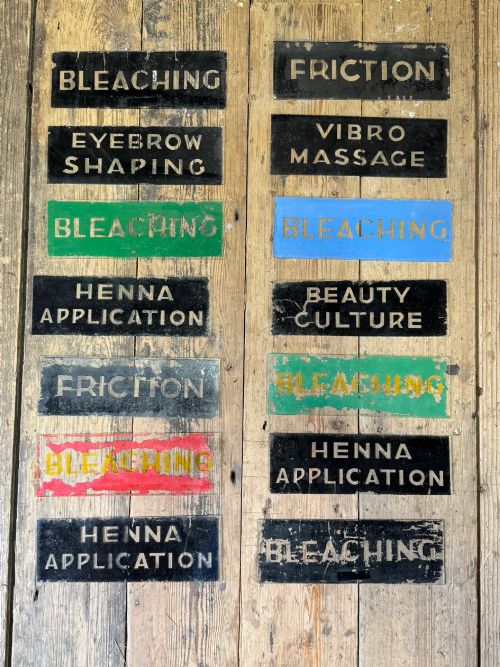
Completeness is the third lever. Double-sided signs, made to be read from either direction off a bracket, appear in a couple of dozen titles, and pairs turn up as often. Sets carry further still: four toleware post office location signs, six servants' bell name plates, eight French vineyard signs, fourteen reverse-painted glass panels from a hairdresser's.
Antique Signs Retail Price Guide 2026
Typical UK retail prices for signs, calculated from the Sellingantiques database of over a million retail prices indexed since 2003. This retail price guide relies exclusively on Sellingantiques data; no external sources or auction records are used, so the figures do not describe the wider market.
The heaviest sign to pass through Sellingantiques is a painted iron butcher's window pig, at sixteen kilos.
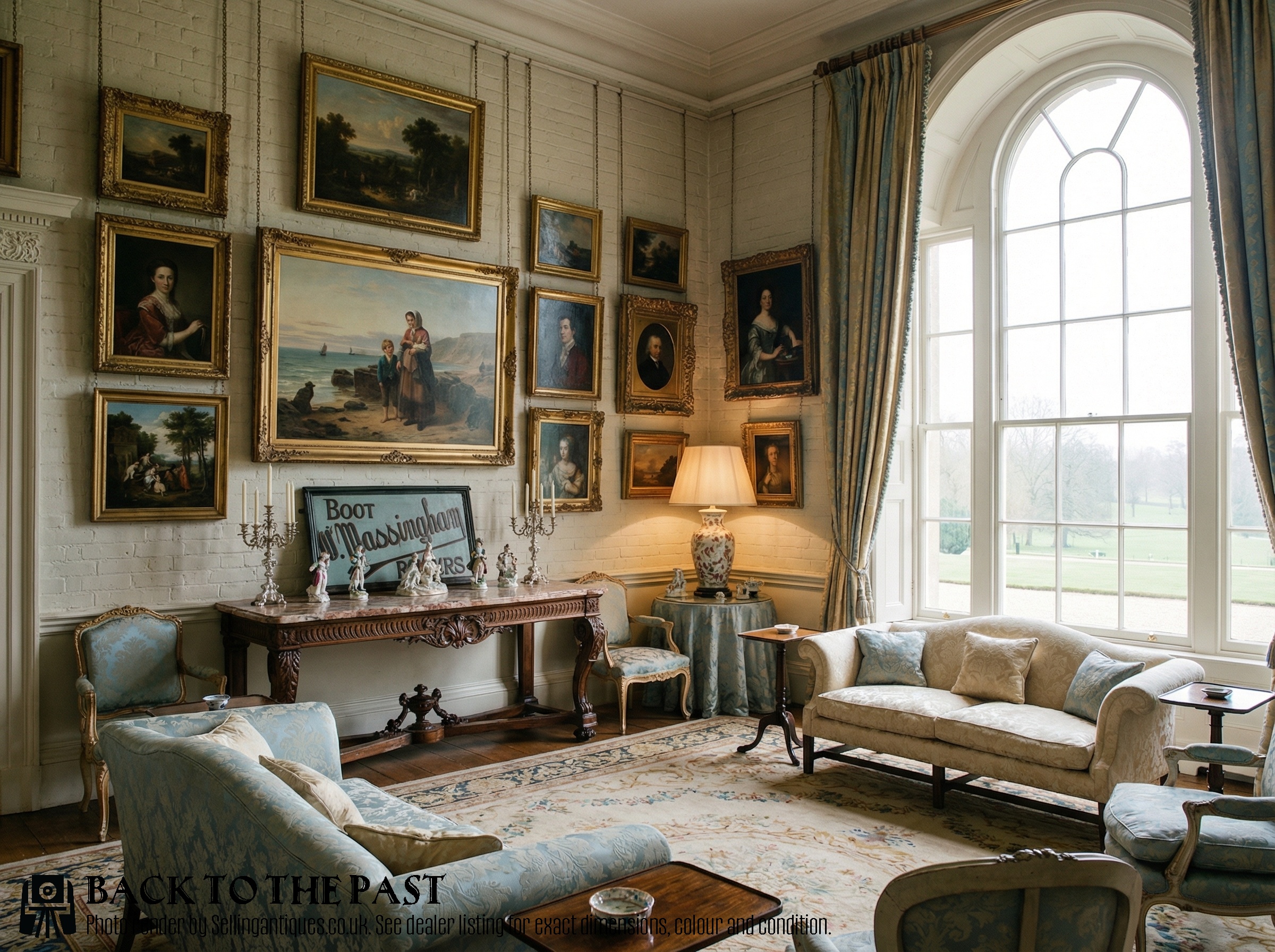
The Antique Signs Glossary
- Enamel sign
- Vitreous enamel fired onto a steel plate, the standard advertising and railway sign from the 1890s to the 1930s. The largest identifiable group under this heading.
- Double sided
- Lettered on both faces so it can be read from either direction, usually hung from a bracket rather than fixed flat to a wall.
- Trade sign
- A sign naming or depicting a trade rather than a brand. Around fifty titles use the word, covering everything from a carpenter's board to a glove-maker's.
- In original paint
- The painted surface is the one the board left the shop with, not a repaint. A phrase that recurs through painted-board titles and does real work there.
- Cast iron sign
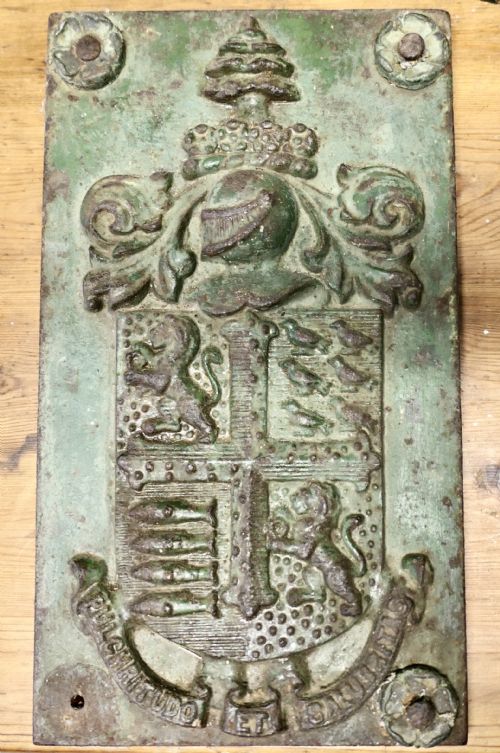
- Lettering cast proud of the plate. Standard for street names, railway trespass notices and warning boards.
- Target station sign
- The lozenge-shaped enamel station nameplate used by certain railway companies, alongside signal box name boards as a railway sub-type.
Antique Signs: Frequently Asked Questions
Why do so many listings say "signed"?
The word leads the term list, appearing in a quarter of titles, but it is mostly a maker's or artist's signature on an object rather than a feature of signage.
Japanese okimono and netsuke account for a large part of it, along with WW1 binoculars, boxwood carvings and Art Deco bookends. They sit under this heading because of the keyword, not the function.
What period do most of them come from?
The dated field runs from 1800 to 1960. The 1920s is the single fullest decade, with the 1930s, 1910s and 1900s close behind, so interwar and Edwardian pieces dominate.
Earlier material is scarce, with the 1880s managing a handful of listings. Post-war signs are thinner still.
Many listings lean on soft labels instead of a year: "19th Century" stands in as the date for a large block, and "Victorian" and "Edwardian" are used loosely.
Are French signs common in this category?
More common than you might expect on a UK marketplace. French material runs to over fifty titles, with Paris named in about a third of those.
Tabac and coiffeur boards turn up, as do toleware bicorn hat signs and glove-maker's trade signs. Danish, German, Dutch, Scandinavian and South African pieces appear once or twice each.
What kinds of figural signs turn up?
They are the archive's oddities, each appearing once or twice at most. Cigar-store figures, a Highland bagpiper tradesman's figure, a giant shoe, a papier-mâché mutton carcass and a 10-gallon hat have all passed through.
Pestle-and-mortar pharmacy signs, giant pocket watches and an automated cobbler's display model belong to the same group. Three-dimensional work sits at the top of the range.
How often do glass signs appear?
Glass is the quiet minority, around twenty-eight titles. It covers reverse-cut shop window panels, etched bakery windows, advertising mirrors and double-sided milk-glass lightboxes.
Vitriolite, an opaque pigmented structural glass, shows up in street signage. Reverse painting means the decoration is worked on the back of the panel and read through the glass.
Do signs sell as sets rather than singly?
Both. Pairs appear in a couple of dozen titles, and double-sided single signs about as often.
Larger groups have come to market too: four toleware post office location signs, six servants' bell name plates, eight French vineyard wine signs, fourteen reverse-painted glass panels from a hairdressing establishment, and one lot of seventeen enamel signs together.