

Antique Planters
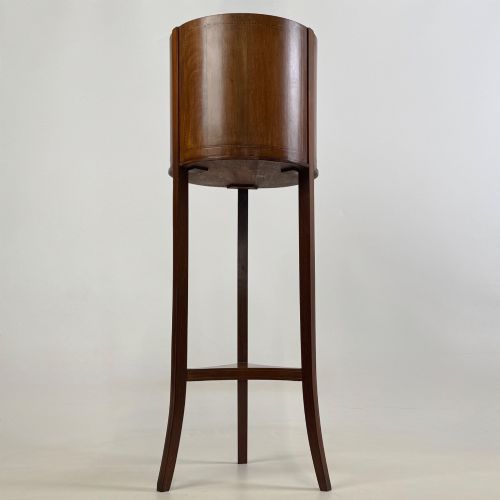
A planter is any vessel a dealer offers for holding growing plants, from a cabinet-made mahogany jardiniere for a drawing room to a carved stone urn meant to stand outside.
Antique Planters
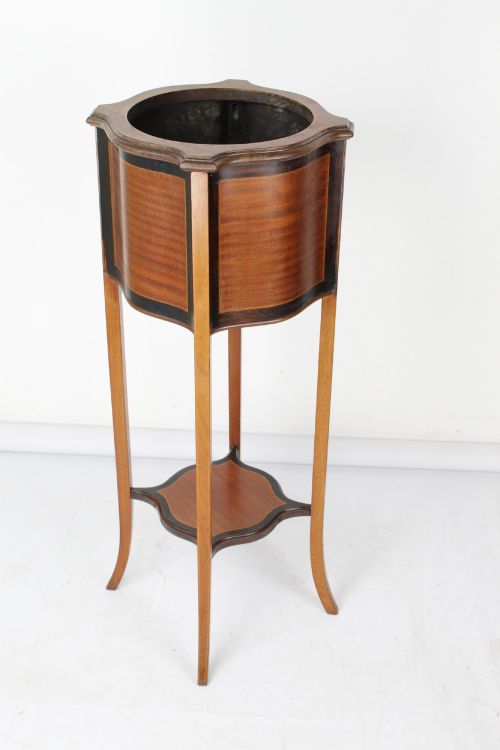
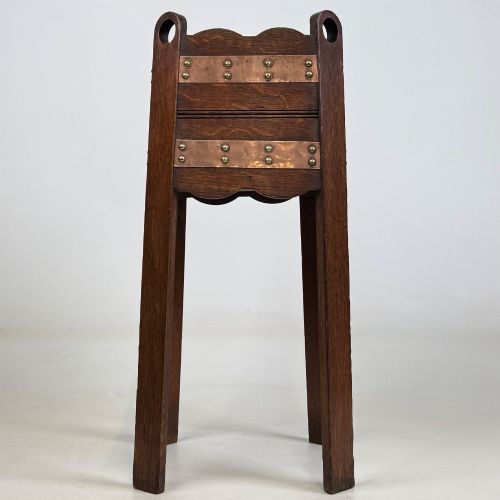
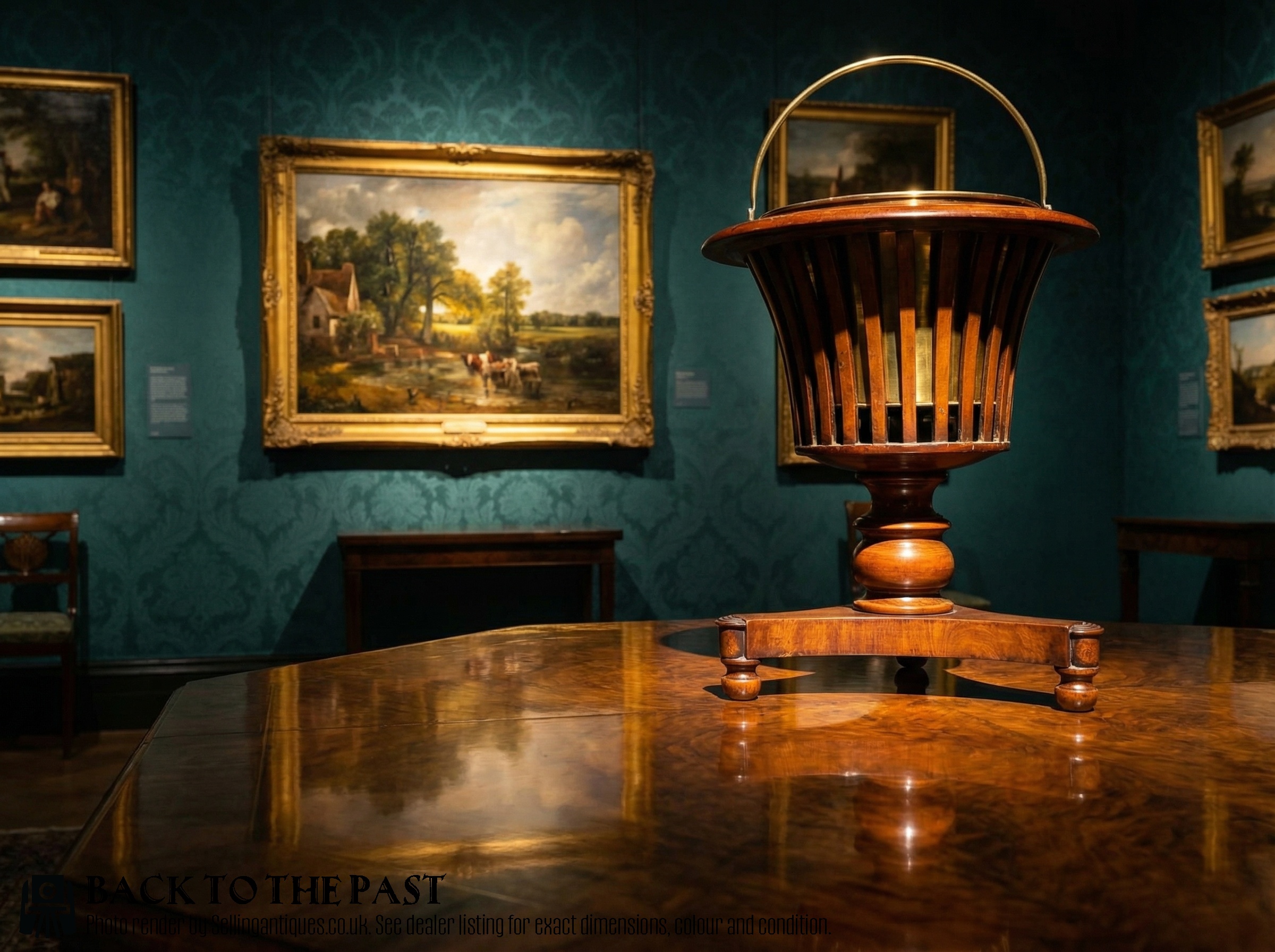
The heading gathers several trades under one word. What dominates is the 19th-century wooden indoor jardiniere, most often mahogany, with oak, walnut and rosewood behind it. Many sit on or come with a stand, and brass binding, inlay and carving all turn up throughout.
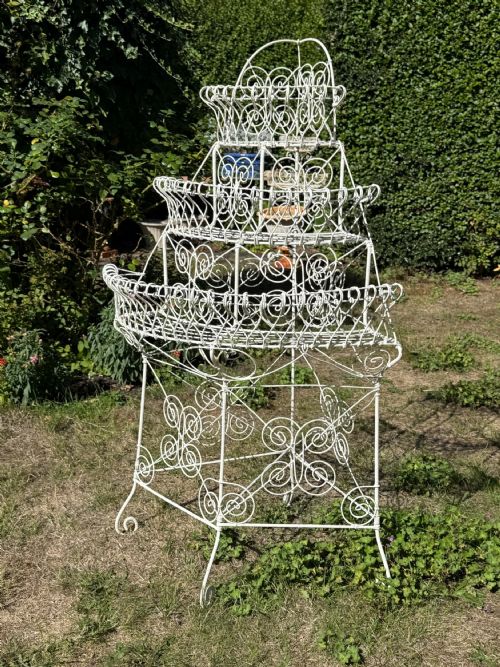
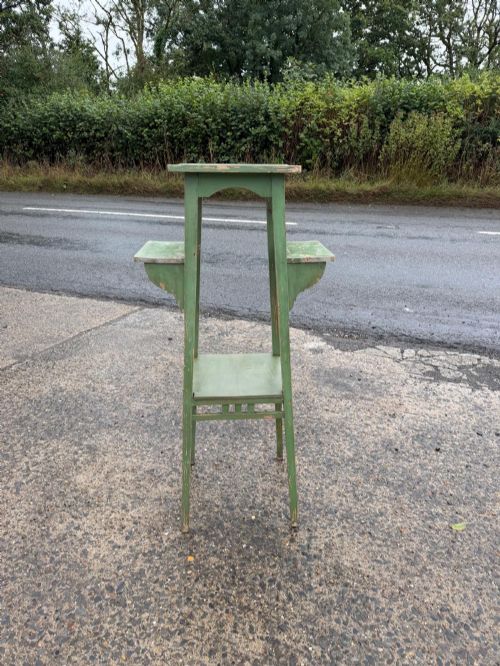
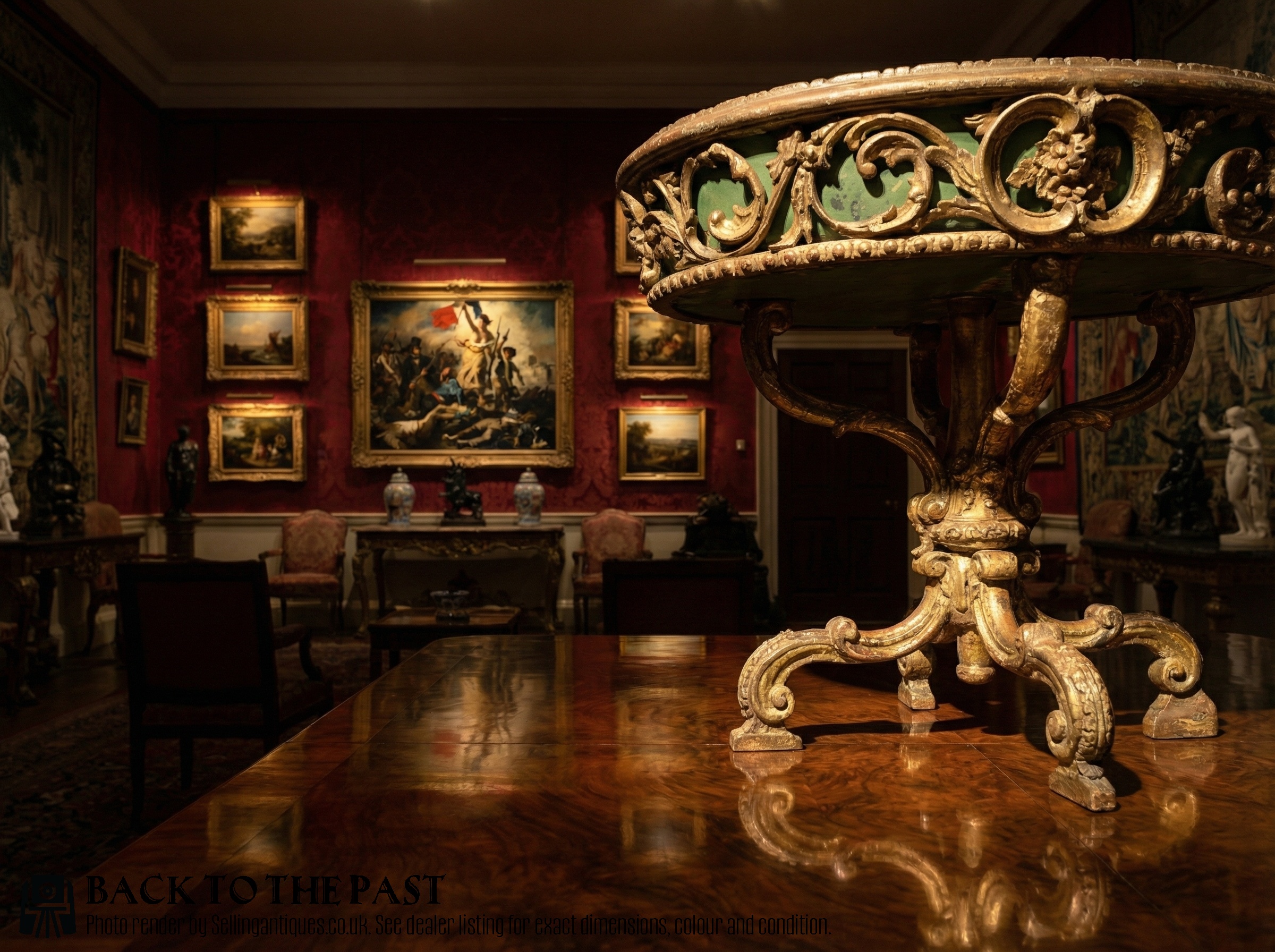
Purpose-made plant containers became standard furniture in the 18th and 19th centuries as conservatory and glasshouse plants moved indoors, while cast stone, terracotta and cast iron urns did the same job in the garden. Both strands are here, along with painted wirework stands and tiered conservatory planters, mostly dated Regency through Victorian.
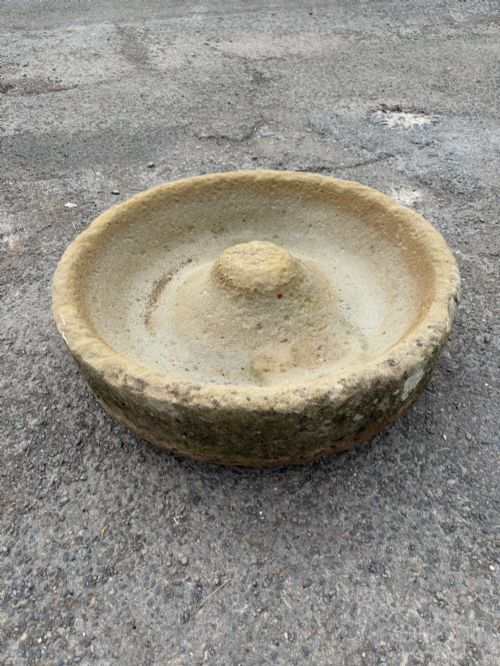
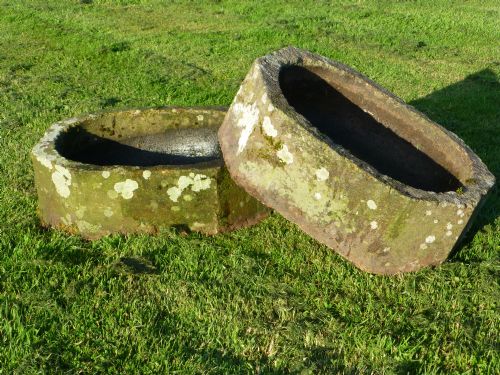
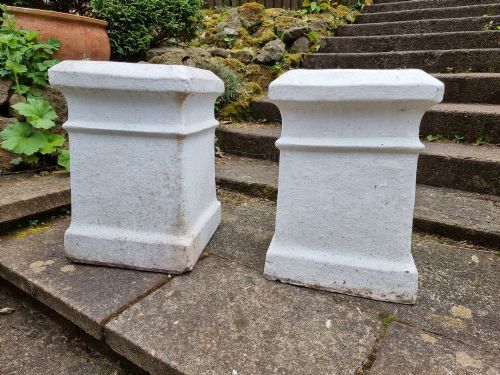
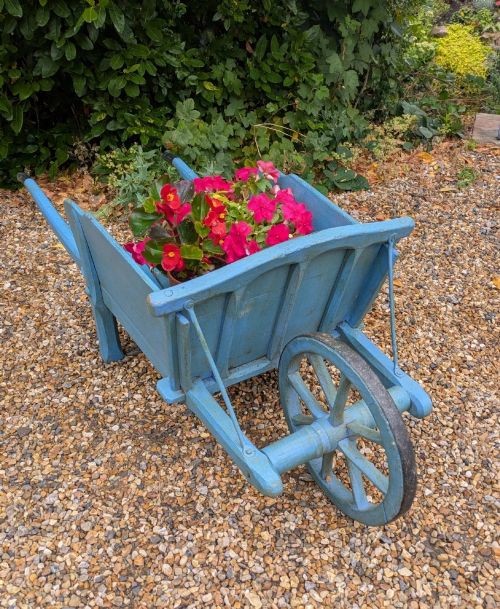
A large share of the category began as something else. Coopered and brass-bound buckets, wine coolers and cellarettes, peat and oyster buckets, dough bins, grain measures, mortars, troughs, cisterns, a dolly tub and a chimney pot have all been re-offered for planting. Titles reflect that: the same object often carries two or three names at once, planter, jardiniere and wine cooler on one line.
Dates run from 1750 to 1960, but only around half of listings on Sellingantiques give a clean year. The commonest entry is a bare "19th Century", then "Victorian", with decade clusters in the 1880s, 1900s and 1920s. The 1920s showing matches Victorian, so a meaningful slice is 20th-century. Sixteenth- to 18th-century claims appear occasionally, almost all in stone, marble or oak.
Where The Range Widens
Material and cabinet work set the ceiling. Kingwood, tulipwood, satinwood, amboyna and burr walnut sit in the upper reaches, along with carved marble; plain oak, pine, zinc and enamelled pieces hold the bottom. In the garden branch, carved marble, limestone and gritstone reach far above reconstituted and cast stone, which cluster in the lower middle.
Decoration follows the same line. Ormolu mounts, inlay and marquetry are concentrated well above the middle of the range, and dealers single out original paint, original castings, original liners and original lids rather than leave them unsaid, which tells you what the trade rewards.
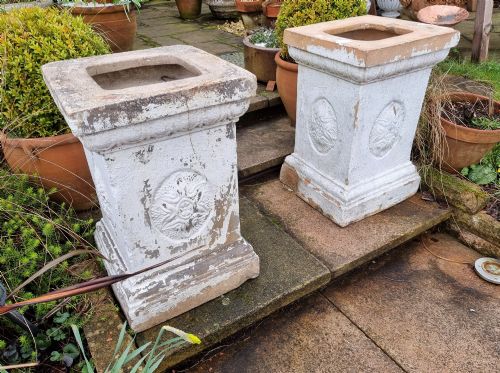
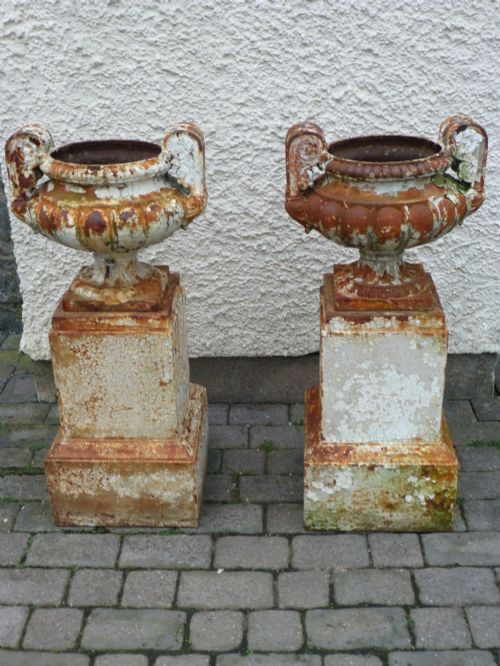
Then there is arithmetic. Pairs are a defining habit of the category, and paired stone urns or cast-iron planters sit consistently higher than singles of the same type; sets of three, four and five appear too. Scale works the same way, with the largest stone and marble urns and cisterns at the very top.
Antique Planters Retail Price Guide 2026
Typical UK retail prices for planters, calculated from the Sellingantiques database of over a million retail prices indexed since 2003. This retail price guide relies exclusively on Sellingantiques data; no external sources or auction records are used, so the figures do not describe the wider market.
Pairs are a habit of this category. On Sellingantiques, 81 planter titles offer two, and sets of three, four and five turn up as well.

The Antique Planters Glossary
- Jardinière
- A container or stand made to hold plants indoors. It appears here spelt jardiniere, jardinere and jardinière, sometimes within the same listing.
- Coopered
- Built from shaped staves held by hoops, barrel-fashion. Around nineteen titles use the word, usually for bucket-form planters.
- Brass bound
- A wooden body encircled with brass hoops or bands, named in some twenty-one titles and often paired with coopered work.
- Liner
- A removable metal or zinc inner vessel that holds the water. "Original liner" is one of the features dealers flag in a title.
- Wine cooler
- A vessel for bottles and ice, lidded or open. Twenty-seven titles pair the words wine cooler and planter for the same object.
- Faux bois
- Cast or carved work imitating rustic tree-trunk timber. It recurs in stone, terracotta and salt glaze, often on strawberry and tree-stump planters.
- Campana
- An inverted-bell urn shape, named in several stone and terracotta entries.
Antique Planters: Frequently Asked Questions
What is a teestoof?
A Dutch brass-lined vessel of bucket form, also listed as a tea stove. Examples here come in walnut and mahogany.
It is part of a wider Dutch thread that is unusually visible for a UK marketplace, with around fifteen titles naming the country. The form turns up on Sellingantiques and almost nowhere else.
Why are so many planters sold in pairs?
Pairs are a defining habit of the category. Roughly one title in six offers two, and sets of three, four and five appear as well.
Paired stone urns and cast-iron planters sit consistently higher in the range than single examples of the same type.
Which woods turn up most often?
Mahogany leads the wooden planters by a clear margin, appearing in around sixty-eight titles. Oak, walnut and rosewood follow.
At the upper end the woods change: kingwood, tulipwood, satinwood, amboyna and burr walnut, often with ormolu mounts, inlay or marquetry.
Pine and plain oak sit at the other end of the range.
Are garden planters part of this category?
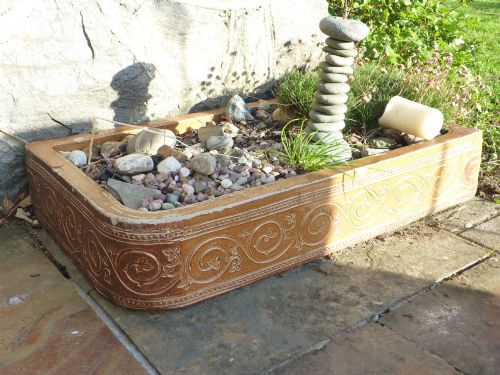
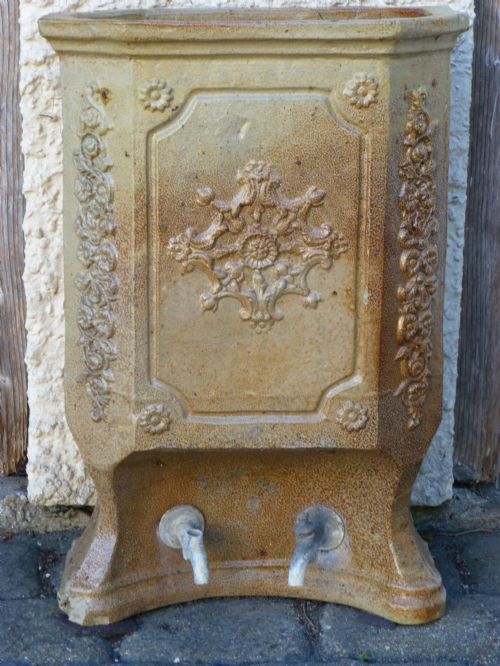
Yes. Carved and cast stone, terracotta and marble urns, troughs and cisterns make up roughly a fifth of what is listed, with limestone, Cotswold stone and salt-glazed entries among them.
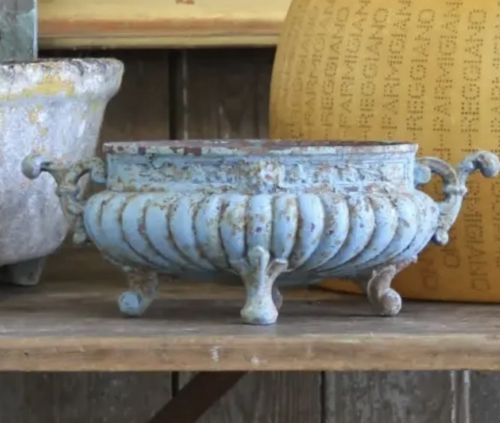
Cast iron, wrought iron and wirework add another sixth, including painted, tiered and rotating conservatory planters.
How old are most of these?
The dated field runs 1750 to 1960. Just over half of listings carry a clean year; the rest are given only as a century or a reign.
"19th Century" is by far the commonest entry, followed by Victorian. Decade clusters fall in the 1880s, 1900s and 1920s, and the 1920s count matches Victorian, so a good slice is 20th-century.
Do planters ever start life as something else?
Often. Buckets, peat and oyster buckets, wine coolers, cellarettes, dough bins, grain measures, mortars, troughs and cisterns all appear re-offered for planting.
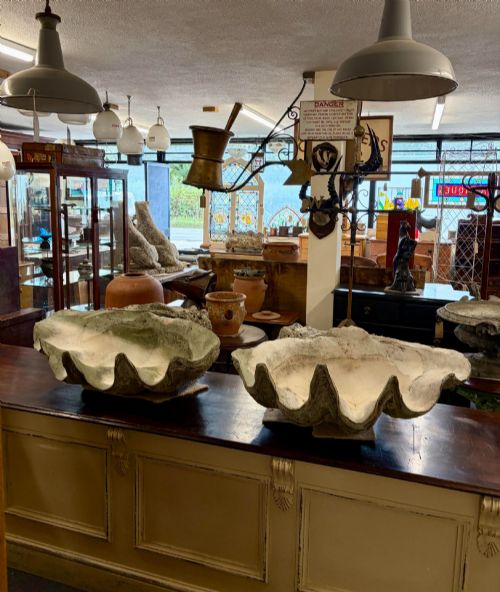
One-off curiosities include a teak planter said to be made from a battleship's timber, a font converted to a planter and a giant clam shell.