
A 2026 Guide by Sellingantiques
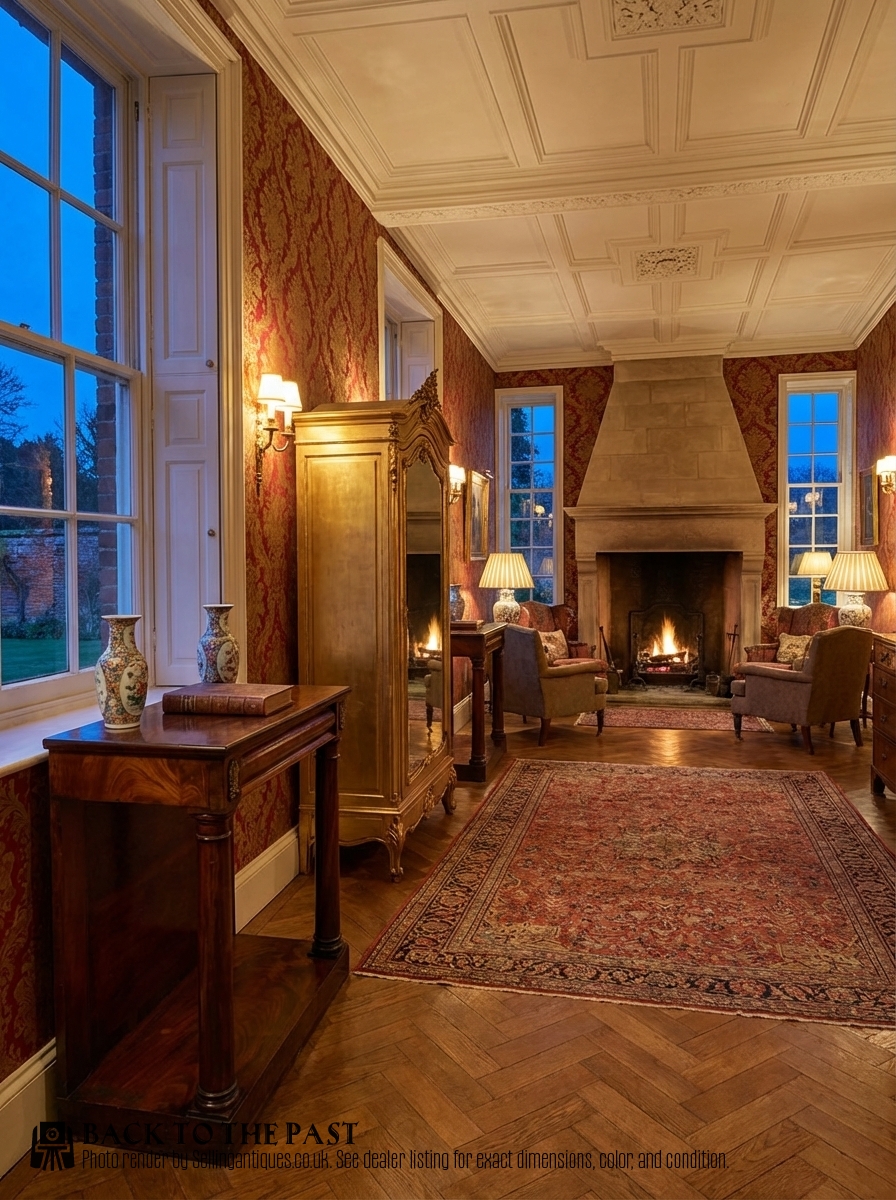
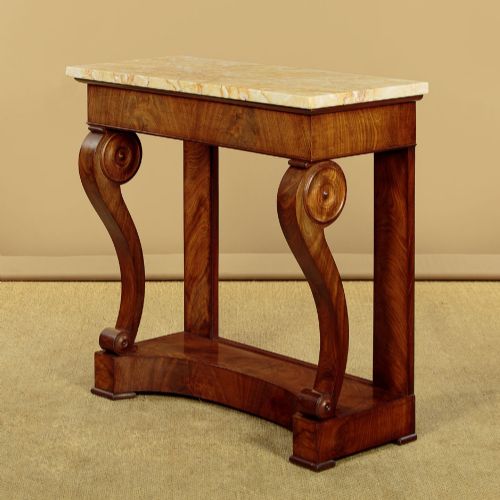
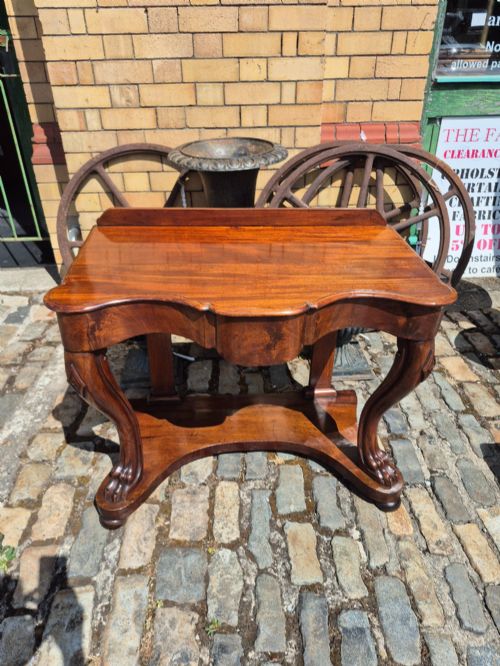
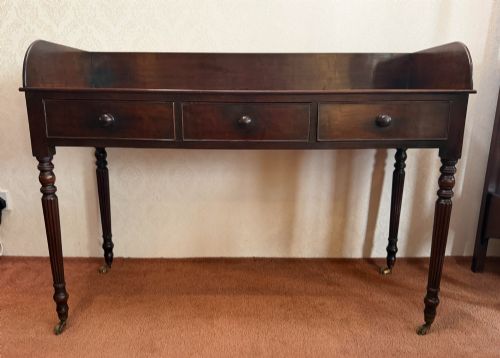
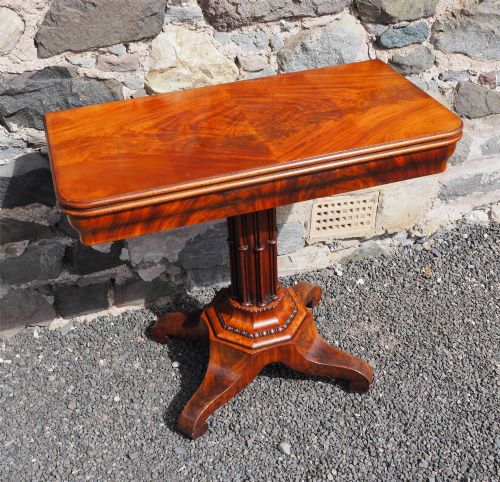
Early C19th English George IV Period Empire Design Mahogany Console Table ., 19th Century
Priced at £1,450 from M Lees and Sons
Introduced in France during the late seventeenth century, antique console tables began as architectural fixtures attached directly to the panelling.
They're mostly freestanding later. Makers added back legs to support heavier stone tops.
Look for flat back edges. They sit flush against masonry, acting as a stage for clocks or porcelain.
English designers adopted the form by the 1720s, scaling them for large country houses.
Pier tables are a related form. Sometimes placed between tall windows beneath a mirror to bounce light around a room.
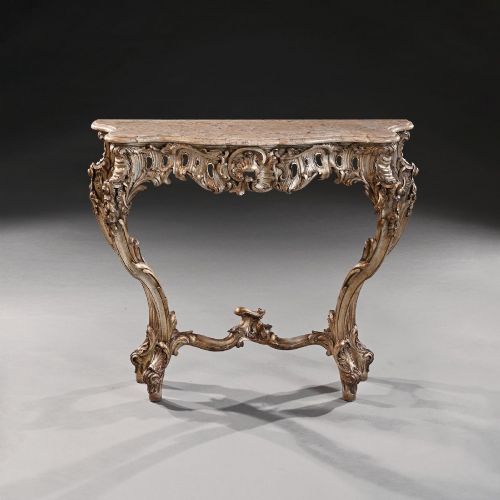
William Kent designed heavy, architectural examples in the 1730s. His giltwood frames support thick marble slabs.
Thomas Chippendale supplied carved mahogany variations to aristocratic houses between the 1750s and 1770s.
French workshops produced brass-mounted versions. André-Charles Boulle pioneered intricate tortoiseshell marquetry consoles around 1700.
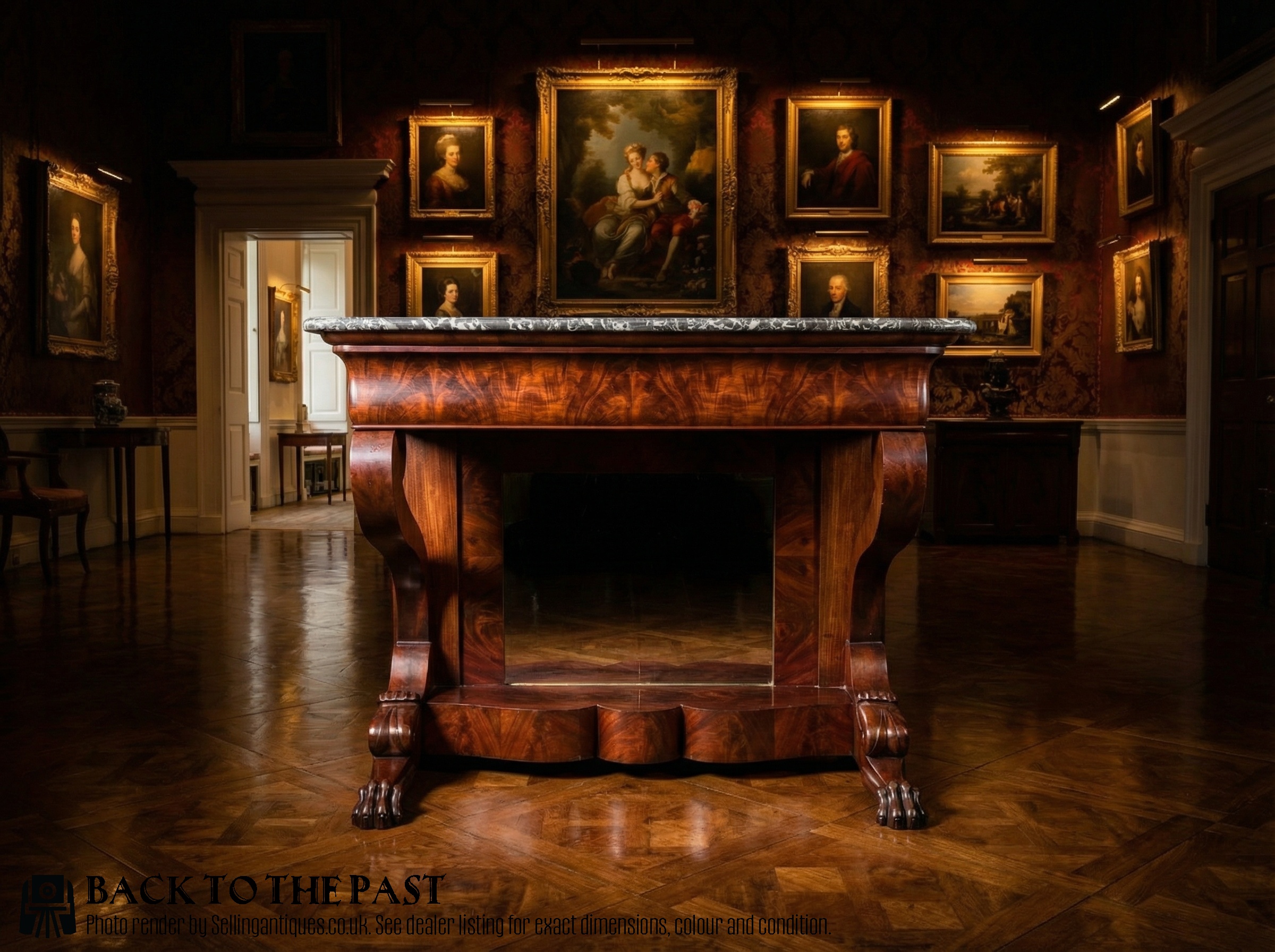
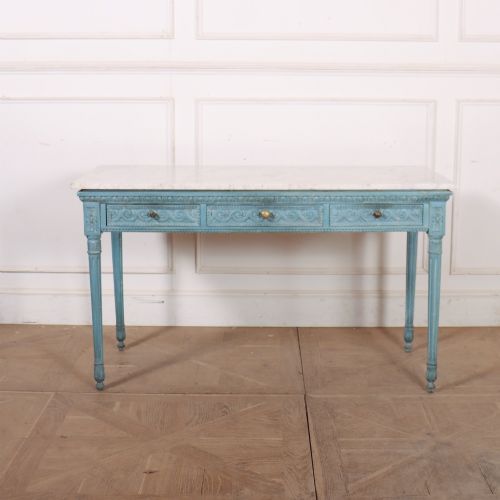
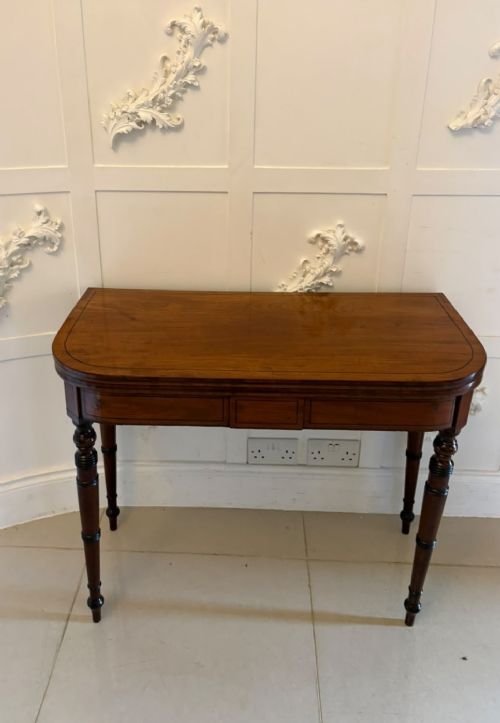
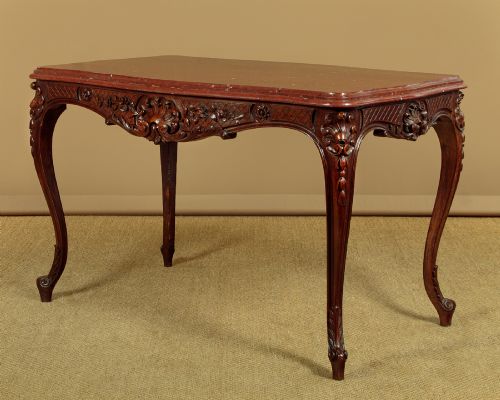
Louis Phillipe Mahogany Console Table, 19th Century
Priced at £1,350 from Youlls Antiques
The 2026 retail price guide for Antique Console Tables is drawn from a proprietary archive of over 1.1 million retail prices indexed by Sellingantiques since 2003. This guide relies exclusively on their own internal data; no external sources or auction records are used.
Analysing nearly 25 years of UK antique market history alongside current retail values, the data indicates that typical UK retail prices for Antique Console Tables range between £800 and £4,300. Entry-level prices generally fall under £800 and premium examples upwards of £4,300.
A shallow depth characterises most of them. This allows clearance in narrow corridors or tight alcoves.
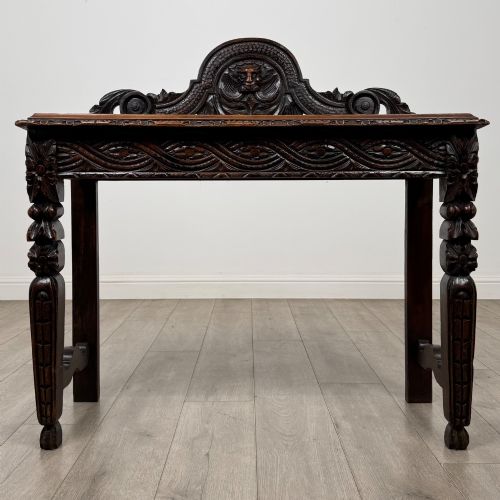
Front legs often feature heavy carving or turning. The back legs might be entirely plain by comparison.
Check the frieze below the top. Shallow drawers sometimes hide within this horizontal band, though many are purely decorative.
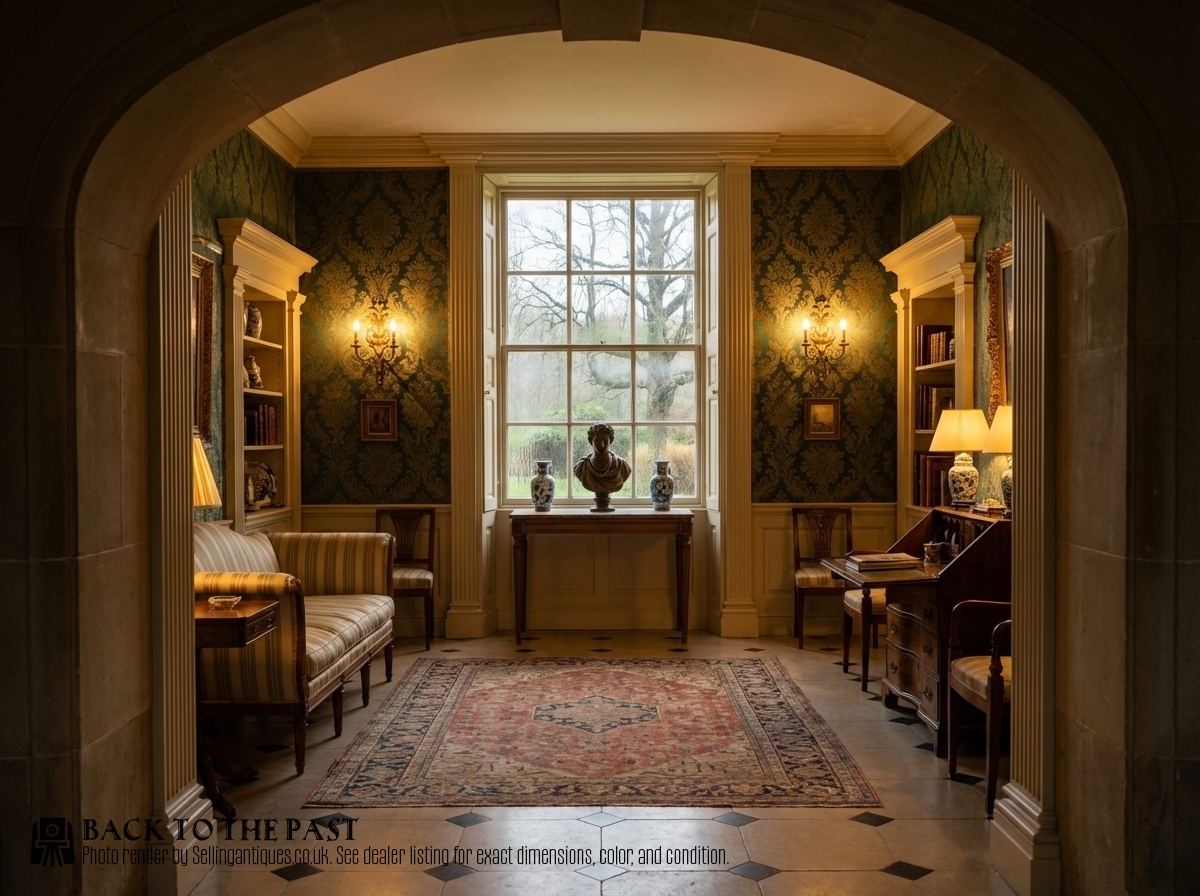
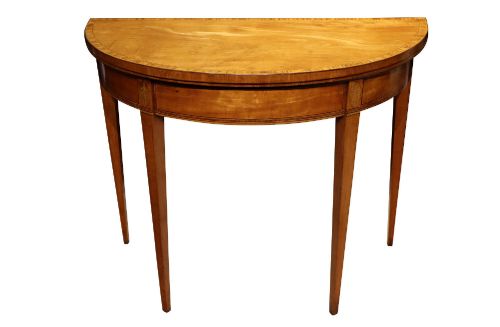
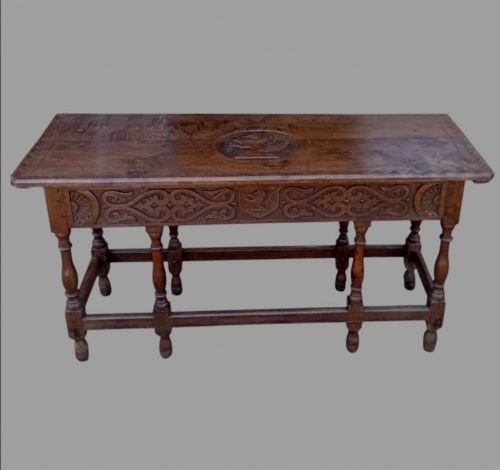
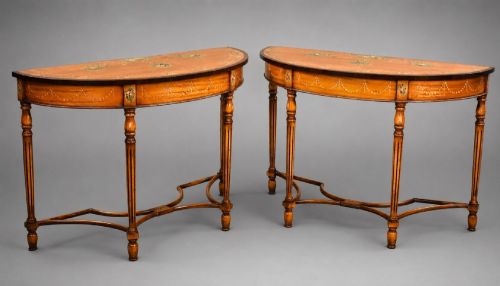
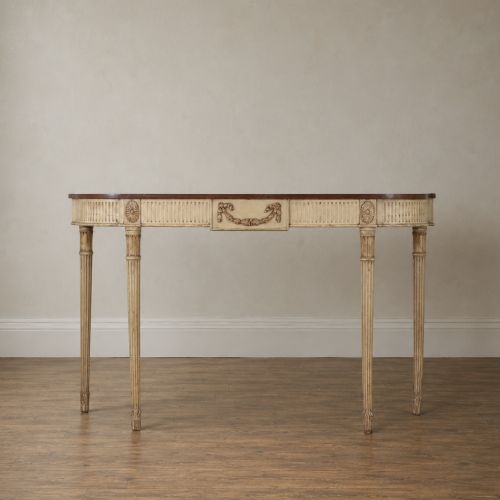
18th Century Console Table, 18th Century
Priced at £675 from Youlls Antiques
Early joints don't use metal fasteners. They rely on mortise and tenon construction pinned with wooden pegs.
Veneering involved gluing thin sheets of expensive timber onto cheaper deal carcases using animal hide glue.
Look underneath at the glue blocks. These small triangular wood scraps brace the internal corners and strengthen the frame.
"Some designs included hidden compartments built into the thick frieze moulding."
"Look at the back edge closely. A few still retain original shaped brackets designed to clip directly into matching wall sockets."
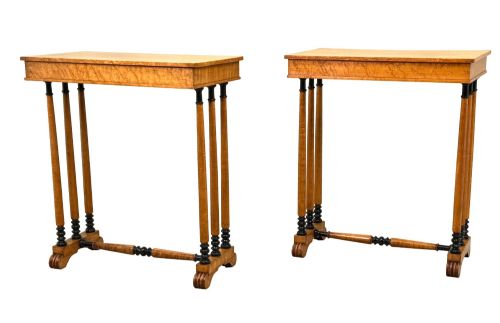
"Matching pairs sometimes surface. Wealthy clients commissioned them to flank double doors in grand reception rooms."
Based on almost 25 years of Sellingantiques UK antique market data, Antique Console Tables appeared 11212 times (out of 1,100,000 antiques) which gives it a rarity score of 11/100.
This score measures scarcity within the Sellingantiques archive only and is not a survey of the entire antiques market, so these statistics may not be indicative of the general availability of Antique Console Tables elsewhere.
Dust the stone with a dry cloth first. Use warm water and a non-acidic soap applied with a damp sponge to lift grime.
Rinse the area with a clean damp cloth to remove soap residue. Dry it immediately with a soft towel to stop water spots forming.
Weak joints often mean the old animal glue has dried out and cracked. A restorer will take the loose sections apart, scrape off the old adhesive, and re-glue the tenons.
Don't drive modern metal screws into the frame. Wood movement around rigid screws can split the antique timber over time.
Pier tables historically sat on the wall section between two windows. They often match a tall mirror hung directly above.
Console tables share the flush-back design but stood anywhere in a room.
Many giltwood frames lost their original stone tops over the centuries. Some owners replaced cracked marble with painted timber to mimic stone.
Examine the top framing underneath. Thick structural rails and heavy glue blocks suggest the base was built to support a heavy slab. Lighter framing might mean it always carried a wooden top.
Please note: This Antique Console Tables guide and its associated pricing data are provided for general informational purposes only. It does not constitute formal financial, investment, or appraisal advice and should not be relied upon as the sole basis for any commercial activity, purchasing, or sales decisions. Sellingantiques.co.uk accepts no liability for any actions taken in reliance on this information. Always consult with a qualified professional or independent appraiser.
