
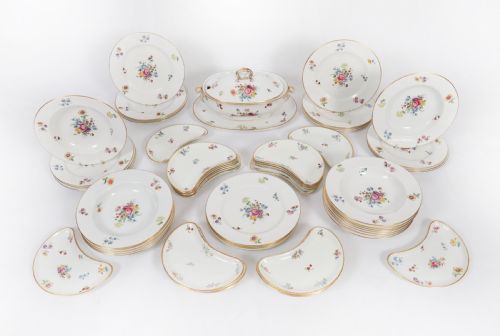

A 2026 Guide by Sellingantiques
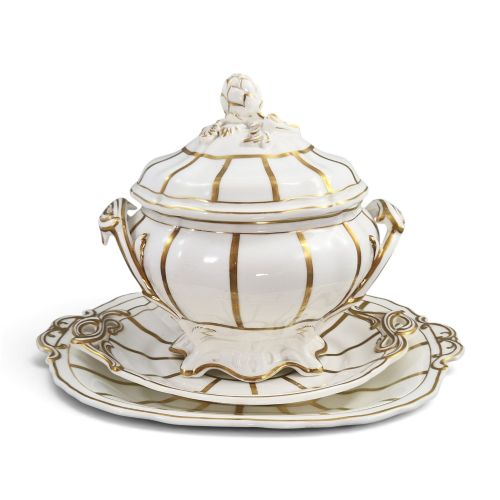
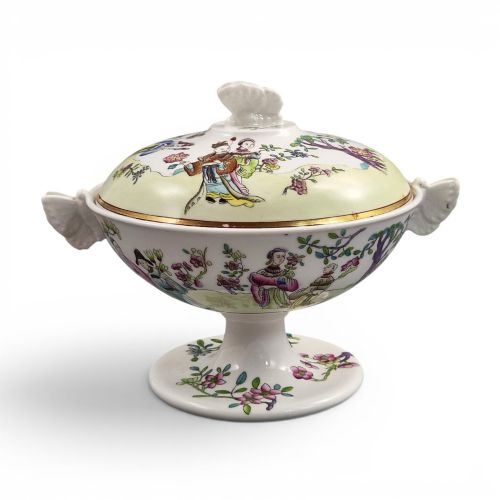
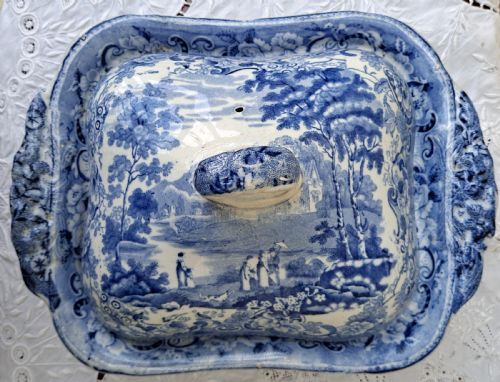
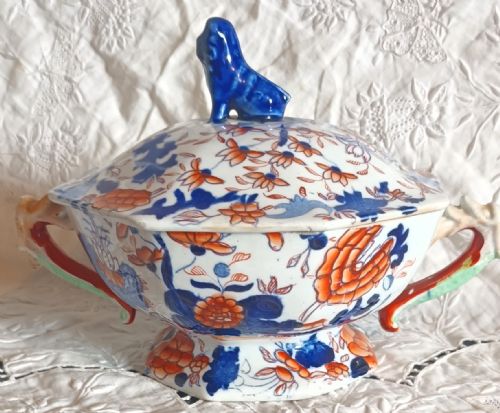
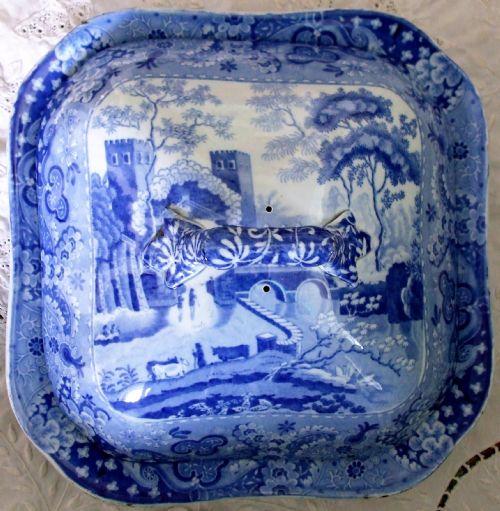
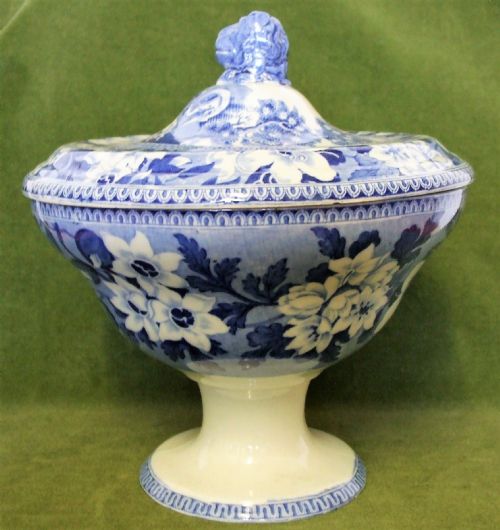
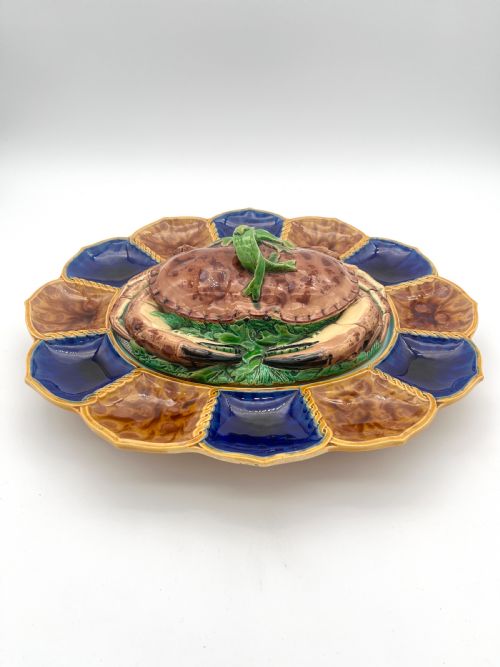
Tureen Dish., 1890
Priced at £105 from A and B Antiques
French dining habits in the late seventeenth century shifted towards serving soup as a first course. This change created the need for substantial covered bowls on the table.
Look for early eighteenth-century examples in silver. Ceramics soon followed to match the grand dinner services ordered by wealthy households across Europe.
Wealthy patrons often commissioned large matching sets. These massive antique tureens sat at either end of a long dining table to feed dozens of guests.
Tureens scaled down as the nineteenth century progressed. Middle-class homes preferred smaller versions suited to intimate family dinners rather than vast banquets.
Paul de Lamerie produced exceptional silver examples in London during the first half of the eighteenth century. His rococo forms feature heavy cast feet and elaborate finials.
Josiah Wedgwood made thousands of creamware soup bowls in Staffordshire. The factory exported these practical ceramics across Europe from the 1760s onwards.
Meissen factory modellers like Johann Joachim Kändler shaped porcelain tureens into animals or vegetables. These trompe l'oeil centrepieces defined mid-eighteenth-century table settings.

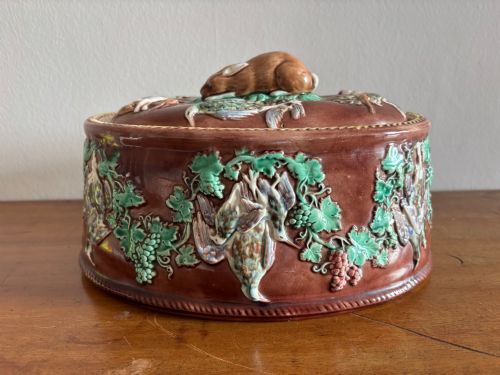
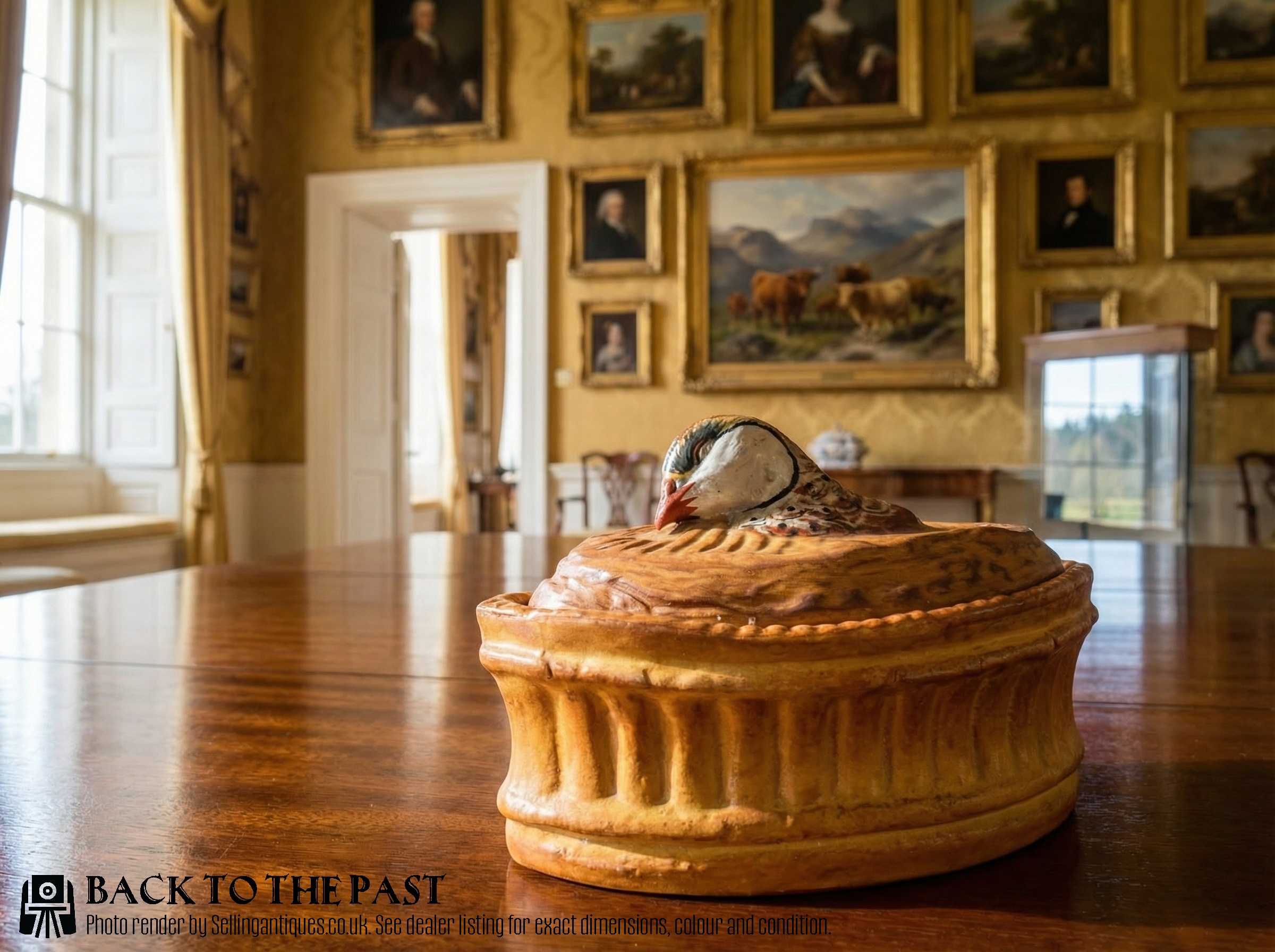
C. 1790 Pair Alcora Talavera Polychrome Faience Partridge-tureens with Covers, 18th Century
Priced at £1,490 from Artsonline
The 2026 retail price guide for Antique Tureens is drawn from a proprietary archive of over 1.1 million retail prices indexed by Sellingantiques since 2003. This guide relies exclusively on their own internal data; no external sources or auction records are used.
Analysing nearly 25 years of UK antique market history alongside current retail values, the data indicates that typical UK retail prices for Antique Tureens range between £300 and £4,400. Entry-level prices generally fall under £300 and premium examples upwards of £4,400.
Twin handles are almost universal on these vessels. A servant needed a firm grip to carry hot soup from the kitchen.
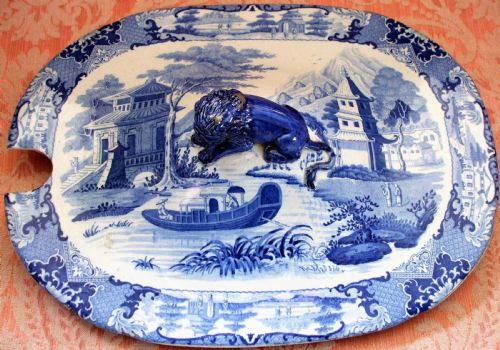
Check the lid for a notch. This gap allowed a silver ladle to rest inside the bowl while the cover stayed shut to trap steam.
Matching stands catch drips and insulate the table. Many surviving bowls lost their original underplates generations ago.
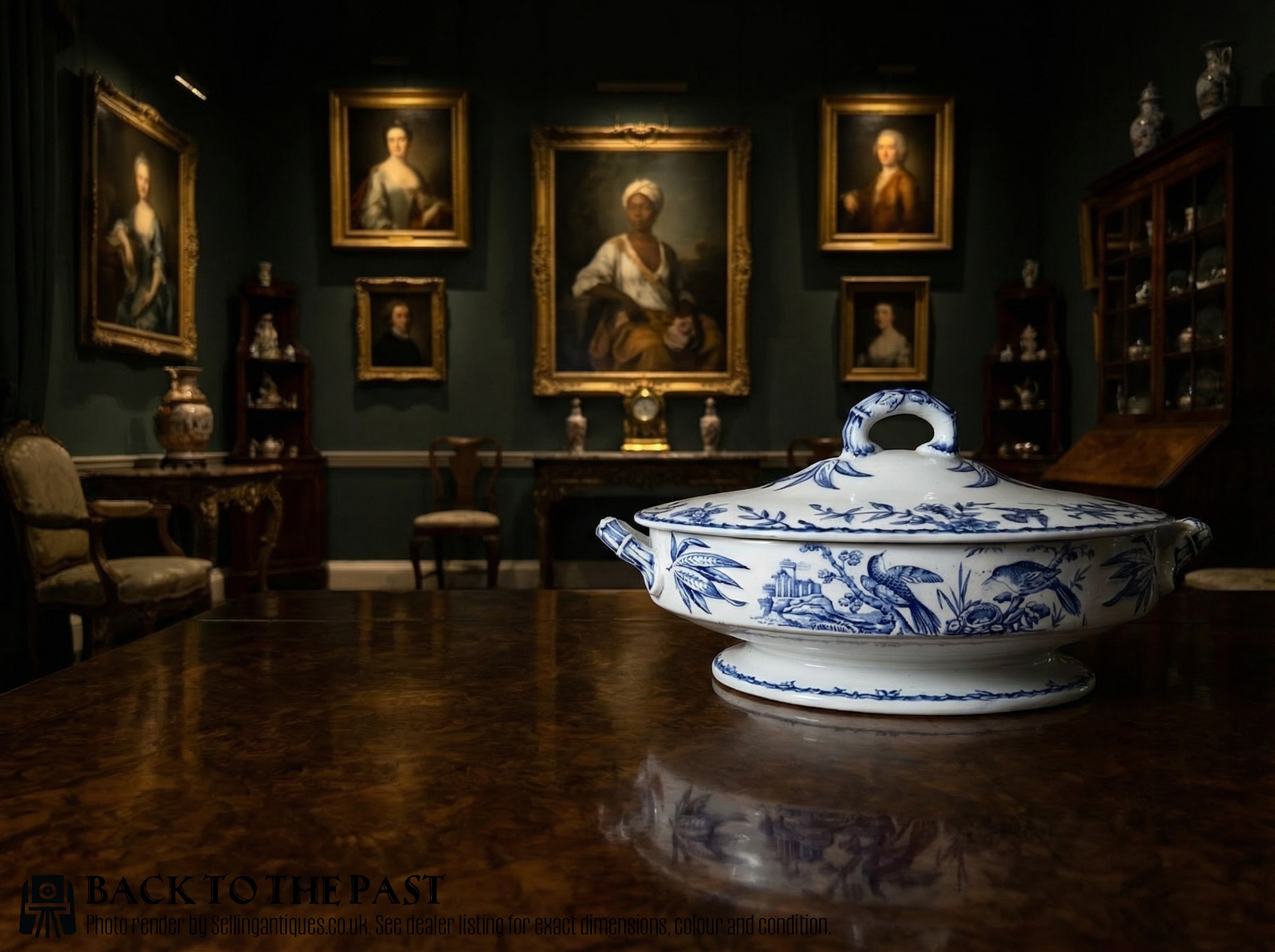
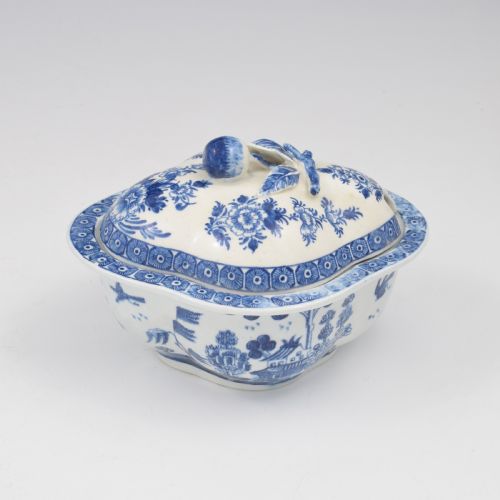
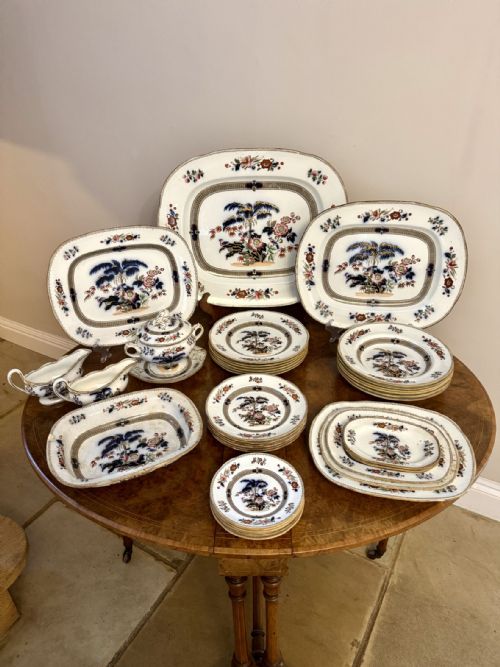
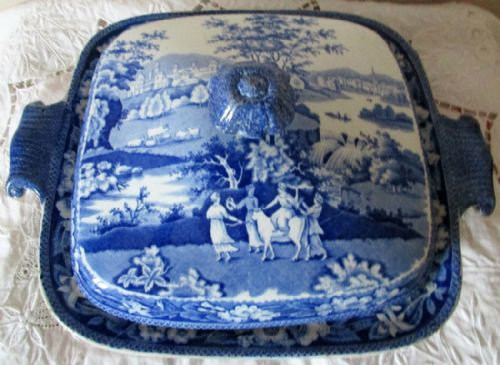
Stunning Quality Antique Victorian Tureen by Ridgways, 1880
Priced at £295 from Unique Antiques by Emma Jade
Silversmiths raised the main body from a single flat sheet of metal. Repeated hammering over an anvil formed the deep bowl without seams.
Ceramic factories cast complex shapes in plaster moulds. The handles and finials were formed separately and attached with liquid slip before the first firing.
Heavy cast borders strengthen the rims of silver tureens. These thick applied bands stop the large opening from warping under its own weight.
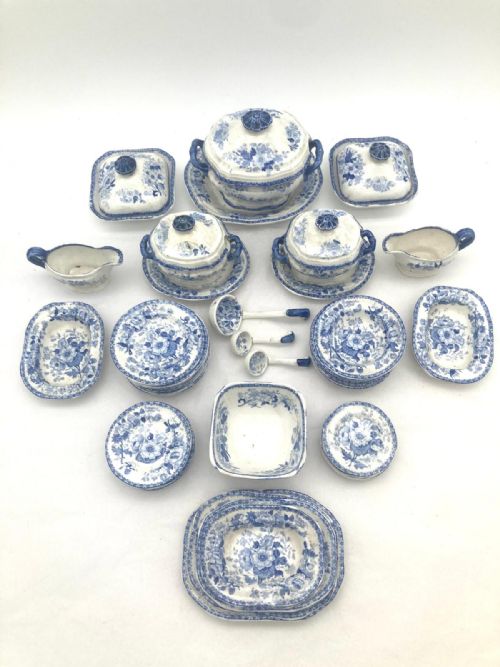
"Small versions exist for specific rich sauces. These sauciers follow the exact same form as their larger soup counterparts but fit in the palm of a hand."
"Many elaborate silver examples feature hidden liners. The main ornamental vessel stays clean while a plain inner bowl lifts out for washing."
"Some lids hide clever steam vents disguised within the finial design. These tiny holes stop the cover from rattling as hot soup boils inside."
Based on almost 25 years of Sellingantiques UK antique market data, Antique Tureens appeared 904 times (out of 1,100,000 antiques) which gives it a rarity score of 83/100.
This score measures scarcity within the Sellingantiques archive only and is not a survey of the entire antiques market, so these statistics may not be indicative of the general availability of Antique Tureens elsewhere.
You can safely use most antique silver and heavy ironstone examples for their original purpose. They were built to handle boiling liquids and hold heat well on a dining table.
Exercise caution with early soft-paste porcelain or highly decorated pieces. Rapid temperature changes might crack the body or damage delicate surface enamels.
Most ceramic tureens lost their original underplates over the last two centuries. Stands took the brunt of the wear, getting dropped in kitchens or chipped during washing.
An incomplete set remains common on the market. You can still use the bowl without its base, though you might want a heat-proof mat to protect your polished table.
That gap is known as a ladle notch. It allows a large serving spoon to sit inside the bowl while the cover remains firmly shut.
Keeping the lid down traps the steam and stops the soup from going cold during a long dinner. The handle of the ladle simply sticks out through the notch, ready for the next serving.
Eighteenth and nineteenth-century dining involved many courses with dedicated serving vessels. If the bowl seems too small to feed a table of guests with soup, it likely held sauce, gravy, or a rich stew.
Silversmiths scaled down the classic tureen shape to create these specific sauce vessels. They often came in pairs or sets of four, placed symmetrically down the length of the table so guests could reach them easily.
Please note: This Antique Tureens guide and its associated pricing data are provided for general informational purposes only. It does not constitute formal financial, investment, or appraisal advice and should not be relied upon as the sole basis for any commercial activity, purchasing, or sales decisions. Sellingantiques.co.uk accepts no liability for any actions taken in reliance on this information. Always consult with a qualified professional or independent appraiser.
