12,983  PAGES BROWSED TODAY PAGES TODAY 42 ANTIQUES UPLOADED TODAYNEW ARRIVALS
42 ITEMS ADDED TODAY
Sort Order
Items Per Page
Browse Categories
Sort order
Relevant Links
Items per page
ID #SA940218
FOR SALE
£2,250
Email Buy
Save
Victorian Faradays Egg Experiment by William Ladd, London
Jason Clarke Antiques
for sale €2,633     $2,858
£2,250
Jason Clarke Antiques

Jason Clarke Antiques

Sellingantiques Verified Since Jul 2015
View Dealers Stock Page
Id #SA940218
PDF SHARE
SAVE

Victorian Faradays Egg Experiment by William Ladd, London

19th century
Description

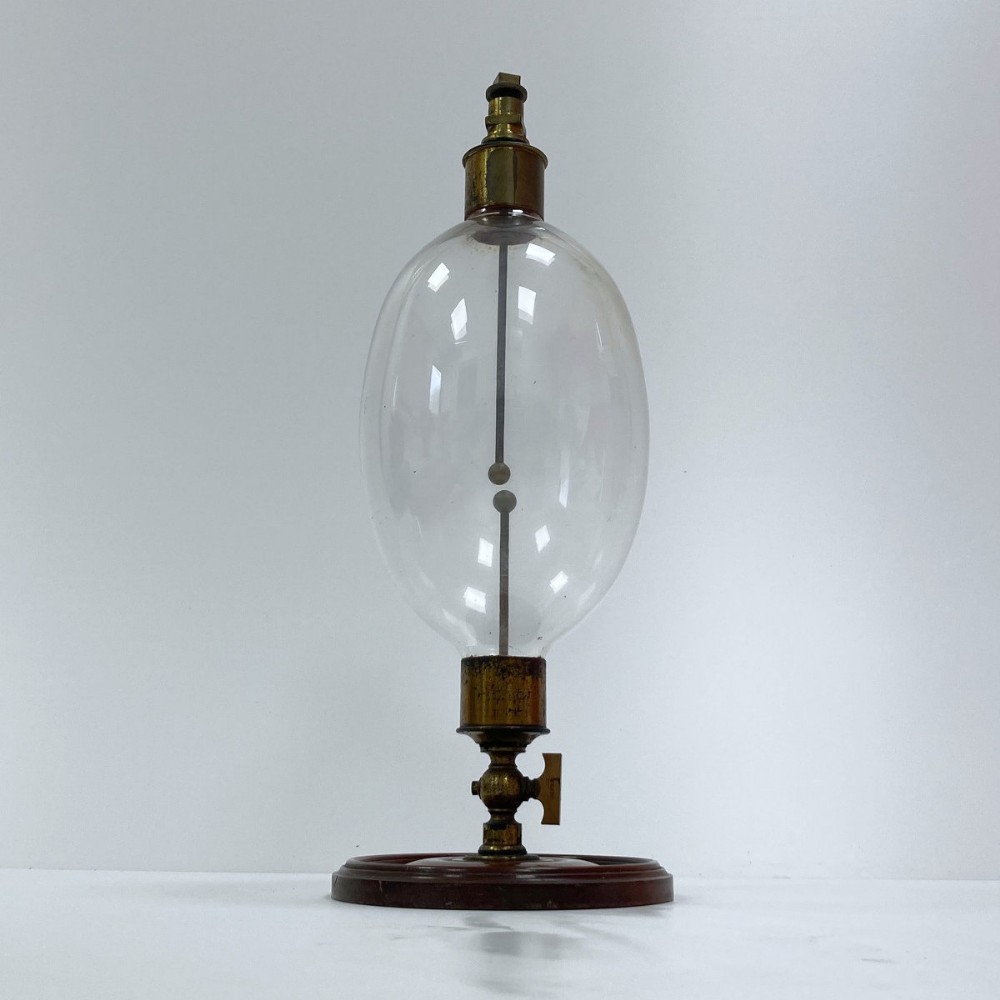
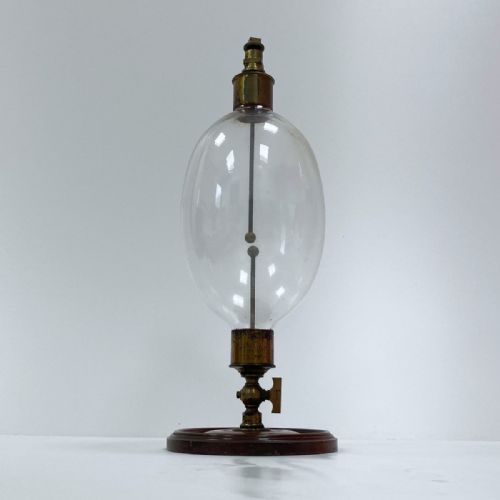
For sale, a large-scale Victorian Faraday’s electric egg experiment by William Ladd of London.

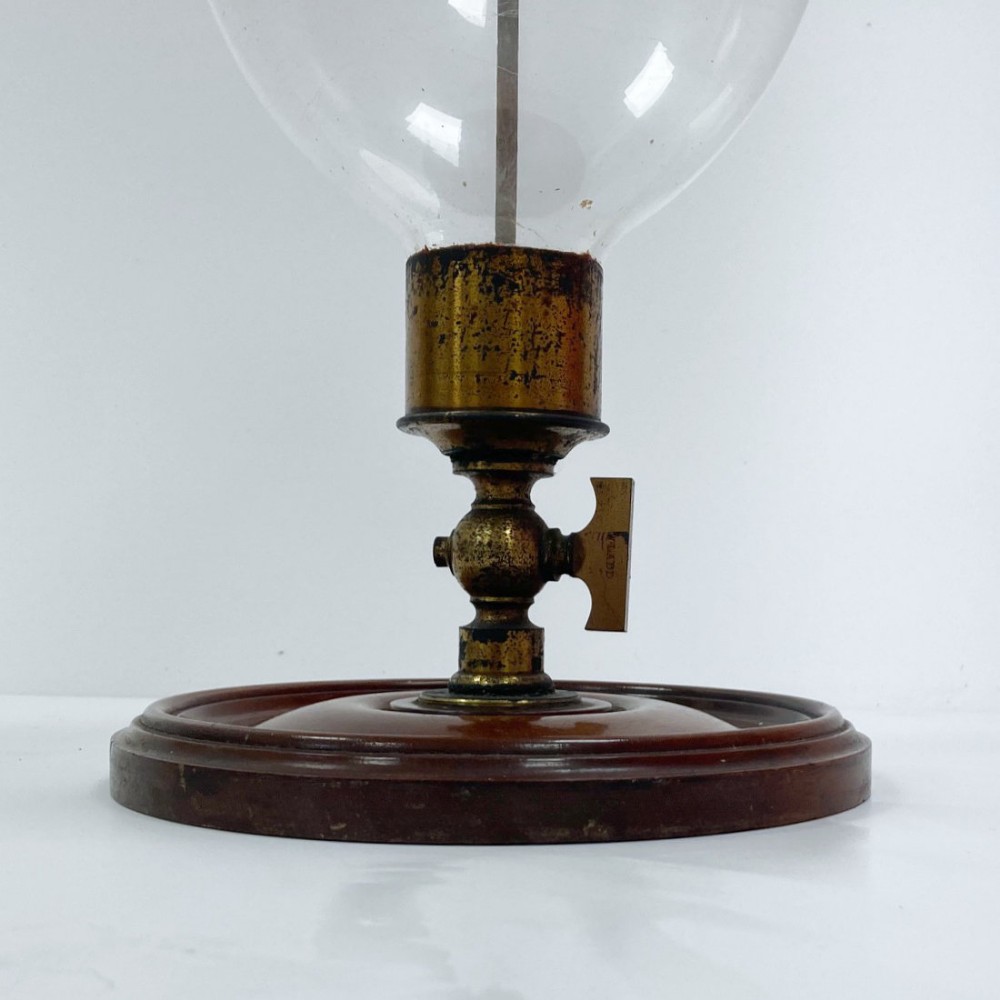
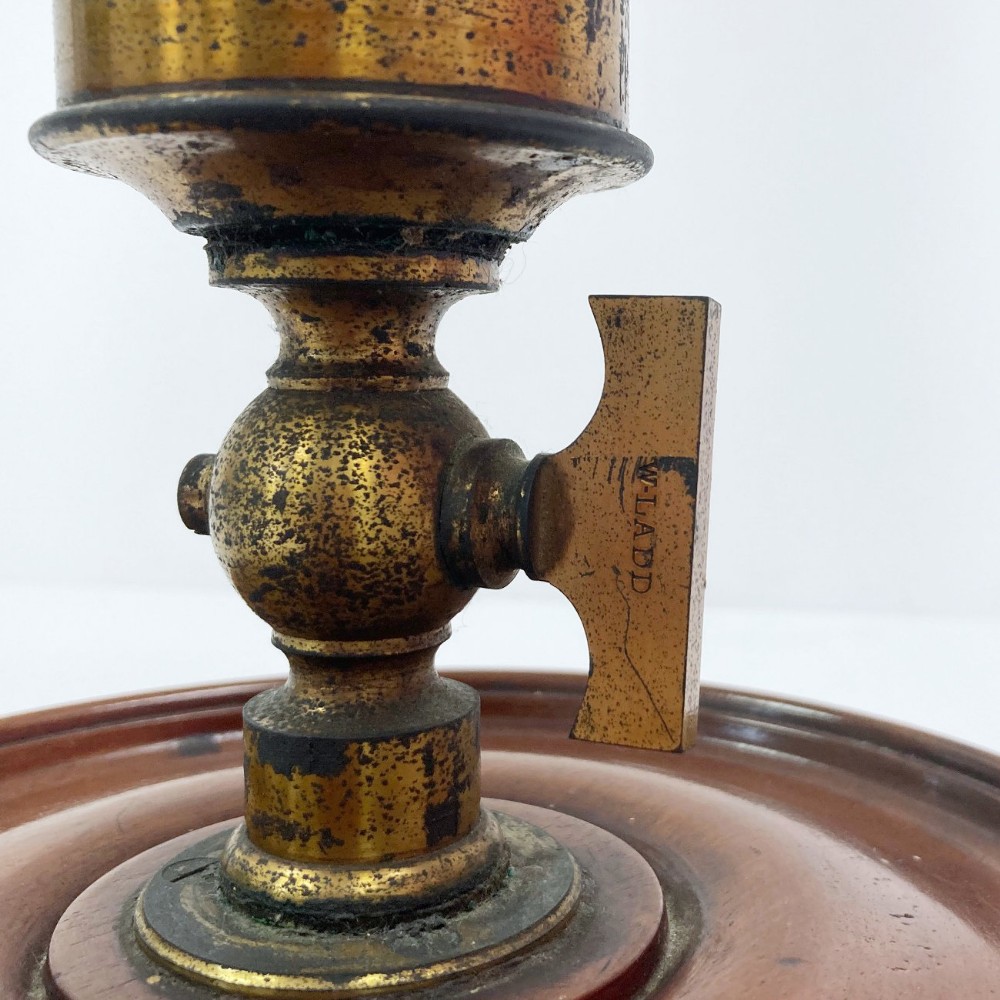
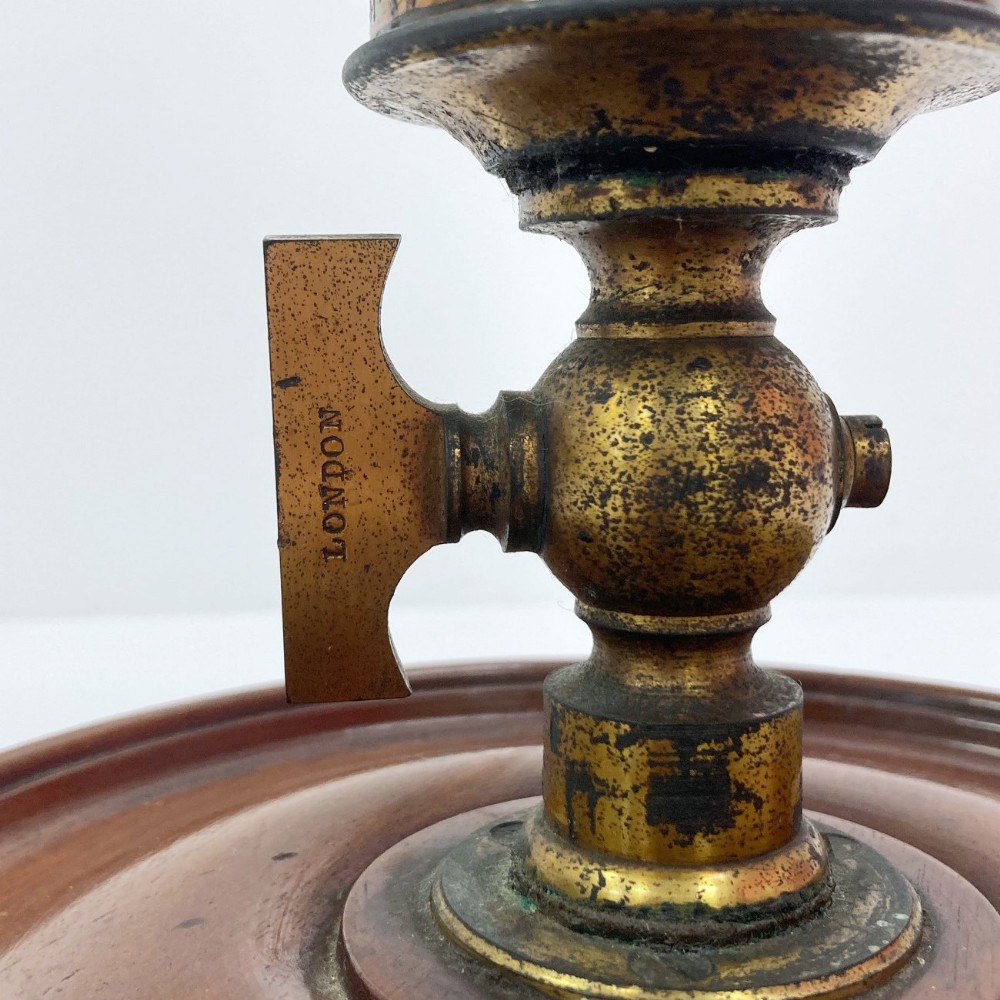
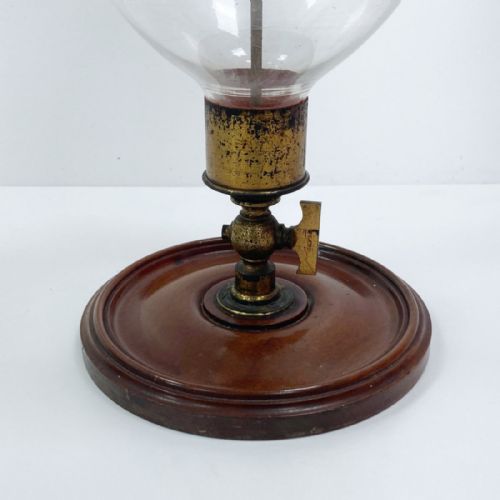
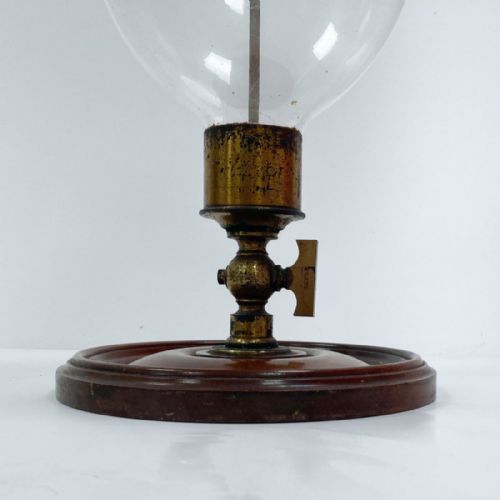
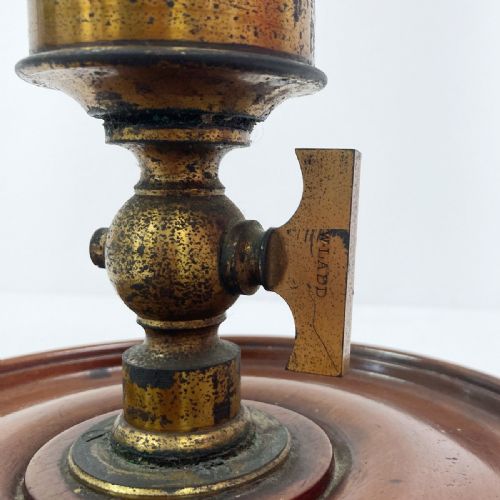
Comprised of a turned mahogany base with brass cup fitting and release valve engraved to W Ladd, London. The cup provides the seat into which the ovoid formed glass flask is positioned and also holds the lower electrode in place within the flask.
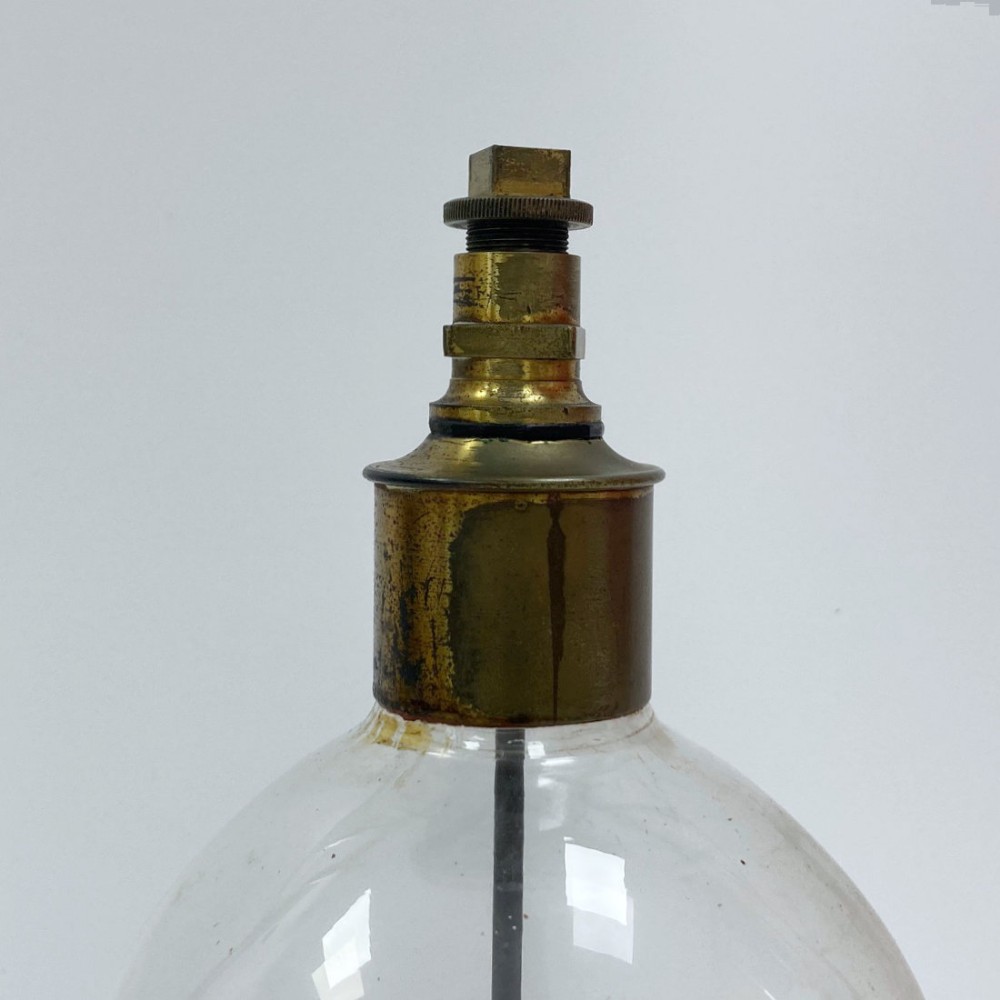
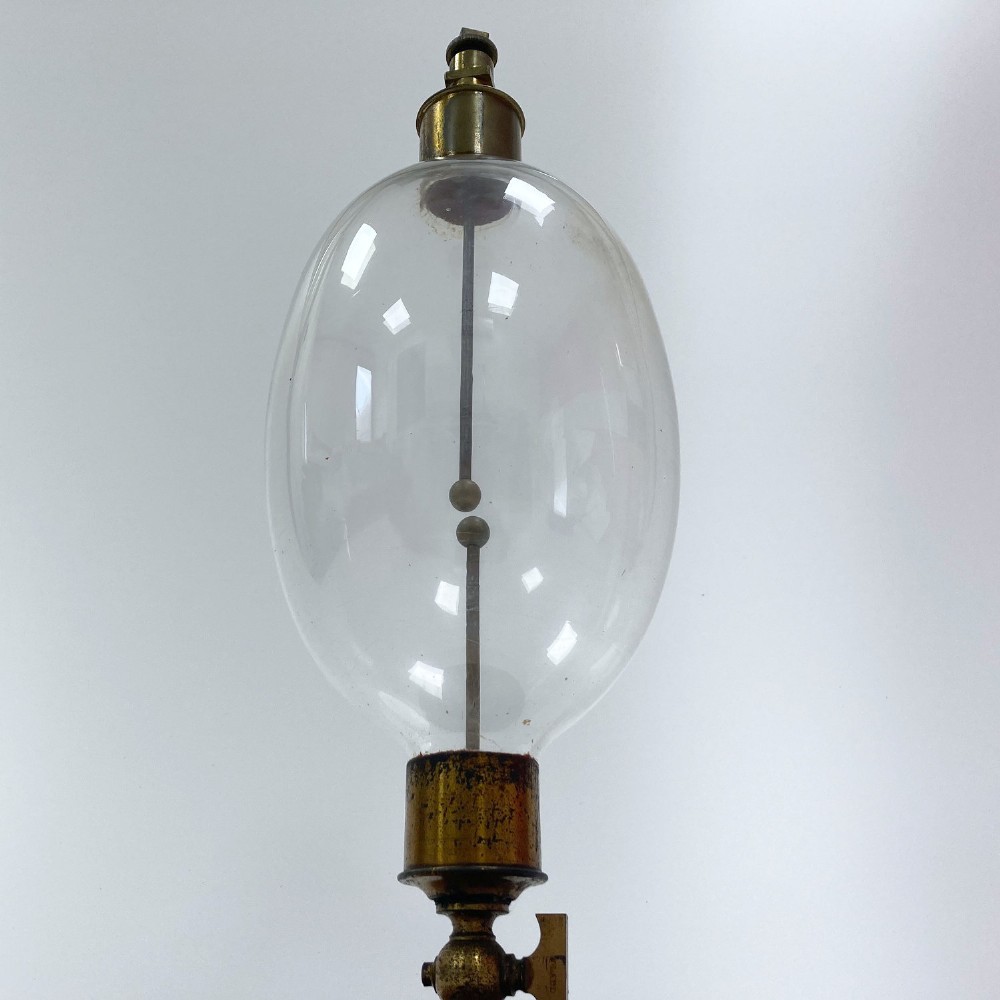
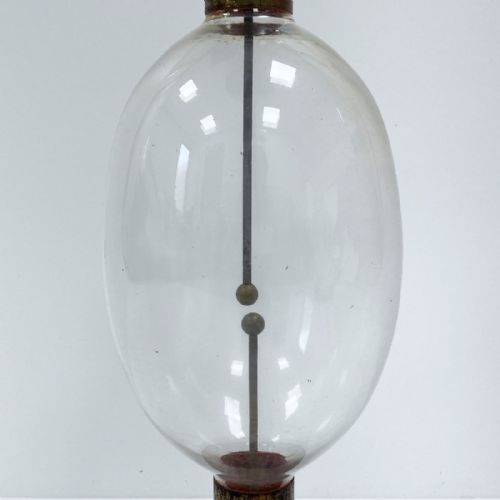
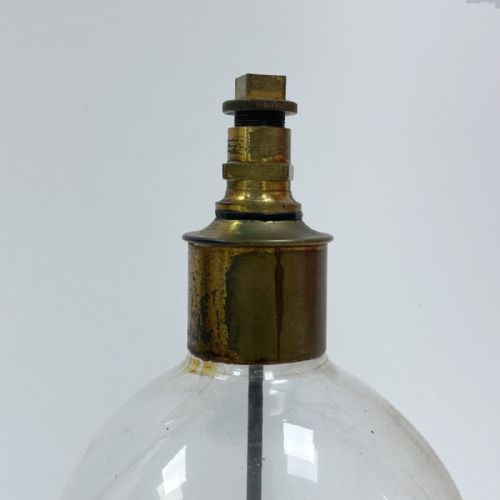
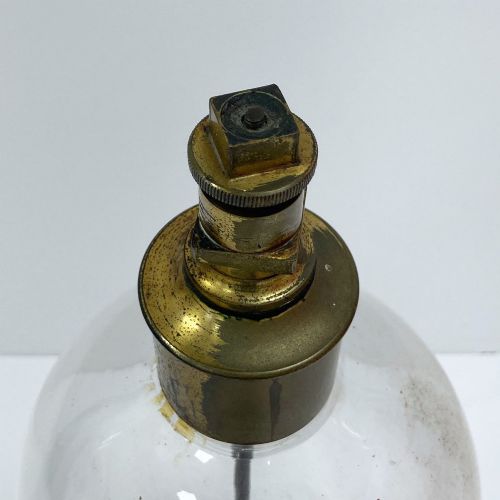
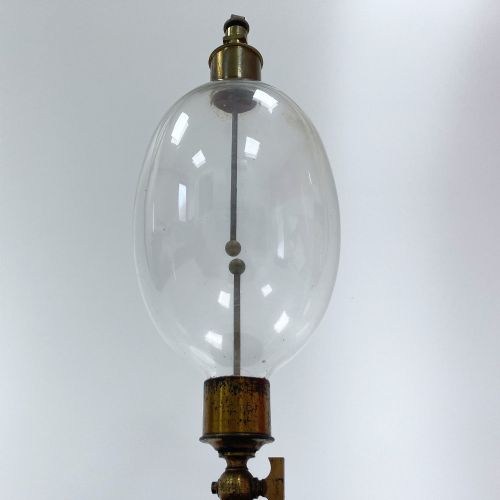
A similar inverted brass cup is attached to the peak of the flask and through which a second, longer electrode is introduced at the top, screwed in by means of a second threaded section. This allow the electrode’s length and subsequent spark gap within the vessel to be shortened or lengthened accordingly.
This apparatus was original designed by the famous electrical engineer, Michael Faraday (1791 – 1867) initially to confirm whether atmosphere or matter was required for an electric current to operate. By this means, a vacuum with internal electrodes could be created and a current applied externally. Having satisfied that the presence of a vacuum did not impede the current, he went on to discover that the use of different metals for the electrodes and different gases would affect the colour of the spark emitted. A principle that eventually resulted in the development of spectroscopy.
This example retains the important maker’s engraving for William Ladd who is known to have worked on instruments for Faraday and The Royal Institution so his affiliation to early modern electrical experimentation is significant.
Born in Kent in 1815, little is known of his early life, but he began trading in London during the early 1840’s and after numerous changes of premises throughout the proceeding two decades, he finally settled at 11-12 Beak Street in 1860.
He enjoyed enough success to have exhibited at The Great exhibition, the 1862 Exhibition and the Paris Exposition and was a prominent member of numerous scientific societies during his career. His catalogues of the 1860’s certainly confirm his relationship with the Royal Institution and numerous Government departments both at home and abroad.
Ladd traded until 1882 at the Beak Street address where after the business was sold to Harvey & Peak who may have been workers or foreman at the business prior to their takeover. They certainly continued Ladd’s appointments with The Royal Institution, Universities and scientists in their early trading period pointing to an enduring level of confidence and trust in the successor’s abilities.
Harvey & Peak continued to trade from Beak Street from 1882 until 1891 whereafter they moved to Charing Cross Road. The partnership was dissolved in 1899 but William George Harvey maintained the business until 1909.
A hugely important piece of electrostatic experimental apparatus. Presumably due to their fragile nature, these are seldom encountered other than in text books or trade catalogues from the period. To find an example by one of the foremost electrical instrument makers of the period, who had a direct with Faraday himself is extraordinarily rare.

The height is 54cms with a glass diameter of 18cms.

Circa 1850

Physical Dimensions
Height
54cm (21.26")
Width
18cm (7.09")
Depth
18cm (7.09")
Declaration

Jason Clarke Antiques has dated this Victorian Faraday Egg Apparatus to the 1850s.

Reference Numbers
Sellingantiques Reference
SA940218
Description
For sale, a large-scale Victorian Faraday’s electric egg experiment by William Ladd of London.
Comprised of a turned mahogany base with brass cup fitting and release valve engraved to W Ladd, London.
Jason Clarke Antiques

The cup provides the seat into which the ovoid formed glass flask is positioned and also holds the lower electrode in place within the flask.

fig 1. A Victorian Faradays Egg scientific apparatus featuring an oval clear glass bulb with internal brass electrodes, mounted on a brass valve and turned mahogany base.
fig 1. Victorian Faradays Egg Experiment by William Ladd, London

A similar inverted brass cup is attached to the peak of the flask and through which a second, longer electrode is introduced at the top, screwed in by means of a second threaded section. This allow the electrode’s length and subsequent spark gap within the vessel to be shortened or lengthened accordingly.

fig 2. A Victorian Faradays Egg scientific apparatus featuring an oval clear glass bulb with internal brass electrodes, mounted on a brass valve and turned mahogany base.
fig 2. Victorian Faradays Egg Experiment by William Ladd, London

This apparatus was original designed by the famous electrical engineer, Michael Faraday (1791 – 1867) initially to confirm whether atmosphere or matter was required for an electric current to operate. By this means, a vacuum with internal electrodes could be created and a current applied externally. Having satisfied that the presence of a vacuum did not impede the current, he went on to discover that the use of different metals for the electrodes and different gases would affect the colour of the spark emitted. A principle that eventually resulted in the development of spectroscopy.

fig 3. A Victorian Faradays Egg scientific apparatus featuring an oval clear glass bulb with internal brass electrodes, mounted on a brass valve and turned mahogany base.
fig 3. Victorian Faradays Egg Experiment by William Ladd, London

This example retains the important maker’s engraving for William Ladd who is known to have worked on instruments for Faraday and The Royal Institution so his affiliation to early modern electrical experimentation is significant.

fig 4. A Victorian Faradays Egg scientific apparatus featuring an oval clear glass bulb with internal brass electrodes, mounted on a brass valve and turned mahogany base.
fig 4. Victorian Faradays Egg Experiment by William Ladd, London

Born in Kent in 1815, little is known of his early life, but he began trading in London during the early 1840’s and after numerous changes of premises throughout the proceeding two decades, he finally settled at 11-12 Beak Street in 1860.

fig 5. A Victorian Faradays Egg scientific apparatus featuring an oval clear glass bulb with internal brass electrodes, mounted on a brass valve and turned mahogany base.
fig 5. Victorian Faradays Egg Experiment by William Ladd, London

He enjoyed enough success to have exhibited at The Great exhibition, the 1862 Exhibition and the Paris Exposition and was a prominent member of numerous scientific societies during his career. His catalogues of the 1860’s certainly confirm his relationship with the Royal Institution and numerous Government departments both at home and abroad.

fig 6. A Victorian Faradays Egg scientific apparatus featuring an oval clear glass bulb with internal brass electrodes, mounted on a brass valve and turned mahogany base.
fig 6. Victorian Faradays Egg Experiment by William Ladd, London

Ladd traded until 1882 at the Beak Street address where after the business was sold to Harvey & Peak who may have been workers or foreman at the business prior to their takeover. They certainly continued Ladd’s appointments with The Royal Institution, Universities and scientists in their early trading period pointing to an enduring level of confidence and trust in the successor’s abilities.

fig 7. A Victorian Faradays Egg scientific apparatus featuring an oval clear glass bulb with internal brass electrodes, mounted on a brass valve and turned mahogany base.
fig 7. Victorian Faradays Egg Experiment by William Ladd, London

Harvey & Peak continued to trade from Beak Street from 1882 until 1891 whereafter they moved to Charing Cross Road. The partnership was dissolved in 1899 but William George Harvey maintained the business until 1909.

fig 8. A Victorian Faradays Egg scientific apparatus featuring an oval clear glass bulb with internal brass electrodes, mounted on a brass valve and turned mahogany base.
fig 8. Victorian Faradays Egg Experiment by William Ladd, London

A hugely important piece of electrostatic experimental apparatus. Presumably due to their fragile nature, these are seldom encountered other than in text books or trade catalogues from the period. To find an example by one of the foremost electrical instrument makers of the period, who had a direct with Faraday himself is extraordinarily rare.

The height is 54cms with a glass diameter of 18cms.

Circa 1850

Height
54cm (21.26")
Width
18cm (7.09")
Depth
18cm (7.09")
Date of Manufacture

Jason Clarke Antiques has dated this Victorian Faraday Egg Apparatus to the 1850s.

Reference Numbers
Sellingantiques Ref
SA940218
Jason Clarke Antiques
Sellingantiques verified Since Jul 2015
Dealer Profile

You can view the stock and full dealer information on the Jason Clarke Antiques Profile Page

PDF SHARE
SAVE
A Victorian Faradays Egg scientific apparatus featuring an oval clear glass bulb with internal brass electrodes, mounted on a brass valve and turned mahogany base.
1 / 10
Archive I A Victorian Faradays Egg scientific apparatus featuring an oval clear glass bulb with internal brass electrodes, mounted on a brass valve and turned mahogany base.

Victorian Faradays Egg Experiment by William Ladd, London
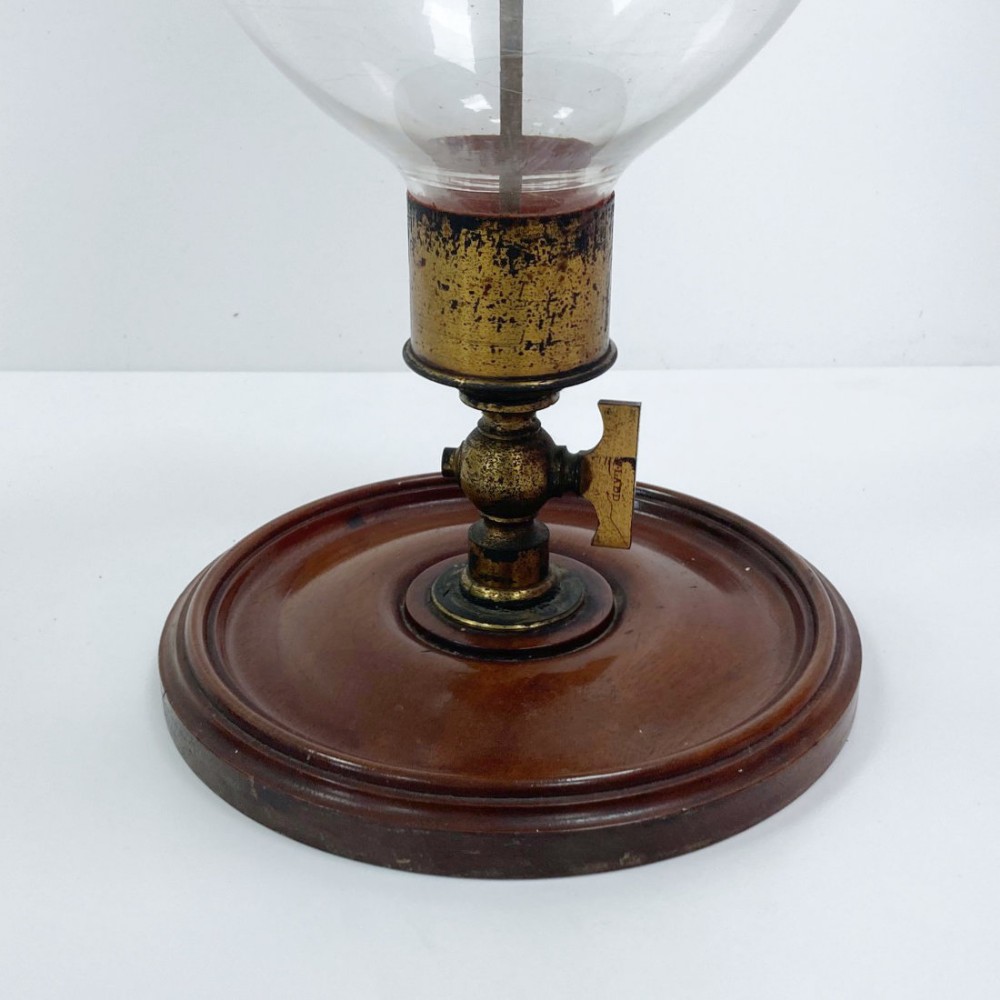
Archive II A Victorian Faradays Egg scientific apparatus featuring an oval clear glass bulb with internal brass electrodes, mounted on a brass valve and turned mahogany base. View II
Archive III A Victorian Faradays Egg scientific apparatus featuring an oval clear glass bulb with internal brass electrodes, mounted on a brass valve and turned mahogany base. View III
Archive IV A Victorian Faradays Egg scientific apparatus featuring an oval clear glass bulb with internal brass electrodes, mounted on a brass valve and turned mahogany base. View IV
Archive V A Victorian Faradays Egg scientific apparatus featuring an oval clear glass bulb with internal brass electrodes, mounted on a brass valve and turned mahogany base. View V
Archive VI A Victorian Faradays Egg scientific apparatus featuring an oval clear glass bulb with internal brass electrodes, mounted on a brass valve and turned mahogany base. View VI
Archive VII A Victorian Faradays Egg scientific apparatus featuring an oval clear glass bulb with internal brass electrodes, mounted on a brass valve and turned mahogany base. View VII
Archive VIII A Victorian Faradays Egg scientific apparatus featuring an oval clear glass bulb with internal brass electrodes, mounted on a brass valve and turned mahogany base. View VIII
Archive IX A Victorian Faradays Egg scientific apparatus featuring an oval clear glass bulb with internal brass electrodes, mounted on a brass valve and turned mahogany base. View IX
Archive X A Victorian Faradays Egg scientific apparatus featuring an oval clear glass bulb with internal brass electrodes, mounted on a brass valve and turned mahogany base. View X
Enlarged Archival View
Telephone 07815 046645
Location
Newbury
Berkshire
United Kingdom
Verified Since Jul 2015
Items For Sale 79
Items Sold 608
Jason Clarke Antiques
Verified Since Jul 2015
View Dealer Info
Location: Newbury, Berkshire, United Kingdom
Verified
Jul 2015
For Sale
79
Sold
608
A Victorian Faradays Egg scientific apparatus featuring an oval clear glass bulb with internal brass electrodes, mounted on a brass valve and turned mahogany base.
Victorian Faradays Egg Experiment by William Ladd, London
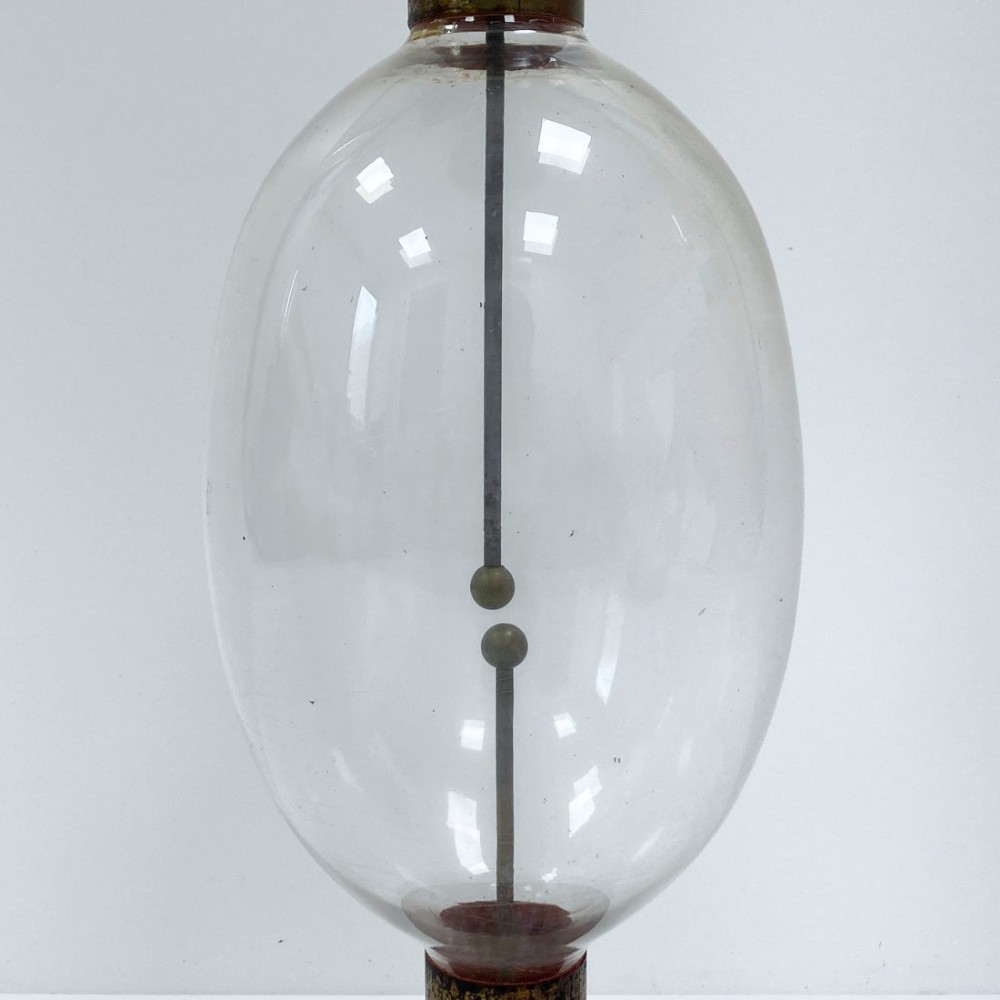
Ref: SA940218
A Victorian Faradays Egg scientific apparatus featuring an oval clear glass bulb with internal brass electrodes, mounted on a brass valve and turned mahogany base.
Detail View 1
Detail View 2
Detail View 3
Detail View 4
Detail View 5
Detail View 6
Detail View 7
Detail View 8
Detail View 9
Archival Detail
Every single antique dealer on our platform is individually approved by our internal team. We verify their professional trade history, ethical standards, and photographic quality to ensure a secure, high-standard buying environment. Upon joining, every dealer agrees to a strict 9-point code of conduct. While issues can occasionally arise, our dealers typically resolve them swiftly and directly with the buyer. In fact, since our founding in 2002, Sellingantiques has only had to step in to help resolve an issue on roughly five occasions—a true testament to the quality of our dealers and their dedication to your happiness.
Our dealers are highly experienced in packing and shipping fragile, high-value antiques. Because you are in direct contact with the dealer, you will be able to easily go through all available shipping and insurance options together to ensure your item arrives safely.
Antiques are the ultimate green purchase. By choosing historical pieces over newly manufactured goods, you completely eliminate the carbon footprint of modern mass production while preserving exceptional, timeless craftsmanship.

A Faradays Egg is a 19th-century scientific instrument consisting of an evacuated glass vessel used to demonstrate electrical discharge in a partial vacuum and simulate atmospheric phenomena such as the aurora borealis.

These instruments were typically constructed using hand-blown clear glass, precision-machined brass fittings with stopcock valves, and turned timber bases such as mahogany or walnut.

Authentic period pieces often feature stamped or engraved maker marks from recognised London scientific instrument makers, period-appropriate fine thread pitch on brass components, hand-turned wooden bases, and natural oxidisation on metal surfaces.

This item can be displayed on a dark wood bookshelf, a study desk, or styled alongside books and framed prints on a sideboard to add historical interest and dark academia character.

Dust gently using a dry microfibre cloth, avoid liquid solvents or abrasive polishes on the glass, and apply a light coating of microcrystalline wax to preserve brass components from excessive tarnishing.
items
Add keywords to the filter
Price
£100
£250000
Era
Movements
Material
Origin
Stock Location
Freshness
Online Payments
Categories