



Brass Scientific Apparatus
Brass scientific apparatus brings precision engineering into the interior, offering functional beauty through historic laboratory and measuring instruments.
Brass Scientific Apparatus
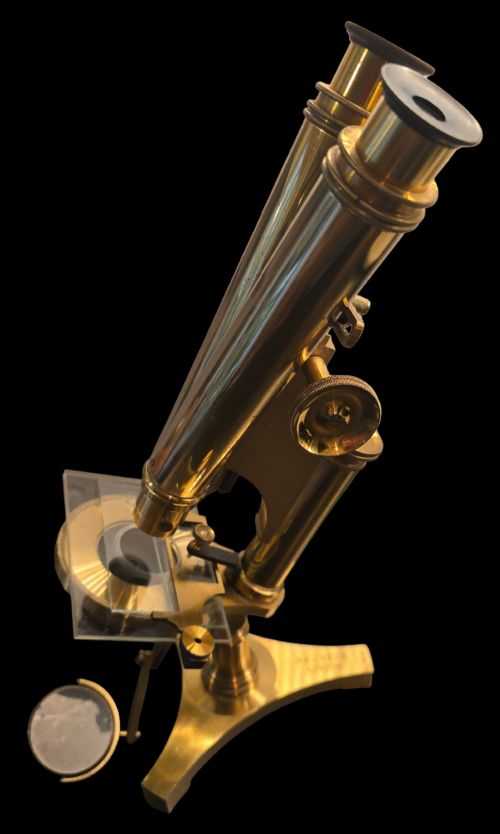
Brass scientific apparatus comprises historic laboratory instruments, demonstration models, and measuring devices spanning the nineteenth and twentieth centuries. These pieces reflect the rapid industrial and scientific development of the Victorian, Edwardian, and later periods.
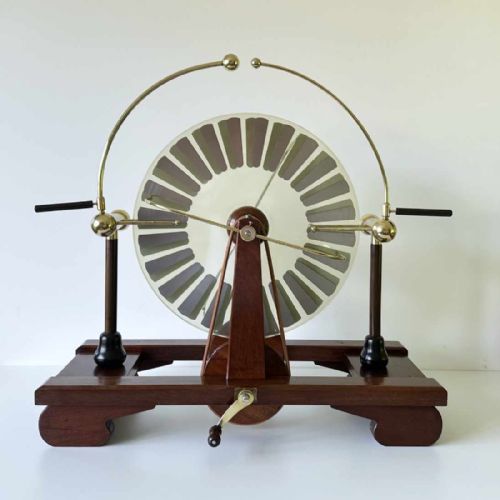
Buyers encounter items ranging from delicate meteorological gauges to large electrostatic machines mounted on timber bases. Each object displays the utilitarian design and material honesty characteristic of scientific instrument making.
How they were made
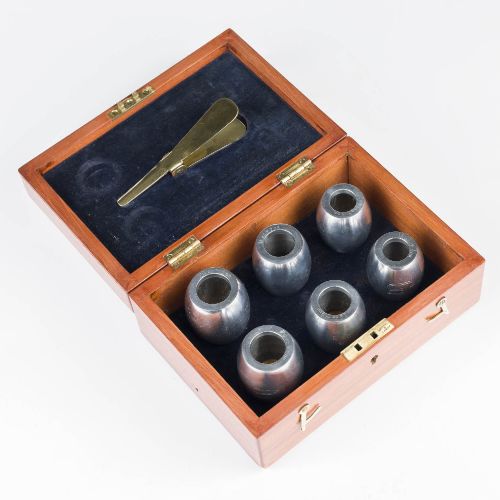
Makers constructed these instruments primarily from polished brass, often combined with mahogany, boxwood, glass, and cast iron components. Timber cases frequently lined with velvet or fitted with brass hardware protected delicate internal mechanisms during transport and storage.
Metal parts were cast, turned, and hand-finished with meticulous precision to ensure accurate mechanical and optical performance. Graduations, maker inscriptions, and scale markings were hand-engraved or etched directly onto the metal surfaces.
Brass Scientific Apparatus Retail Price Guide 2026
Typical asking prices for brass scientific apparatus among the pieces listed under this phrase on Sellingantiques today, from the lower quarter to the upper quarter. They describe what is for sale here now, not the wider market.
The selection includes meteorological instruments, electrical demonstration models, and industrial testing apparatus from British and French workshops.
What varies in quality
Quality in brass scientific apparatus rests on the crispness of the metalwork, the complexity of the movement, and the survival of original fitted cases. Pieces produced by renowned makers display superior finishing on hidden components and more robust structural design.
The presence of specialised accessories, complete glass elements, and signed maker plaques elevates an instrument from standard utility production to high-grade scientific artefact. Retention of original surface patination without aggressive cleaning also defines a superior specimen.
De Grave Short and Co·G Adam·R and J Beck·Robert Brettell Bate·Poulenc Freres·Alfred Apps·Negretti and Zambra·Goodbrands·Watkins and Hill·Swift and Son·Max Kohl·Heinrich Daniel Ruhmkorff·William Ladd·Air Ministry·Physica
The Brass Scientific Apparatus Glossary
- Galvanometer
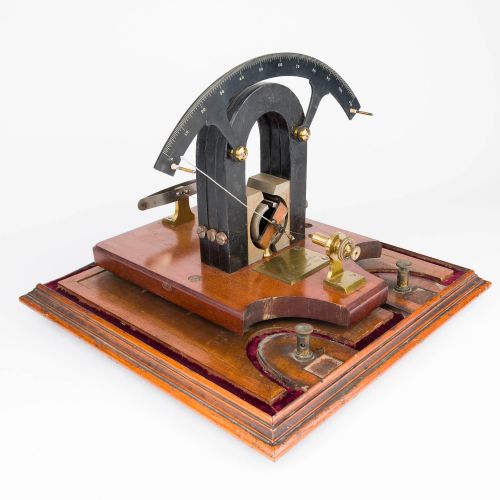
- An instrument used for detecting and measuring small electric currents. Early versions utilised magnetic needles suspended within coils of wire.
- Barograph
- A recording barometer that produces a continuous graphical record of atmospheric pressure over time. These units typically feature a clockwork drum movement housed beneath a glass and mahogany cover.
- Theodolite
- A precision optical instrument used for measuring horizontal and vertical angles in surveying. It relies on a telescope mounted on trunnions within a graduated brass circle.
- Thermoscope
- An early type of thermometer that indicates changes in temperature without necessarily measuring them on a standard numerical scale. They often utilise boxwood and glass components in their construction.
- Geissler tube
- An early sealed glass discharge tube used to demonstrate electrical principles involving low-pressure gases. They display luminous glow patterns when subjected to high voltage.
Brass Scientific Apparatus: Frequently Asked Questions
How do I clean brass scientific instruments?
Dust gently with a soft, dry brush to preserve the historic surface patination and avoid wearing down fine engraved details. Aggressive metal polishes strip away age and remove original lacquer.
Keep wooden cases and glass components conditioned with appropriate museum-grade waxes or simple lint-free cloths.
Are these old scientific instruments still accurate?
Most pieces function primarily as decorative antiques or educational display objects rather than calibrated modern tools. Over decades, delicate internal linkages and glass components may shift or lose exact calibration.
Professional restoration can sometimes restore function, but many collectors prefer preserving the original mechanical state.
What is the difference between a barograph and a barometer?
A barometer measures current atmospheric pressure at a single moment using a dial or liquid column. A barograph records that pressure continuously onto a rotating paper chart.
Barographs require clockwork drum movements, making them more mechanically complex than standard wall barometers.
Why do some instruments come in mahogany cases?
Fitted wooden cases protected delicate scientific instruments from dust, moisture, and impact during transport between laboratories or field sites. Mahogany provided a dense, stable timber that resisted warping.
Original fitted boxes with velvet linings significantly enhance the historical integrity and completeness of an apparatus.
How can I identify the maker of an instrument?
Makers typically engraved their company name, city, and sometimes a specific street address directly onto the brass scale plate or housing. Signature plaques and paper retail labels inside fitted cases also provide clear attribution.
Comparing patent dates and style traits helps date unmarked educational or industrial demonstration pieces.