




Antique Curiosity Instrument
These antique curiosity instrument pieces span scientific apparatus, medical antiques, and specimen cabinets designed to measure, test, or display.
Antique Curiosity Instrument
When you search for antique curiosity instrument, you encounter scientific and medical apparatus spanning Georgian, Regency, Victorian, Edwardian, and mid-century periods. The selections include travelling compass sundials, anemometers, microscopes, and electrical devices.
Most items you meet here date from the nineteenth century, including scientific instruments and medical antiques built for specific technical or observational purposes. Specimen cabinets also appear alongside experimental machines.
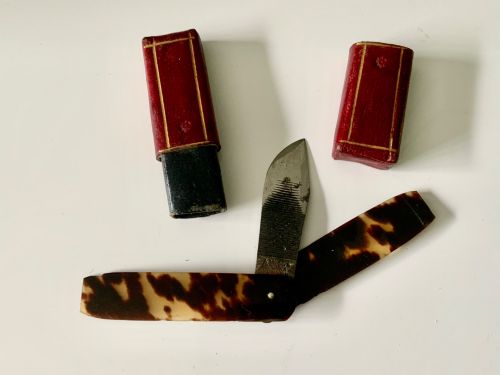
The objects originate from workshops and makers of their respective eras, utilising brass, glass, mahogany, steel, tortoiseshell, leather, and turned wood. Their forms reflect the practical and scientific pursuits of past centuries.
How they were made
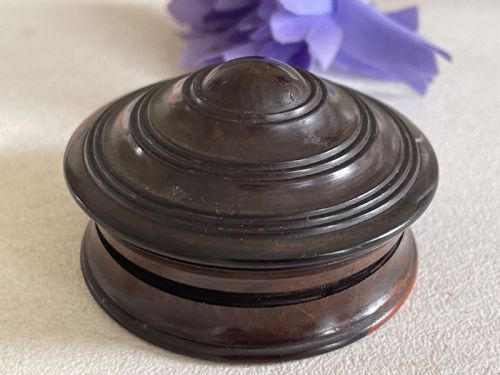
Makers constructed these items using combinations of brass, steel, and glass housed in wood frames or mahogany and turned wood cases. Leather and tortoiseshell also appear on travelling items and instrument housings.
Metal components show precise turning, engraving, and assembly, while wooden cabinets feature fitted interiors designed to hold delicate scientific apparatus or microscope slides securely.
Materials documented across the collection include brass, mahogany, tortoiseshell, steel, and turned wood.
What varies in quality
Quality rests in the precision of the mechanics, the integrity of the original materials like brass and glass, and the sophistication of the design. Marked pieces by known instrument makers hold particular distinction.
The refinement of the cabinetry on slide cabinets and instrument boxes, along with the survival of delicate glass tubes or needles, dictates the standing of an individual piece.
Negretti and Zambra·Watkins and Hill·William Ladd
The Antique Curiosity Instrument Glossary
- Anemometer
- An instrument for measuring the speed of the wind. Lind's pattern examples use liquid columns to determine pressure.
- Thermoscope
- A device that shows changes in temperature without necessarily measuring them on a standard scale. Boxwood versions were common in the Regency period.
- Geissler tube
- A sealed glass cylinder used to demonstrate electrical discharge through gases. They often feature vacuum scales.
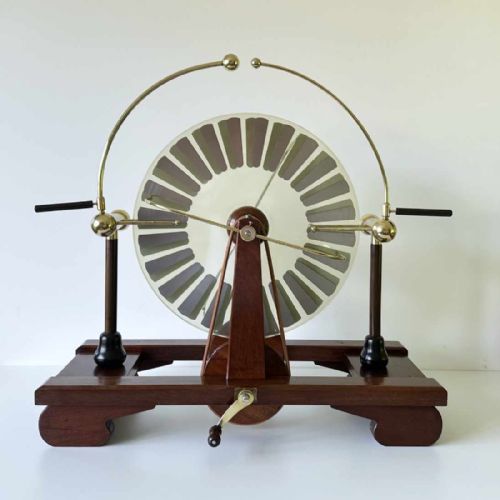
- Wimshurst machine
- An electrostatic generator operated by turning two large contra-rotating plates. They produced high voltages for experimental use.
- Specimen cabinet
- A specialised piece of furniture with multiple shallow drawers designed for storing collections. Collectors used them for microscope slides and natural history specimens.
Antique Curiosity Instrument: Frequently Asked Questions
What is an antique scientific instrument used for?
These devices served practical functions in navigation, meteorology, medicine, and physics experimentation during the eighteenth, nineteenth, and early twentieth centuries.
Many were built for professionals like doctors and surveyors, while others were intended for educational demonstrations or private collections.
How do I date a scientific instrument?
Dating relies on the materials used, the style of the engraving, and any maker signatures or patent dates inscribed on the brass or wood. Comparing the mechanism to documented examples from specific decades helps establish age.
Changes in scientific technology also provide clues, as certain inventions like specific electrical devices only appeared after particular technological breakthroughs.
Are these medical and scientific antiques still functional?
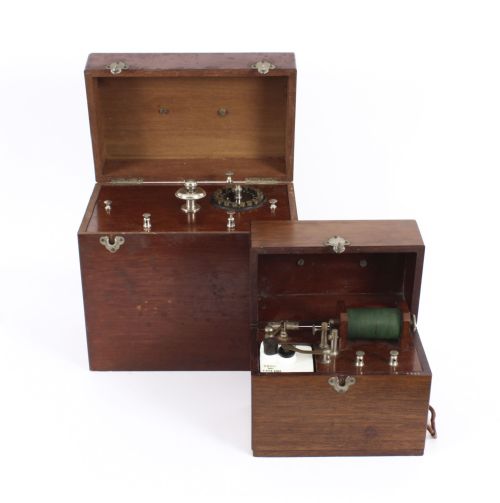
Some mechanical items and optical instruments remain operable, while others are collected strictly for their historical and aesthetic interest. Electrical apparatus from the nineteenth century is generally treated as display pieces.
Operation depends entirely on the survival and condition of fragile components like glass bulbs, fine wires, and delicate internal linkages.
How should I display a specimen cabinet?
Specimen cabinets suit studies, libraries, or living rooms where their fitted drawers and fine woods can be appreciated. Keeping them away from direct sunlight and excessive humidity protects the timber and internal linings.
The shallow drawers are ideal for housing small collections of natural objects, coins, or historic slides.