


Vintage Scientific Decor
Vintage scientific decor offers functional laboratory instruments and educational natural history prints that bring precise curiosity and historical craftsmanship into modern interiors.
Vintage Scientific Decor
Vintage scientific decor encompasses historical instruments, framed engravings, and educational models originating from the eighteenth century to the mid-twentieth century. Buyers searching this phrase encounter practical laboratory apparatus alongside framed botanical or anatomical studies.
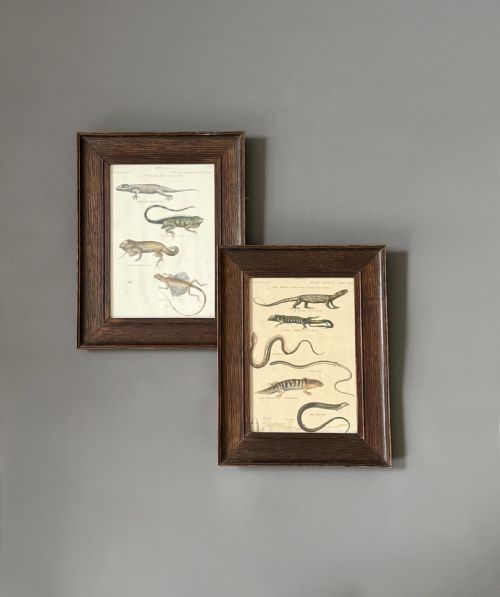
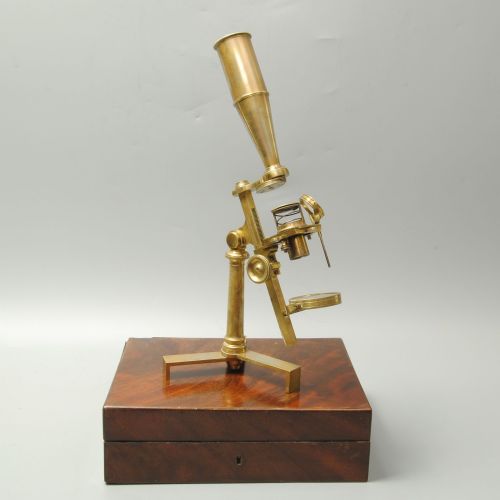
The pieces on this page span diverse stylistic periods, ranging from Georgian and Regency eras through Victorian Gothic to mid-century industrial designs. Common forms include barometers, microscopes, thermometers, and framed natural history prints.
Origins vary from British instrument makers to continental European workshops and educational publishers. Each piece reflects the empirical pursuits and technical training methods of its specific historical period.
Materials and construction
Makers utilised durable materials suited to precise measurement and daily laboratory use, combining brass and steel with dense hardwoods such as oak, mahogany, and boxwood. Glass appears extensively in barometer tubes, microscope lenses, and instrument covers.
Skilful anatomists once moonlighted as engravers, ensuring every single muscle fibre was scientifically sound before it graced a drawing room wall.
Assessing quality in scientific objects
Quality rests upon the precision of the original manufacture, the legibility of engraved maker inscriptions, and the integrity of delicate glass or brass components. Fine examples retain their original fitted wooden cases and operational mechanical parts.
Engravings and prints depend on the clarity of the plate impression and the preservation of hand-applied hand-colouring. Superior pieces demonstrate meticulous calibration and robust architectural housing appropriate to serious scientific study.
William Bird MD FLS·Short And Mason·Merkelbach And Co·Watkins And Hill·Dollond London·Physica
The Vintage Scientific Decor Glossary
- Barograph
- A self-recording barometer that plots atmospheric pressure over time onto a revolving drum. This instrument provides continuous meteorological data rather than a single point measurement.
- Thermoscope
- An early device that indicates relative temperature changes without offering a standardised numerical scale. These sensitive instruments often feature boxwood housings.
- Compound microscope
- An optical instrument utilising multiple lenses to achieve higher magnification of small specimens than a simple magnifying glass allows. These microscopes are frequently housed in fitted wooden cases.
- Anatomical engraving
- A printed illustration detailing human or animal muscular and skeletal structures for medical study. Such plates were often produced in series during the eighteenth century.
- Water pressure gauge
- An industrial instrument designed to measure fluid force within a closed system. These gauges reflect Edwardian engineering applications.
Vintage Scientific Decor: Frequently Asked Questions
What is vintage scientific decor?
Vintage scientific decor comprises historical laboratory equipment, precision instruments, and educational illustrations originating from past centuries. These items combine utility with striking industrial or natural history aesthetics.
Buyers select these objects to display working barometers, early microscopes, or framed anatomical engravings within contemporary living spaces.
How were barographs used?
Barographs recorded atmospheric pressure continuously over the course of a week onto specialised paper charts secured to a rotating drum. Meteorology enthusiasts relied on them to track impending weather changes.
In domestic settings, they served as both functional weather stations and impressive mechanical display pieces.
Are these scientific instruments still working?
Many instruments, including barometers and thermometers, retain their mechanical functionality and respond to current atmospheric conditions. Working education models of engines demonstrate historical instructional methods.
Certain items function primarily as decorative historical objects due to age or missing peripheral components.
How do I date a scientific instrument?
Dating relies on engraved maker signatures, patent dates, and stylistic indicators associated with periods like the Regency or Victorian eras. The choice of materials, such as boxwood or early plastics, also indicates specific decades of production.
Accompanying documentation or maker directories help verify the active operational years of firms like Watkins and Hill or Dollond.
How should I display scientific instruments?
Scientific decor suits study rooms, libraries, and living spaces where their tactile brass, wood, and glass materials can be appreciated up close. Framed engravings benefit from placement away from direct sunlight to preserve the paper and ink.
Freestanding instruments require stable surfaces where their mechanical dials and cases remain safe from accidental knocks.