


A 2026 Guide by Sellingantiques
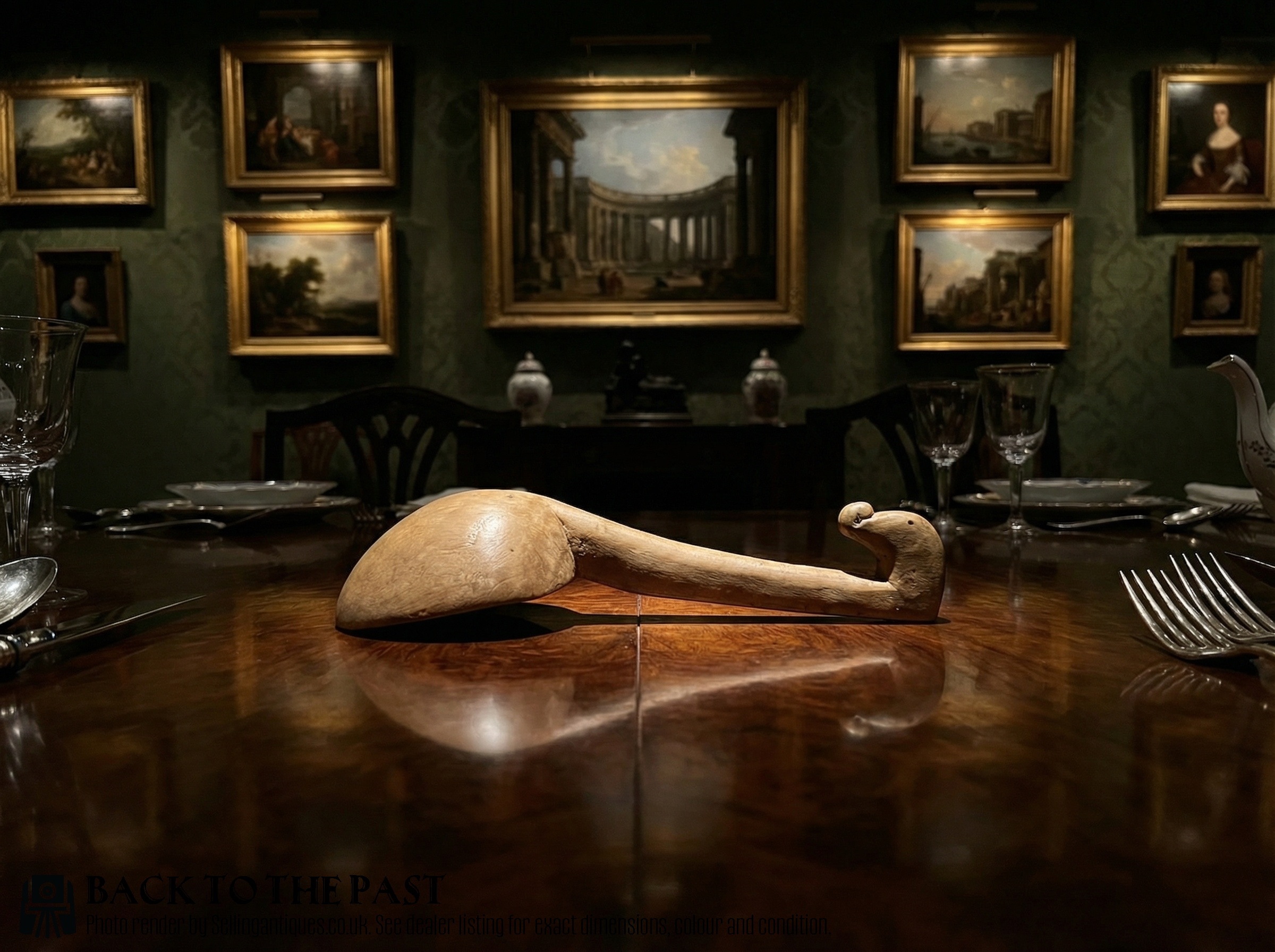
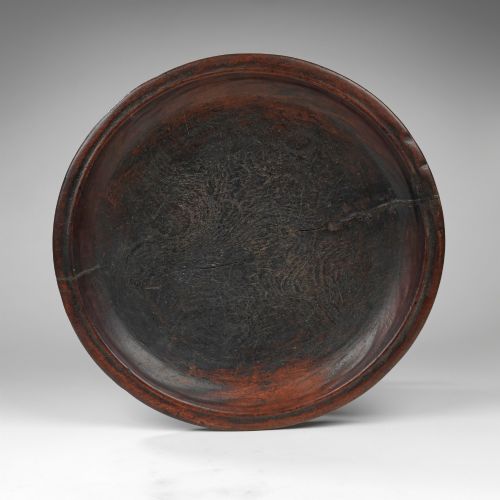
Treen Welsh Sycamore 19c Ladle, 19th Century
Priced at £60 from Mike Melody Antiques
Before factory ceramics became cheap, most rural households relied on wooden vessels for eating and drinking.
Look at the dramatic shift during the industrial revolution. Mass production of metal and pottery eventually pushed these hand-carved items out of the working kitchen.
Farm workers often whittled small tools or tokens during quiet evening hours by the fire.
Survivals of antique treen turn up from both humble cottages and the downstairs areas of grand estate houses.
Pay attention to regional variations. A bowl made in the Welsh valleys looks distinct from one turned in the Home Counties, reflecting local dietary habits.
Individual makers of everyday woodenware rarely signed their work or left written records.
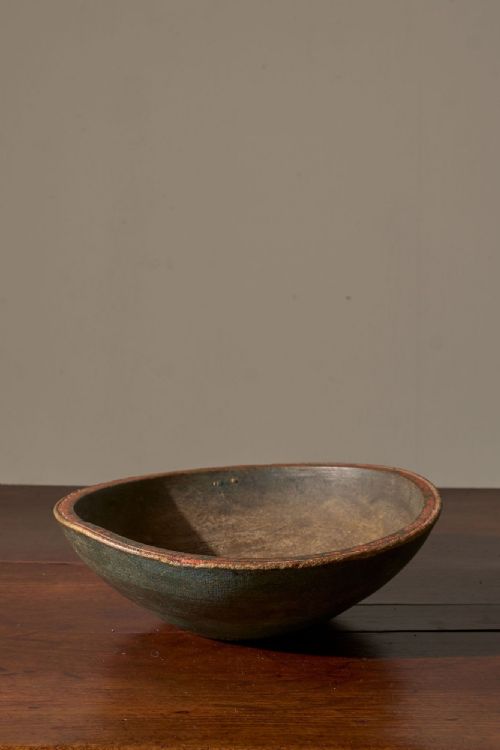
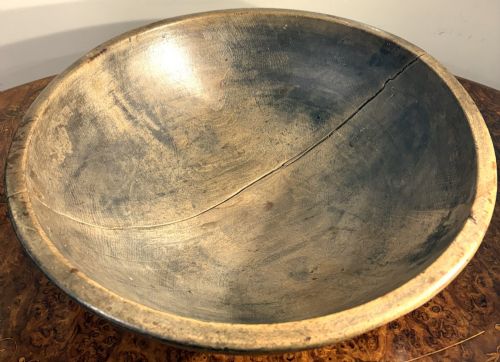
Concentrate on the regional trades instead of hunting for famous names. Welsh turners produced distinct sycamore dairy bowls and carved spoons that sold across local markets.
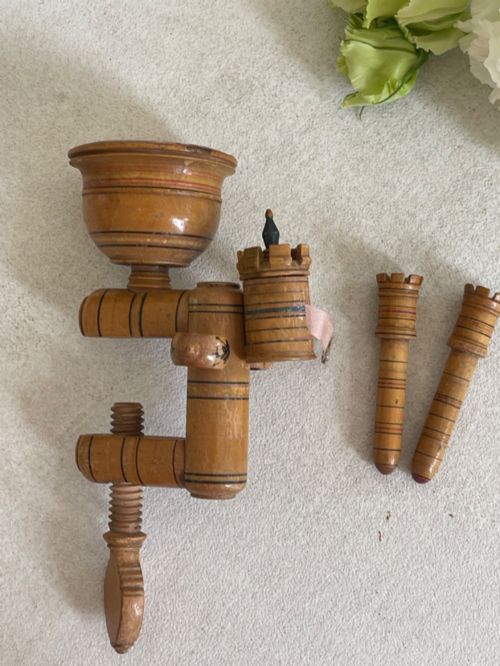
Tunbridge Wells supported a highly organised industry turning out painted wooden wares for the early tourist market.
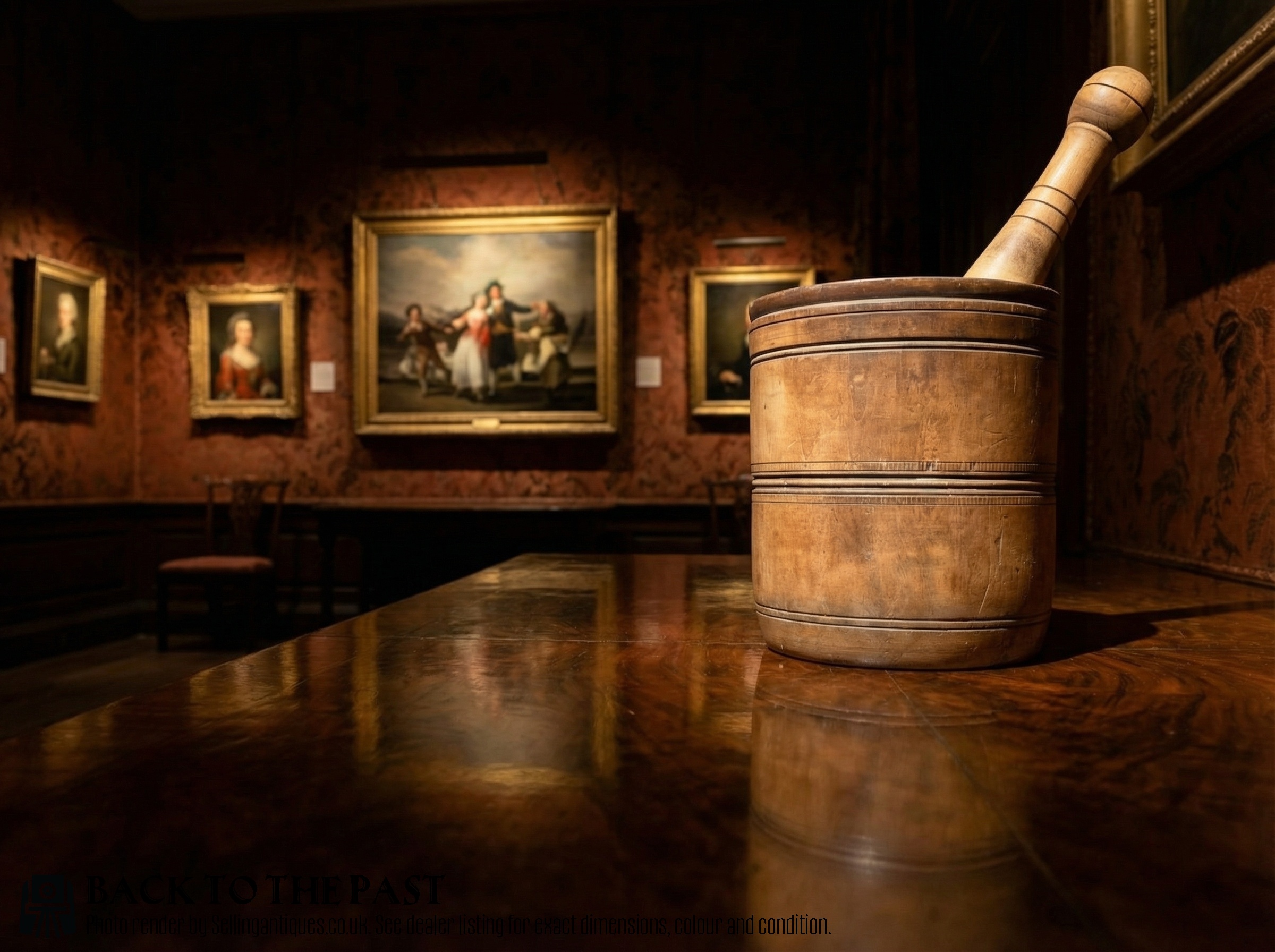
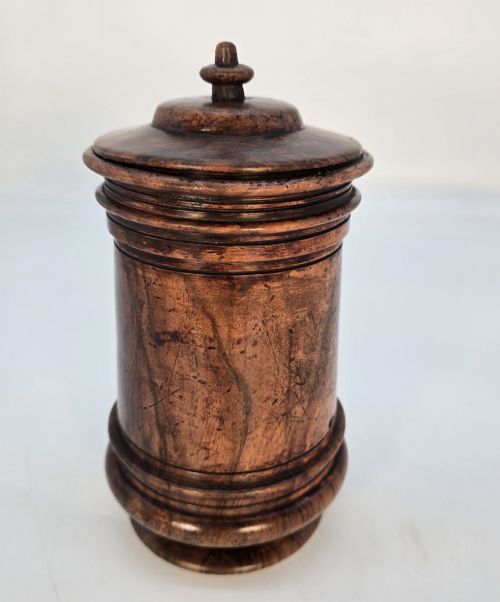
Large 18thc Country Treen Mortar and Pestle, 1800
Priced at £98 from Mike Melody Antiques
The 2026 retail price guide for Antique Treen is drawn from a proprietary archive of over 1.1 million retail prices indexed by Sellingantiques since 2003. This guide relies exclusively on their own internal data; no external sources or auction records are used.
Analysing nearly 25 years of UK antique market history alongside current retail values, the data indicates that typical UK retail prices for Antique Treen range between £100 and £400. Entry-level prices generally fall under £100 and premium examples upwards of £400.
Original tool marks frequently remain visible on the underside of earlier utilitarian pieces, showing how the maker shaped the raw timber on the lathe.
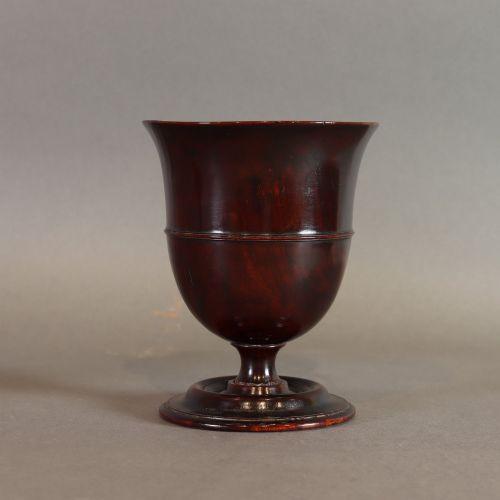
Check the patina. Generations of handling and polishing with beeswax build a dense, warm surface on antique treen.
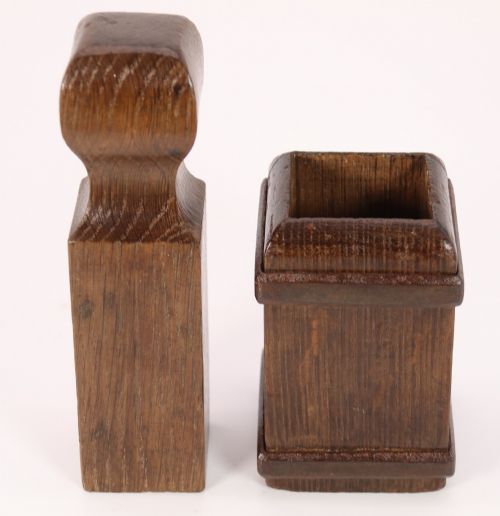
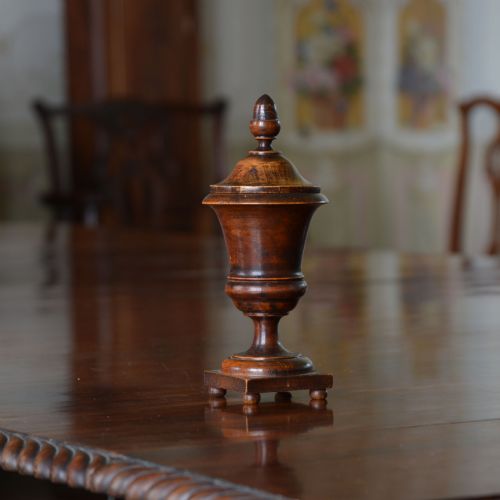
Friction-fitting lids on spice towers usually rely on a simple overlapping flange turned directly from the solid block.
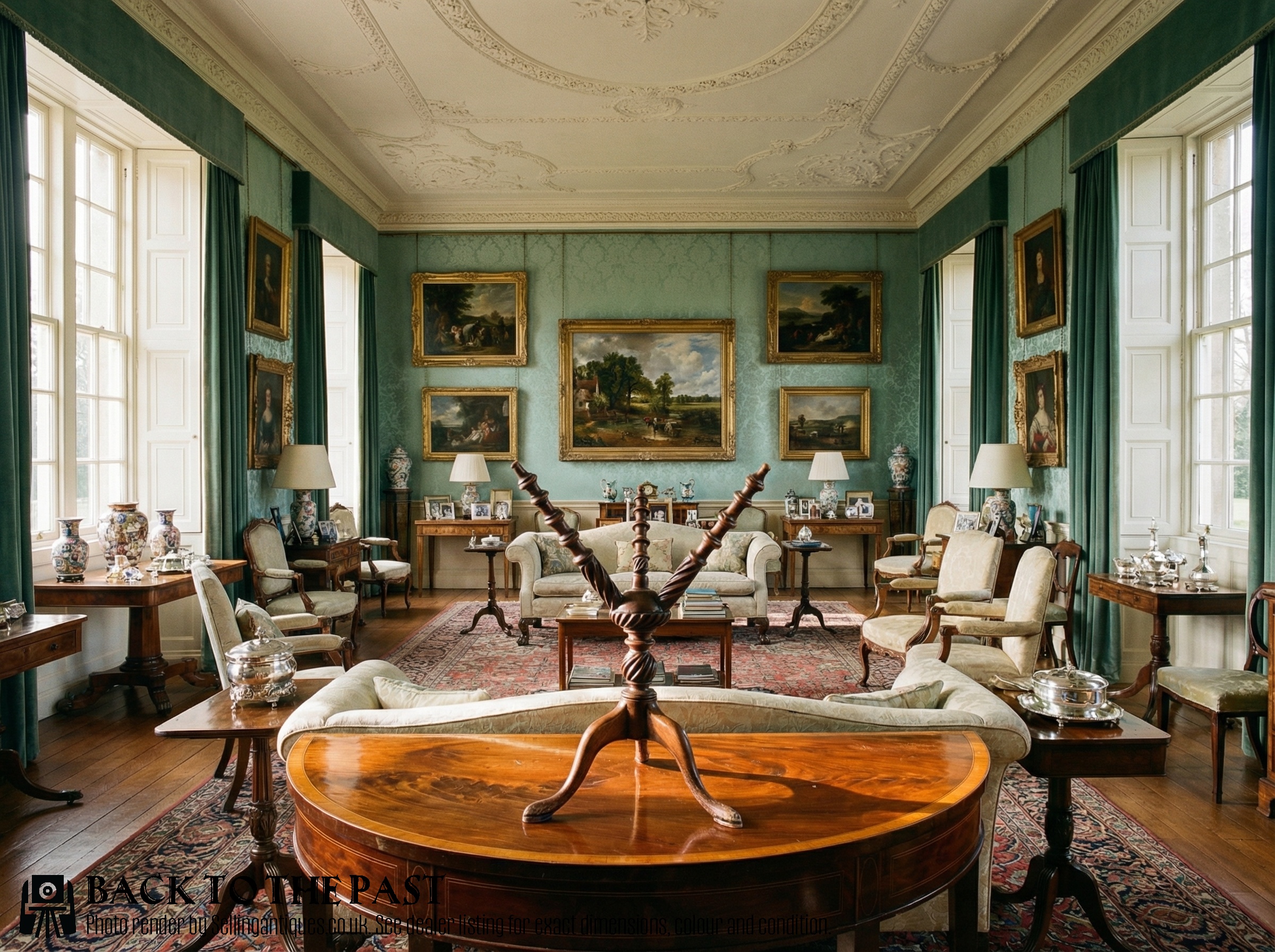
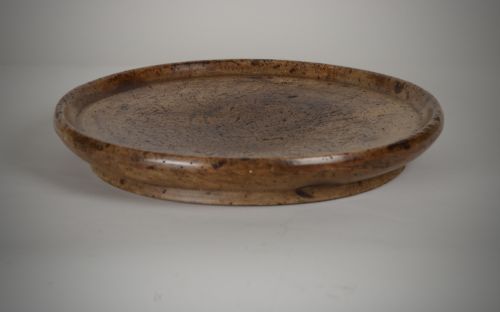
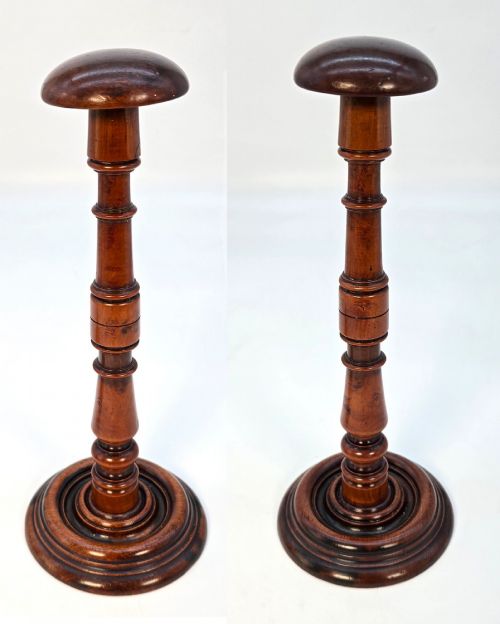
Early C19th Treen Cat or Plate Stand, Georgian
Priced at £345 from I M Chaney Antique Furniture
Early pole lathes required the turner to cut only on the downward pedal stroke. This action dictated the relatively simple profiles of early bowls.
Notice the surface decoration. Carved items often rely on chip carving, where a single knife removes small geometric triangles to build a larger overall pattern.
The later introduction of treadle lathes allowed continuous rotation. This mechanical improvement led directly to thinner walls and more complex shapes in nineteenth-century pieces.
"Many small wooden puzzle boxes and nutcrackers were created specifically as courtship gifts. Young men carved them to demonstrate their patience and manual skill to a prospective partner."
"Sailors crafted complex yarn winders from scrap wood while at sea for months at a time, bringing them home as presents."
"The dense oils naturally present in certain tropical woods actually helped waterproof early drinking flasks."
Based on almost 25 years of Sellingantiques UK antique market data, Antique Treen appeared 2575 times (out of 1,100,000 antiques) which gives it a rarity score of 60/100.
This score measures scarcity within the Sellingantiques archive only and is not a survey of the entire antiques market, so these statistics may not be indicative of the general availability of Antique Treen elsewhere.
The word simply comes from 'of a tree'. It covers the wide range of small wooden objects used in the home before plastic or cheap metal took over.
Most dealers use the term for functional items like bowls and spice boxes. It generally excludes furniture or architectural salvage.
Sycamore is a clean, close-grained wood that scrubs well. It does not pass a foul taste to food. Oak contains high levels of tannin which turns black when damp and makes food taste bitter.
Mahogany was an expensive imported timber reserved for formal furniture. Dairy workers needed practical local woods that held up well to daily moisture and constant scouring.
Avoid water. Immersing old wood risks raising the grain or causing sudden splits.
Use a soft cloth and clear beeswax polish. Apply it sparingly, then buff it to a soft shine.
Women wore them slipped inside a pocket at the front of their stays to keep the torso straight. Young men often carved them as love tokens for their sweethearts, hence the carved hearts and initials.
Because they were worn close to the body, the back of the busk is usually rubbed smooth. The carving sits on the outward-facing side where it would not catch on undergarments.
Please note: This Antique Treen guide and its associated pricing data are provided for general informational purposes only. It does not constitute formal financial, investment, or appraisal advice and should not be relied upon as the sole basis for any commercial activity, purchasing, or sales decisions. Sellingantiques.co.uk accepts no liability for any actions taken in reliance on this information. Always consult with a qualified professional or independent appraiser.
