


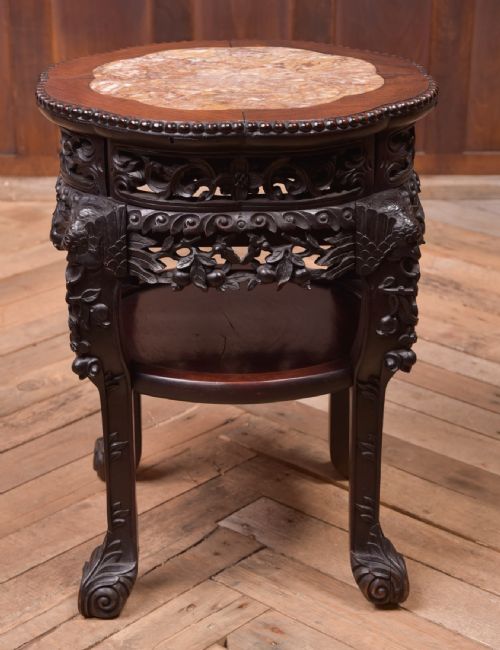
A 2026 Guide by Sellingantiques

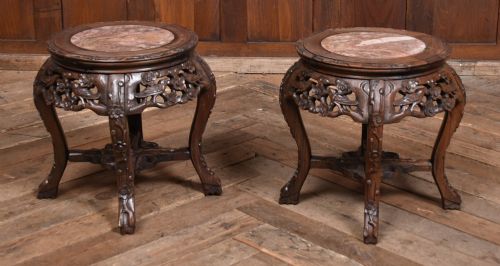
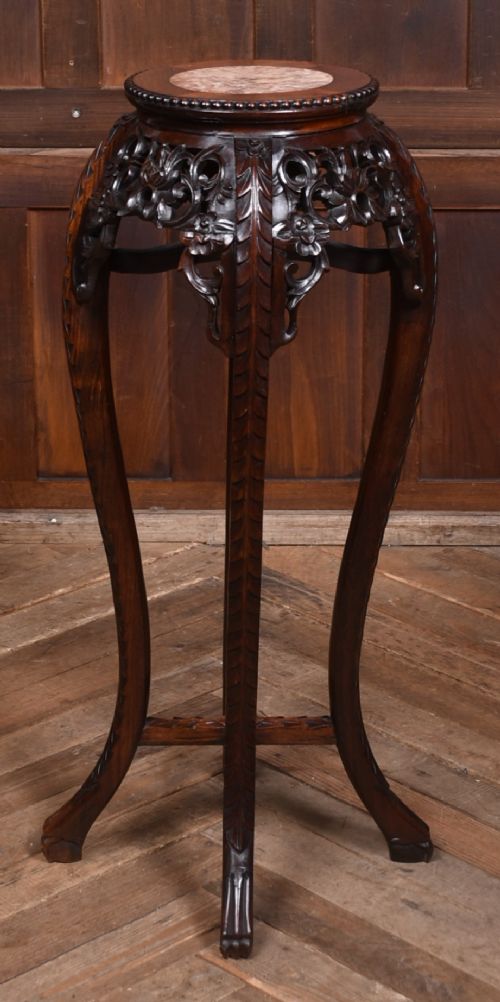
Tall 19th Century Pair of Oriental Hardwood Stands, 19th Century
Priced at £2,750 from S and S Timms Antiques Ltd
Victorians brought gardening indoors during the middle part of the nineteenth century. Glass tax repeal made larger windows cheaper, turning parlours into spaces where exotic specimens thrived.
Fern fever drove the market. Wardian cases came first, then open antique plant stands followed when central heating made rooms warmer.
Look at the shift in focus over time. Early examples served just the drawing room, while later Edwardian versions spread out into hallways and conservatories.
Designs shifted from heavy carved mahogany plinths to lighter bamboo structures as the century closed out.
Coalbrookdale cast some prominent iron versions during the nineteenth century. They stamped their name underneath the base or near the central column.
Gillows produced wooden examples for wealthy clients in the late Georgian and early Victorian eras. Their stamped pieces usually feature turned mahogany.
W.F. Needham worked out of Birmingham making bamboo furniture. You occasionally find his metal joint patents stamped on the structural nodes.

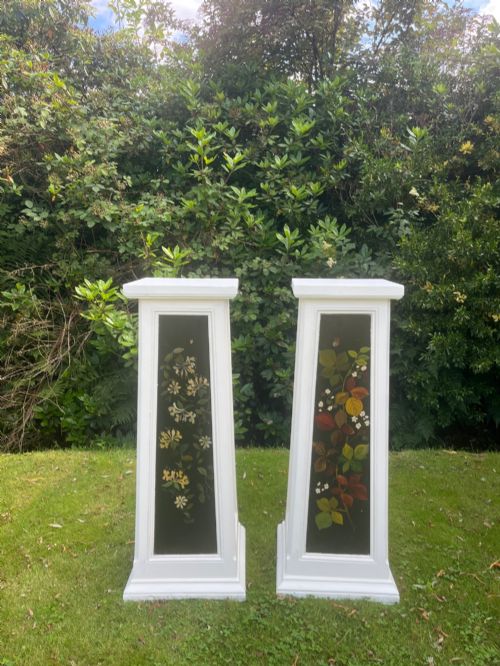
2x Blackamoors, 19th Century
Priced at £1,980 from Courtyard Antiques
The 2026 retail price guide for Antique Plant Stands is drawn from a proprietary archive of over 1.1 million retail prices indexed by Sellingantiques since 2003. This guide relies exclusively on their own internal data; no external sources or auction records are used.
Analysing nearly 25 years of UK antique market history alongside current retail values, the data indicates that typical UK retail prices for Antique Plant Stands range between £300 and £1,600. Entry-level prices generally fall under £300 and premium examples upwards of £1,600.
Drip trays are a common sight. Metal liners, usually zinc or tin, sit inside the top tier to catch any runoff from the watering can.
Look out for splayed legs. A tall structure holding heavy damp soil needs a wide base to stop it tipping over easily.
Tiered shelving features on many wirework antique plant stands. Stepping the levels allowed every pot to get an equal share of the sunlight.

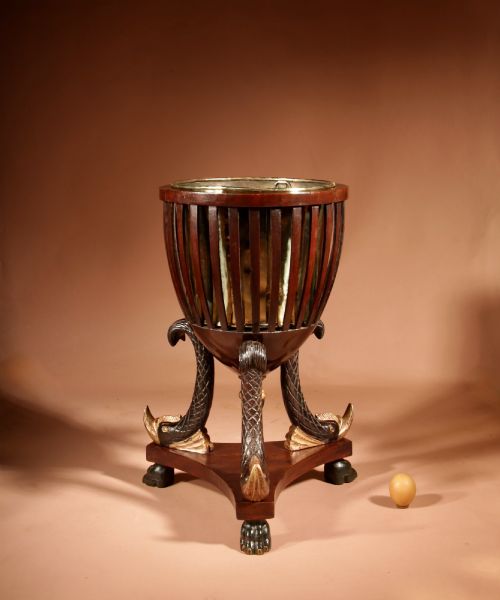
Handsome Mahogany Torchere Plant Stand, 19th Century
Priced at £185 from Eclectic Antiques
Early wooden models rely on traditional mortise and tenon joints. Makers pinned these tight to handle the heavy load of ceramic pots.
Foundries sand-cast the iron models in separate sections. Workers bolted these individual parts together around a central rod to form the finished piece.
Notice the binding on bamboo examples. Craftsmen pinned the main canes with headless nails, then wrapped the joints in split cane to hide the fixings.
"Many tall wooden versions started life as bedposts. Dealers in the twentieth century added bases and tops to repurpose carved Georgian mahogany."
"Some wirework models collapse flat. Travelling salesmen used hinged versions to demonstrate the product easily inside private homes."
"You can find them with built-in birdcages. Makers combined both hobbies into single wire structures for conservatories."
Based on almost 25 years of Sellingantiques UK antique market data, Antique Plant Stands appeared 2678 times (out of 1,100,000 antiques) which gives it a rarity score of 59/100.
This score measures scarcity within the Sellingantiques archive only and is not a survey of the entire antiques market, so these statistics may not be indicative of the general availability of Antique Plant Stands elsewhere.
Wire wool works well on surface rust. Take a fine grade and rub gently back and forth over the affected patches.
Once the loose rust is gone, wipe the frame down with a dry cloth. You can apply a light coat of clear microcrystalline wax to seal the bare metal against further moisture.
Cast iron versions belong in the garden. They tolerate rain and frost well.
Keep wooden examples indoors. Damp ruins older timber joints quickly.
A rocking top usually points to a loose joint in the central column or at the base block. Turn the piece over gently on a soft surface to inspect the underside.
You often find a large wooden thread or a heavy metal rod holding the whole structure together. Try tightening any visible nuts or wooden collars clockwise to see if the wobble stops.
You have a couple of sensible options. Many people commission a local metalworker to fold a new zinc or copper tray to the exact internal dimensions of the void.
Alternatively, you can just use a standard plastic gravel tray. It sits hidden inside the wooden gallery and does exactly the same job catching the moisture without costing very much.
Please note: This Antique Plant Stands guide and its associated pricing data are provided for general informational purposes only. It does not constitute formal financial, investment, or appraisal advice and should not be relied upon as the sole basis for any commercial activity, purchasing, or sales decisions. Sellingantiques.co.uk accepts no liability for any actions taken in reliance on this information. Always consult with a qualified professional or independent appraiser.
