

A 2026 Guide by Sellingantiques
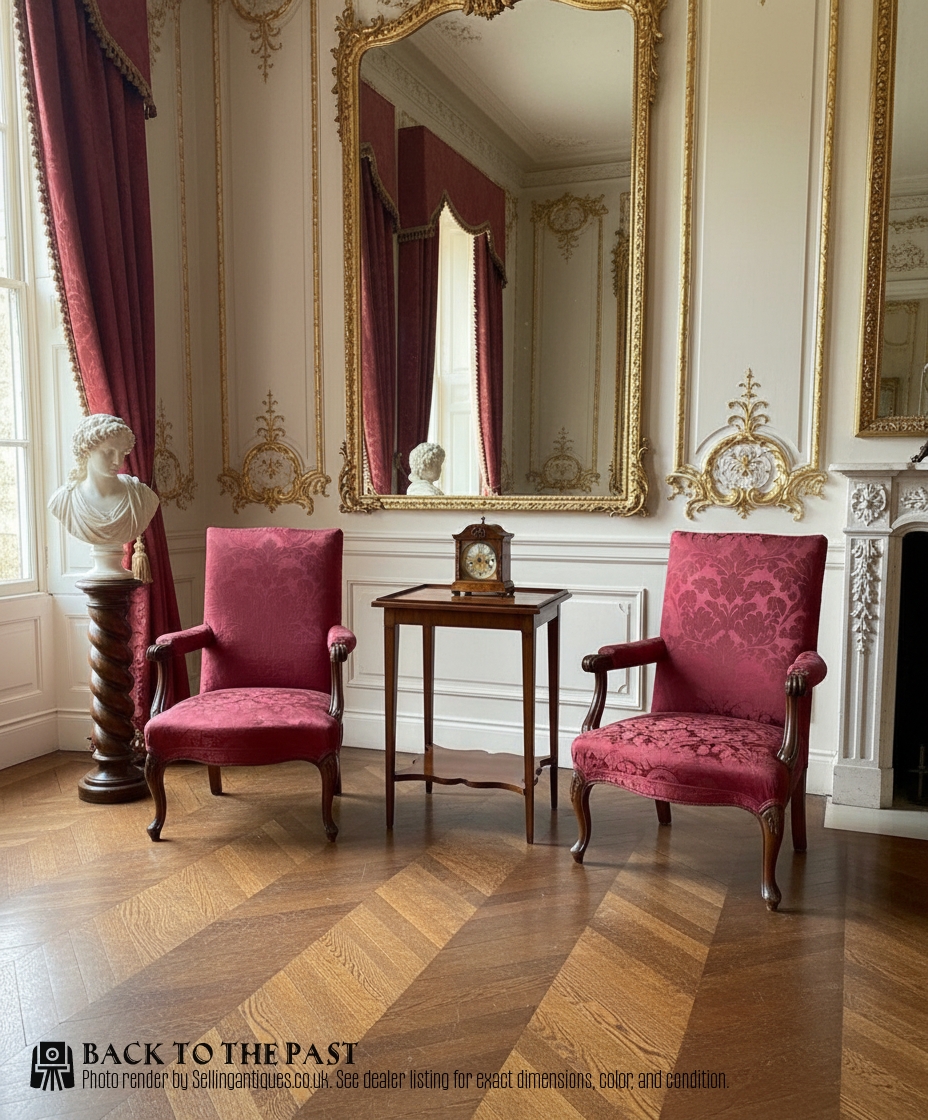
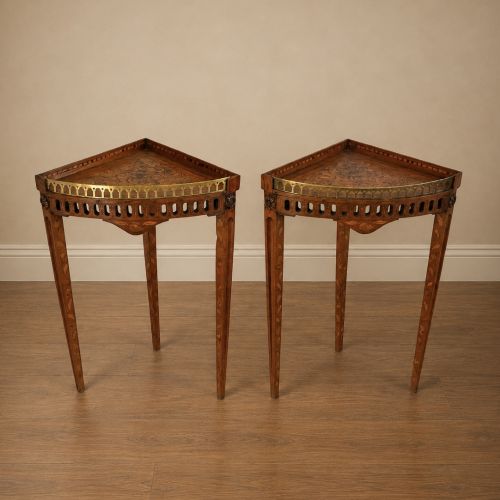
Fine Quality Antique Edwardian Satinwood Inlaid Lamp Table, 1900
Priced at £1,285 from London City Antiques
Before electricity, oil and paraffin lamps needed stable surfaces near seating.
The Victorian period saw antique lamp tables produced in massive numbers.
Look for flat tops. Sloped or tiered pieces usually served different purposes originally.
Gas lighting meant fewer portable tables, but electric lamps brought the form right back.
Round and square tops are equally common across the nineteenth century.
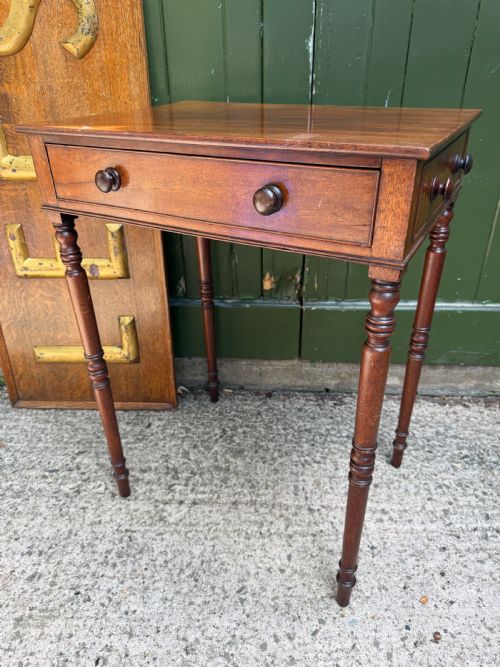
Gillows of Lancaster produced solid mahogany examples with turned columns during the early nineteenth century.
Most antique lamp tables carry no maker stamps. Regional cabinetmakers built them to standard pattern books.
Liberty & Co sold distinct Moorish-style designs in oak and walnut around nineteen hundred.
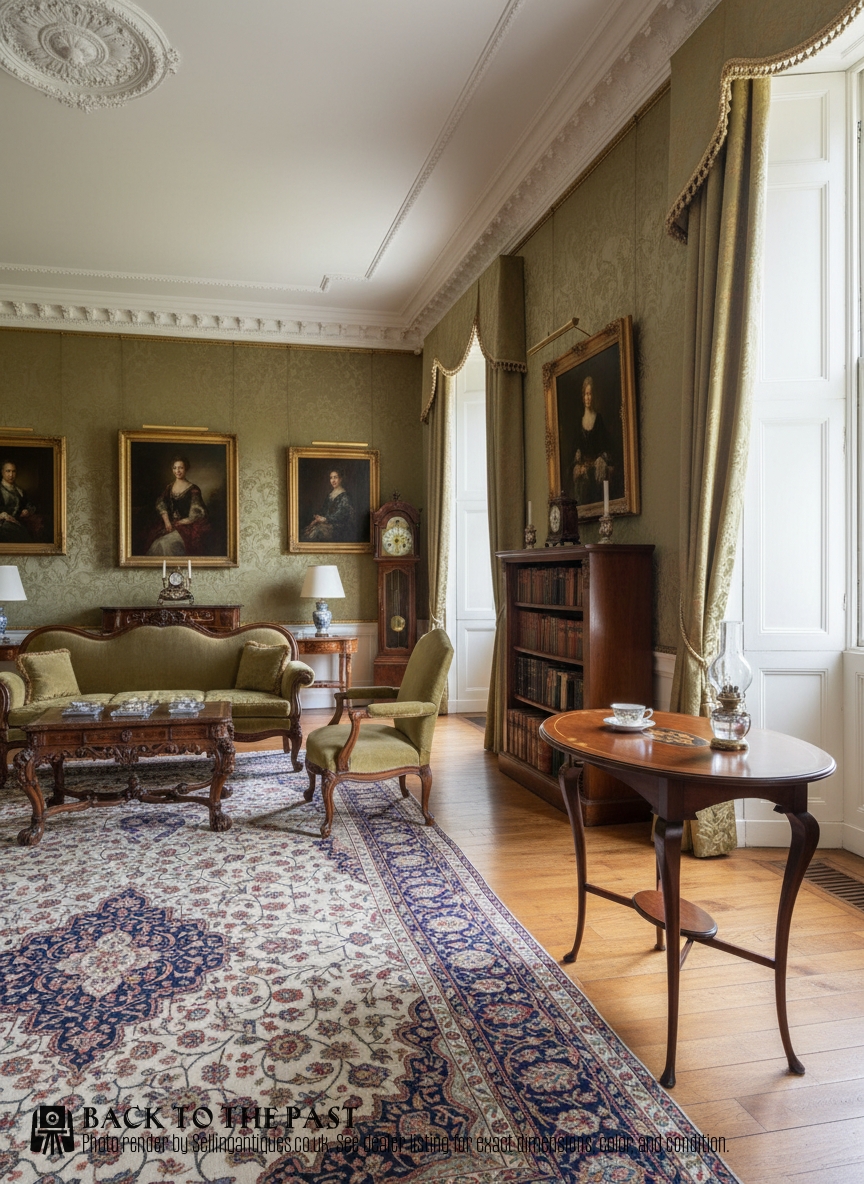
Quality Antique Art Nouveau Inlaid Mahogany Oval Lamp Table
, 1900
Priced at £795 from London City Antiques
The 2026 retail price guide for Antique Lamp Tables is drawn from a proprietary archive of over 1.1 million retail prices indexed by Sellingantiques since 2003. This guide relies exclusively on their own internal data; no external sources or auction records are used.
Analysing nearly 25 years of UK antique market history alongside current retail values, the data indicates that typical UK retail prices for Antique Lamp Tables range between £300 and £1,500. Entry-level prices generally fall under £300 and premium examples upwards of £1,500.
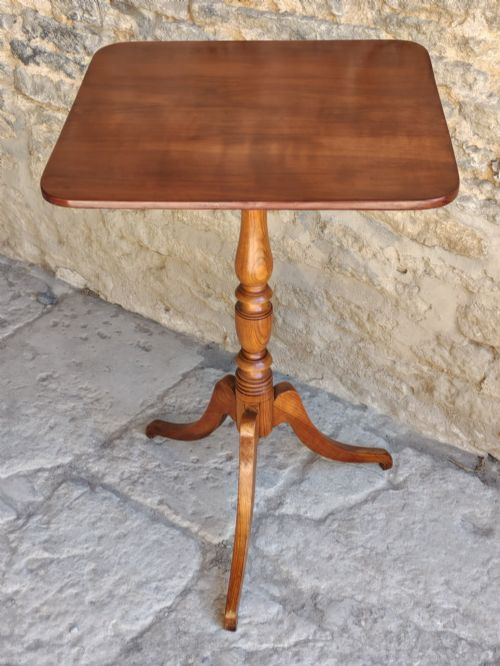
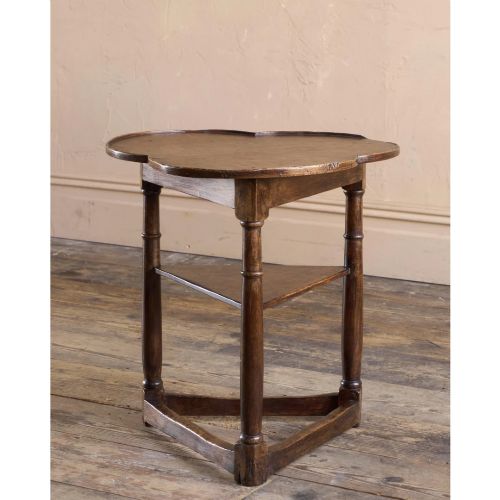
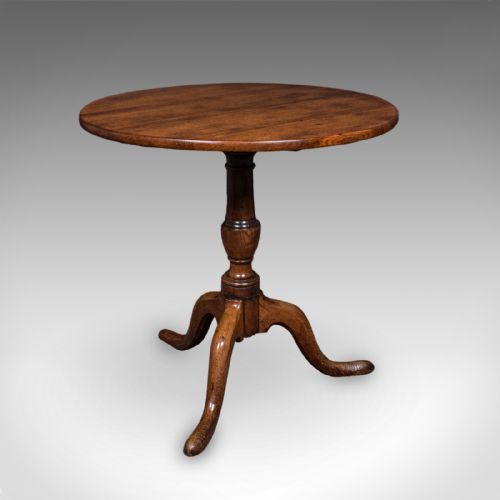
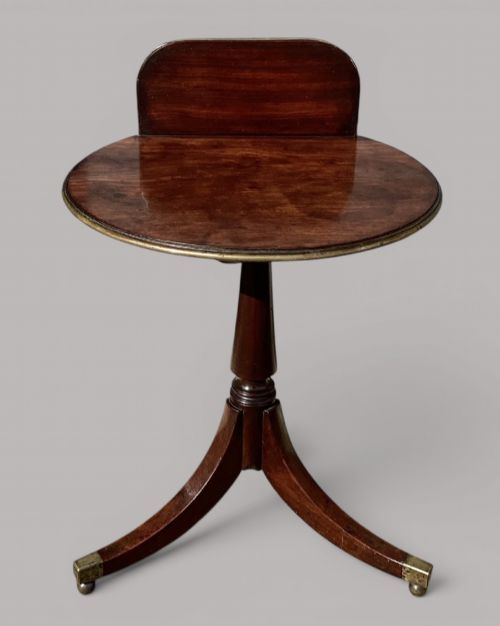
A tripod base gives maximum stability on uneven wooden floorboards.
Small raised lips around the edge stopped glass bases from sliding off.
Under-tiers appear on later models to hold matchboxes or spare wicks safely out of the way.
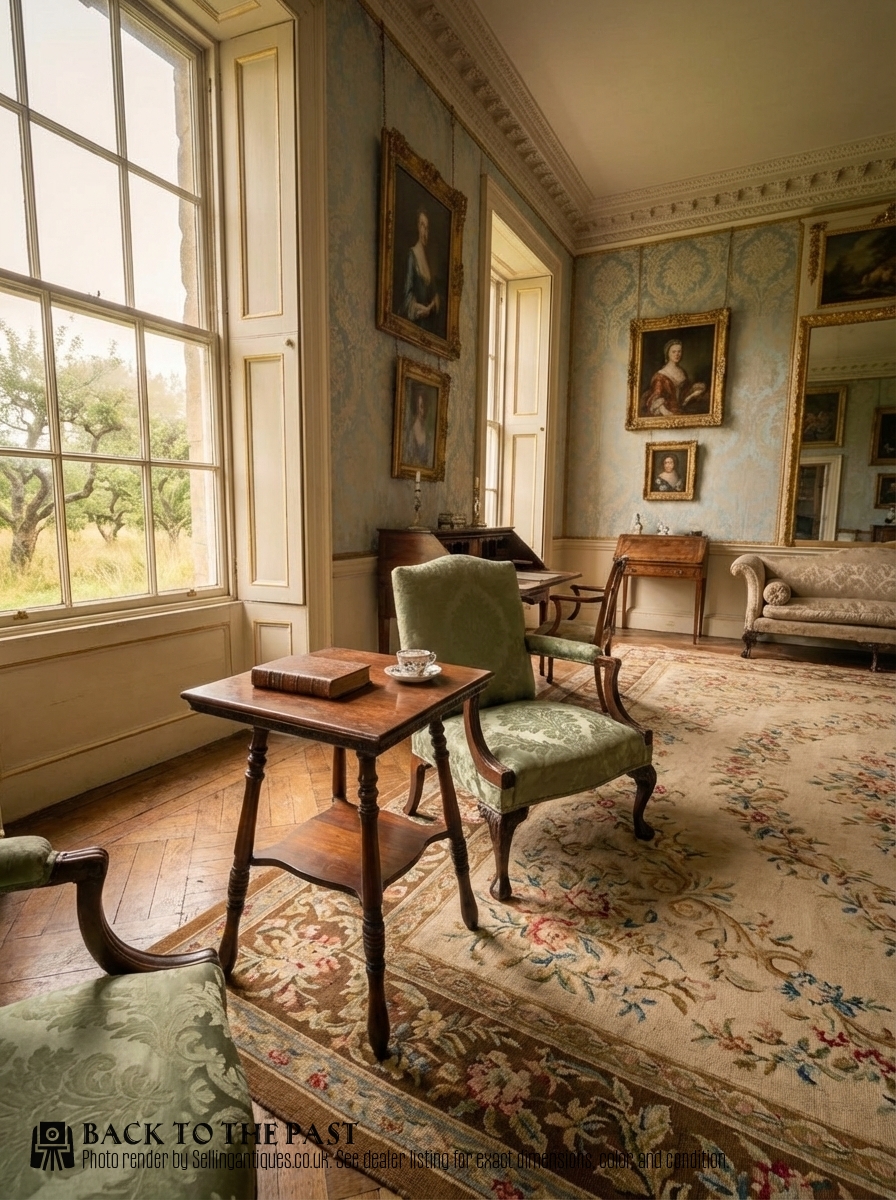
1920s Lamp Table, 1920
Priced at £175 from Millers Antiques
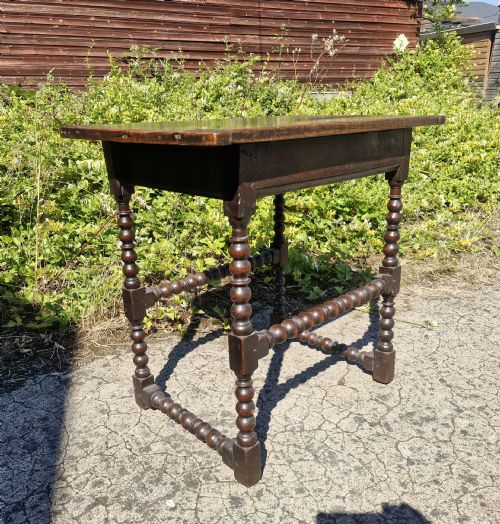
Early stems feature hand-turned columns with deep crisp detailing cut on a lathe.
Dovetail joints connect the legs into the central pillar block on the early antique lamp tables.
Steam bending allowed later workshops to create thin curved legs without cutting across the grain.
"A heavy cast iron weight sometimes hides inside the wooden base block to stop tipping."
"Those small proportions were deliberate. People carried them from room to room as the daylight faded."
"Some bases unscrew from the top for flat packing onto horse-drawn delivery carts."
Based on almost 25 years of Sellingantiques UK antique market data, Antique Lamp Tables appeared 13943 times (out of 1,100,000 antiques) which gives it a rarity score of 6/100.
This score measures scarcity within the Sellingantiques archive only and is not a survey of the entire antiques market, so these statistics may not be indicative of the general availability of Antique Lamp Tables elsewhere.
Most sit between sixty and seventy centimetres high. This puts the light source at the right level when you sit in a standard armchair.
Taller tables exist but they tend to lack stability when holding heavy glass bases.
French polish reacts badly to heat and moisture. A hot mug will leave a white ring in the surface finish within seconds.
Use a thick coaster.
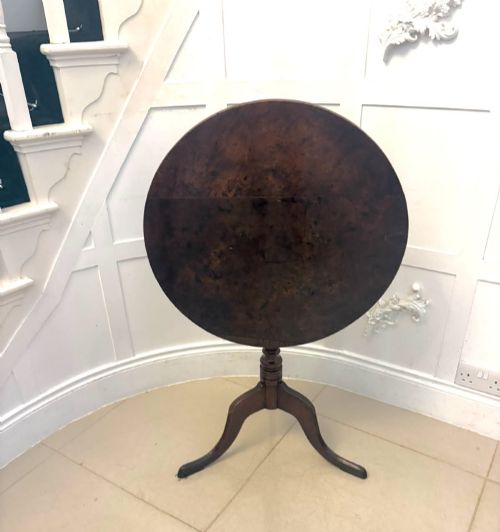
Tilt-top mechanisms usually indicate a wine table or a tea table. People folded the tops up to push them against a wall when clearing the floor.
An antique lamp table rarely tips. A tipping mechanism creates unnecessary risk for a lit oil lamp.
Many people use tilt-top tables for lamps today. You just need to ensure the brass catch fastens tightly.
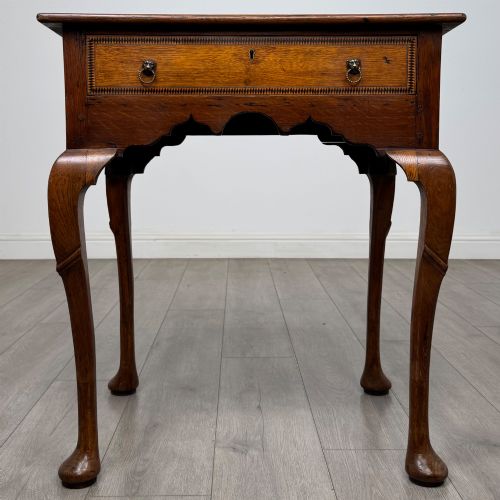
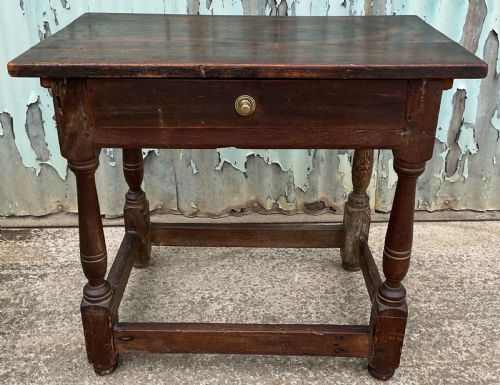
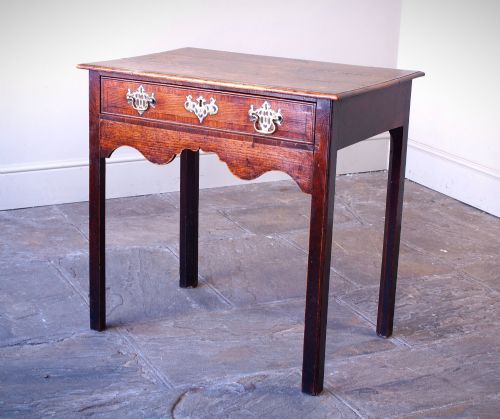
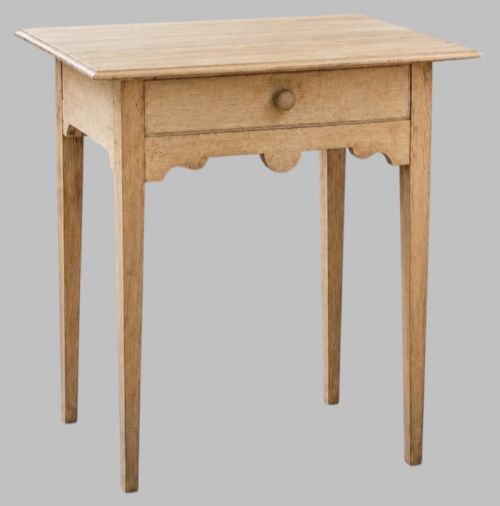
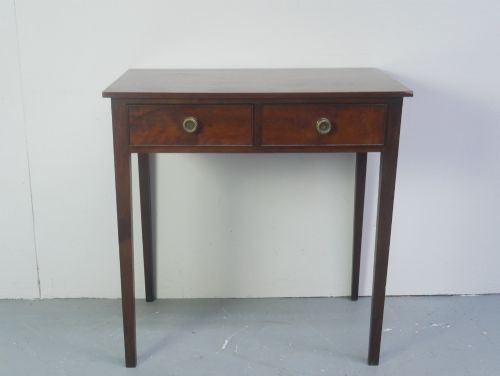
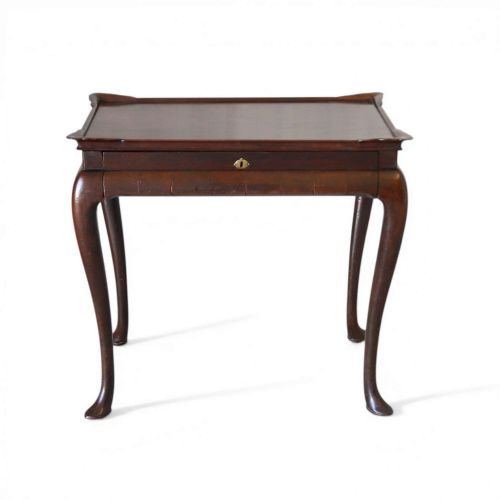
Small drawers held the trimming scissors and spare wicks needed to keep oil lamps burning cleanly. Some also held matches.
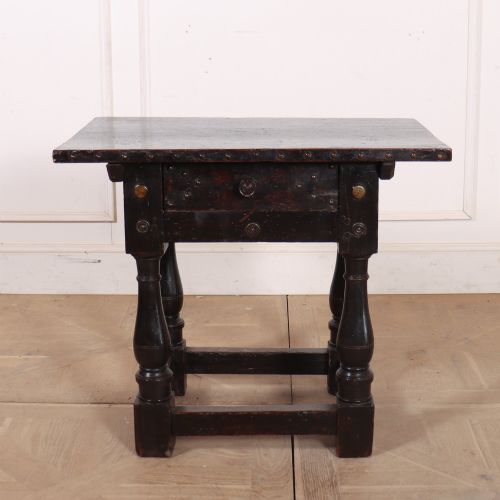
A drawer adds weight to the top. This required the maker to use a heavier base to keep the whole structure balanced.
Please note: This Antique Lamp Tables guide and its associated pricing data are provided for general informational purposes only. It does not constitute formal financial, investment, or appraisal advice and should not be relied upon as the sole basis for any commercial activity, purchasing, or sales decisions. Sellingantiques.co.uk accepts no liability for any actions taken in reliance on this information. Always consult with a qualified professional or independent appraiser.
