
A 2026 Guide by Sellingantiques

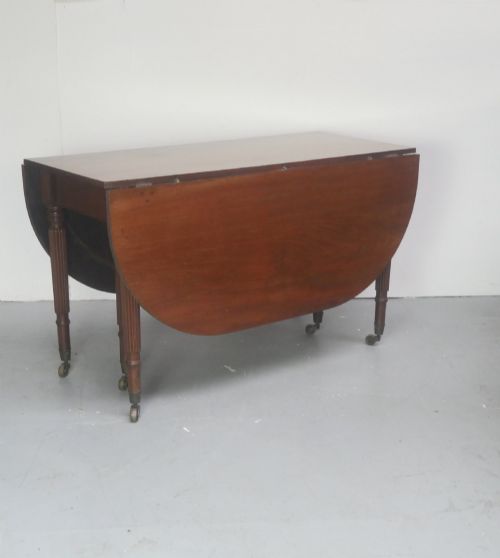
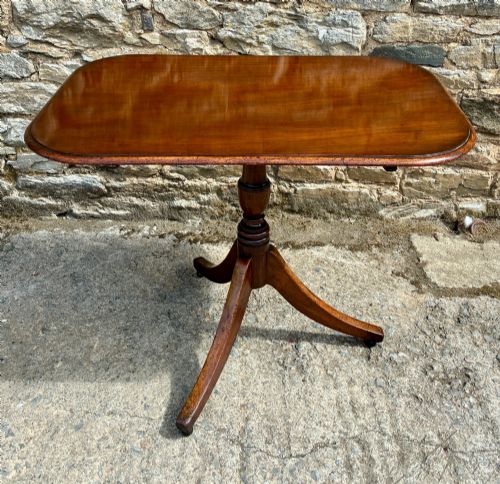
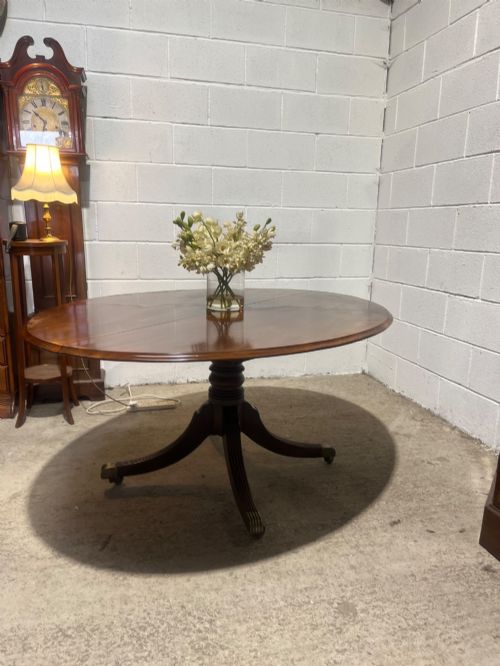
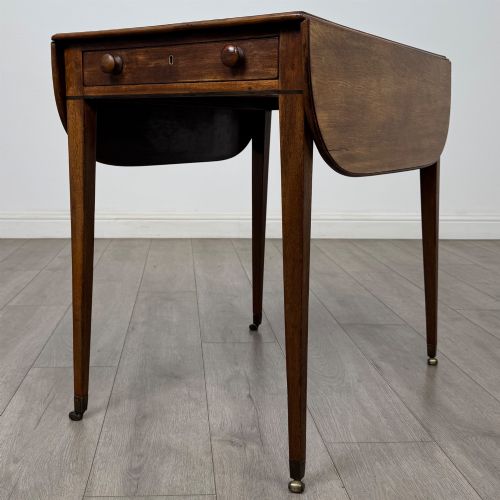
Small Regency Mahogany Dining or Breakfast Table, Circa 1820, Regency
Priced at £375 from WelshAntiques
Georgian society developed a taste for dining away from the main dining room. Antique breakfast tables emerged to serve this new habit.
Look at the evolution during the late eighteenth century. Families started preferring movable furniture that staff could easily set up near sunny bay windows.
Regency periods saw these pieces reach their peak popularity. They became a staple in well-appointed houses across Britain.
By the Victorian era, habits shifted again. Dedicated dining rooms took over, making the portable morning table less common.
Gillows of Lancaster and London supplied numerous variations between 1770 and 1840. Their ledgers show extensive orders for these small dining pieces.
Documented examples from Thomas Sheraton design books feature simple shapes. His cabinet-makers followed these strict neoclassical lines closely.
Provincial cabinet-makers built most surviving antique breakfast tables. Regional workshops copied London fashions using local timbers when imported mahogany was scarce.
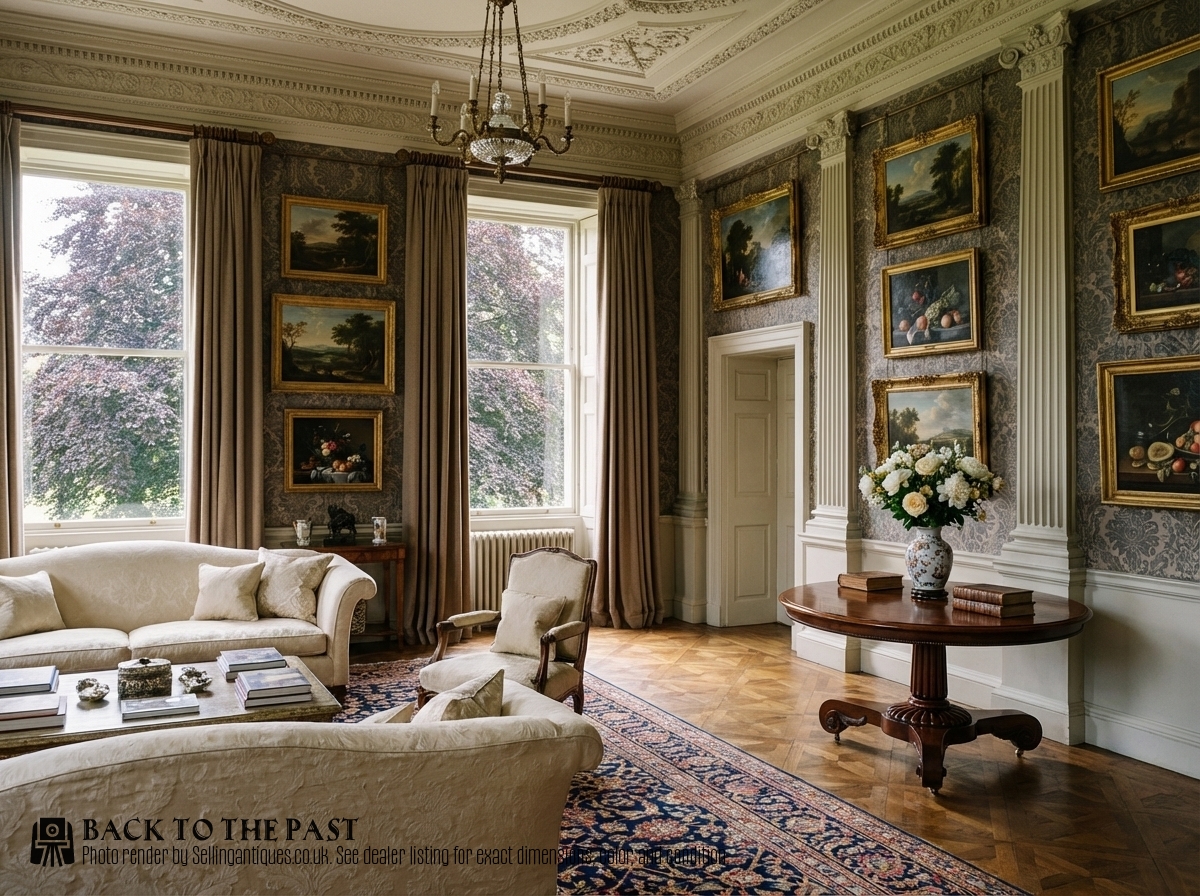
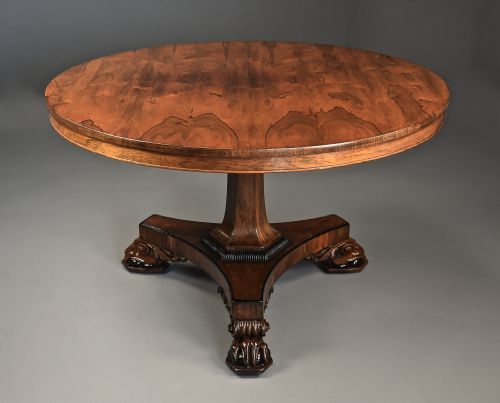
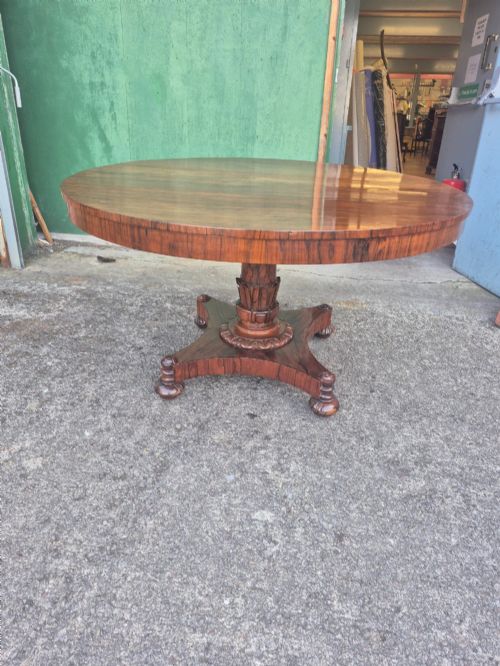
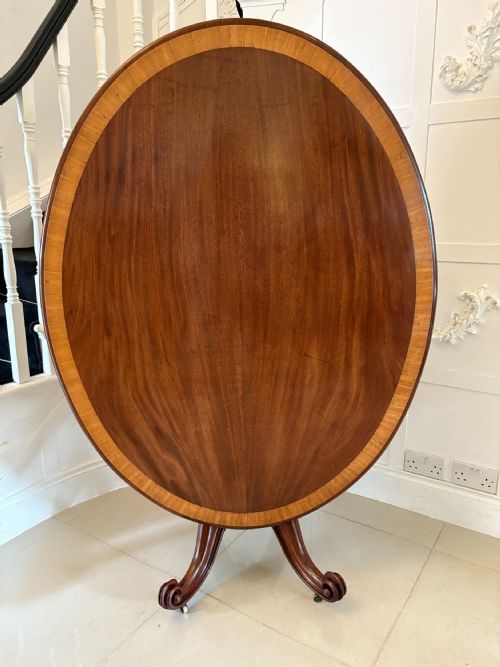
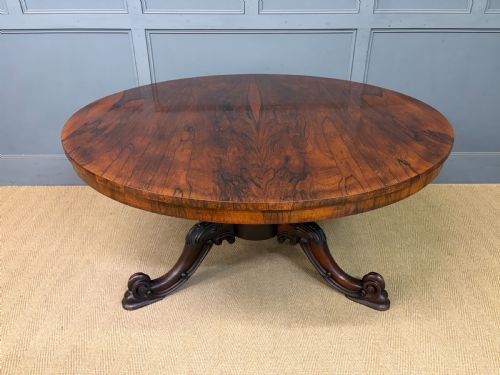
Regency Oval Centre / Breakfast Table, Regency
Priced at £1,475 from A Brookes
The 2026 retail price guide for Antique Breakfast Tables is drawn from a proprietary archive of over 1.1 million retail prices indexed by Sellingantiques since 2003. This guide relies exclusively on their own internal data; no external sources or auction records are used.
Analysing nearly 25 years of UK antique market history alongside current retail values, the data indicates that typical UK retail prices for Antique Breakfast Tables range between £800 and £3,800. Entry-level prices generally fall under £800 and premium examples upwards of £3,800.
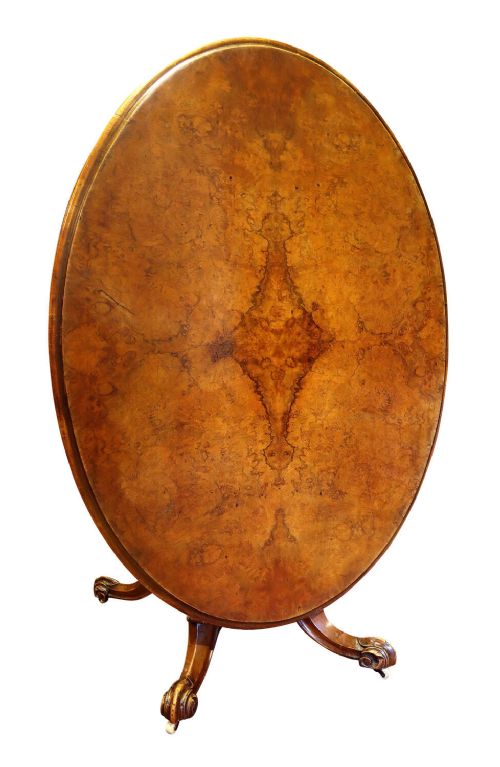
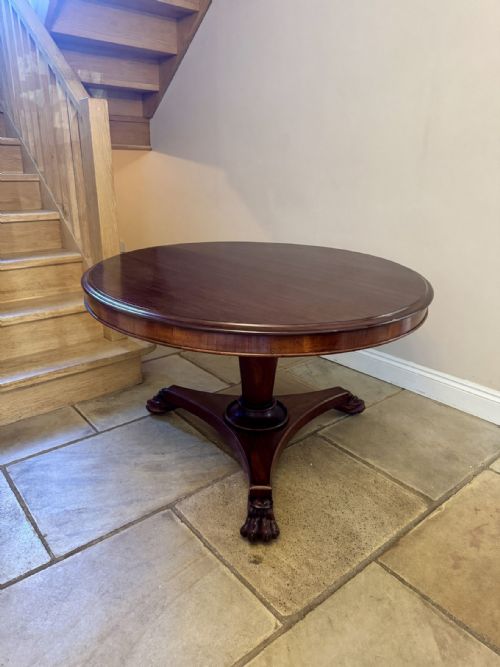
A tilting top is the most defining characteristic. Staff could fold the surface vertically and push the piece against a wall when not in use.
Central pedestals provide the main support. They branch out into three or four swept legs, keeping the structure stable on uneven period floors.
Inspect the locking mechanism under the top. You'll typically find a brass catch or a pair of wooden blocks holding a removable peg.
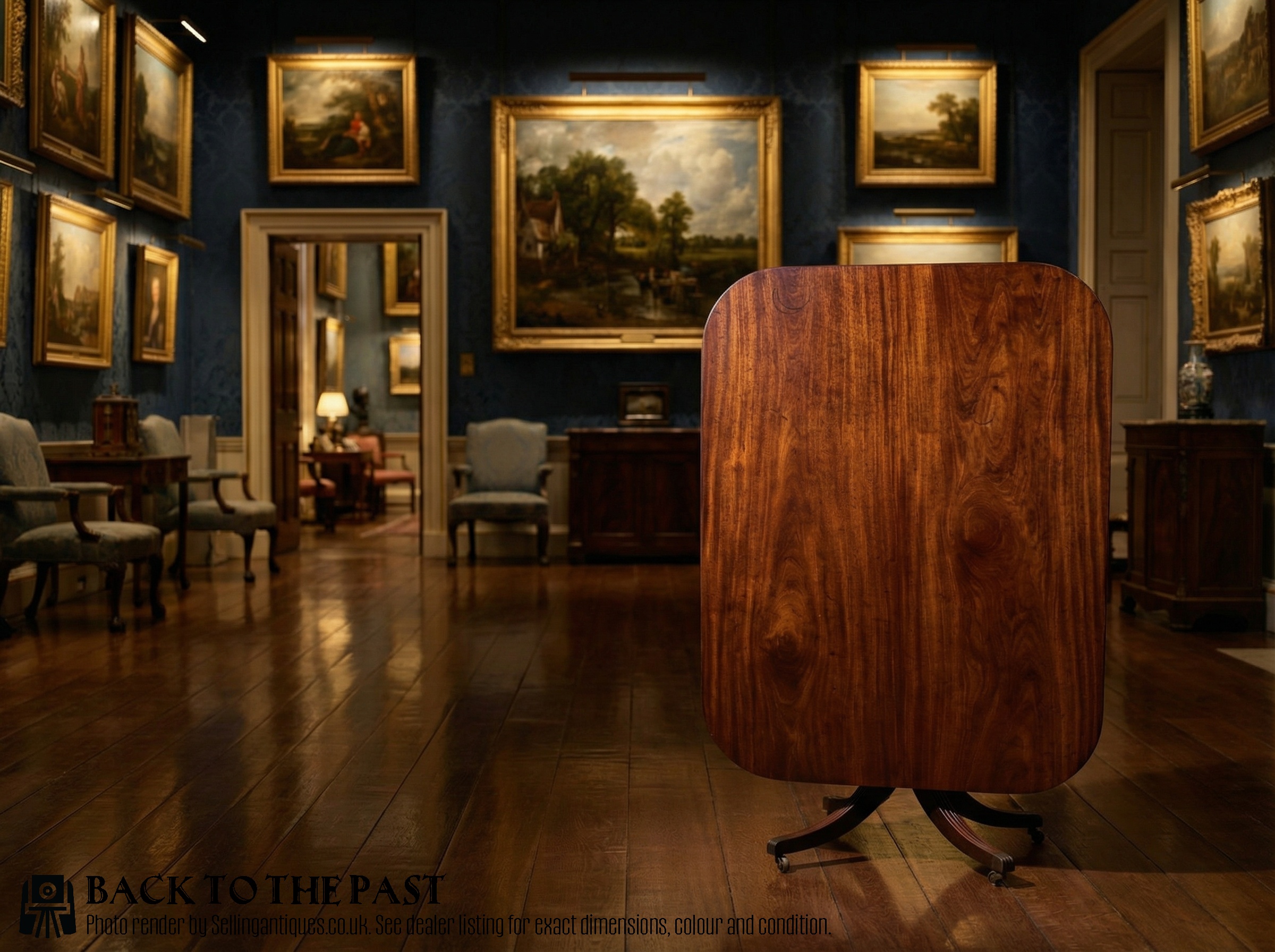
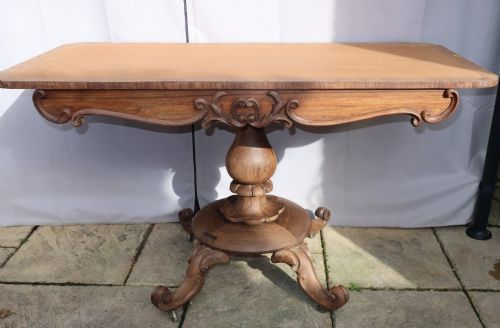
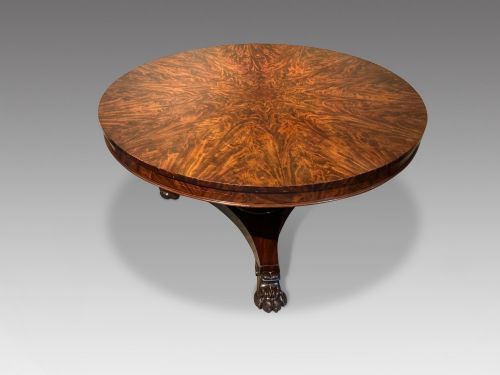
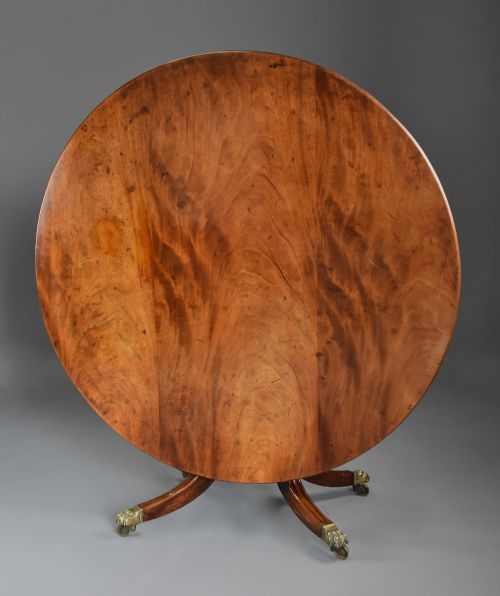
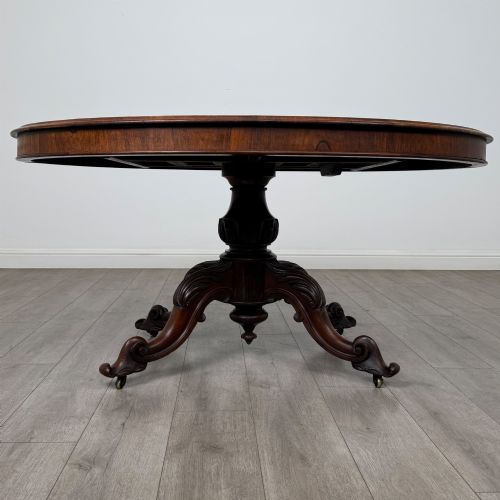
Early 19th Century Mahogany Breakfast Table, 19th Century
Priced at £2,450 from Martlesham Antiques
Cabinet-makers turned the central pillars on manual lathes. They relied on steady hands and sharp chisels to cut the rings cleanly into dense timber.
Joints connecting the legs to the base demand precise engineering. Makers cut deep dovetail sockets into the pillar and glued the legs tightly into place.
Examine the underside finish. Workshops applied a thin wash to the hidden surfaces to seal the wood, preventing seasonal splitting.
"The tilt-top mechanism allowed these pieces to act as fire screens. Staff would position the upright top near the hearth to block intense heat."
"Many feature hidden iron plates underneath. Makers screwed these heavy metal brackets over the leg joints to provide extra stability without adding visible bulk."
"They often doubled as evening card tables. The wide flat surface provided plenty of room for playing hands once the morning meal was cleared away."
Based on almost 25 years of Sellingantiques UK antique market data, Antique Breakfast Tables appeared 2706 times (out of 1,100,000 antiques) which gives it a rarity score of 58/100.
This score measures scarcity within the Sellingantiques archive only and is not a survey of the entire antiques market, so these statistics may not be indicative of the general availability of Antique Breakfast Tables elsewhere.
Dust the surface regularly with a soft dry cloth to remove loose particles. You can wipe it down with a damp cloth if something spills, but always dry it immediately to prevent water rings.
Apply a good quality beeswax polish every few months. Rub it in sparingly along the grain, wait twenty minutes, and buff it to a soft shine. Avoid modern aerosol sprays as they leave a sticky residue.
You have plenty of options when matching seating. Period-correct Regency chairs work well, but simple modern chairs offer a sharp contrast.
Just check the height before buying. Older tables sit lower, so ensure the seat height is comfortable.
A small amount of movement is quite common with tilt-top mechanisms. The brass catch and hinges naturally develop a little play after a century of use.
You can carefully tighten the screws holding the block to the top. If the wobble remains severe, the wooden hinge pins might be worn down and require replacing by a competent restorer.
Most are surprisingly manageable. The central pedestal design distributes the weight well, and the original brass castors allow you to roll the table across hard floors easily.
They were designed specifically to be moved aside when not in use. If you have deep carpets, you might need two people to lift the piece rather than dragging it.
Please note: This Antique Breakfast Tables guide and its associated pricing data are provided for general informational purposes only. It does not constitute formal financial, investment, or appraisal advice and should not be relied upon as the sole basis for any commercial activity, purchasing, or sales decisions. Sellingantiques.co.uk accepts no liability for any actions taken in reliance on this information. Always consult with a qualified professional or independent appraiser.
