


Textile Antiques has dated this Persian Nakshe Silk Embroidery to the 19th Century.
This is an example of the dense and intricate embroidery that was made - mainly in Isfahan, but also in Yazd and Kashan - in order to be joined to make the cuffed bottoms of shalwar, the voluminous traditional trousers worn by women.
The diagonal lines were stitched first, in order that the floral motifs might then follow this framework and fill the ground entirely, and when applied to the shalwar the design was inverted, so that the wearer saw the pattern from the correct perspective.
Also known as Gilet Persan, these textiles were valued not only for the design, and the painstaking technique employed in their creation, but also for their durability and versatility. The popularity of Nakshe increased from the latter years of the 18th century, and the panels were often removed so that they might be used again after the rest of the garment had deteriorated.
Textile Antiques has dated this Persian Nakshe Silk Embroidery to the 19th Century.
Fine european textiles and tapestries of the period spanning the 15th century to the early 20th century.
You can view the stock and full dealer information on the Textile Antiques Profile Page
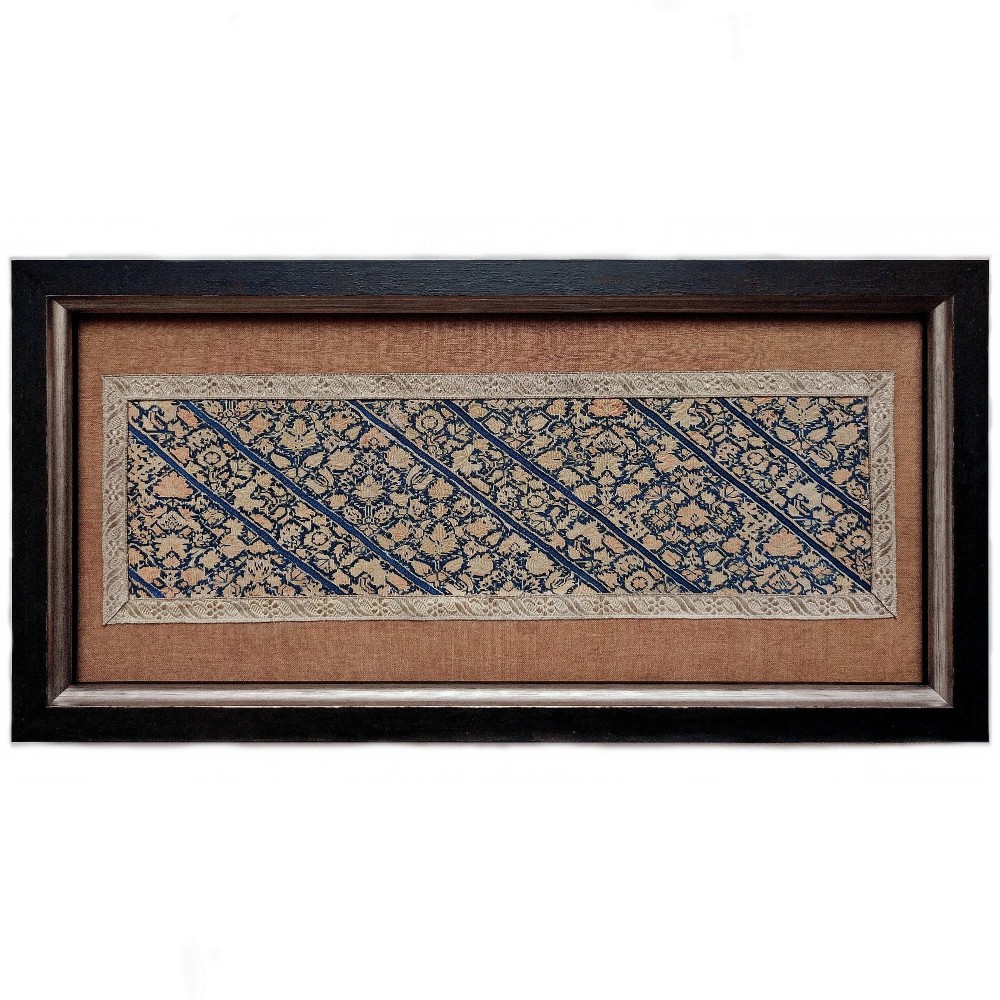
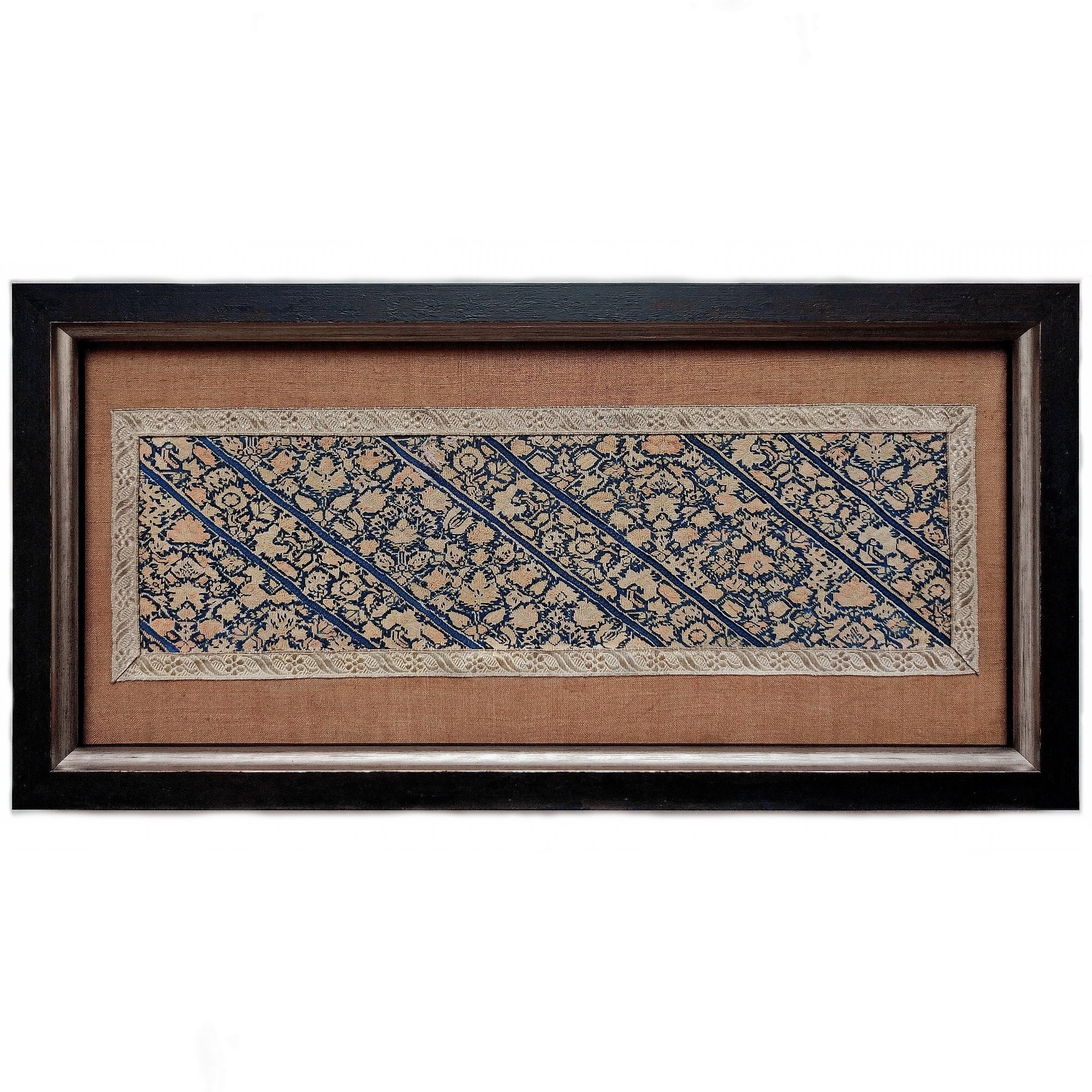
A Panel of Persian Nakshe Embroidery