






Framed Silk Needlework Panel
A framed silk needlework panel brings centuries of hand-stitched detail to the wall, offering a tangible link to domestic artistry.
Framed Silk Needlework Panel
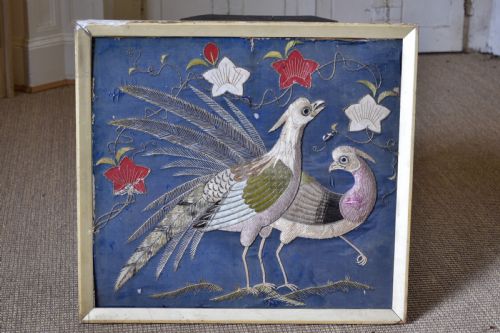
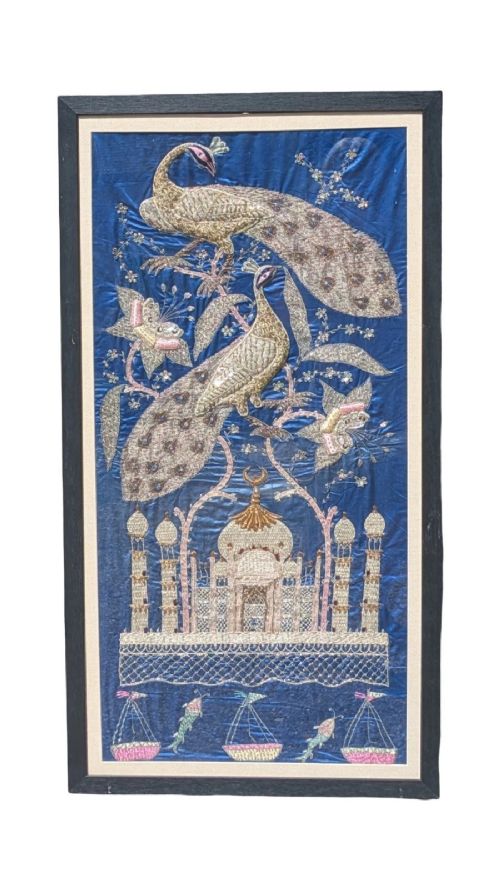
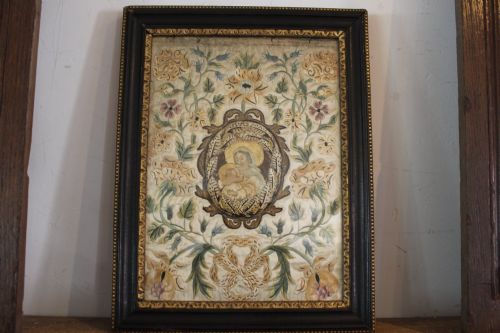
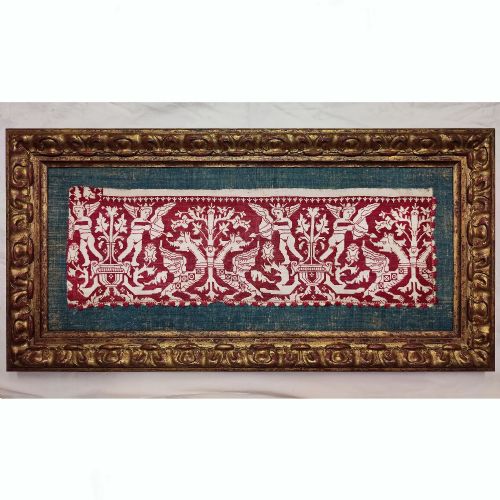
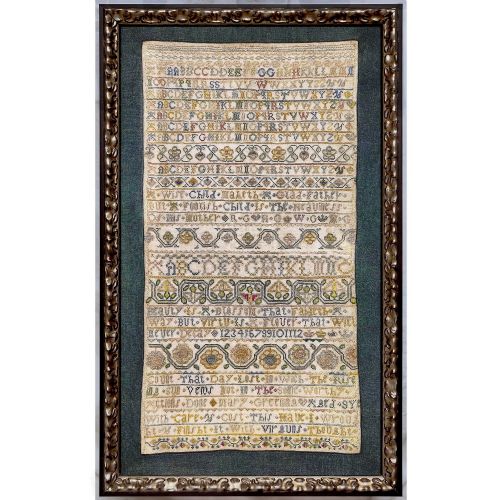
A framed silk needlework panel comprises historic textiles preserved behind glass in wooden or giltwood frames. These wall art pieces span centuries of needlecraft, from early Stuart stumpwork to 19th-century pictorial embroideries.
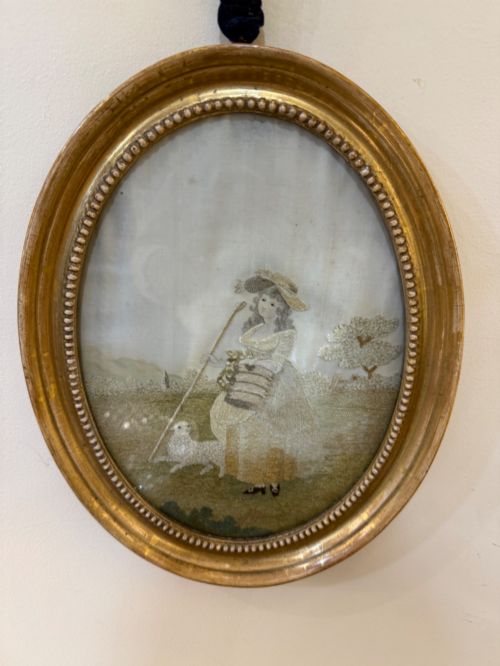
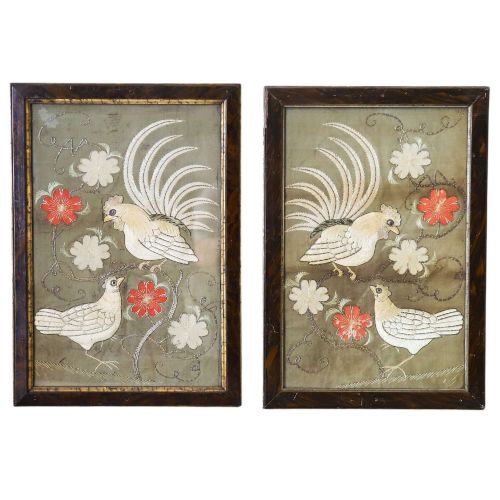
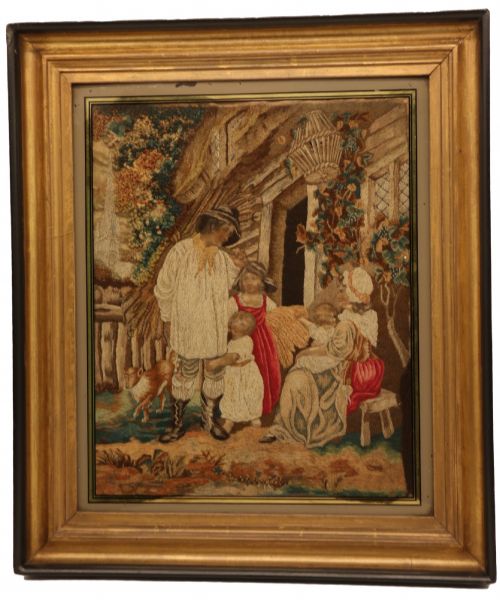
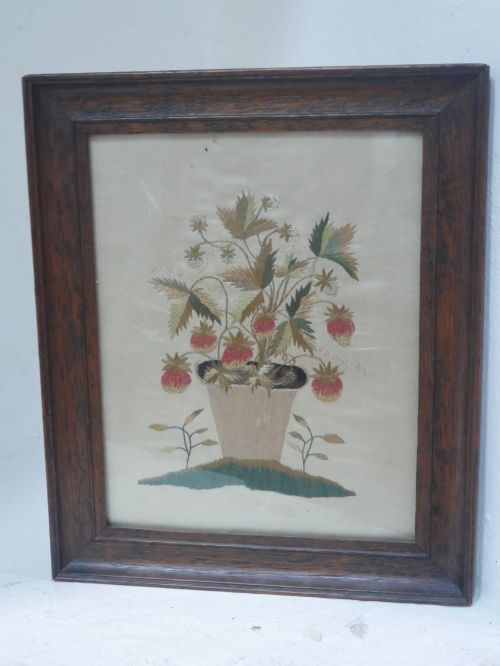
The versions most commonly found here include Georgian samplers, floral studies, pastoral scenes, and domestic needlework pictures worked on silk and linen grounds. English, French, and Chinese origins appear frequently among the textiles.
Makers ranged from young girls working structured samplers to skilled artisans creating elaborate embroidered panels with metallic thread. Each piece records a distinct period of needlework tradition, framed for modern display.
How They Were Made
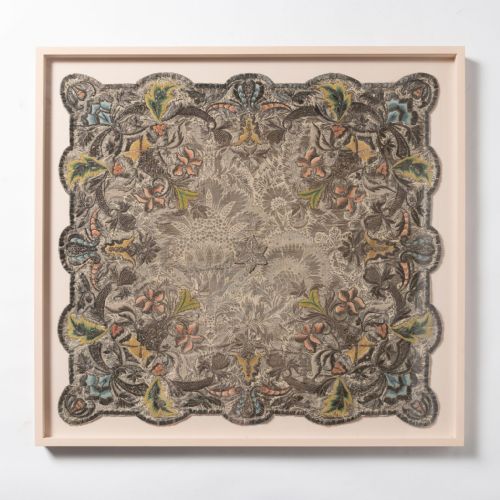
Needlework panels relied on natural grounds such as silk, linen, and wool, often stretched over a rigid backing before stitching commenced. Workers utilised silk floss and wool threads, occasionally incorporating metallic thread for elevated detail.
Many 18th and 19th-century examples combined hand embroidery with painted silk sections to depict faces or landscapes. Framing protected these delicate textiles from atmospheric damage, frequently utilising wood, giltwood, or faux tortoiseshell surrounds under glass.
Listings span four centuries, featuring materials from simple linen grounds to complex metallic thread and painted silk elements.
What Varies in Quality
The precision of the stitchwork and the complexity of the design separate standard decorative pieces from exceptional examples. Finer panels display intricate shading, sophisticated thread management, and well-executed pictorial composition.
Survival of original materials heavily influences the standing of a piece, including the preservation of silk grounds and metallic threads. The quality of the accompanying period frame also contributes to the overall integrity of the object.
Mary Greening·Jane Wettmore·Louiss Elkins·Ann Hodson·Sarah Baker
The Framed Silk Needlework Panel Glossary
- Stumpwork
- A raised embroidery style popular in the 17th century that uses padding and wire to create three-dimensional figures and motifs. This technique often depicts royal subjects or biblical scenes.
- Sampler
- A piece of needlework produced to demonstrate skill in various stitches and alphabets. These works frequently include the maker's name, age, and date.
- Crewel work
- Embroidery executed with wool yarn on a linen or cotton ground. The method creates textured, durable designs often seen in historic pastoral panels.
- Metallic thread
- Flat or twisted metal wire used in hand embroidery to add reflective highlights. It appears in English, European, and Asian needlework panels.
- Giltwood
- Wood carved and coated with gold leaf or a gold-coloured finish. This material is common for the frames enclosing fine historic textiles.
Framed Silk Needlework Panel: Frequently Asked Questions
How should I hang a framed silk needlework panel?
Keep textile panels away from direct sunlight and high humidity to prevent the silk ground and threads from fading or degrading. Use stable wall fixings suited to the weight of the timber or giltwood frame.
Ensure the piece hangs at eye level on an interior wall where temperature fluctuations remain minimal. Professional framing with UV-filtering glass offers additional protection for fragile historic threads.
How can I tell the difference between 17th and 19th-century panels?
Seventeenth-century examples frequently feature raised stumpwork or heavy metallic thread embroidery depicting historical or religious figures. The stitching materials and canvas grounds on these early panels show distinct signs of age and primitive hand preparation.
Nineteenth-century pieces often lean towards pictorial landscapes, floral studies, and educational samplers worked by young girls. These later works usually employ brighter silk floss and standard framing methods of the Victorian era.
What is a band sampler?
A band sampler is a long, narrow strip of linen or silk featuring horizontal rows of different embroidery stitches and pattern bands. Historic makers used these pieces to record stitch variations and decorative motifs for future reference.
Over time, band samplers evolved into broader rectangular formats incorporating alphabets, dates, and pictorial elements. Surviving examples offer a direct record of needlework techniques practised in earlier centuries.
Are these panels all English?
While many listed panels originate in England, the selection includes international examples such as French silk embroideries, Chinese garden bird pictures, and Greek island textiles. Each region developed distinct stylistic preferences in motif selection and ground materials.
Foreign pieces bring unique decorative traditions to the market, contrasting with the traditional domestic samplers and pastoral scenes produced in Britain.