




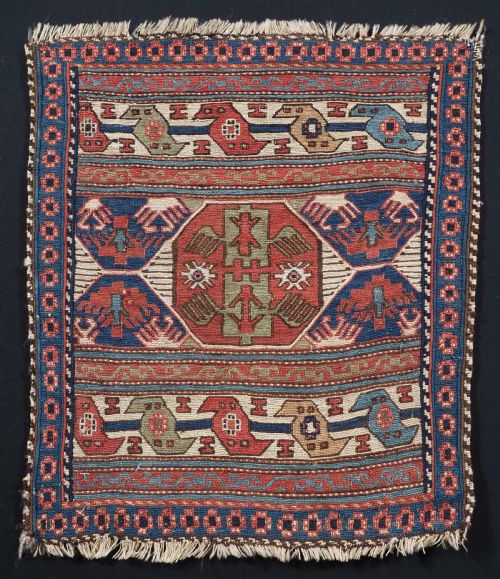

Blue Persian Textile Art
Blue persian textile art brings rich tribal heritage and intricate hand-woven designs straight into your interior.
Blue Persian Textile Art
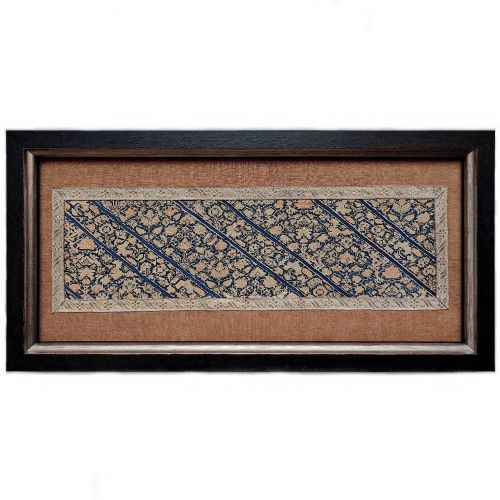
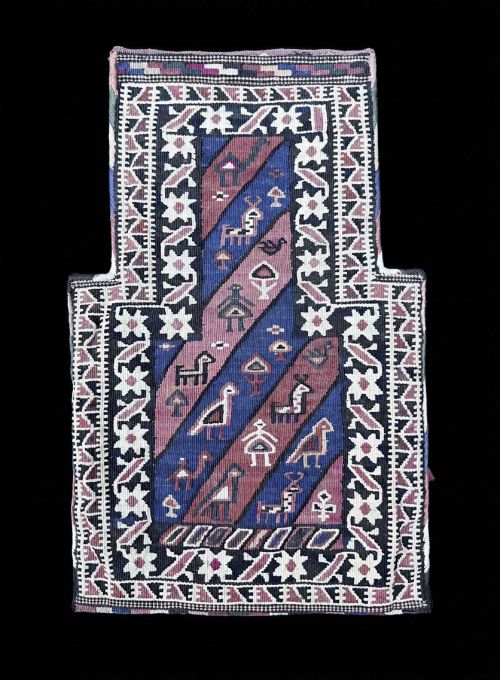
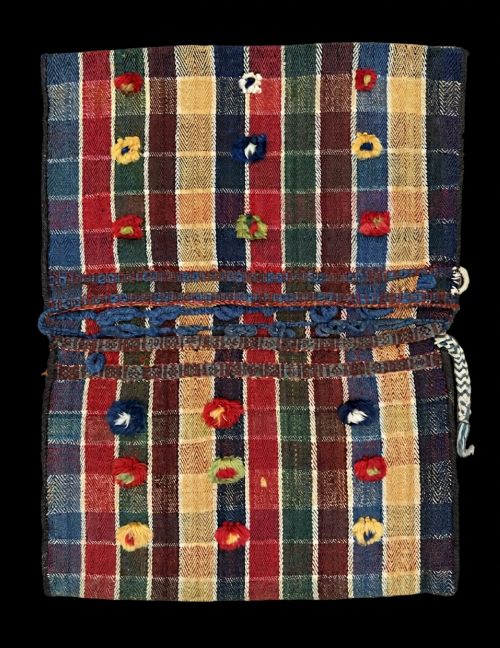
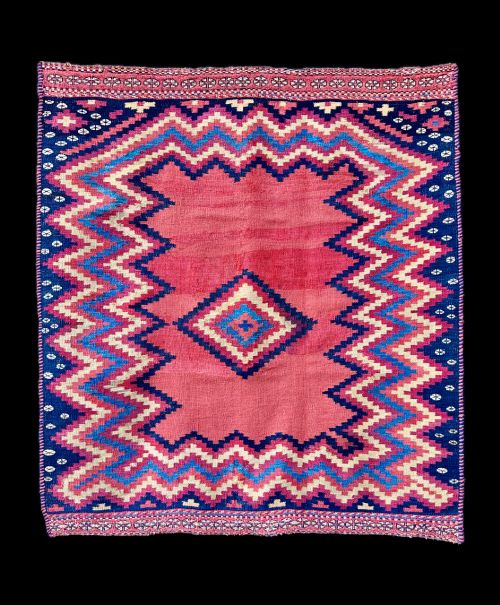
Blue persian textile art encompasses tribal weavings and embroidered panels originating from nineteenth and early twentieth century Persia. These pieces include utilitarian items such as salt-bags, saddle-bags, bread sofreh, and complete kilim bags created by nomadic groups.
The objects on this page largely stem from distinct regional tribes including the Afshar, Qashqai, Shahsavan, and Kordi peoples. Each group applies traditional motifs and regional weaving methods that reflect their specific heritage and daily nomadic life.
Buyers encountering blue persian textile art will notice flatweave rugs and bag faces displaying geometric patterns, animal figures, and symbolic imagery. The enduring appeal lies in the tactile surface texture and the deep indigo tones characteristic of natural dyes.
Materials and Construction Techniques
These textiles rely on hand-spun wool and cotton foundations, constructed using traditional flatweave, soumak work, and embroidery techniques. Artisans utilised natural dyes to achieve rich indigo blues and contrasting secondary hues across the wool and silk fibres.
Nomadic weavers employed soumak wrapping techniques to create raised surface patterns that add durability and visual depth to bag faces. Wooden components and glass elements occasionally appear as structural supports or decorative accents in mounted panels and hanging textiles.
Blue Persian Textile Art Retail Price Guide 2026
Typical asking prices for blue persian textile art among the pieces listed under this phrase on Sellingantiques today, from the lower quarter to the upper quarter. They describe what is for sale here now, not the wider market.
Listings span the nineteenth and early twentieth centuries, featuring wool, cotton, silk, and natural dyes across tribal bag and flatweave forms.
Evaluating Quality and Craftsmanship
Quality in these textiles rests upon the fineness of the weave, the tightness of the knotting or soumak work, and the complexity of the tribal iconography. Pieces featuring well-defined animal figures and intricate geometric borders represent superior craftsmanship.
The depth and stability of natural dyes distinguish finer examples from standard productions, as does the skillful integration of hand-spun wool. Uniformity in the flatweave structure and intact original edges indicate higher standards of traditional nomadic artistry.
The Blue Persian Textile Art Glossary
- Soumak
- A brocade-like flatweave technique that wraps supplementary weft threads over the warp to create a textured, durable surface. This method frequently appears on antique bag faces and tribal saddlebags.
- Sofreh
- A traditional Persian spread or cloth used for serving bread or meals on the ground. These flatweave textiles often feature geometric field designs specific to the weaving tribe.
- Bagface
- The decorative front panel of a nomadic storage bag, preserved and displayed independently after the utilitarian back portion wore away. Collectors prize these panels for their concentrated tribal designs.
- Flatweave
- A textile constructed without pile by interlacing warp and weft threads directly on a horizontal loom. This group includes kilims and soumak structures.
- Natural Dyes
- Colourants derived from plant, insect, and mineral sources prior to the widespread introduction of synthetic dyes in the late nineteenth century. These materials produce rich, variable tones that age gracefully.
Blue Persian Textile Art: Frequently Asked Questions
What is blue persian textile art?
Blue persian textile art comprises hand-woven nomadic items such as salt-bags, saddlebags, and embroidered panels originating from nineteenth and early twentieth century Persia. These works showcase traditional tribal patterns executed in wool, cotton, and natural indigo dyes.
Created by groups like the Afshar, Qashqai, and Shahsavan, these pieces serve as tangible examples of regional nomadic culture and flatweave craftsmanship.
How were these bags originally used?
Nomadic tribes utilised these woven pieces for practical storage and transport during seasonal migrations across Persia. Items like salt-bags and saddlebags held provisions, personal belongings, and household goods.
Bread sofreh functioned specifically as eating cloths laid upon the ground for family meals. Over time, many surviving bag faces were separated from their utility backs to be preserved as decorative textile art.
How do I display these textiles at home?
Smaller flatweave bag faces and embroidered panels suit wall-mounting behind protective glass or securing onto fabric backings. Larger kilim bags and flatweave textiles can be displayed flat or utilised as distinctive decorative accents in low-traffic areas.
Keep these wool and cotton works away from direct sunlight to protect the natural dyes from fading over time. Gentle vacuuming with a mesh screen safeguards the delicate hand-spun fibres during routine cleaning.
How do I date these tribal weavings?
Dating relies on stylistic analysis, material examination, and structural characteristics recorded in nineteenth and early twentieth century examples. Pieces featuring saturated natural dyes, hand-spun wool, and specific tribal attributions generally point towards the eighteen-hundreds or early nineteen-hundreds.
Comparing regional motifs, such as those specific to the Afshar or Shahsavan tribes, helps place pieces within defined historical periods. The absence of synthetic aniline dyes further supports nineteenth-century origins.