



A 2026 Guide by Sellingantiques

Fabulous Brass Jardinere Stand, 1880
Priced at £795 from Fernyhough Antiques Ltd
Georgian cabinet makers produced specialised antique stands as household rituals grew more complex. Tea drinking alone required various forms to hold kettles and urns.
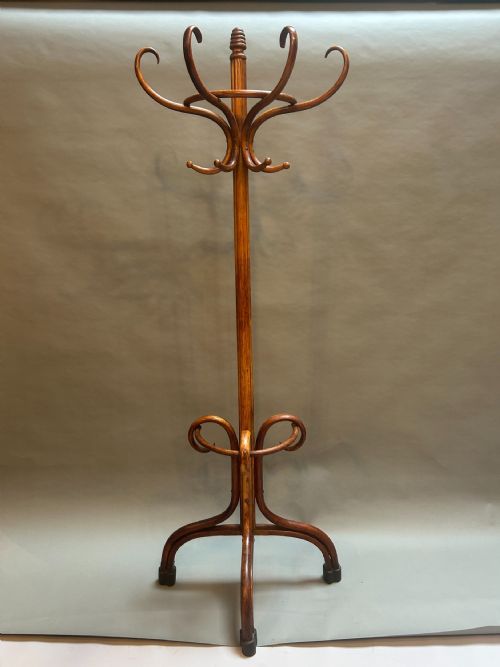
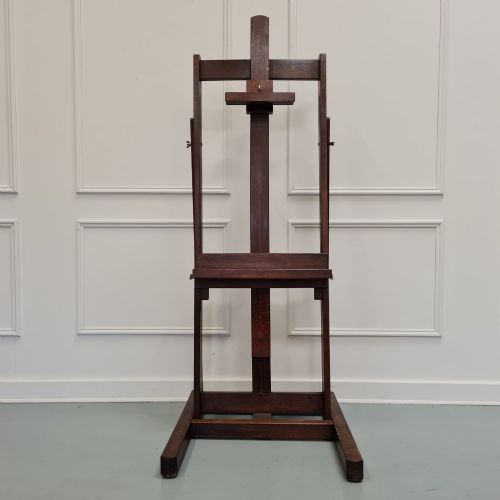
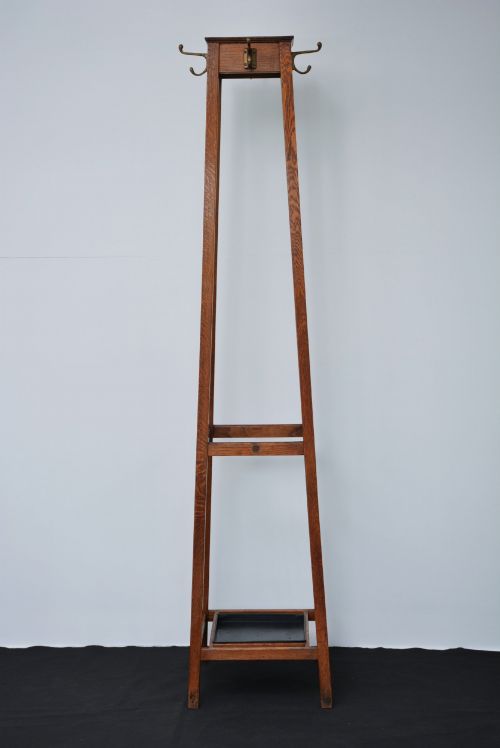
Look at the sheer variety from the nineteenth century. Hall stands for wet coats, reading stands for libraries, tiered forms for conservatory plants.
Wash stands evolved from simple tripod basins to heavy mahogany carcases featuring marble tops and tiled splashbacks.
Regional trades adapted to demand. Northern workshops often turned out heavier, wider profiles than London makers.
Thomas Chippendale supplied various mahogany stands to his major clients between 1754 and 1779, including highly carved kettle stands.
Gillows of Lancaster and London made hundreds of wash stands during the nineteenth century, often stamping the drawer edges.
Most antique stands don't carry a maker's mark. The bulk came from provincial cabinet makers working to pattern books.

Impressive Antique Coromandel and Mother of Pearl Desk Stand, 1880
Priced at £895 from Rebecca Sarah Antiques
The 2026 retail price guide for Antique Stands is drawn from a proprietary archive of over 1.1 million retail prices indexed by Sellingantiques since 2003. This guide relies exclusively on their own internal data; no external sources or auction records are used.
Analysing nearly 25 years of UK antique market history alongside current retail values, the data indicates that typical UK retail prices for Antique Stands range between £300 and £2,300. Entry-level prices generally fall under £300 and premium examples upwards of £2,300.
Pull-out slides appear frequently on urn stands, designed to hold the teapot directly under the tap.
Castors are standard on library and music stands. They needed to move quietly across carpets.
Check the galleries. Small raised edges or pierced brass rails stop objects sliding off the top surface.
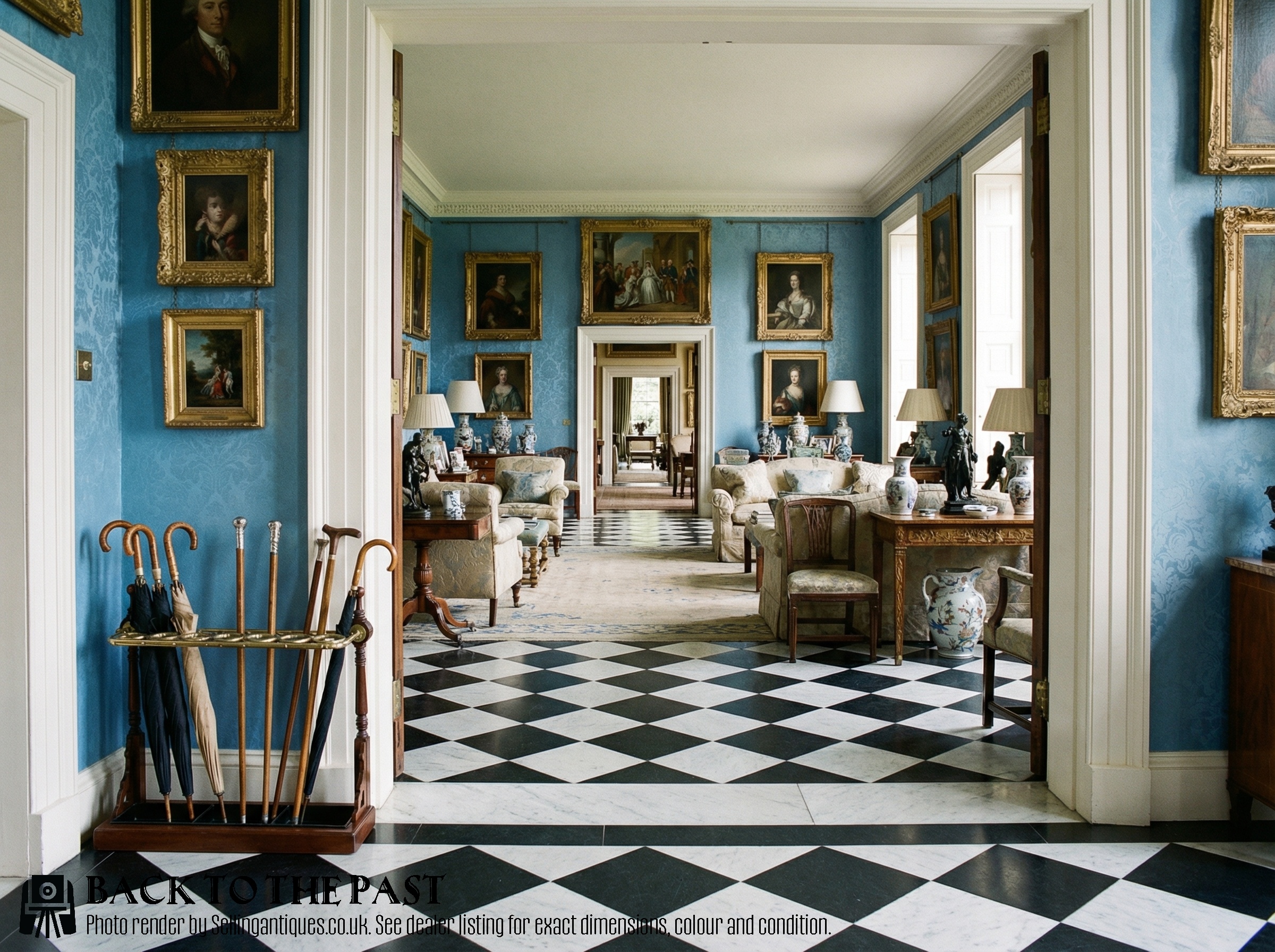
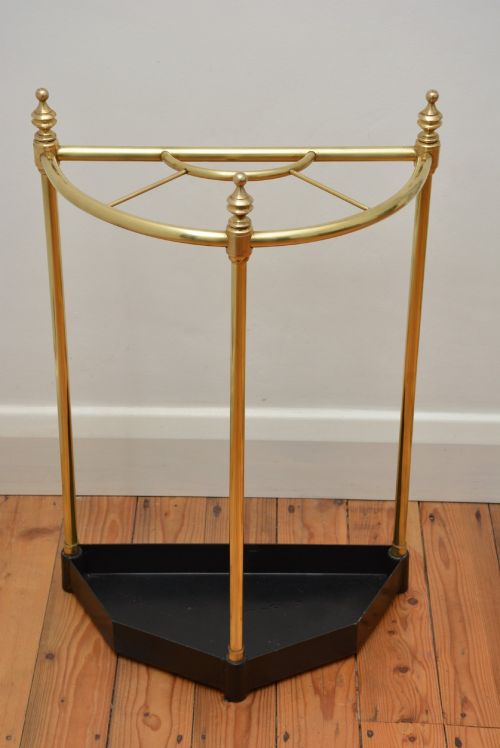
Fabulous Mahogany and Brass Country House Umbrella or Stick Stand, 1890
Priced at £1,425 from David Griffith Antiques
Hand-cut dovetails secure the drawer carcases in most eighteenth and nineteenth-century stands.
Examine the central columns. Turners shaped solid timber blocks on manual lathes to create the distinct baluster profiles.
Cutting fretwork galleries requires delicate saw work. Craftsmen worked complex repeating patterns into thin sheets of mahogany or rosewood.
"Many reading stands adjust in multiple directions. Racks hidden underneath allow the slope to change angle while the main column rises and falls."
"Wig stands sometimes retain small lidded bowls in the centre tier, originally holding powder for grooming."
"Some music stands dismantle into sections. Travelling musicians could pack the wooden desk and folding base into a narrow case."
Based on almost 25 years of Sellingantiques UK antique market data, Antique Stands appeared 31676 times (out of 1,100,000 antiques) which gives it a rarity score of 1/100.
This score measures scarcity within the Sellingantiques archive only and is not a survey of the entire antiques market, so these statistics may not be indicative of the general availability of Antique Stands elsewhere.
Wash stands with solid marble tops often convert well into modern vanities. The marble takes splashing without trouble, and the wooden bases usually provide enough space to hide modern plumbing.
However, you need to check the structural joints. The carcase must bear the added weight of ceramic basins and brass taps without wobbling.
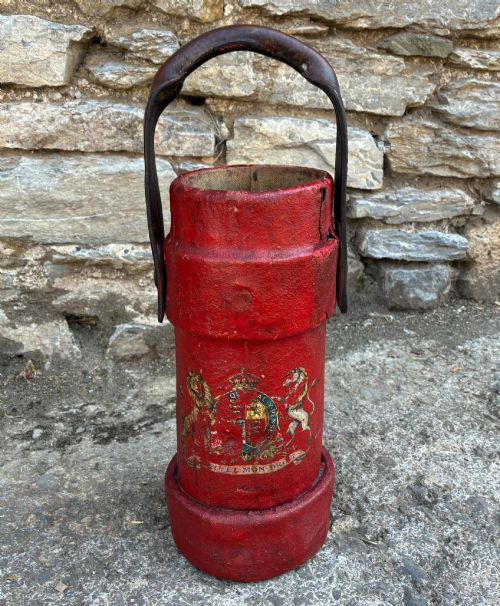
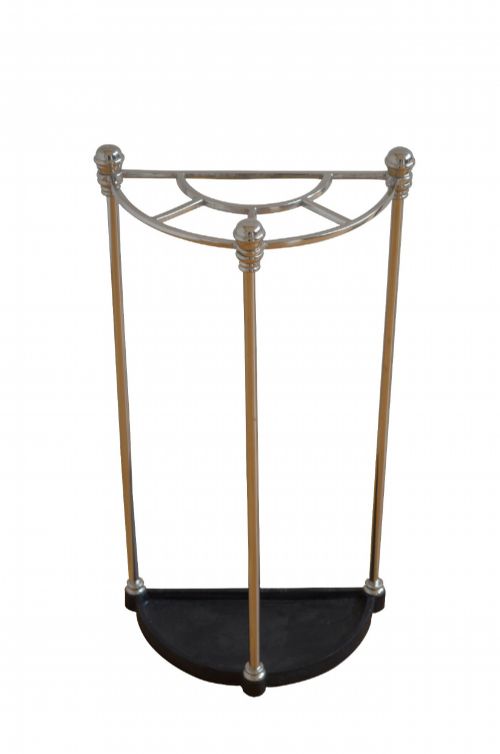
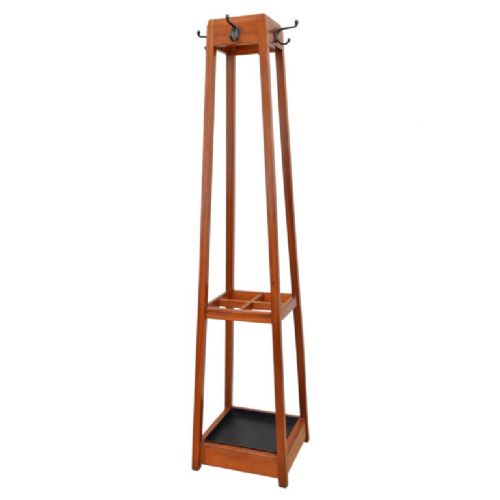
That sounds like a classic hall stand. The metal lining is a drip tray, placed there to catch rainwater running off wet umbrellas and walking sticks.
They stood in the front hall of Victorian houses to keep damp gear off the carpets. Some also feature hooks at the top for coats and hats.
People often repurpose kettle stands as side tables or lamp stands. Their small size fits easily beside a sofa or armchair.
They work well for holding a drink or a small lamp. The pull-out slide that once held a teapot provides a useful extra surface.
Reading and music stands share very similar bases. The main difference usually lies in the desk portion. Music stands often have open fretwork desks to keep them light, while reading stands tend to feature solid wood tops to support heavy volumes.
Both types usually include adjustable columns to change the height. A stuck tilt mechanism might just need a careful clean and some wax on the wooden threads or brass ratchets.
Please note: This Antique Stands guide and its associated pricing data are provided for general informational purposes only. It does not constitute formal financial, investment, or appraisal advice and should not be relied upon as the sole basis for any commercial activity, purchasing, or sales decisions. Sellingantiques.co.uk accepts no liability for any actions taken in reliance on this information. Always consult with a qualified professional or independent appraiser.
