




A 2026 Guide by Sellingantiques
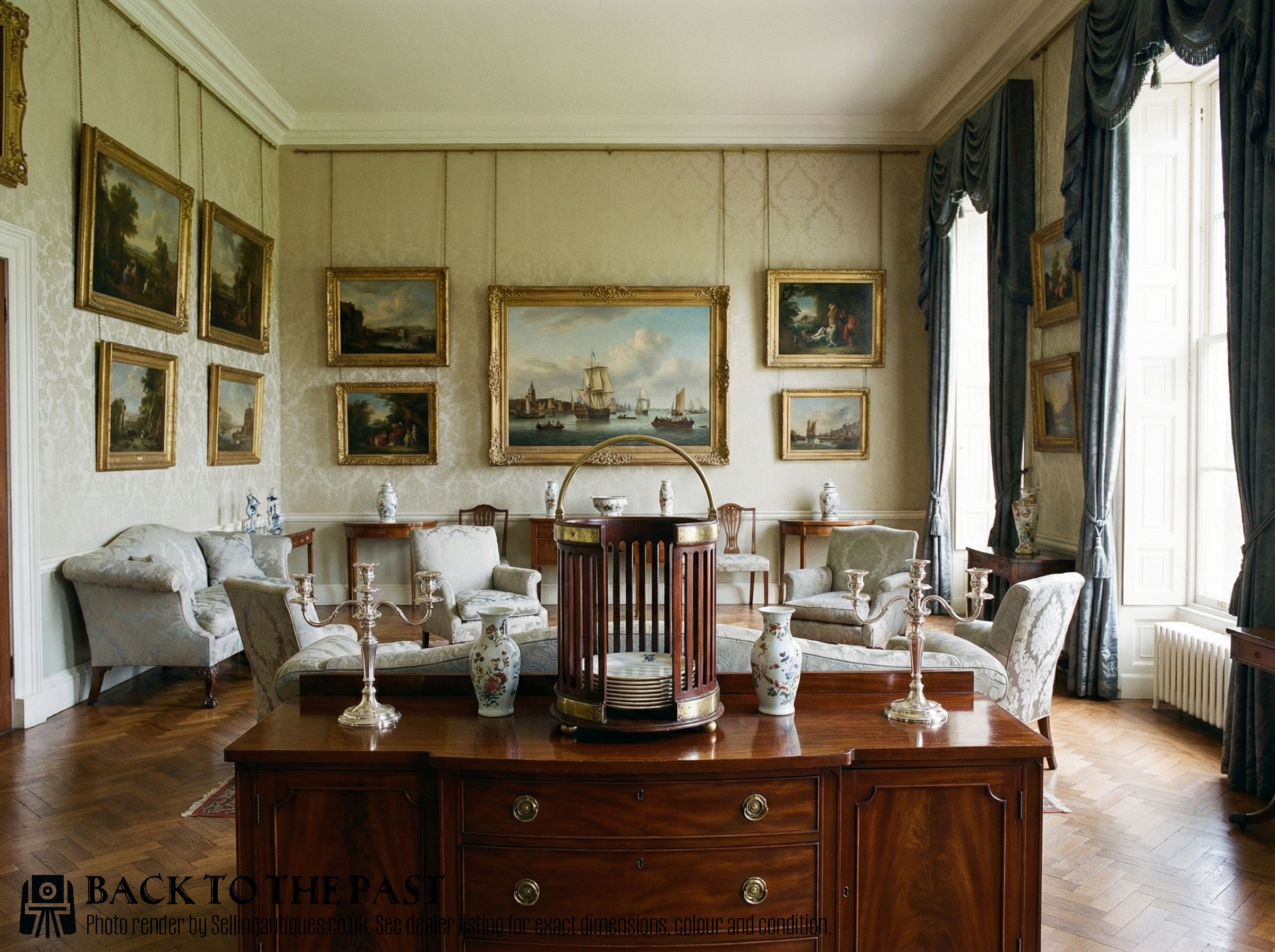
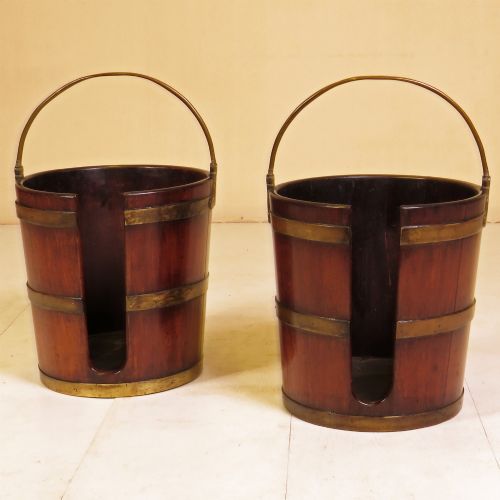
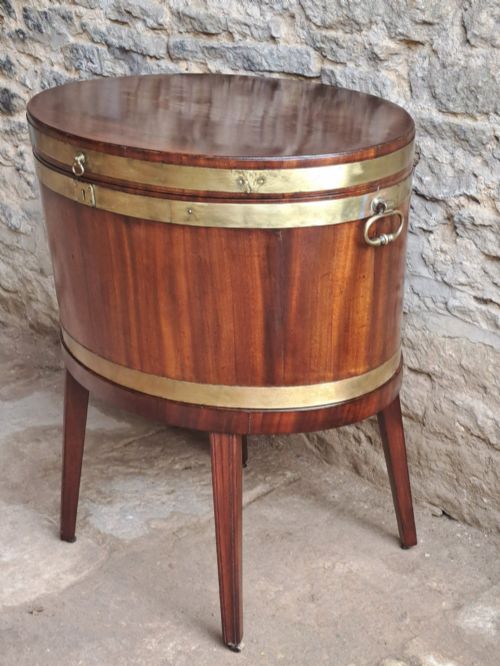
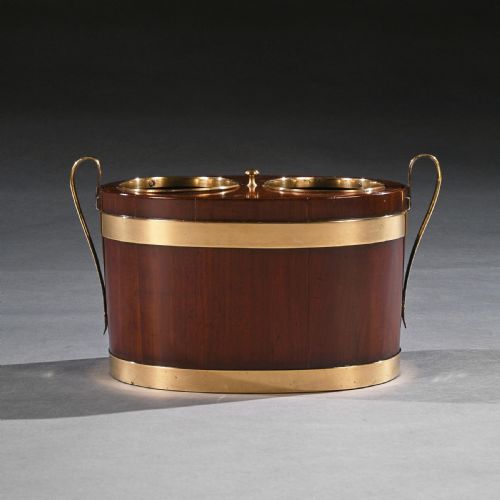
George III Mahogany Plate Bucket, 18th Century
Priced at £875 from Mytton Antiques - Jerrard Nares
Households required dozens of these vessels before indoor plumbing became common.
Coal and peat fires demanded constant refilling from specific antique buckets kept by the hearth.
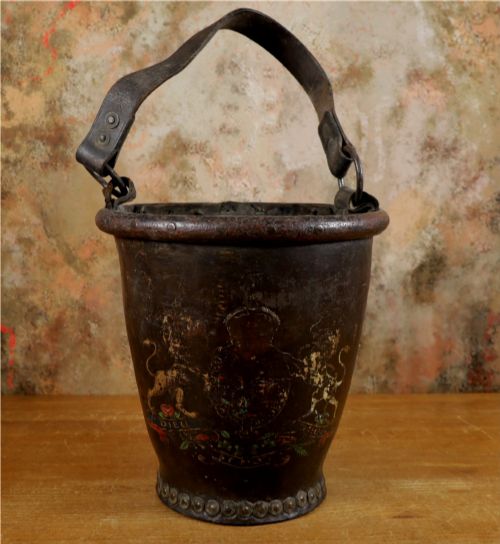
Look at early fire regulations. They'd often force residents to keep several leather pails hanging near the door.
Dairy work relied heavily on coopered wooden examples for milk and butter processing.
Most utilitarian antique buckets were supplied by anonymous local coopers or provincial metalworkers.
High-end Irish peat pails are sometimes attributed to specific Dublin cabinetmakers, though documented stamps remain rare.
Check brass coal scuttles for stamped marks from Birmingham manufacturers operating in the late nineteenth century.
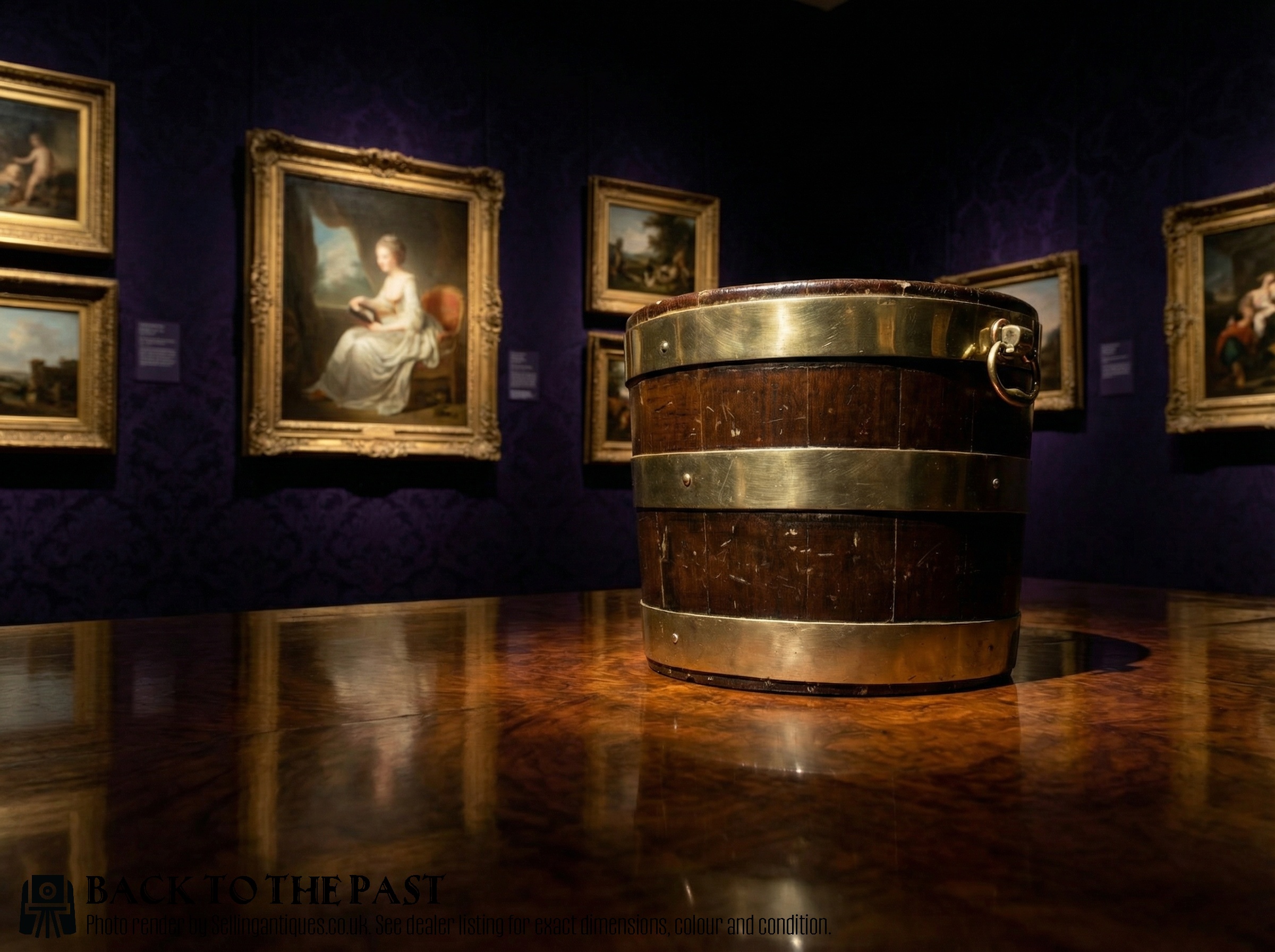
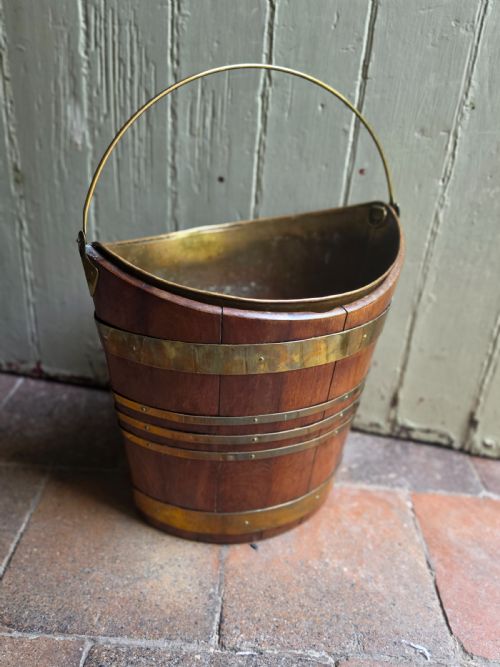
A George III Mahogany Bucket, Georgian
Priced at £795 from W.J. Gravener Antiques Ltd.
The 2026 retail price guide for Antique Buckets is drawn from a proprietary archive of over 1.1 million retail prices indexed by Sellingantiques since 2003. This guide relies exclusively on their own internal data; no external sources or auction records are used.
Analysing nearly 25 years of UK antique market history alongside current retail values, the data indicates that typical UK retail prices for Antique Buckets range between £200 and £1,200. Entry-level prices generally fall under £200 and premium examples upwards of £1,200.
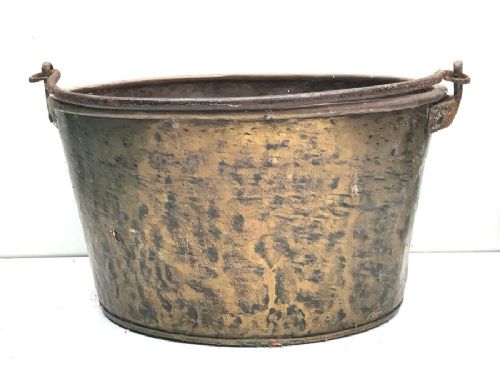
Swing handles on metal examples. These allow the vessel to tip forward for emptying fuel.
Notice the brass liners fitted inside mahogany peat buckets. These stopped damp sods from rotting the timber casing.
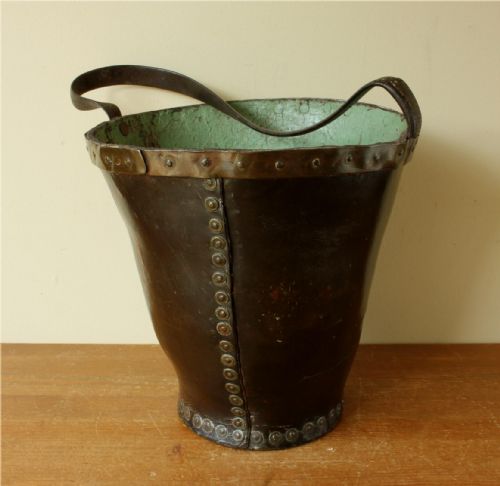
Leather iterations often bear painted coats of arms or civic crests identifying their owner.
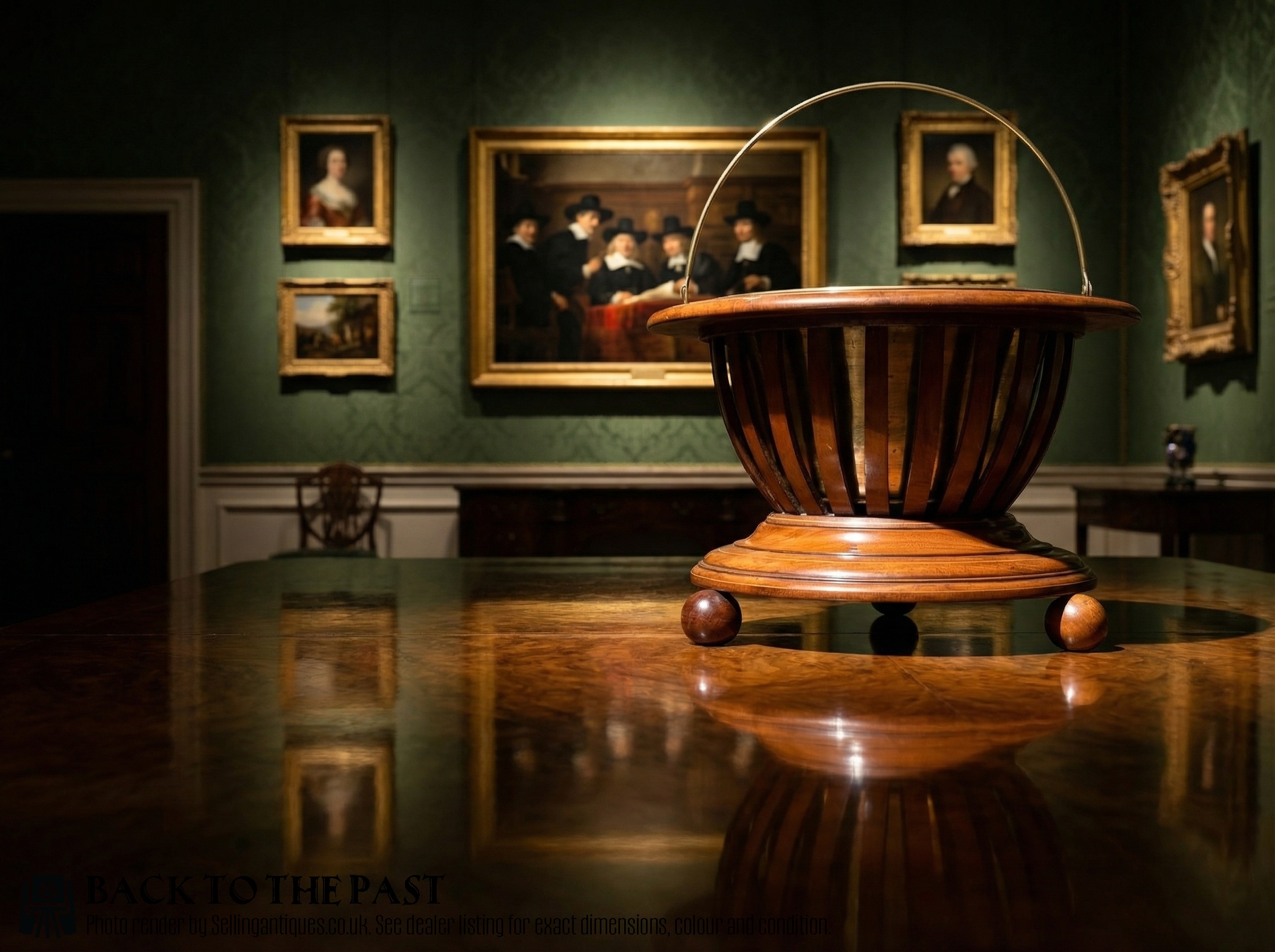
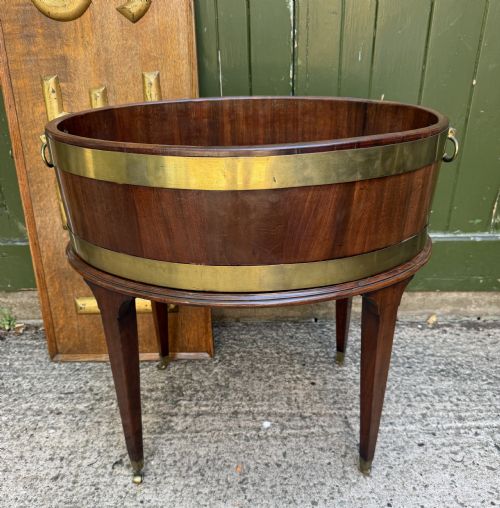
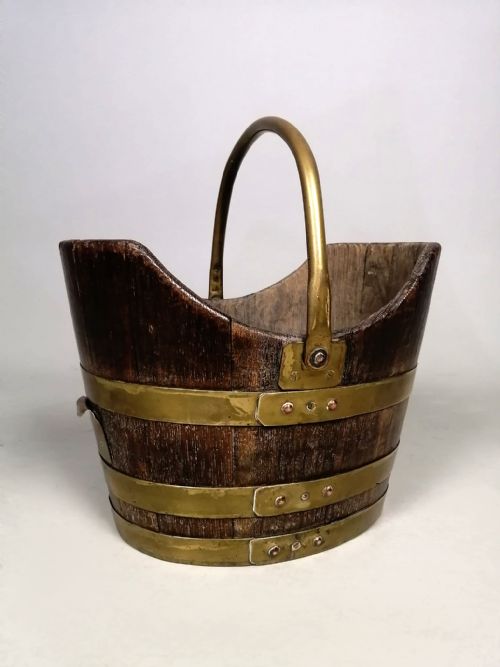
Mahogany & Brass Planter, 19th Century
Priced at £295 from Sinclairs Antiques and Interiors
Coopers shaped wooden staves with a slight taper so iron hoops would bind them tightly as they were hammered down.
You'll see seams on early copper scuttles feature cramped joints where the metal edges interlock before brazing.
Turned mahogany versions were often built from segmented blocks glued together and shaped on a large lathe.
"Some mahogany plate buckets have a distinctive open slot down one side allowing footmen to extract warmed plates easily."
"Fire pails were built with convex bottoms. This stopped people resting them on the ground and stealing them for regular household use."
"Brass-bound peat holders doubled as status symbols in Georgian drawing rooms despite holding basic turf."
Based on almost 25 years of Sellingantiques UK antique market data, Antique Buckets appeared 2742 times (out of 1,100,000 antiques) which gives it a rarity score of 58/100.
This score measures scarcity within the Sellingantiques archive only and is not a survey of the entire antiques market, so these statistics may not be indicative of the general availability of Antique Buckets elsewhere.
Warm soapy water and a soft cloth will remove surface dirt without stripping the age from the metal. Dry it thoroughly to prevent new verdigris forming in the crevices.
Avoid harsh chemical polishes. They leave a bright, aggressive finish that looks out of place on a period piece.
It is generally best to keep them dry. Wood shrinks and expands over time, and forcing old staves to hold water often stresses the joints. The iron hoops can also suffer if moisture seeps through the timber.
Using a separate plastic liner is a safer option. This allows you to hold water or plants without risking damage to the original fabric of the antique bucket.
They formed bucket lines during early town fires. Neighbours passed them hand-to-hand from the nearest water source to the blaze.
Towns often required householders to maintain several near the front door.
Finding an exact match is difficult. Hardware manufacturers produced hundreds of different ceramic shapes and patterns for these handles during the late nineteenth century. You rely on salvaging parts from damaged examples.
Many people choose to leave minor chips alone. It forms part of the historical record of the piece and saves the trouble of dismantling the brass mounts.
Please note: This Antique Buckets guide and its associated pricing data are provided for general informational purposes only. It does not constitute formal financial, investment, or appraisal advice and should not be relied upon as the sole basis for any commercial activity, purchasing, or sales decisions. Sellingantiques.co.uk accepts no liability for any actions taken in reliance on this information. Always consult with a qualified professional or independent appraiser.
