


A 2026 Guide by Sellingantiques
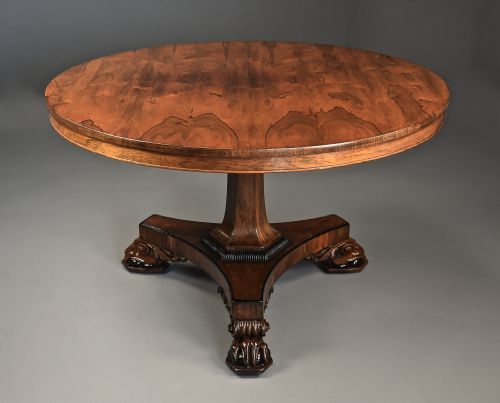
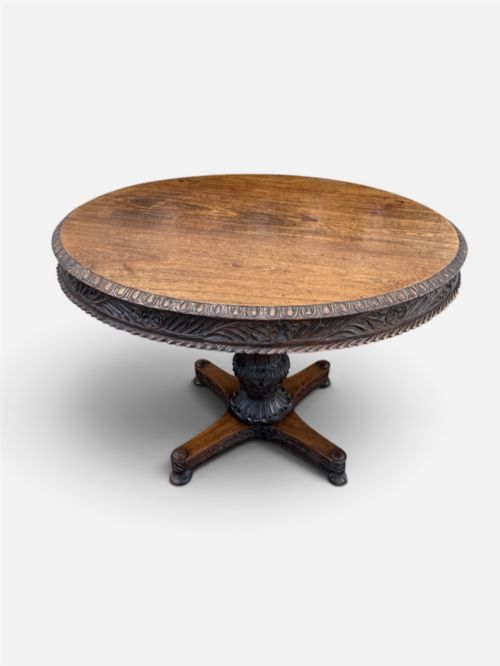
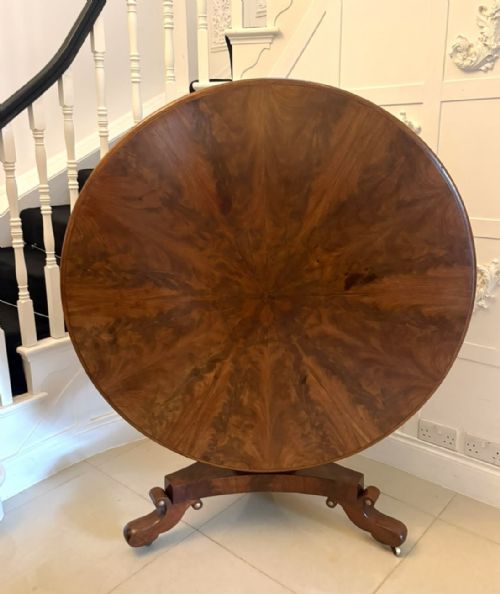
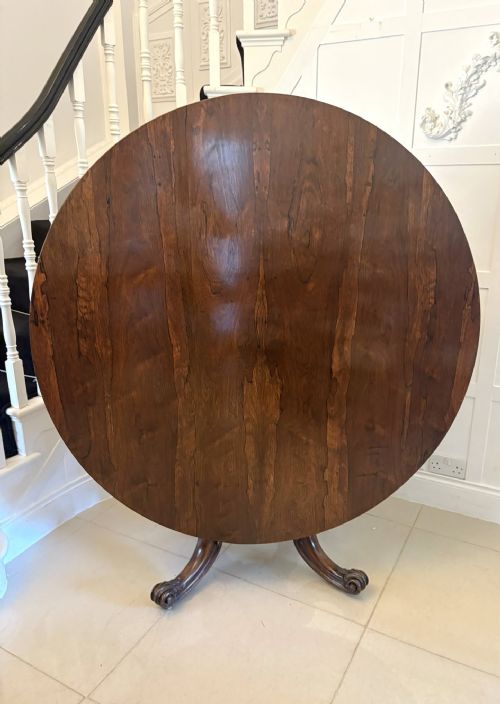
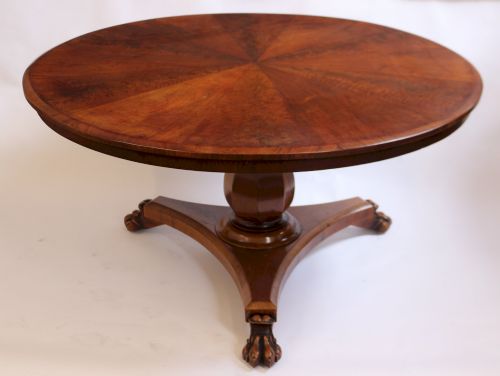
Antique 19th Century Victorian Rosewood Serpentine Loo / Breakfast Dining Table – Fine Quality Large Tilt-top, 19th Century
Priced at £2,096 from Prior and Willis
Named after lanterloo. This was a trick-taking card game played in wealthy households across the Georgian and Victorian periods.
Look for early antique loo tables serving a strict, dedicated gaming purpose.
Later Victorian antique loo tables shifted roles, sitting squarely in the middle of a parlour as a general centre table.
Gillows of Lancaster and London produced many documented loo tables during the late eighteenth and nineteenth centuries.
Stamped examples are rare. The vast majority of these were made by anonymous provincial cabinetmakers following popular pattern books.

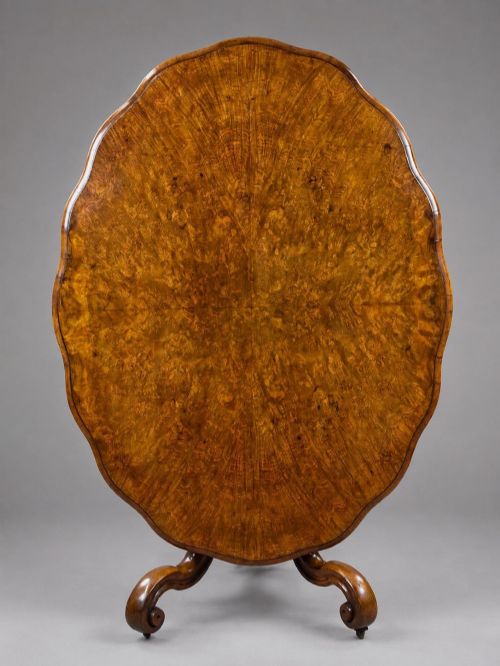
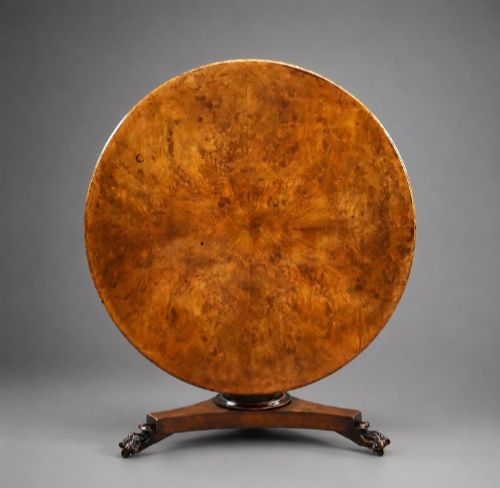
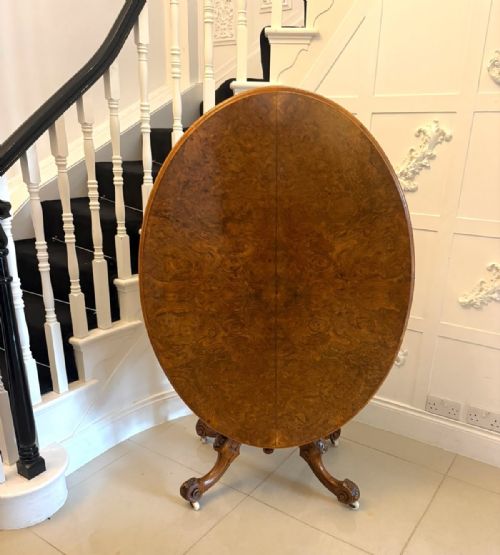
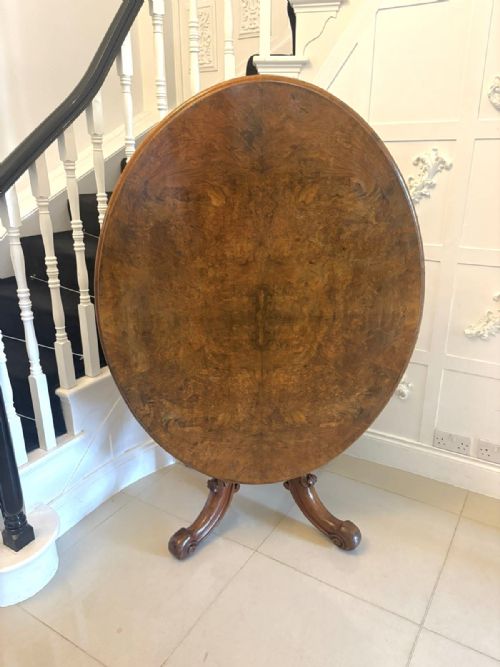
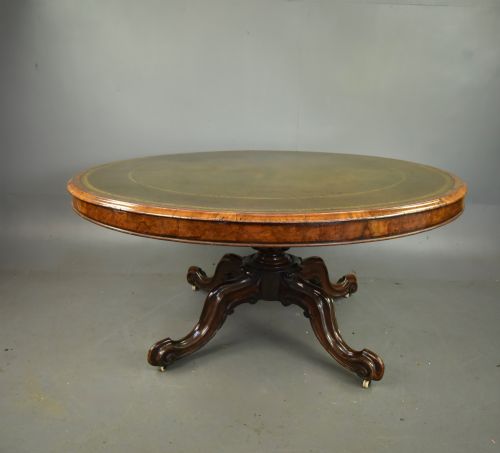
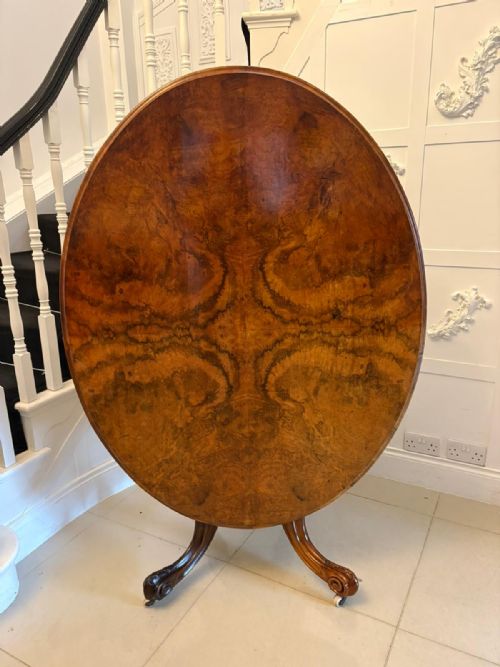
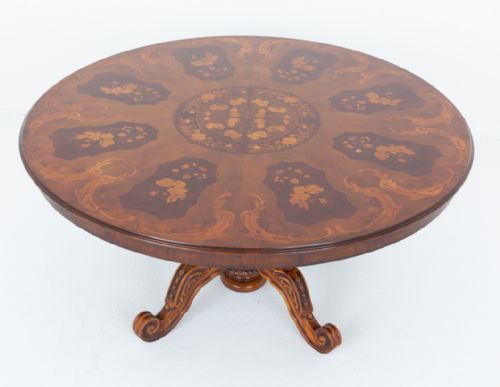
Victorian Burr Walnut Loo Table, 1860
Priced at £1,165 from Philip Hunt Antiques
The 2026 retail price guide for Antique Loo Tables is drawn from a proprietary archive of over 1.1 million retail prices indexed by Sellingantiques since 2003. This guide relies exclusively on their own internal data; no external sources or auction records are used.
Analysing nearly 25 years of UK antique market history alongside current retail values, the data indicates that typical UK retail prices for Antique Loo Tables range between £800 and £3,500. Entry-level prices generally fall under £800 and premium examples upwards of £3,500.
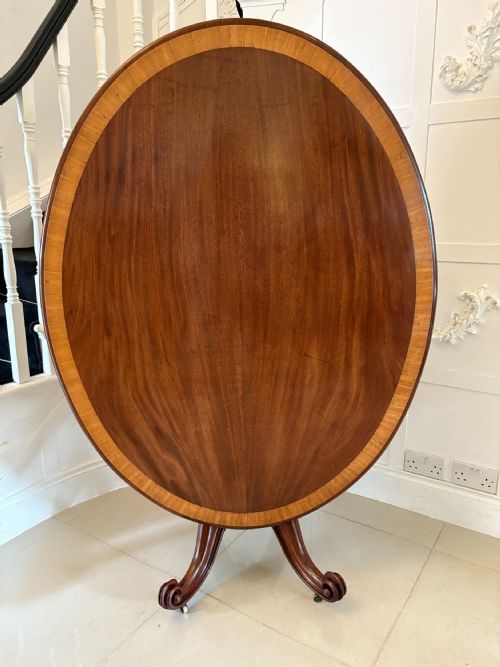
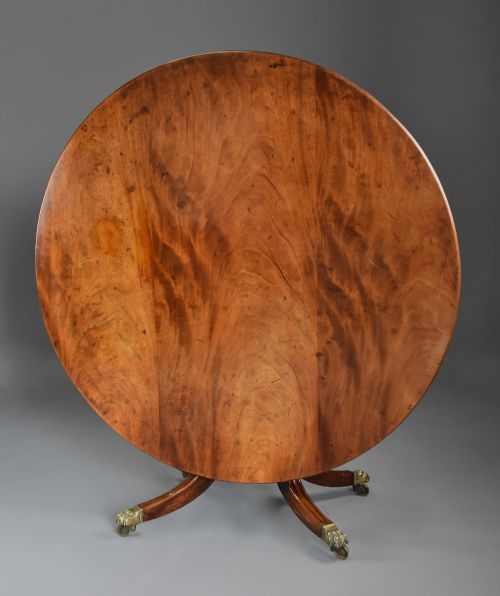
Tops are round or oval, giving players equal reach during a card game.
Always check the mechanism. Most antique loo tables feature a hinged brass catch allowing the flat surface to tip upright.
Central columns split into three or four carved legs near the floor, removing awkward table corners from legroom.
Earlier Georgian pieces rely on simple, solid turned mahogany pillars with minimal surface carving.
Notice the thick veneers on older antique loo tables. These were hand-sawn rather than thinly machine-sliced.
Mid-Victorian workshops added heavy scrollwork. They applied carved aprons and stout baluster columns to carry larger oval tops.
"Tipping the top up vertically allowed household staff to push the piece flat against a wall when clearing the floor."
"Their wide bases make them solid. They easily support large floral displays without tipping over."
"The game of lanterloo itself was highly sociable. Finding one of these means owning a piece of historic parlour entertainment."
Based on almost 25 years of Sellingantiques UK antique market data, Antique Loo Tables appeared 976 times (out of 1,100,000 antiques) which gives it a rarity score of 82/100.
This score measures scarcity within the Sellingantiques archive only and is not a survey of the entire antiques market, so these statistics may not be indicative of the general availability of Antique Loo Tables elsewhere.
Many use them as centre tables in a large hallway or drawing room. The wide top is practical for holding a stack of books or a heavy lamp.
Some find them useful as occasional dining tables. An oval antique loo table seats four to six people comfortably if the base allows enough legroom.
Wobbles usually come from a worn brass snap catch or loose screws in the bearer block. The metal components grind against each other over decades of use and slowly lose their tight grip.
Replacing the original screws with slightly thicker ones often solves the block issue. A metalworker can build up a worn brass catch with silver solder and file it back to a clean tight fit.
Most separate into two main pieces. The top and its bearer block lift away from the central pedestal once you remove the main wooden wedge.
This makes them easier to move through narrow doorways.
Fixed examples exist but they are less common. The main point of the form was flexibility in a multi-use room, so a tilting top was standard practice.
Sometimes a previous owner decides to fix a wobbly top permanently. Look underneath for later iron brackets or thick steel screws driven straight through the bearer block into the column.
Please note: This Antique Loo Tables guide and its associated pricing data are provided for general informational purposes only. It does not constitute formal financial, investment, or appraisal advice and should not be relied upon as the sole basis for any commercial activity, purchasing, or sales decisions. Sellingantiques.co.uk accepts no liability for any actions taken in reliance on this information. Always consult with a qualified professional or independent appraiser.
