


A 2026 Guide by Sellingantiques

Quality Antique Japanese Satsuma Jardiniere, 1900
Priced at £345 from Unique Antiques by Emma Jade
Early wares didn't look like the pieces typically seen today. Most export Antique Satsuma dates from the mid-nineteenth century onwards.
Look closely at the sudden shift following the 1867 Paris Exposition. Foreign demand shaped the complex designs that followed.
Production quickly spread to Kyoto and Osaka. This expansion met heavy overseas trade requirements.
Kilns adapted traditional shapes. They made large display vases specifically for foreign drawing rooms.
Yabu Meizan operated a highly organised studio in Osaka. His painters applied minute detail to small-scale forms using fine copper plates.
The Kinkozan family in Kyoto produced vast quantities of Antique Satsuma. They employed hundreds of workers at their peak.
Ryozan worked under the Yasuda company. His pieces feature dense figure compositions.
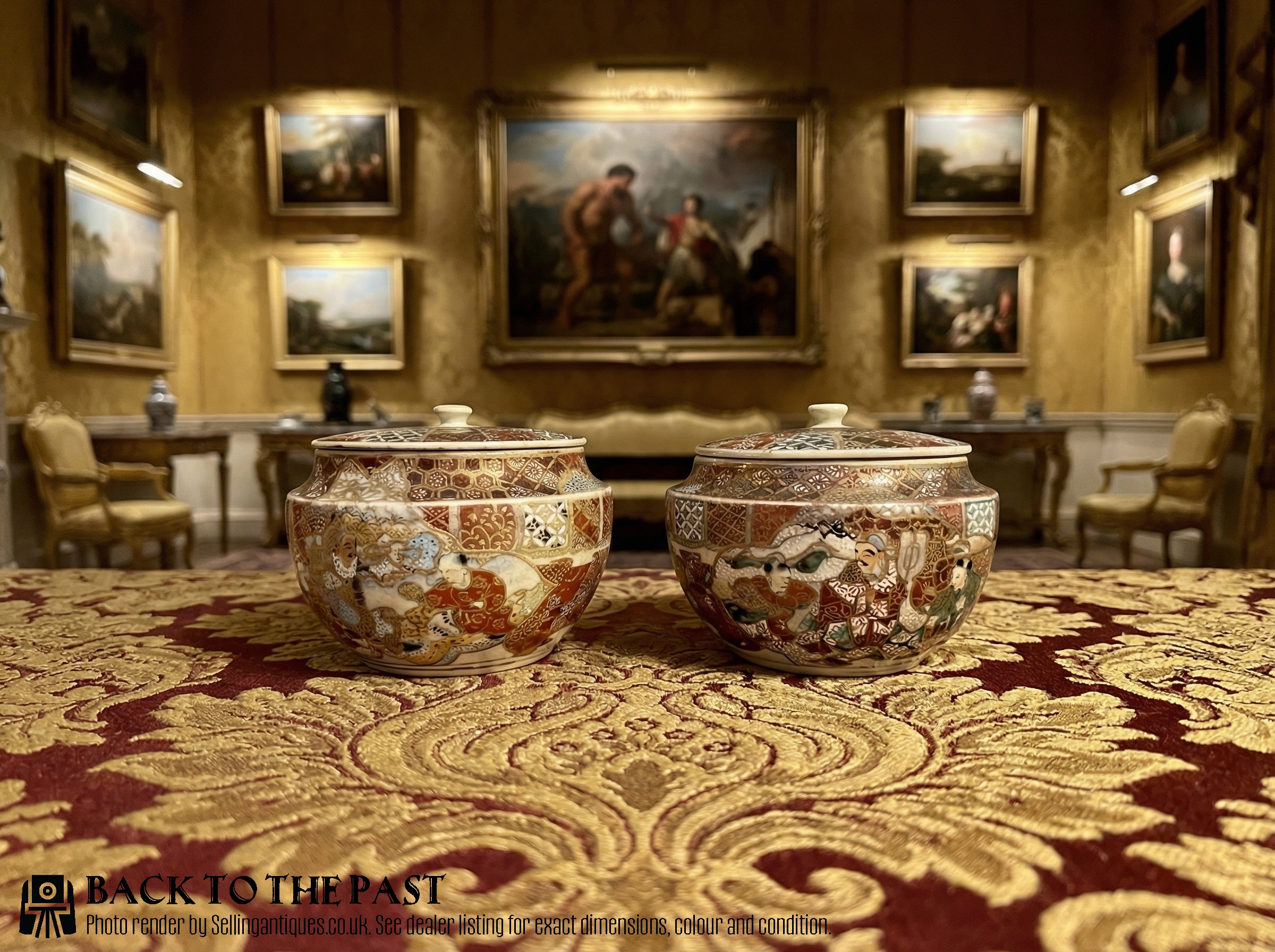
Unusual Quality Pair of Antique Japanese Satsuma Lidded Jars, 1900
Priced at £495 from Unique Antiques by Emma Jade
The 2026 retail price guide for Antique Satsuma is drawn from a proprietary archive of over 1.1 million retail prices indexed by Sellingantiques since 2003. This guide relies exclusively on their own internal data; no external sources or auction records are used.
Analysing nearly 25 years of UK antique market history alongside current retail values, the data indicates that typical UK retail prices for Antique Satsuma range between £400 and £3,700. Entry-level prices generally fall under £400 and premium examples upwards of £3,700.
A network of crazing covers the clear glaze layer. This crackle is deliberate.
Examine the painted panels. You'll often find genre scenes on one side and native flora on the reverse.
Heavy gilding frequently outlines the raised enamel figures.
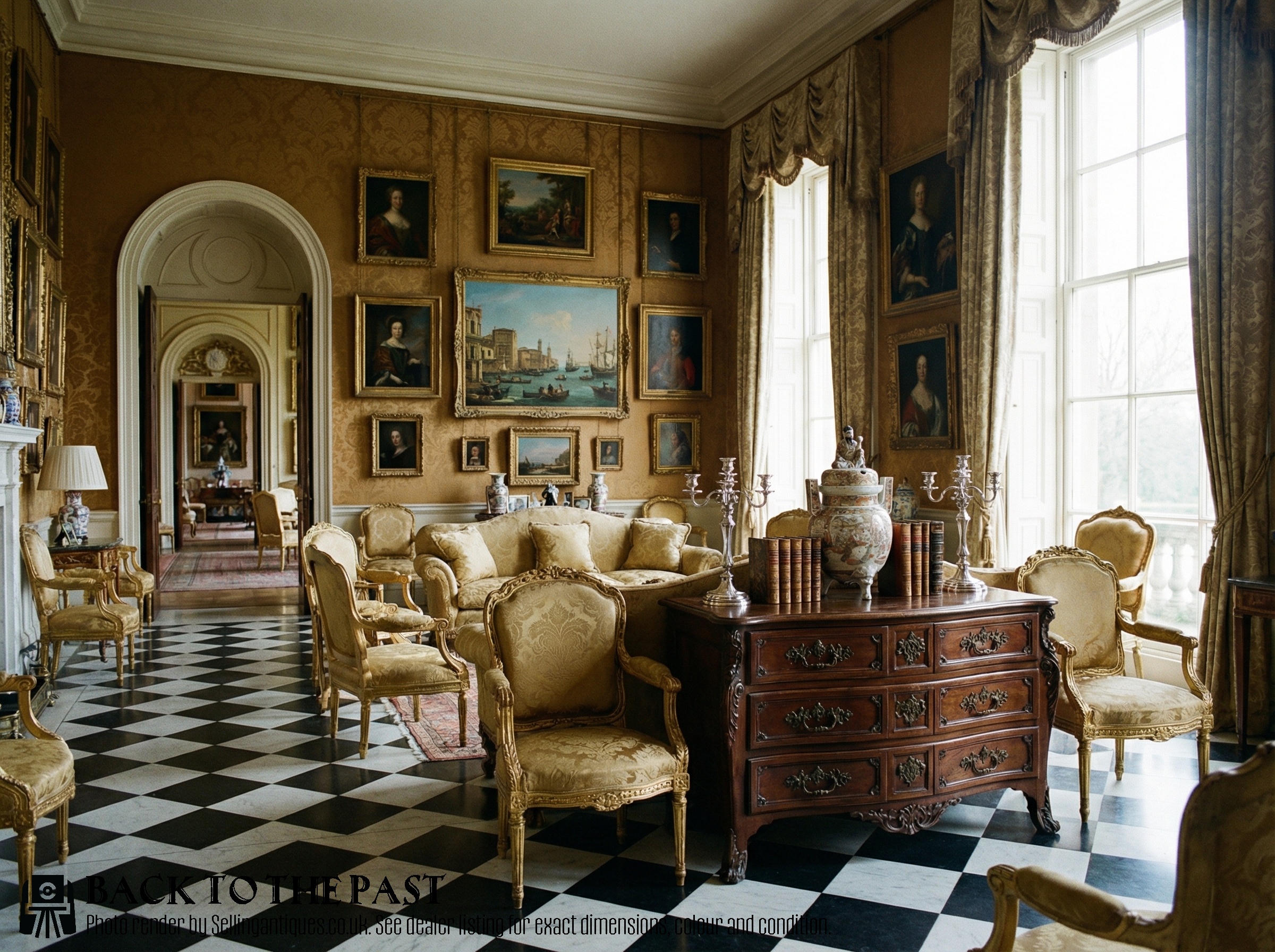
Huge Japanese Satsuma Koro and Cover, 1880
Priced at £1,995 from Fernyhough Antiques Ltd
Throwing the earthenware body on a wheel was just the first step. The piece required a low-temperature initial firing.
Applying the clear glaze came next. As the vessel cooled in the kiln, the glaze shrank faster than the clay to create the crackle.
Decorators added the complex enamels and gold later. They fired the item multiple times at progressively lower temperatures to set the colours.
"Blank vessels were regularly transported from regional kilns. They travelled to independent decorating studios in port cities."
"Some tiny pieces feature painted faces. You'll need a magnifying glass to see the individual brushstrokes."
"Kilns adapted shapes to suit Western drawing rooms. Potters embraced foreign tea set forms with enthusiasm."
Based on almost 25 years of Sellingantiques UK antique market data, Antique Satsuma appeared 1512 times (out of 1,100,000 antiques) which gives it a rarity score of 74/100.
This score measures scarcity within the Sellingantiques archive only and is not a survey of the entire antiques market, so these statistics may not be indicative of the general availability of Antique Satsuma elsewhere.
Don't wash these pieces in water. The porous earthenware body absorbs moisture through the crackle glaze. This can cause the painted enamels to flake off or discolour the clay beneath.
Dust them lightly with a soft brush. A specialist conservator should handle heavy grime or darkened crazing.
Most base marks identify the decorating studio rather than the kiln that fired the blank body.
The circular cross crest above the signature belongs to the Shimazu clan.
Decorators used different techniques depending on the effect they wanted. The raised figures are built up using thick overglaze enamels. These sit proudly on the surface and create a tactile finish.
Flat areas rely on thinner washes or different mineral pigments. Iron red often sits closer to the glaze level than the thicker white enamels.
Mixing these textures gave the scenes a sense of depth. It wasn't a fast process. The painter had to understand how each pigment would behave in the muffle kiln.
Most Antique Satsuma was produced for the export market. Western buyers favoured the dense gilding and elaborate scenes. These designs aren't typical of Japanese domestic tastes of the period.
Tea sets with handles and matching saucers are a European form. Japanese kilns adopted these shapes to sell to foreign merchants. The set was designed for a Western drawing room rather than domestic use.
Please note: This Antique Satsuma guide and its associated pricing data are provided for general informational purposes only. It does not constitute formal financial, investment, or appraisal advice and should not be relied upon as the sole basis for any commercial activity, purchasing, or sales decisions. Sellingantiques.co.uk accepts no liability for any actions taken in reliance on this information. Always consult with a qualified professional or independent appraiser.
