
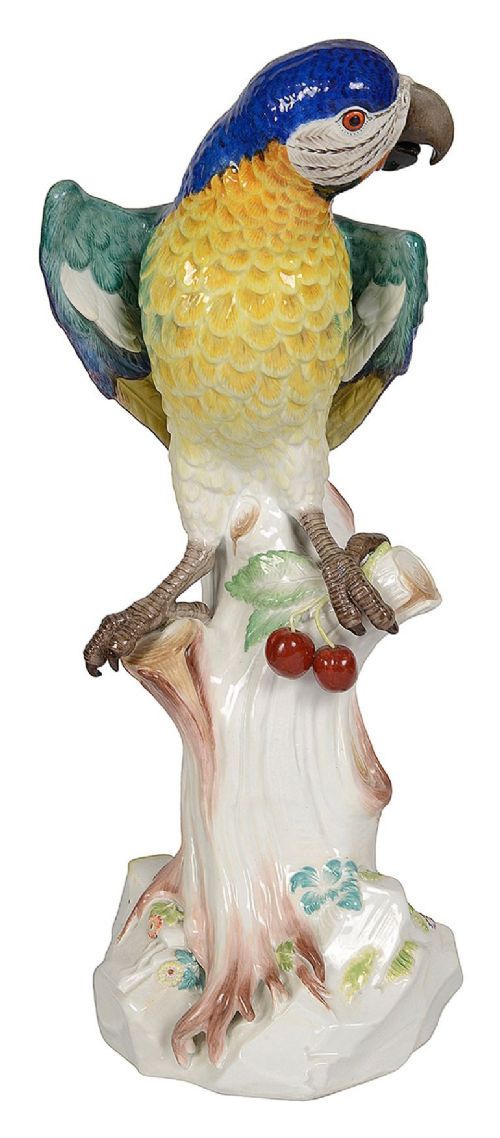
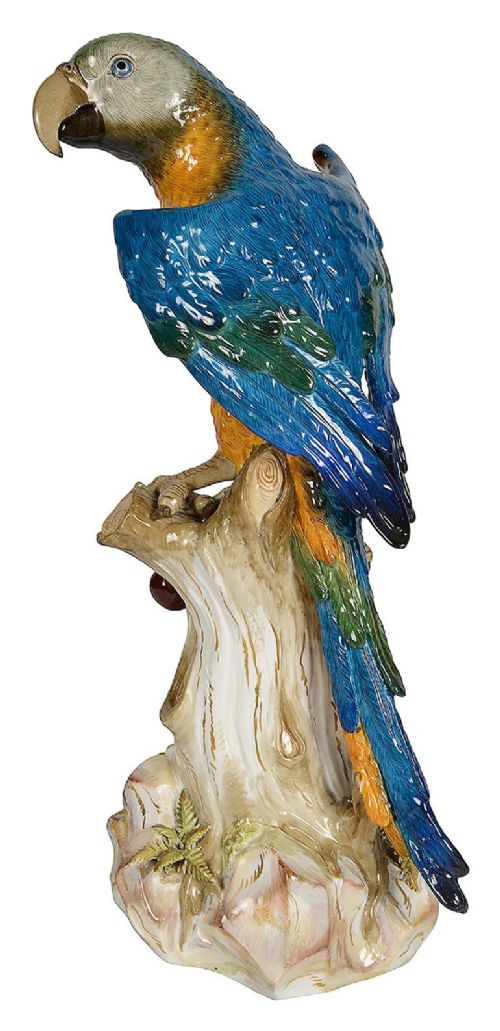

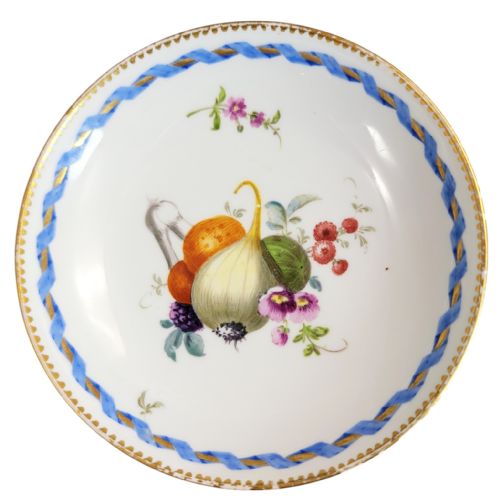


A 2026 Guide by Sellingantiques
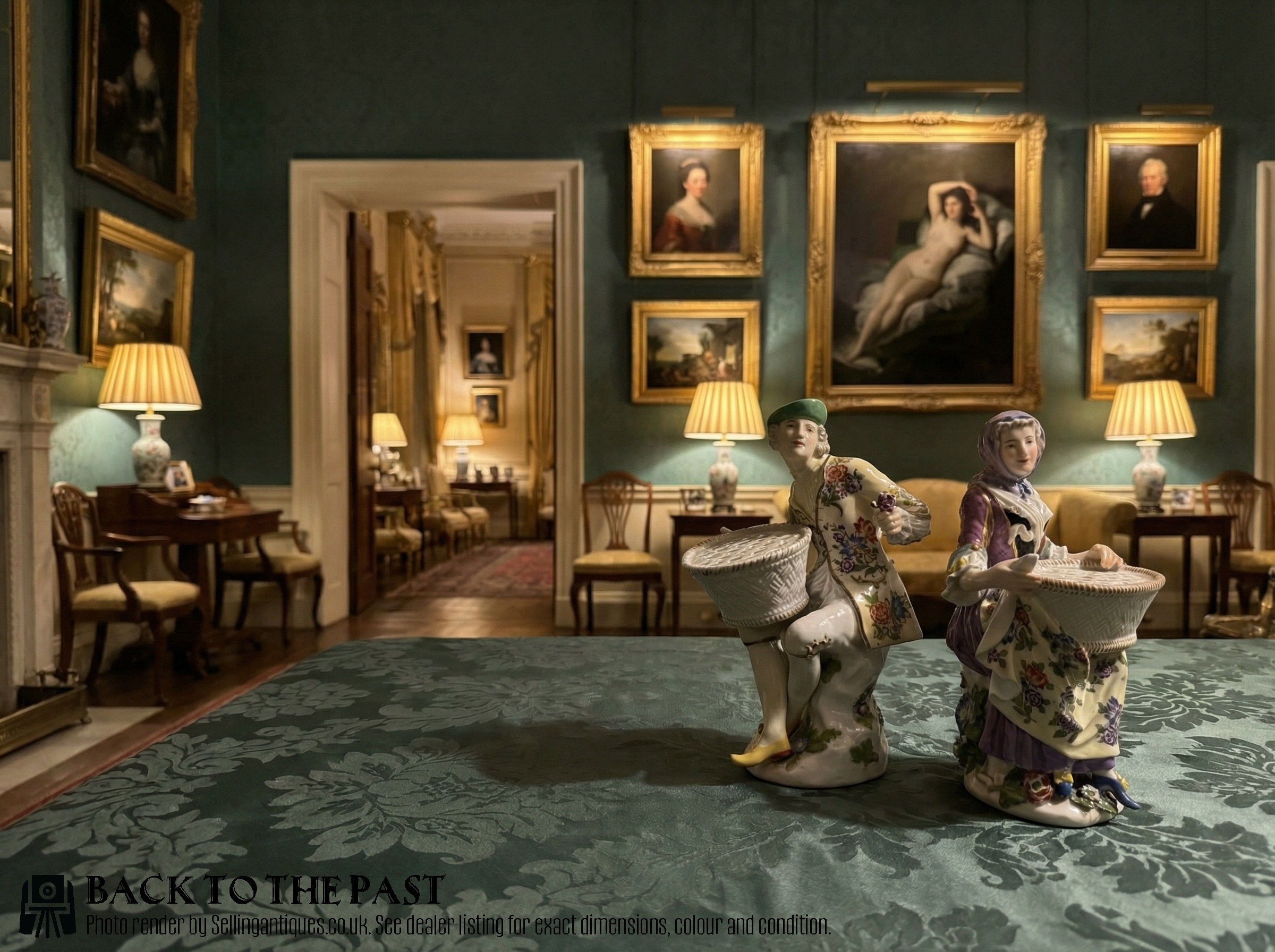
Pair of Meissen Porcelain Bouquetiere Figures, 18th Century, 18th Century
Priced at £2,000 from Treaders Collectables
Established in 1710 outside Dresden after Johann Friedrich Böttger unlocked the secret of hard-paste porcelain.
Augustus the Strong originally drove the enterprise. He wanted local wares to rival imported Asian ceramics.
Notice the shift from early red stoneware to the famous white porcelain within just a few years.
Production of Antique Meissen dominated the European market for decades. Other factories took time to match their chemistry.
Johann Joachim Kändler served as chief modeller from 1733 to 1775. He shifted Antique Meissen away from Asian imitations toward dynamic European baroque forms.
Painter Johann Gregorius Höroldt developed a broad palette of enamel colours during the 1720s. His workshop defined early chinoiserie decoration.
Look out for later figures by Michel Victor Acier. He introduced neoclassical styling to the factory in the late eighteenth century.
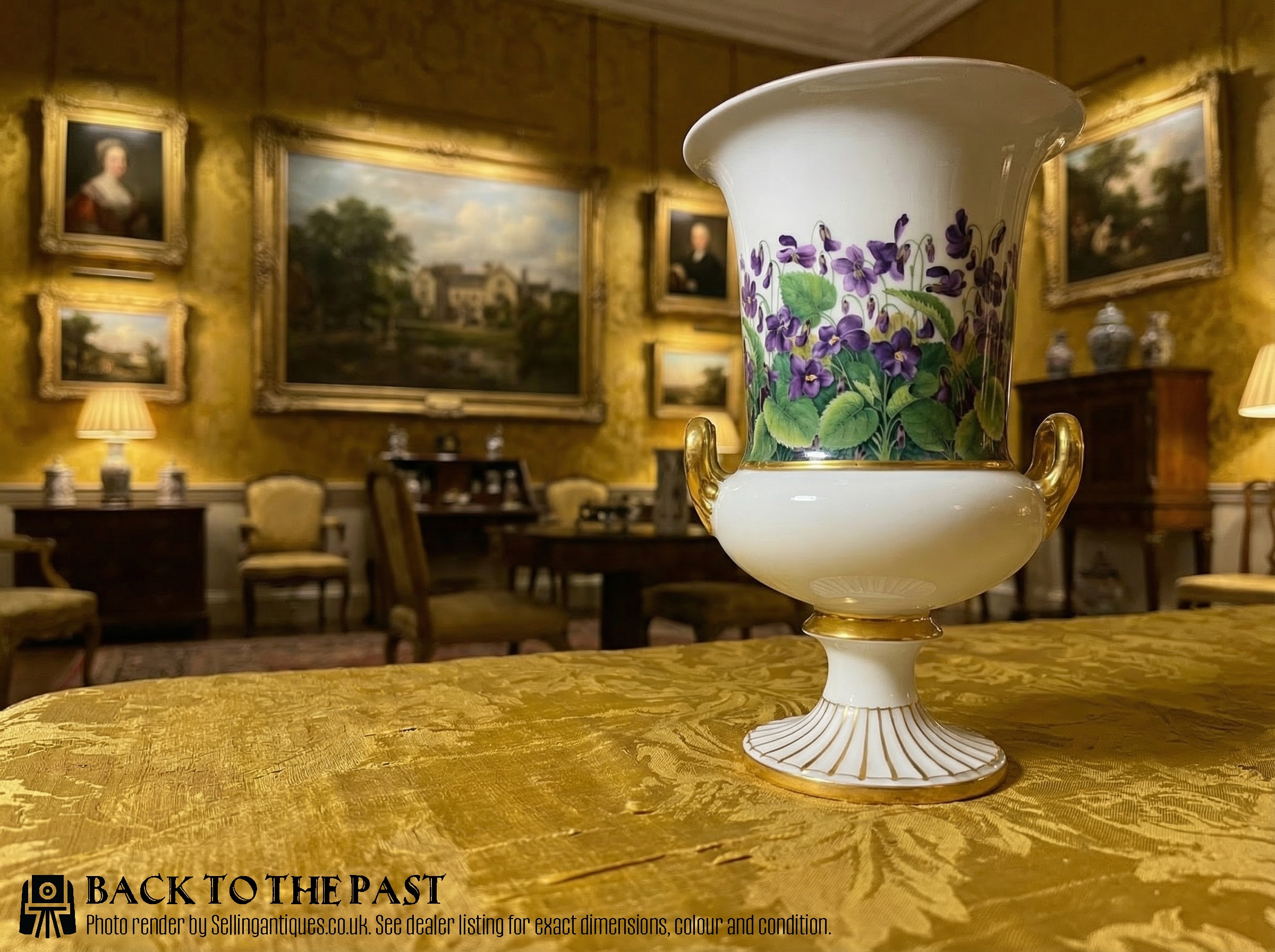
19th Century Meissen Porcelain Urn, 1880
Priced at £1,500 from Treaders Collectables
The 2026 retail price guide for Antique Meissen is drawn from a proprietary archive of over 1.1 million retail prices indexed by Sellingantiques since 2003. This guide relies exclusively on their own internal data; no external sources or auction records are used.
Analysing nearly 25 years of UK antique market history alongside current retail values, the data indicates that typical UK retail prices for Antique Meissen range between £400 and £3,800. Entry-level prices generally fall under £400 and premium examples upwards of £3,800.
The crossed swords mark appears in underglaze blue on most pieces after 1722. It mimics the electoral arms of Saxony.
Applied floral encrustations often decorate the bases of figures. Modellers shaped these delicate petals by hand before firing.
Check the base for small blind numbers stamped into the wet clay. Workmen used these to track piece-work.
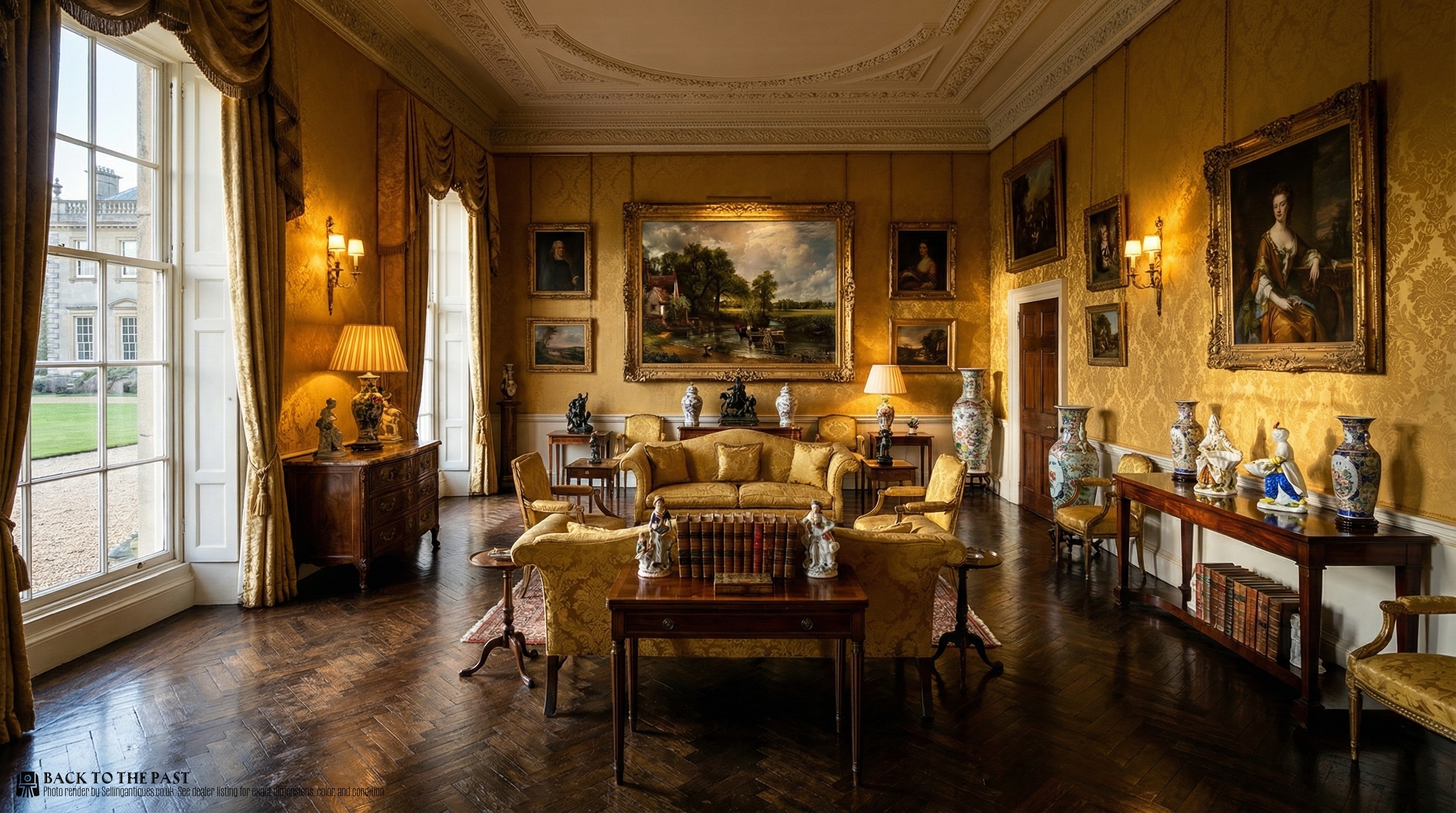
Meissen Turkish Pair Holding Sweetmeat / Table Salt Bowls, 18th Century, 1750
Priced at £16,000 from Treaders Collectables
Early production focused on throwing shapes on a wheel. By the 1730s they relied heavily on complex plaster moulds.
Modellers divided figures into dozens of separate cast parts. Assemblers known as 'repairers' joined these components using liquid slip.
Firing large animal figures proved difficult. The heavy clay walls shrank and tore during the kiln process.
"Many early dinner services featured specific botanical illustrations drawn from royal gardens. Painters copied directly from live specimens."
"Look for the crossed swords hidden in the painted decoration. Decorators occasionally worked the factory mark into a painted scene."
"The factory still holds many of its original eighteenth-century moulds. They can pull historical shapes from the archives today."
Based on almost 25 years of Sellingantiques UK antique market data, Antique Meissen appeared 781 times (out of 1,100,000 antiques) which gives it a rarity score of 86/100.
This score measures scarcity within the Sellingantiques archive only and is not a survey of the entire antiques market, so these statistics may not be indicative of the general availability of Antique Meissen elsewhere.
Those are pressnummern. They're stamped to identify the specific workman, or 'repairer', who assembled the hollow moulded parts into a finished shape before firing.
The factory needed them for piece-rate pay. It isn't just admin. If a figure failed in the kiln due to poor joints, management knew exactly whose wages to dock.
The practice started in the eighteenth century as a practical solution. Painters used small insects or scattered leaves to hide minor firing faults or iron spots in the glaze.
Over time the scattered bugs became a popular decorative style in their own right. It allowed decorators to show off their skill at painting while masking the natural imperfections of early porcelain production.
Projecting parts like fingers and applied flowers are naturally fragile. They take the brunt of regular household dusting.
Over centuries of display, these delicate extremities simply snap off. It is the standard wear you expect on early pieces.
Early gilding on Antique Meissen was applied using gold powder suspended in a medium like honey. When it comes out of the muffle kiln, it naturally has a matte finish.
Workers had to rub the gold with an agate tool to make it shine. On areas that saw heavy use like teapot rims, that burnished surface wears away over time to reveal the duller gold beneath.
Please note: This Antique Meissen guide and its associated pricing data are provided for general informational purposes only. It does not constitute formal financial, investment, or appraisal advice and should not be relied upon as the sole basis for any commercial activity, purchasing, or sales decisions. Sellingantiques.co.uk accepts no liability for any actions taken in reliance on this information. Always consult with a qualified professional or independent appraiser.
