




A 2026 Guide by Sellingantiques

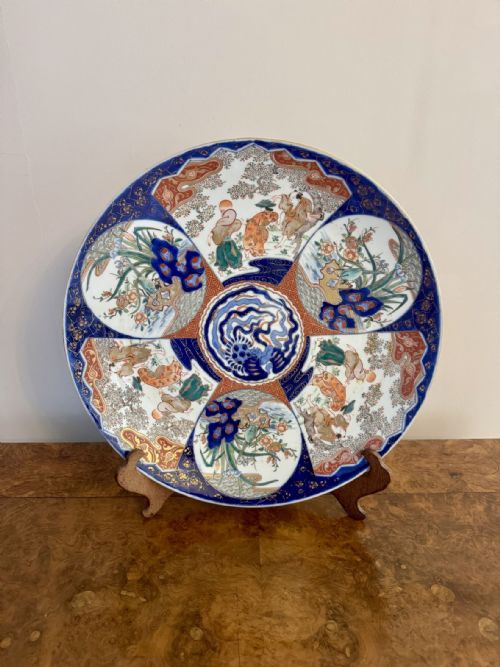
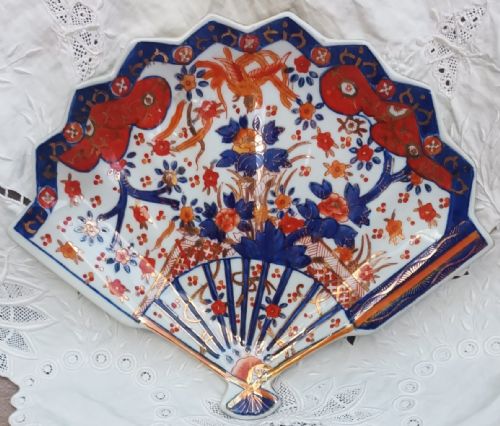
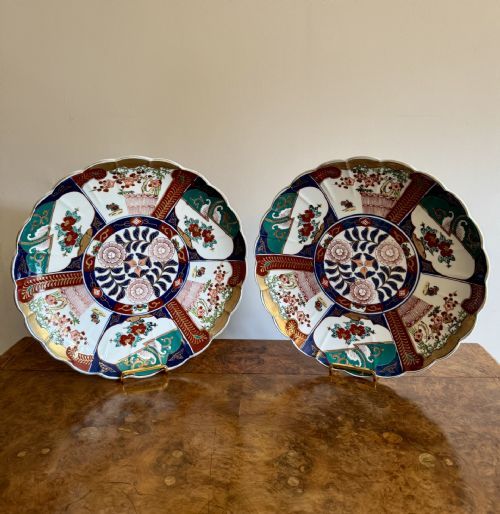
A Good and Large Imari Charger Meiji Peroid, Victorian
Priced at £450 from Frank Craig Antiques
Dutch traders shipped large quantities of this porcelain out of the port of Imari during the seventeenth century.
Most pieces actually originated in the kilns around Arita before moving through the port for export.
Look at early shipments and you'll find mostly large display chargers and covered garniture vases destined for European mantelpieces.
Chinese potters copied the distinctive blue and red palette when Japanese exports dipped.
The late nineteenth century saw a strong revival in Antique Imari production to feed Western demand.
Kakiemon kilns produced a lighter, more asymmetrical style of Antique Imari during the late seventeenth century.
Fukagawa emerged as a major commercial force in the Meiji era.
Exporting wares to Europe and America, Koransha formed during the 1870s.
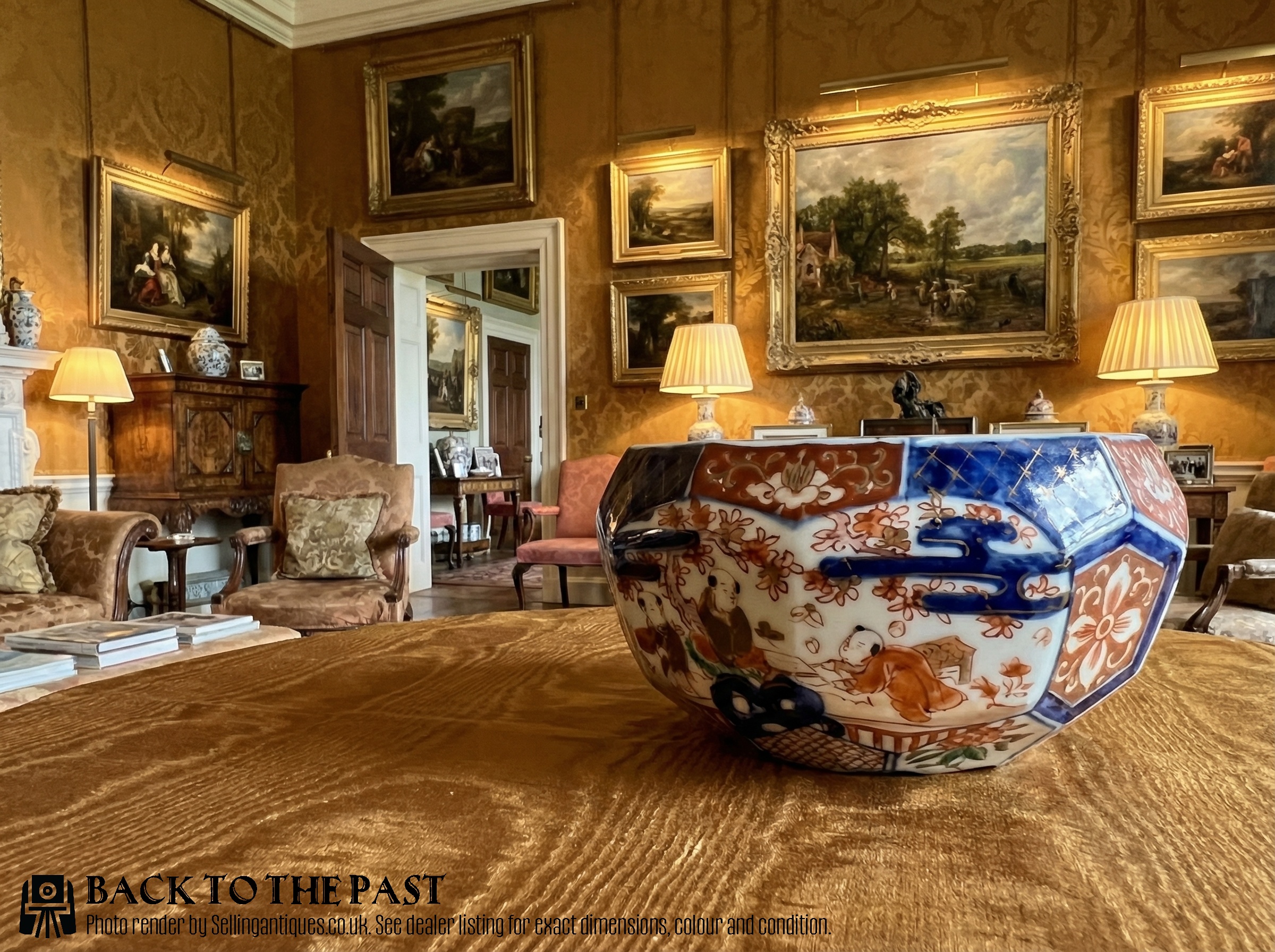
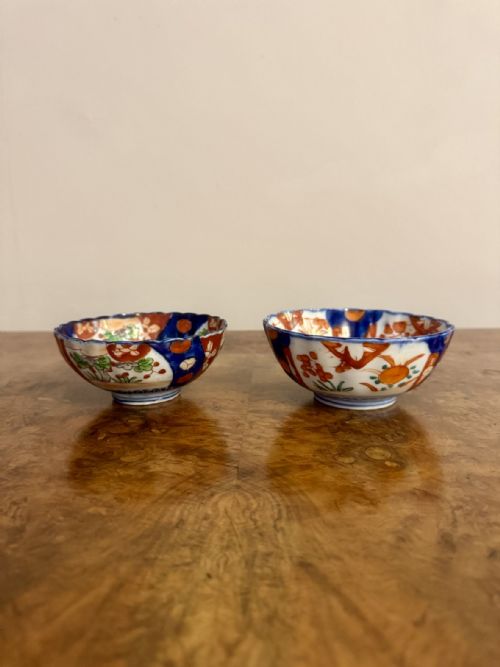
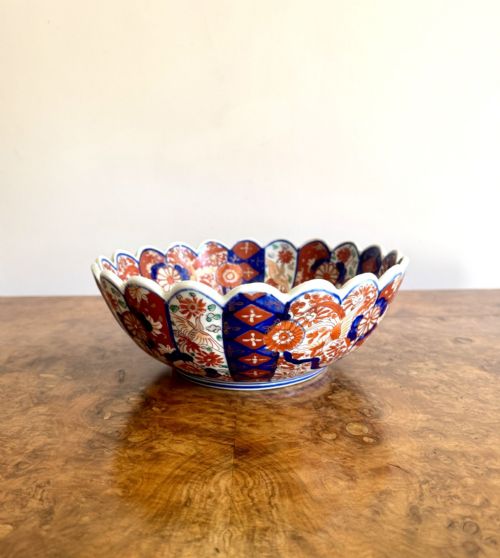
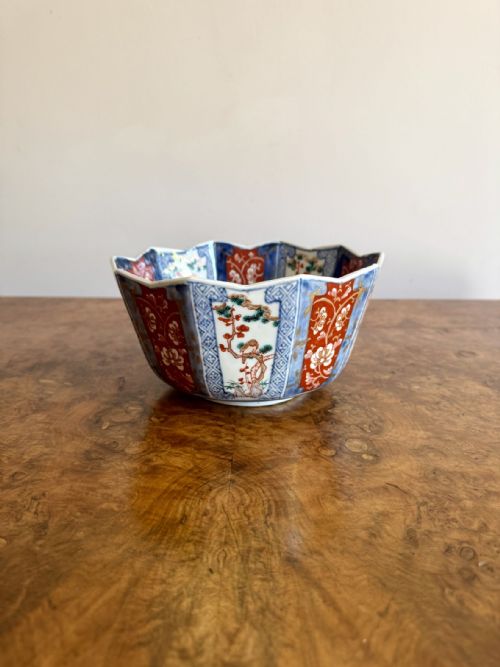
Stunning Quality Unusual Hexagonal Shaped Antique Japanese Imari Bowl, 1900
Priced at £385 from Unique Antiques by Emma Jade
The 2026 retail price guide for Antique Imari is drawn from a proprietary archive of over 1.1 million retail prices indexed by Sellingantiques since 2003. This guide relies exclusively on their own internal data; no external sources or auction records are used.
Analysing nearly 25 years of UK antique market history alongside current retail values, the data indicates that typical UK retail prices for Antique Imari range between £300 and £1,800. Entry-level prices generally fall under £300 and premium examples upwards of £1,800.
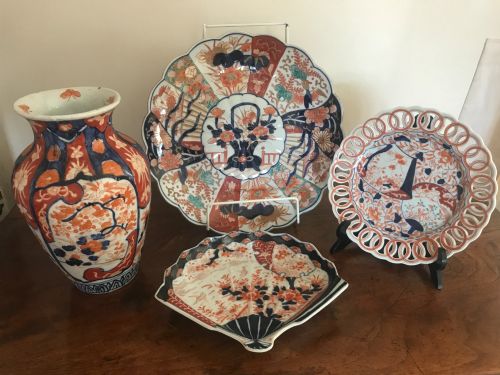
Dense surface decoration usually covers the entire face of the piece.
Turn a plate over to find blue scrolling foliage painted around the reverse rim.
Panels framing birds or mythical beasts sit against busy geometric background patterns.
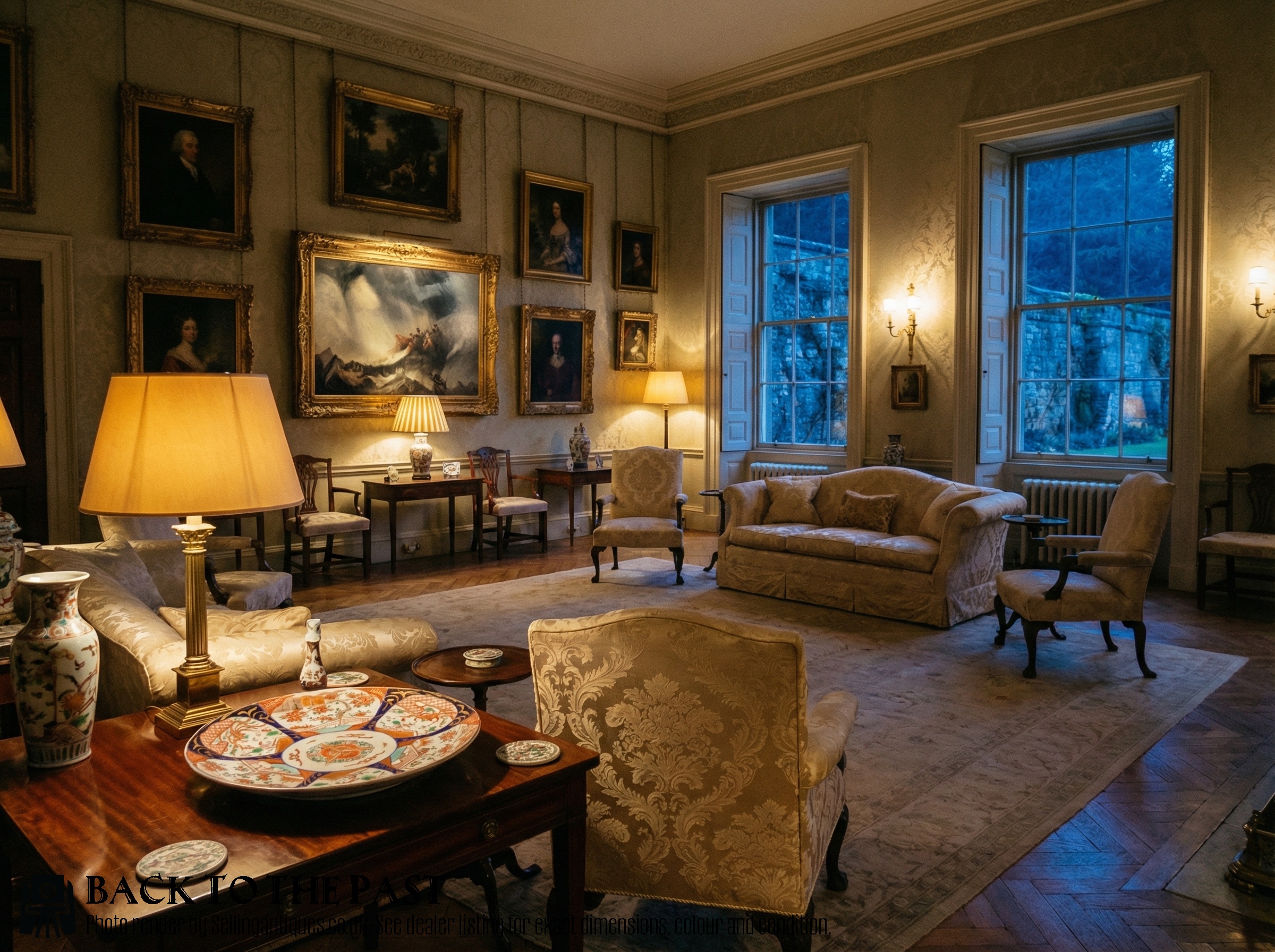
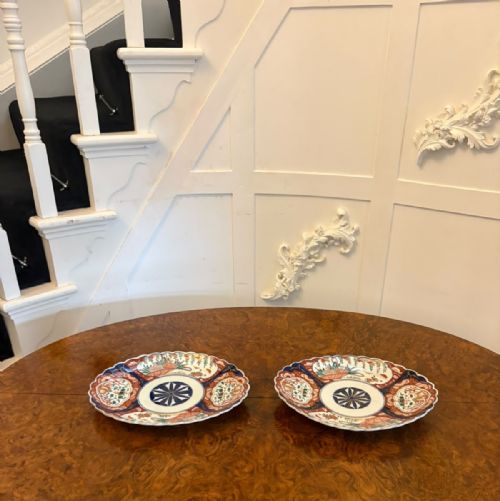
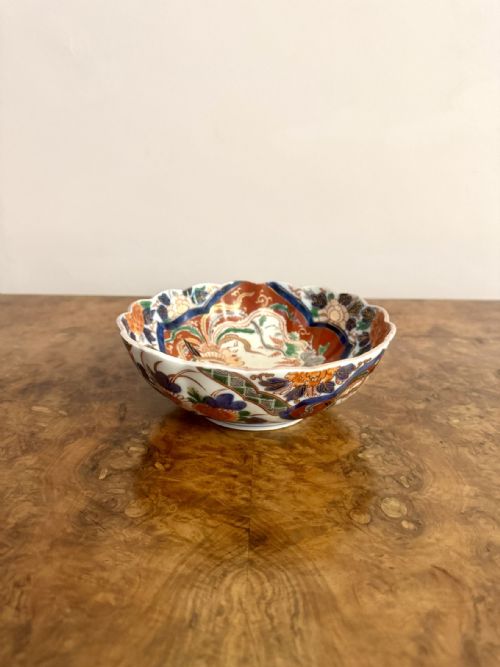
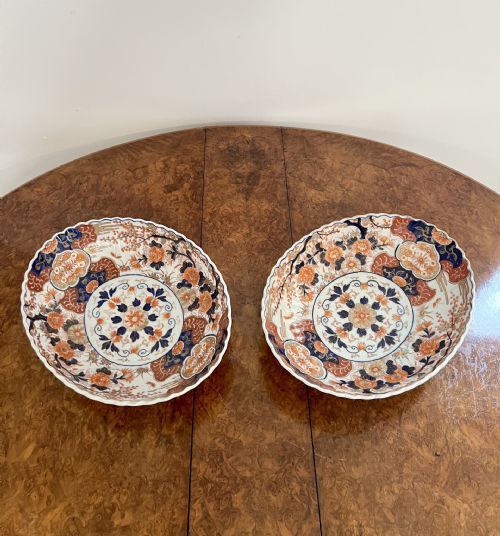
Imari Charger, Circa 1900, Victorian
Priced at £280 from Frank Craig Antiques
Thrown on wheels or pressed into wooden moulds. This is how potters achieved those complex lobed shapes.
High temperature wood-fired kilns vitrified the clay body and set the cobalt blue underglaze in a single firing.
Muffle kilns operating at lower temperatures baked the overglaze enamels onto the finished surface without burning them.
"Early European royal collections relied on these Japanese wares before local factories learned how to make hard-paste porcelain."
"Study nineteenth-century European ceramics. You'll see local factories copying the exact same Japanese floral arrangements."
"Heavy crates of this porcelain frequently served as ballast deep in the hull during long sea voyages."
Based on almost 25 years of Sellingantiques UK antique market data, Antique Imari appeared 2930 times (out of 1,100,000 antiques) which gives it a rarity score of 56/100.
This score measures scarcity within the Sellingantiques archive only and is not a survey of the entire antiques market, so these statistics may not be indicative of the general availability of Antique Imari elsewhere.
Warm water and a soft cloth work best for cleaning Antique Imari. Add a mild dish soap if the piece feels sticky.
Never scrub the surface or use harsh chemical sprays. The overglaze red enamels and gold sit on top of the glaze and will scratch or wash away under abrasive cleaning.
Most Antique Imari chargers measure between twelve and eighteen inches across. You sometimes find exhibition pieces exceeding two feet, though these remain less common.
Smaller examples tend to classify as large dinner plates rather than true chargers.
Serving dry foods like fruit or wrapped sweets is generally safe. Hot liquids and acidic foods present more of a risk to both the bowl and the user.
Antique Imari glazes and metallic paints were not made to modern food-safety standards. The heat from hot soup can also cause sudden thermal shock, cracking an older porcelain body.
It is safer to use glass liners if you want to present wet dishes inside older porcelain vessels.
A painted base mark doesn't rule out export. Many pieces of Antique Imari bound for Europe carried underglaze blue marks, including the popular Fukagawa orchid mark you're describing.
Japanese kilns often used painted sprigs or factory logos on export wares simply because Western buyers preferred the authentic look of characters and symbols.
Domestic market wares typically feature different, more subdued palettes and asymmetrical designs rather than specific base marks.
Please note: This Antique Imari guide and its associated pricing data are provided for general informational purposes only. It does not constitute formal financial, investment, or appraisal advice and should not be relied upon as the sole basis for any commercial activity, purchasing, or sales decisions. Sellingantiques.co.uk accepts no liability for any actions taken in reliance on this information. Always consult with a qualified professional or independent appraiser.
