




Antique China
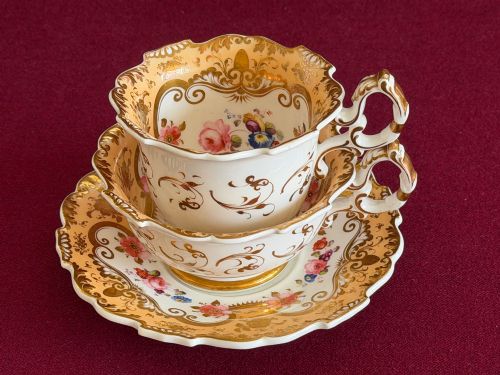
Porcelain, bone china and ironstone made for the table, from mid-18th-century tea wares to mid-20th-century services, with a steady run of porcelain figures alongside.

Antique China
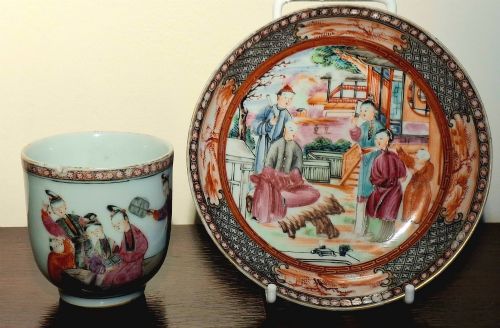
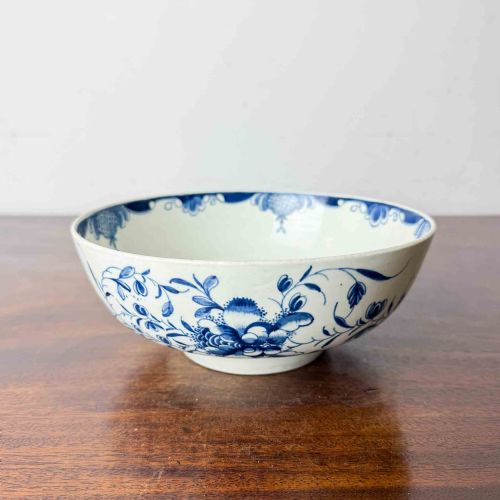
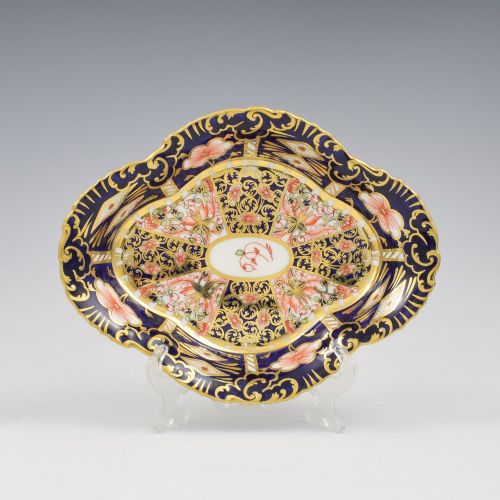
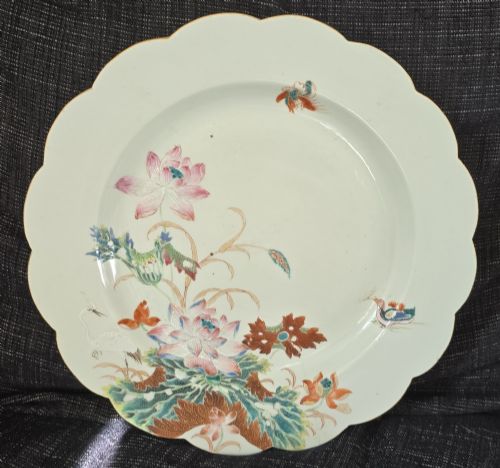
The heading covers British and Continental porcelain, bone china and ironstone, roughly 1700 to 1960, and it is tableware that dominates. Bowls, dishes, tureens, platters, saucers and trios fill the titles, with tea, coffee, dessert and dinner services marking the sets. "Porcelain" appears in about a third of listing titles.
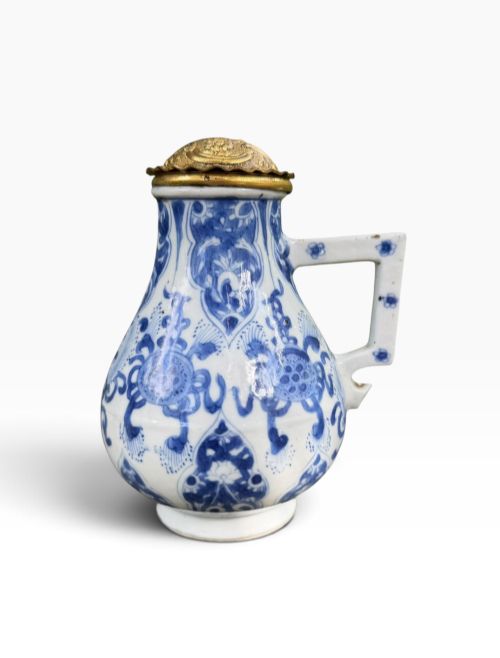
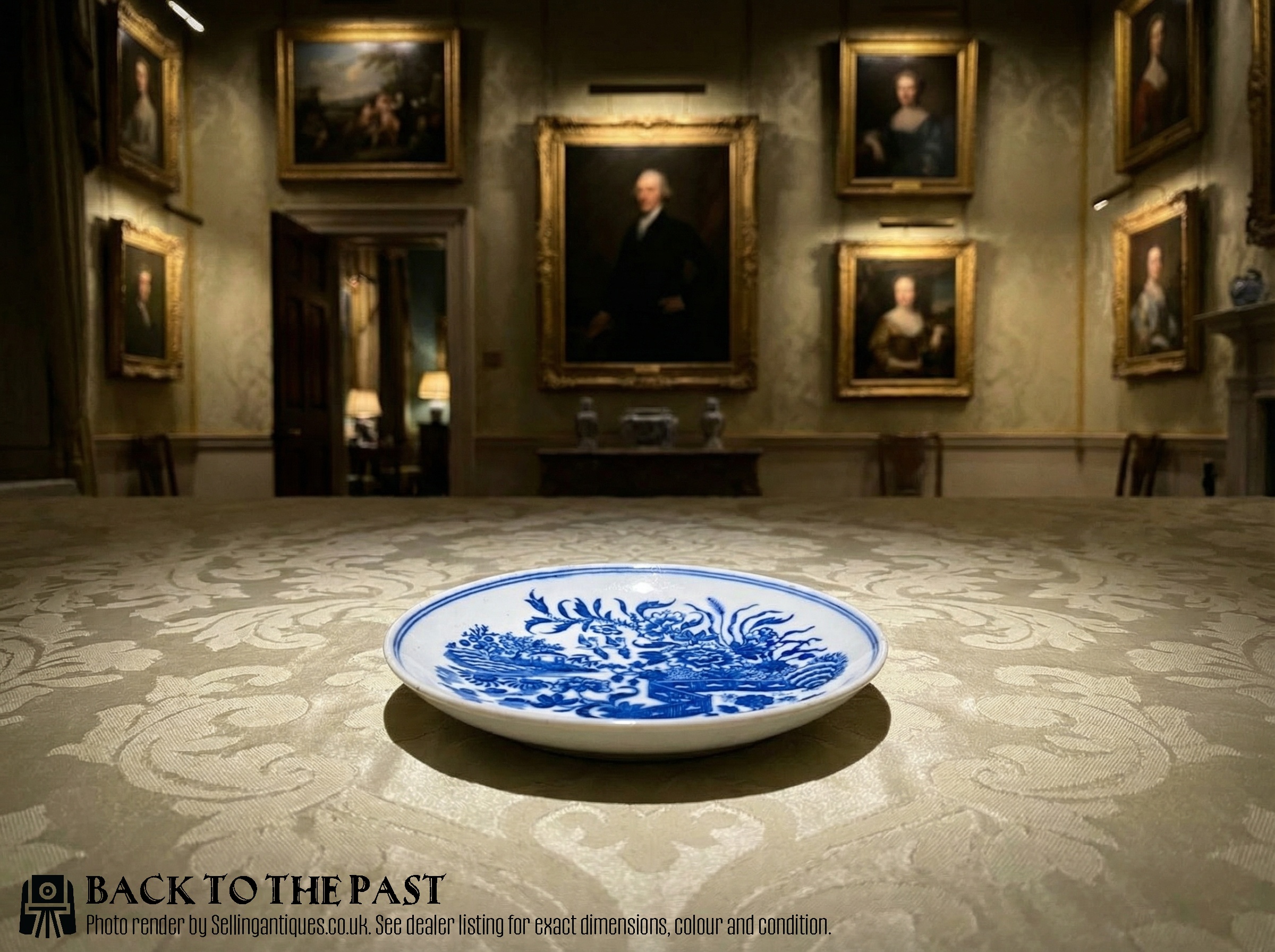
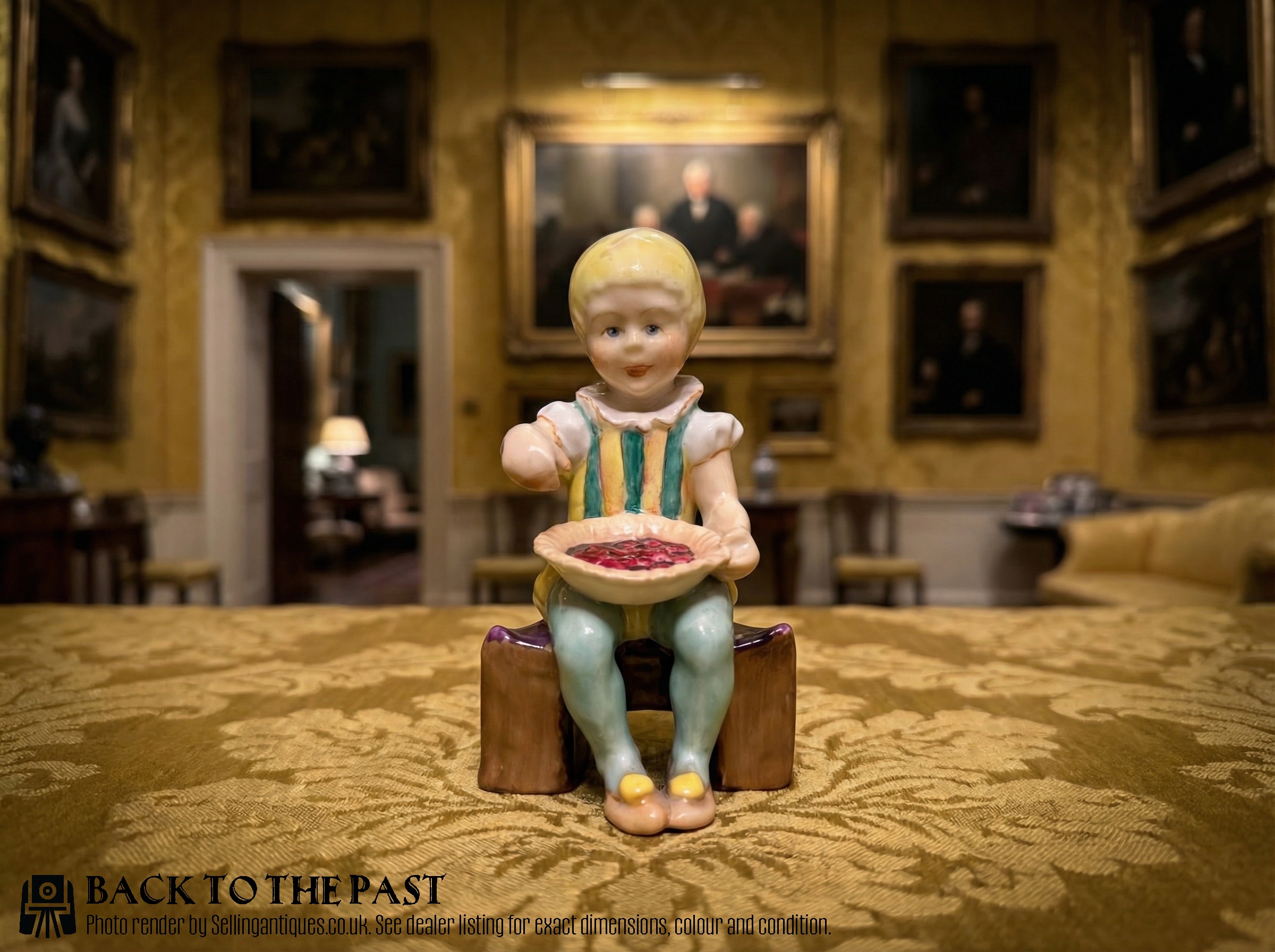
Blue-and-white runs right through, from Georgian transfer-printed platters to Chinese brush pots. Multiples are common too: "pair" turns up in roughly one title in ten, and complete or part services in a further slice. Alongside the table wares sits a population of porcelain figures and figurines, including Royal Doulton HN models, Derby and Bow figures, Staffordshire dogs and spaniels, and Continental groups.
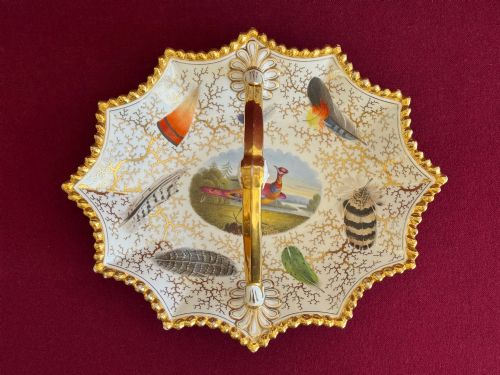
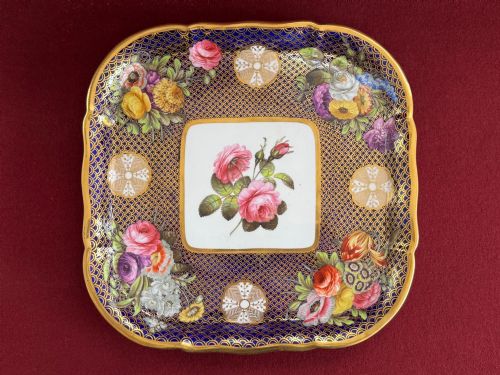
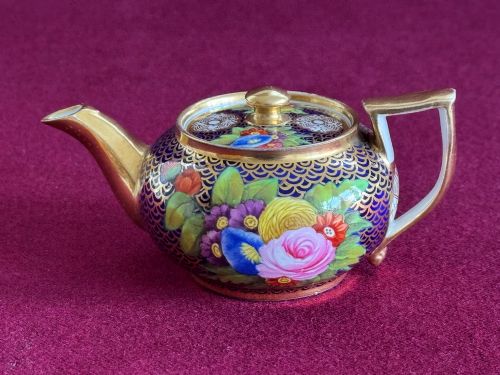
Three groups recur most. Ironstone and stone china tableware, much of it Mason's, is about an eighth of the category, covering platters, tureens, cheese dishes, drainers and comports, and it stretches to an ironstone foot bath and a miniature watering can. Worcester porcelain is a similar share, its titles naming First Period and Dr Wall, Flight, Barr Flight & Barr, Chamberlain's, Grainger, Hadley, Locke & Co and 20th-century painted fruit. Georgian and Regency English tea and dessert wares form another substantial slice, with New Hall, Spode, Ridgway, Davenport, Coalport, Machin, Yates and Swansea trios, cans and sucriers.
Dating is often broad. Of 467 listings, 189 carry a clean year; the largest single bucket is simply "19th Century", followed by "18th Century", so reign words like Georgian or Regency work as shorthand more than precise dates. Where titles give a circa, they cluster around c.1750 to c.1830 and again c.1900 to c.1950. A hundred and six dealers have listed in this category on Sellingantiques, roughly fifty-six pieces a year.
Top Of The Range
Names attached to the decoration lift a piece. Royal Worcester painted fruit signed by Richard Sebright, H Ayrton, Kitty Blake, Freeman, P Love or Charles Baldwyn sits high, as does Minton decorated by Thomas Steel and Doulton cabinet dishes by David Dewsberry. Daisy Makeig-Jones is named in thirteen titles, all Wedgwood lustre bowls, the most frequently named decorator in the category.
Period flags do the same work for factories that ran a long time. Titles that specify First Period, Dr Wall, Flight, Barr Flight & Barr, Flight Barr & Barr, Duesbury & Kean, the John Rose period or Marcolini run from mid-range to the very top. Model and shape numbers pull in the same direction: Doulton HN numbers, Worcester shape numbers, Wedgwood Z-numbers and Derby model numbers appear on the better-documented pieces.
Quantity counts. The highest-priced tableware in the samples is multi-piece: a hundred-piece hand-painted service, a sixty-piece Spode, a fifty-nine-piece Victorian, a Mason's Grasshopper dinner service. Single plates and saucers sit at the other end. Among the Chinese wares, Kangxi- and Qianlong-attributed brush pots, ewers and teapots and Ming saucer-dishes occupy the upper reaches, above the general run of 19th-century Canton and Imari.
Antique China Retail Price Guide 2026
Typical UK retail prices for china, calculated from the Sellingantiques database of over a million retail prices indexed since 2003. This retail price guide relies exclusively on Sellingantiques data; no external sources or auction records are used, so the figures do not describe the wider market.
About fifty-six pieces of antique china are listed on Sellingantiques each year, from a hundred and six dealers. It's one of the widest-spread categories.
The Antique China Glossary
- Bone china
- An English porcelain body containing bone ash, quoted in titles as "bone china" or "fine bone china".
- Ironstone
- A dense, hard-wearing body for dinner and dessert wares; titles also use "Real Ironstone China", "Improved Stone China" and "Semi China".
- Trio
- A cup, saucer and side plate sold as a unit. A true trio pairs one saucer with both a teacup and a coffee cup.
- Pattern number
- A factory's numeric reference for a decoration, quoted in titles as pattern 963, 1166, 2525 or 1680.
- Drainer
- A pierced flat insert that sat inside a meat platter, lifting the food clear of the juices.
- Sucrier
- A covered sugar box from a tea service, sometimes with a stand of its own.
Antique China: Frequently Asked Questions
What forms turn up most often?
Small to medium table and tea wares. Bowls lead the titles, then dishes, tureens, platters and saucers, with tea, coffee and dessert wares and full services close behind.
Figures and figurines are the main non-table group, running to roughly a tenth of the listings.
Which factory names appear most?
Mason's is the most persistent name in the samples, its ironstone covering nearly every table form from cider mug and porringer to soup tureen and meat platter.
Worcester is the other constant, spread across successive periods, with Royal Worcester in thirty-three titles.
Georgian and Regency porcelain brings in New Hall, Spode, Ridgway, Davenport, Coalport, Machin, Yates and Swansea.
Is Chinese porcelain part of this category?
Yes, though a modest share. Chinese export, famille rose, Canton and rose medallion, Nanking, Kangxi and Qianlong pieces all appear, along with Japanese Arita and Imari bowls and chargers.
The Asian wares supply most of the largest single vessels quoted by size, including punch bowls and rose medallion bowls measured at 15.5, 16 and 19 inches across.
How are these pieces dated in listings?
The dated field spans 1700 to 1960. Fewer than half the listings carry a clean year; the rest sit under century labels, decade labels or reign words.
"19th Century" is the single largest bucket, with "18th Century" next. Georgian, Regency and Victorian are used as period shorthand rather than tight dates.
Do unusual shapes come up?
They do, as one-offs rather than a steady supply. The samples include an ironstone foot bath and miniature watering can, a spoon warmer, a match striker, a pair of card racks, an inkstand, a pen tray, a soap dish and an umbrella stand.
Nursery and child's wares are a small recurring thread: a child's toy dinner service, a flow blue child's tea service, a nursery pug dog mug, a Mickey Mouse egg cup, a baby's plate with fairies.
Why does blue-and-white appear so often?
Underglaze blue, usually printed from an engraved transfer, was the workhorse decoration for English tableware, and it carries through the category.
"Blue" appears in fifty-three titles and "white" in forty-five, spanning Georgian transfer-printed platters at one end and Kangxi brush pots at the other.