5,590  PAGES BROWSED TODAY PAGES TODAY • 0 ANTIQUES UPLOADED TODAYNEW ARRIVALS
GIFTS
LATEST STOCK
Sort Order
Items Per Page
Browse Categories
Sort order
Relevant Links
Items per page
ID #SA1159587
SOLD
Email Phone
Save
A Museum-quality & Provocative Meissen Porcelain Monkey, "Kunstkammer" Piece, Circa 1750
Sold by Gillers Antiques Ltd
sold SA1159587
Sorry, but this item has been sold.
Gillers Antiques Ltd

Gillers Antiques Ltd

Sellingantiques Verified Since Mar 2023
Browse dealers 400 items
Id #SA1159587
PDF SHARE
SAVE

A Museum-quality & Provocative Meissen Porcelain Monkey, "Kunstkammer" Piece, Circa 1750

18th century
Sold 17 November 2025 · Gillers Antiques Ltd
This “Museum-quality & Provocative Meissen Porcelain Monkey, "Kunstkammer" Piece, Circa 1750” found a buyer.

It was listed by Gillers Antiques Ltd. Sold pieces stay on Sellingantiques as a record of what has passed through, and the next one is rarely far away.

Description

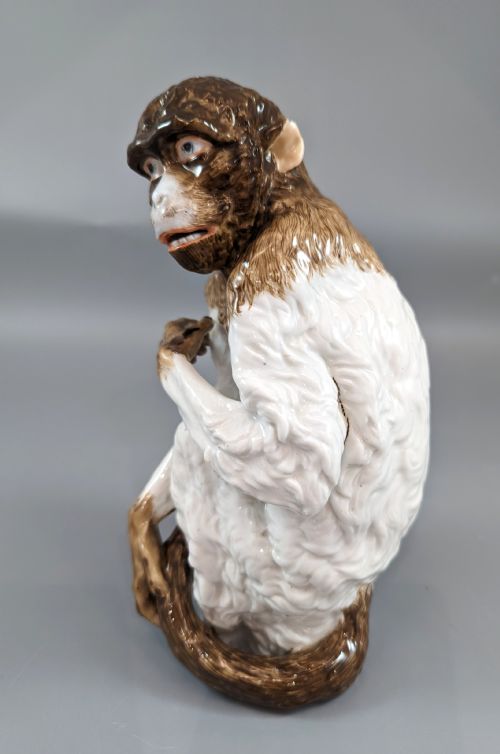
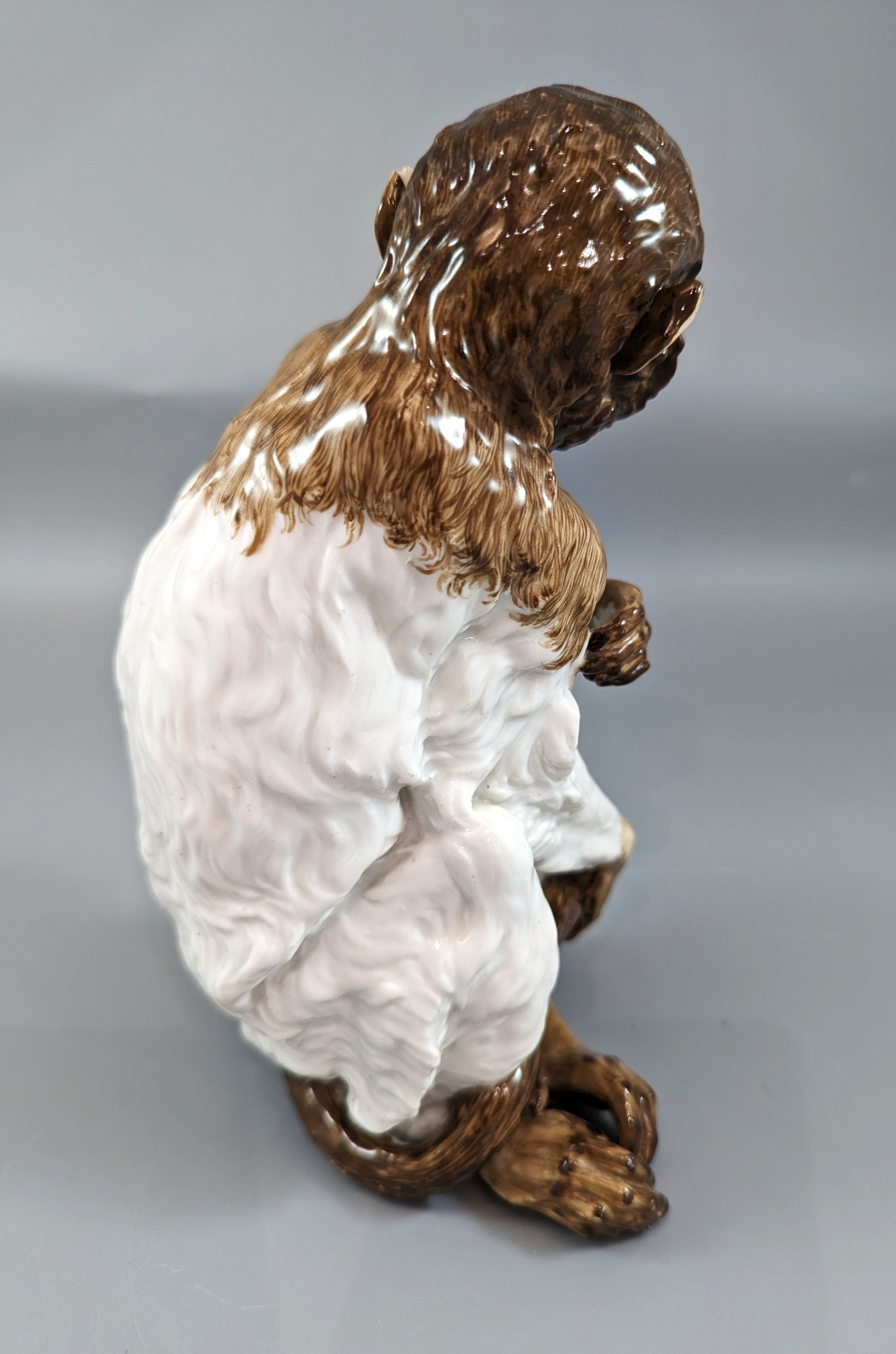
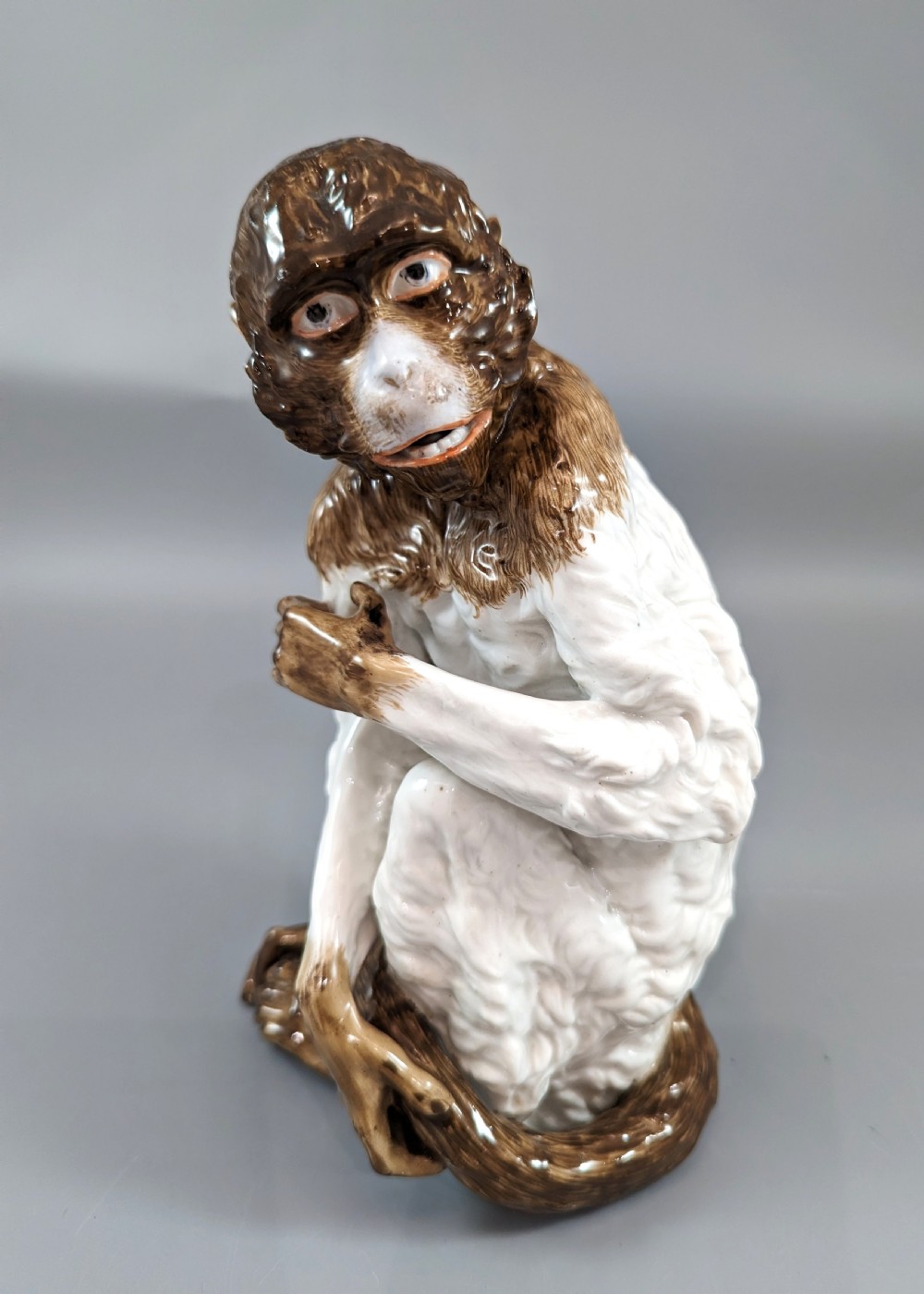
A profoundly important and masterfully executed hard-paste porcelain monkey, dating to the zenith of the Rococo period, circa 1750. This sculpture is a product of the prestigious Meissen manufactory, attributed to the circle of its most celebrated modeller, J.J. Kändler.

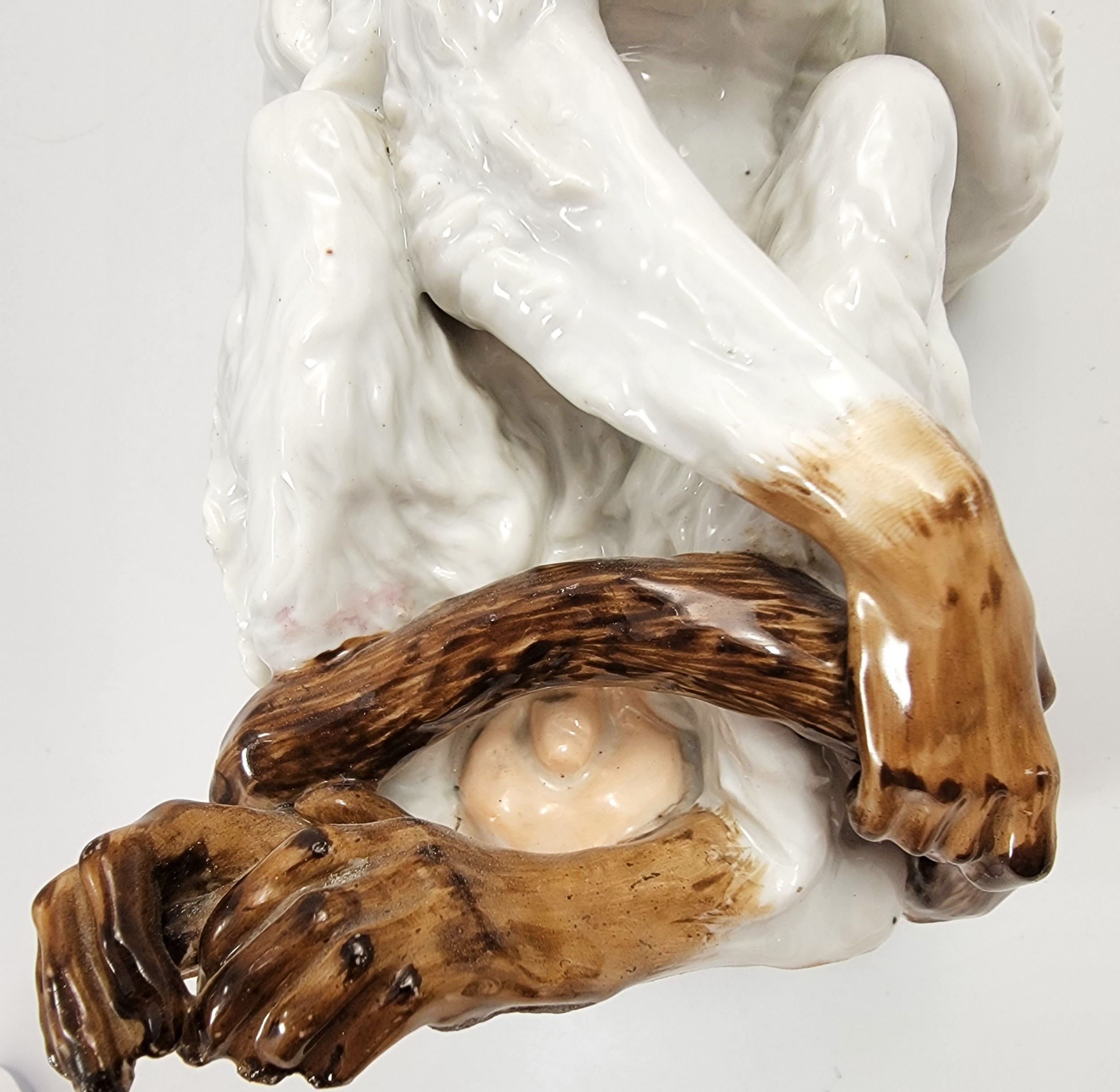
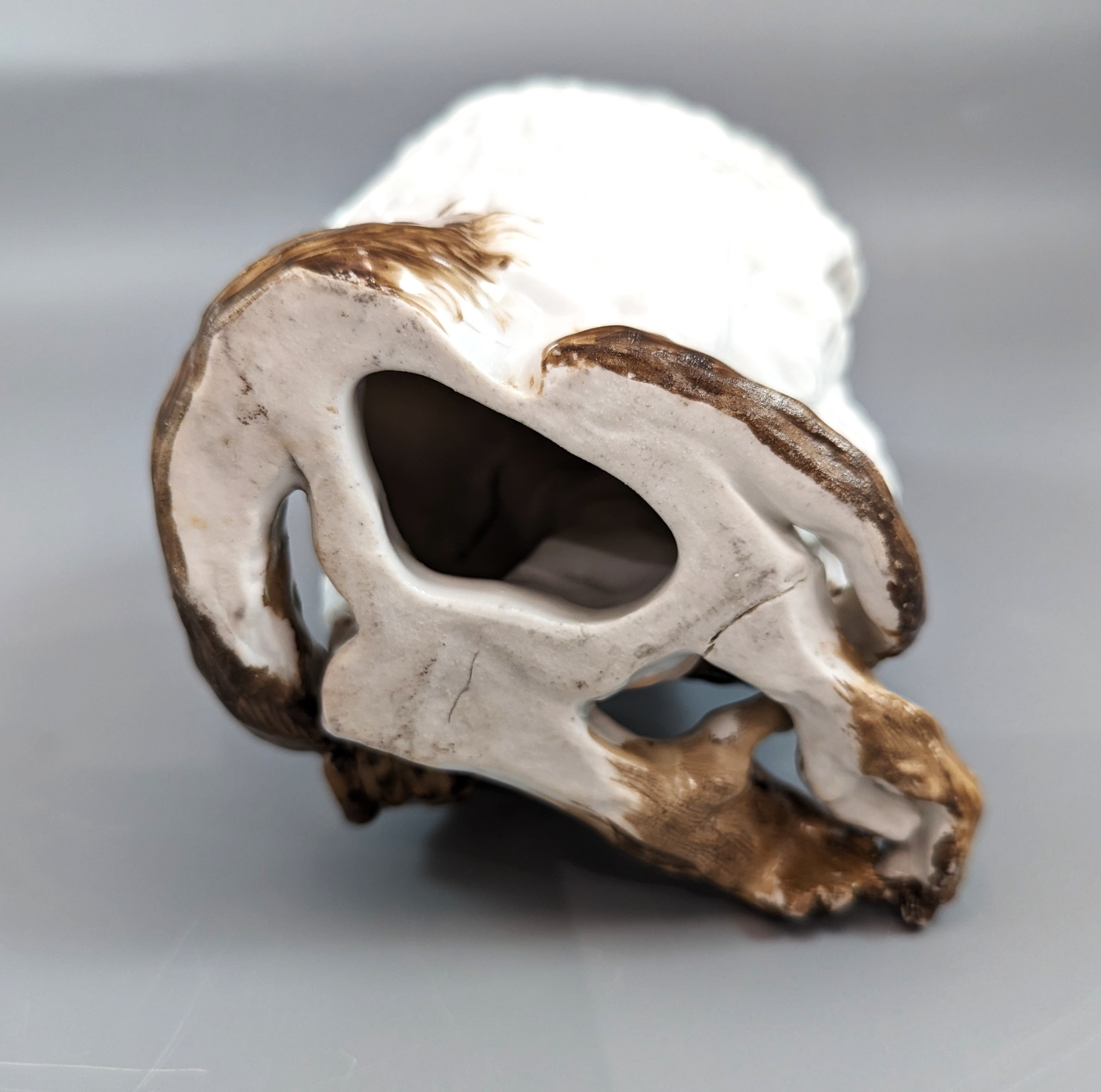
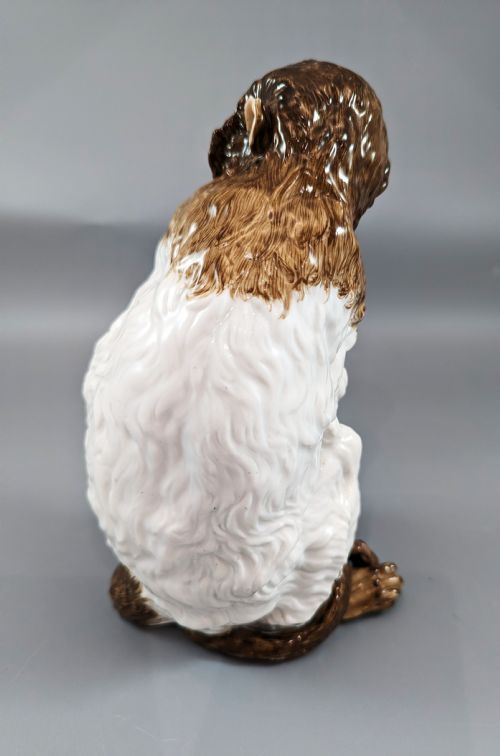
This piece is a testament to the alchemical nature of 18th-century porcelain production. Its authenticity is indelibly marked by period-correct firing cracks, visible on the base and body. These are not damages, but a fingerprint of obsolete technology—the result of imperfect heat distribution in early muffle kilns, a feature Meissen eliminated by the early 19th century. They are a guarantee of an 18th-century date.
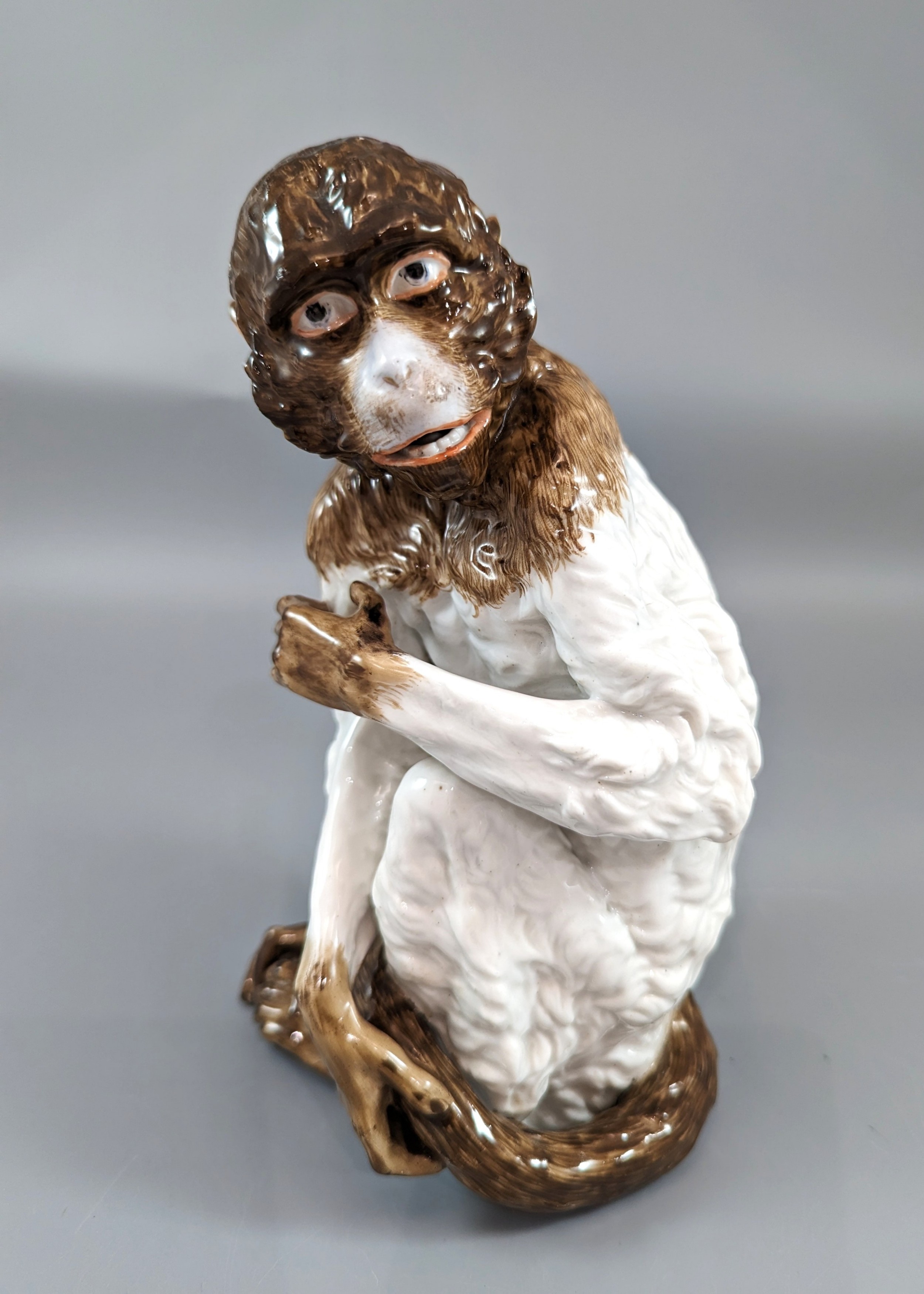
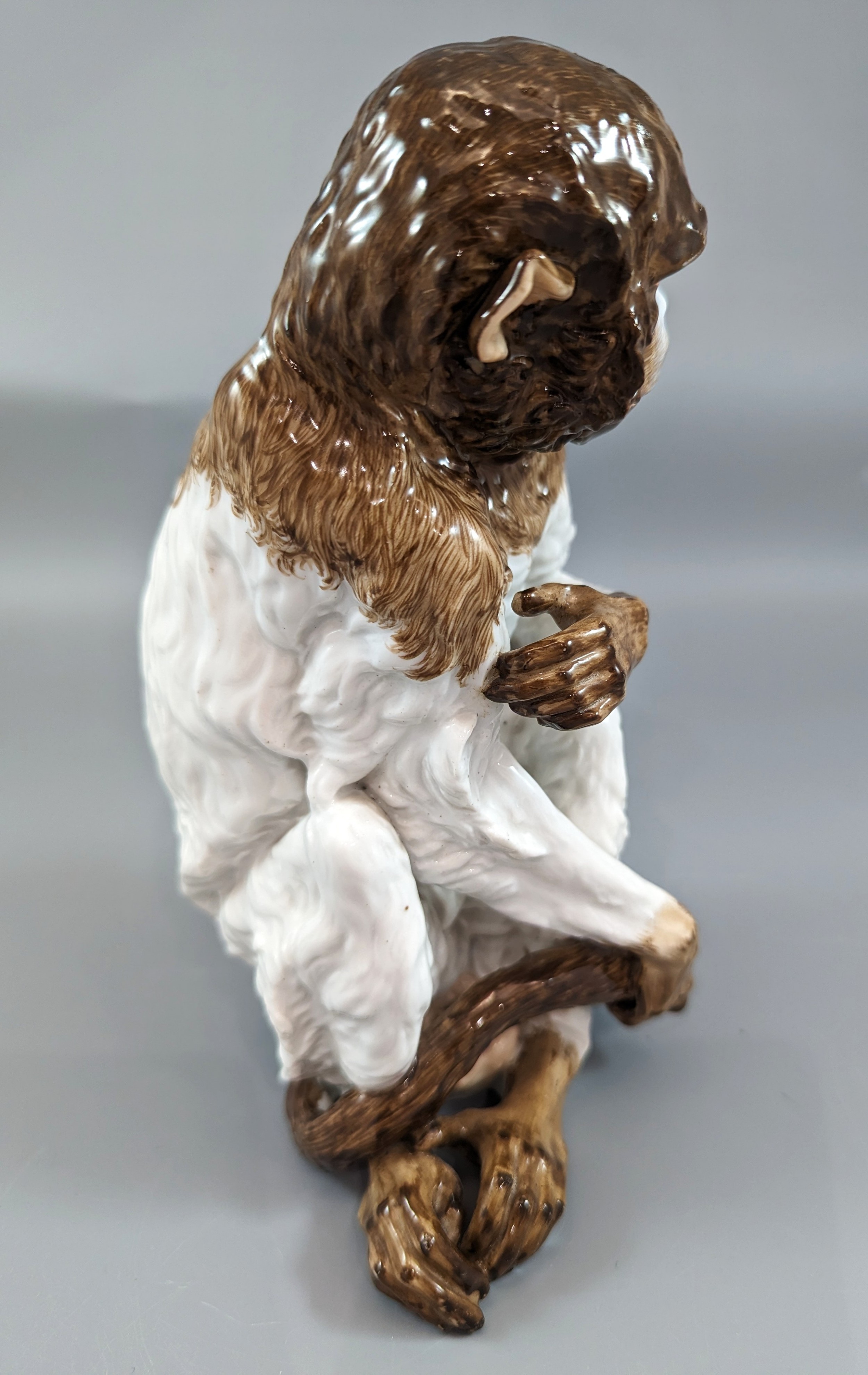
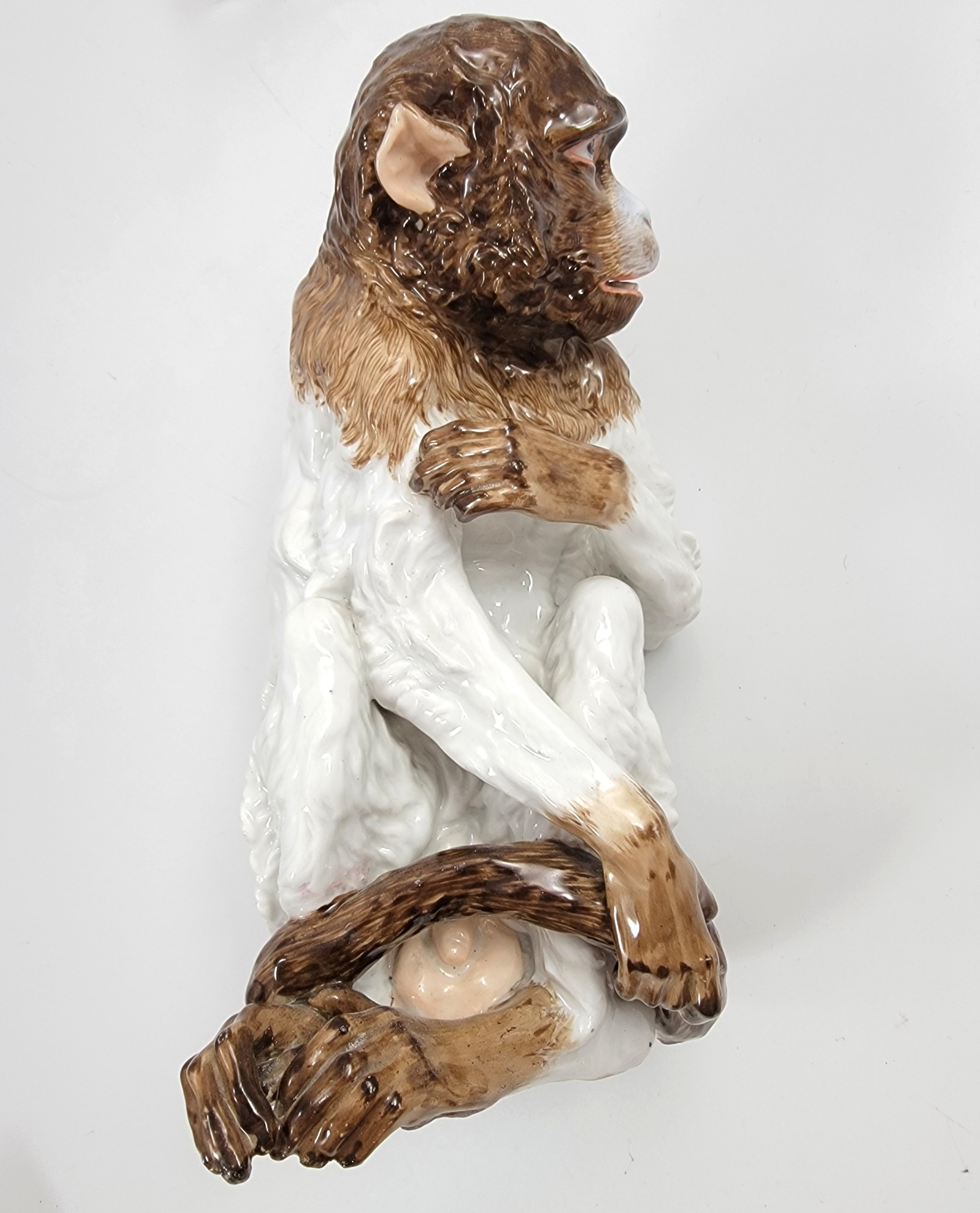
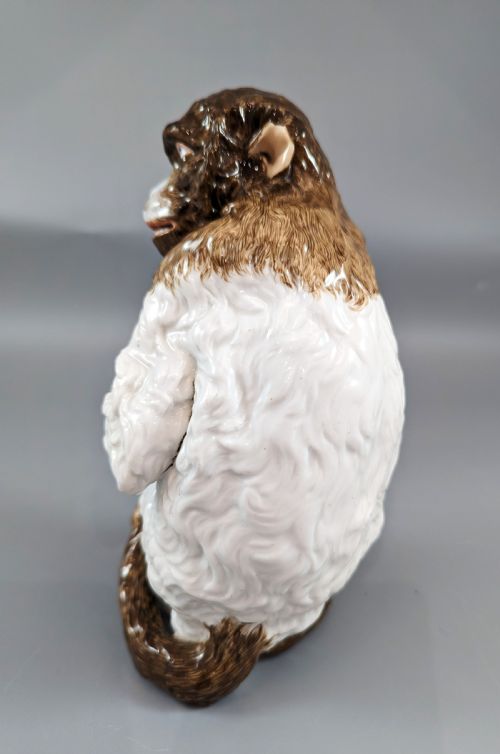
What makes this figure extraordinarily rare and intended for a private collection is its shockingly explicit and naturalistic depiction of the monkey's genitals. In an era when porcelain was "white gold," and social decorum was paramount, presenting such a piece in a public salon would have been unthinkable. This proves the figure was created as a provocative object for a "Kunstkammer" (Cabinet of Curiosities) or a gentleman's private study, designed to spark discussion about nature, science, and social taboos
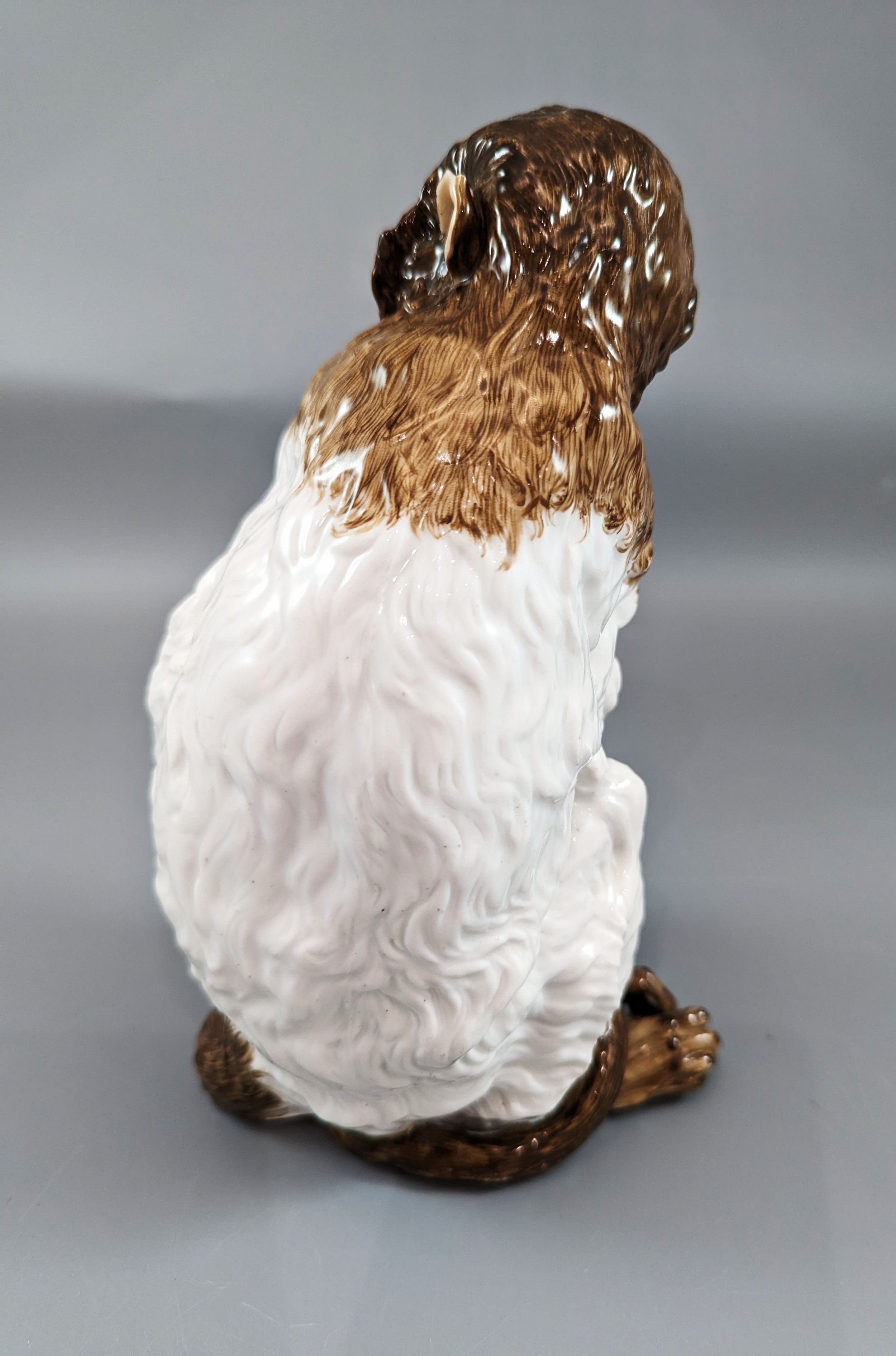
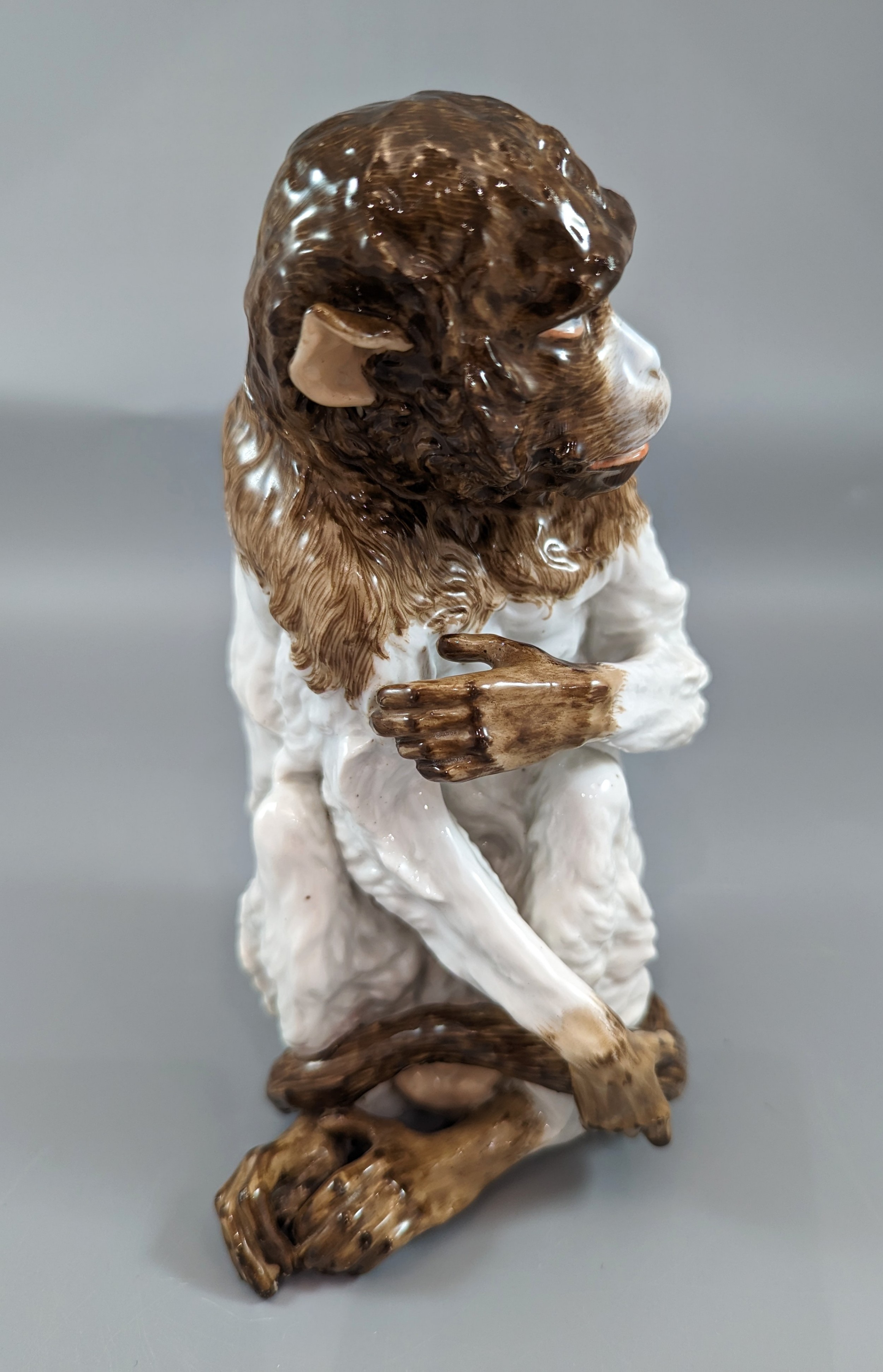
Furthering its mystique is the deliberately ground-down factory mark on its base. This act enriches its history, pointing to a fascinating past. The reasons for this in the 18th century were varied: often to sell the piece 'in the white' to an independent decorator (Hausmaler); sometimes for pieces gifted by the court outside of commercial sale; or even to avoid export tariffs. This mystery is part of its unique provenance.
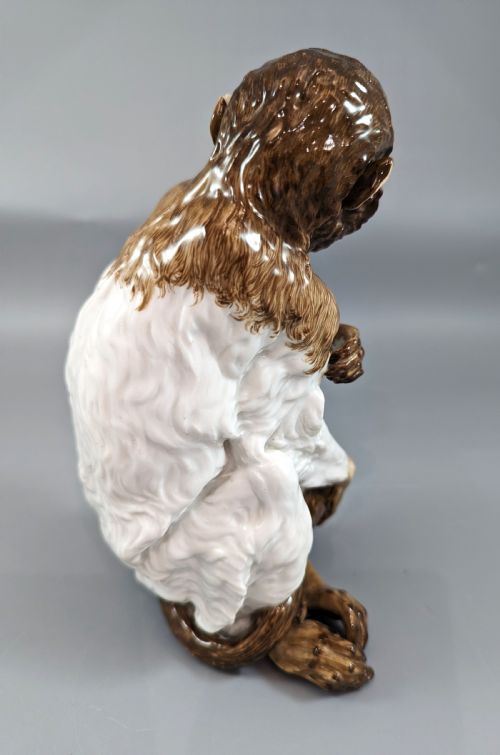
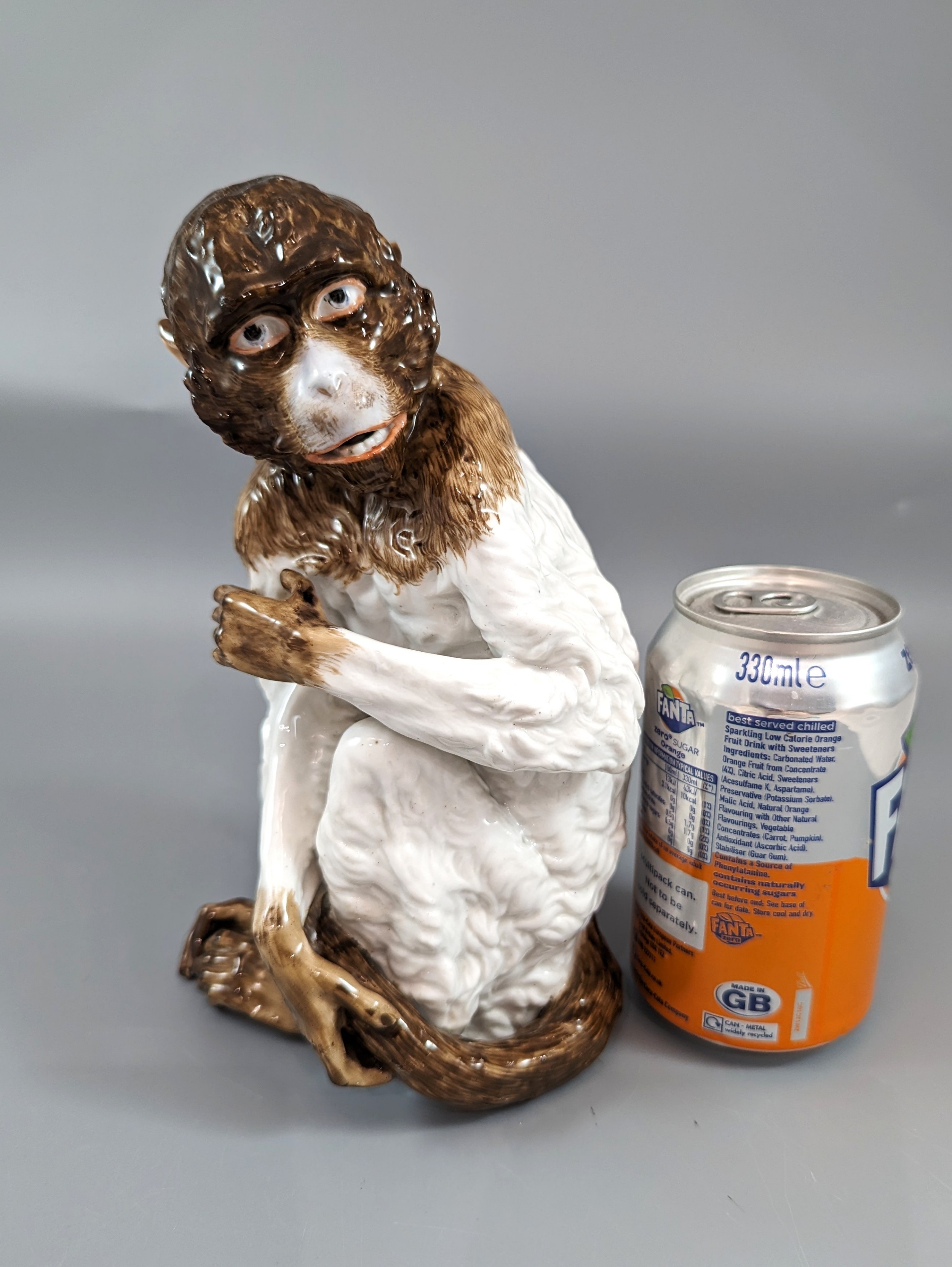
Dimensions: Height: 20.7 cm, Width: 12 cm, Depth: 11 cm

Weight: 895 grams

Condition Report:

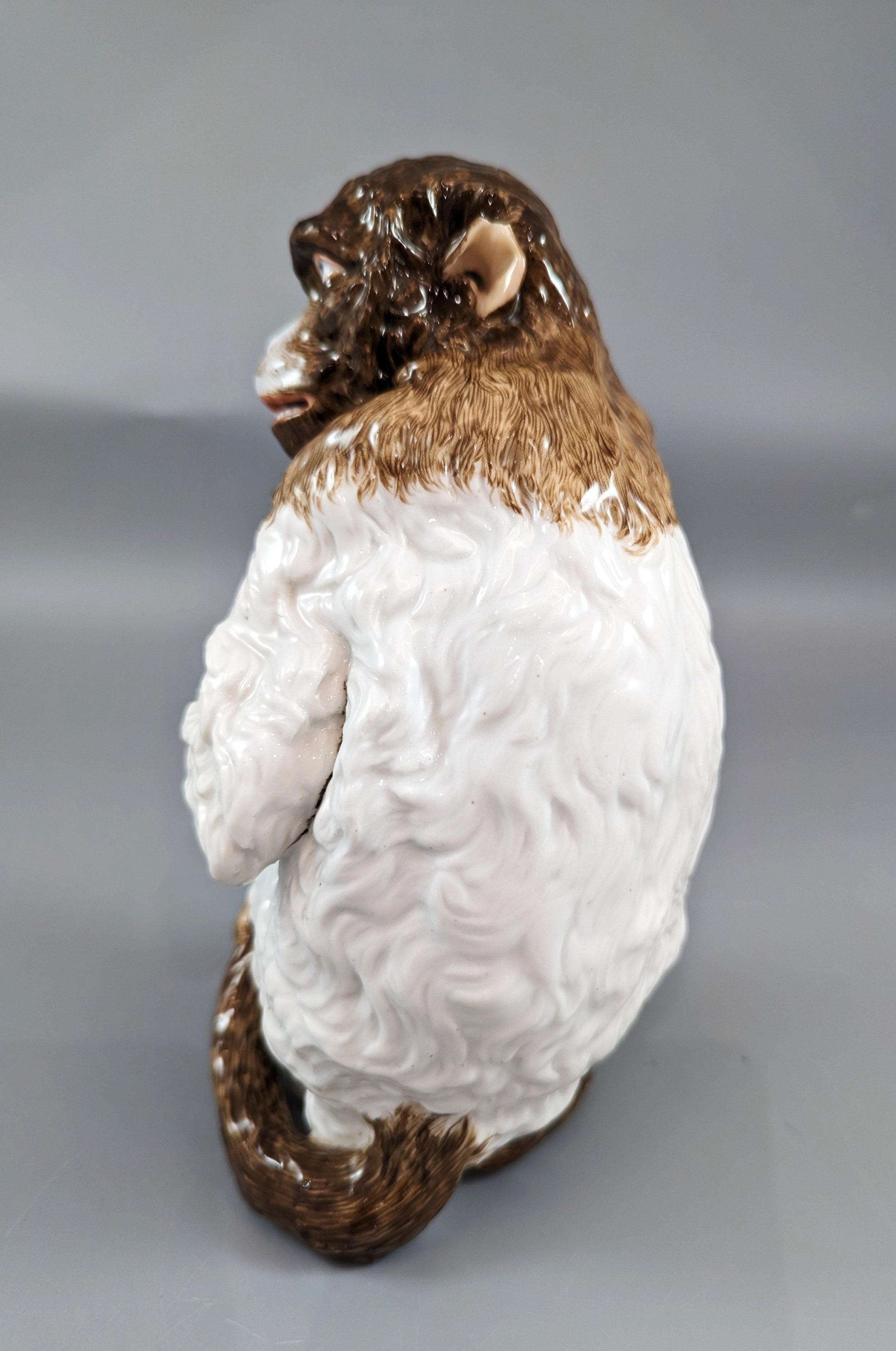
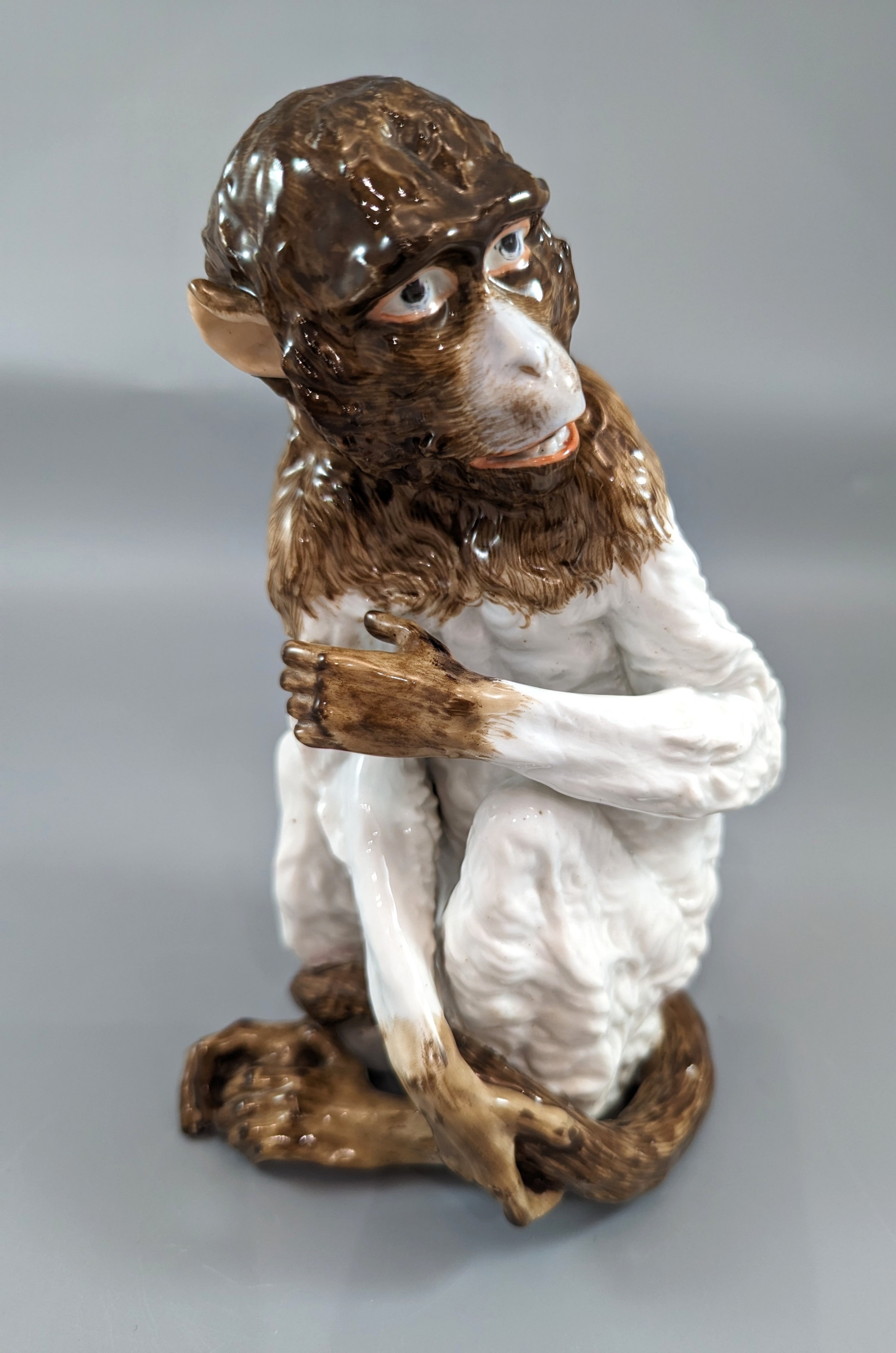
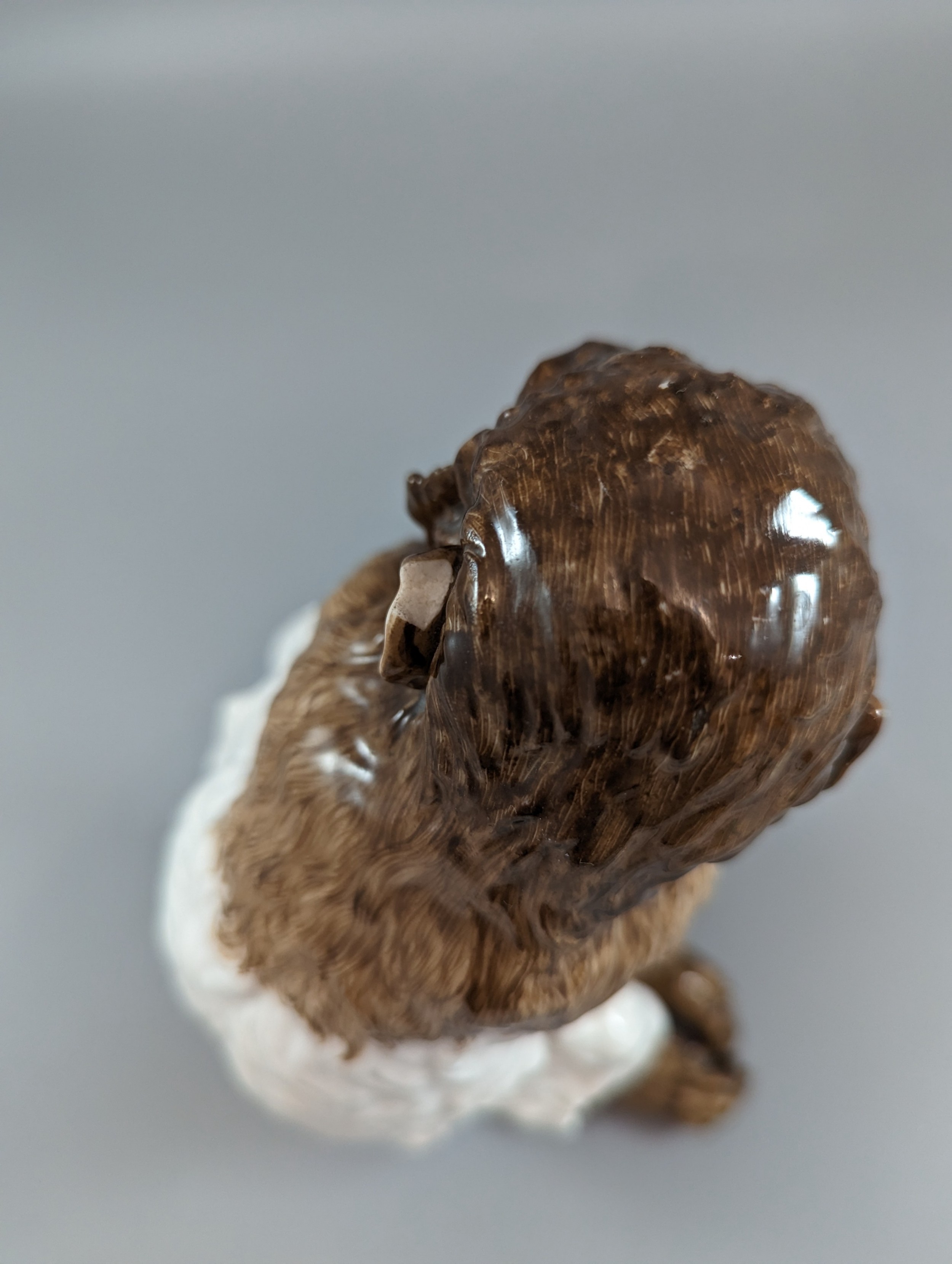
In honest, unrestored antique condition. There is a single, clean chip (loss of porcelain) to the tip of the left ear. The piece exhibits characteristic 18th-century firing cracks, which are not damages but proof of its age and authenticity.
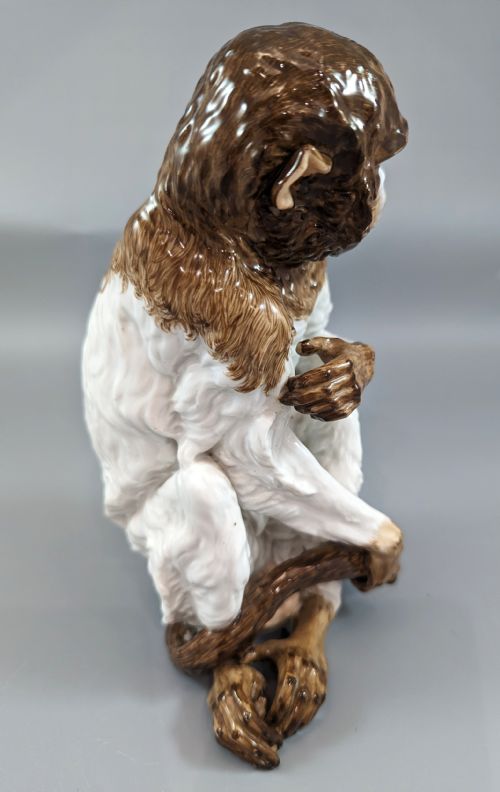
Please study the accompanying photographs carefully as they form an integral part of this description. If you have any questions, we will be happy to answer them. The item will be shipped with full tracking and insurance.

Declaration

Gillers Antiques Ltd has dated this Meissen Porcelain Monkey to the 18th Century.

Reference Numbers
Sellingantiques Reference
SA1159587
Description
A profoundly important and masterfully executed hard-paste porcelain monkey, dating to the zenith of the Rococo period, circa 1750.
“
This sculpture is a product of the prestigious Meissen manufactory, attributed to the circle of its most celebrated modeller, J.
Gillers Antiques Ltd

J. Kändler.

fig 1. An 18th-century Meissen porcelain figurine of a seated monkey with brown and white glazed fur, detailed facial features, and a curled tail.
fig 1. A Museum-quality & Provocative Meissen Porcelain Monkey, "Kunstkammer" Piece, Circa 1750

This piece is a testament to the alchemical nature of 18th-century porcelain production. Its authenticity is indelibly marked by period-correct firing cracks, visible on the base and body. These are not damages, but a fingerprint of obsolete technology—the result of imperfect heat distribution in early muffle kilns, a feature Meissen eliminated by the early 19th century. They are a guarantee of an 18th-century date.

fig 2. An 18th-century Meissen porcelain figurine of a seated monkey with brown and white glazed fur, detailed facial features, and a curled tail.
fig 2. A Museum-quality & Provocative Meissen Porcelain Monkey, "Kunstkammer" Piece, Circa 1750

What makes this figure extraordinarily rare and intended for a private collection is its shockingly explicit and naturalistic depiction of the monkey's genitals. In an era when porcelain was "white gold," and social decorum was paramount, presenting such a piece in a public salon would have been unthinkable. This proves the figure was created as a provocative object for a "Kunstkammer" (Cabinet of Curiosities) or a gentleman's private study, designed to spark discussion about nature, science, and social taboos

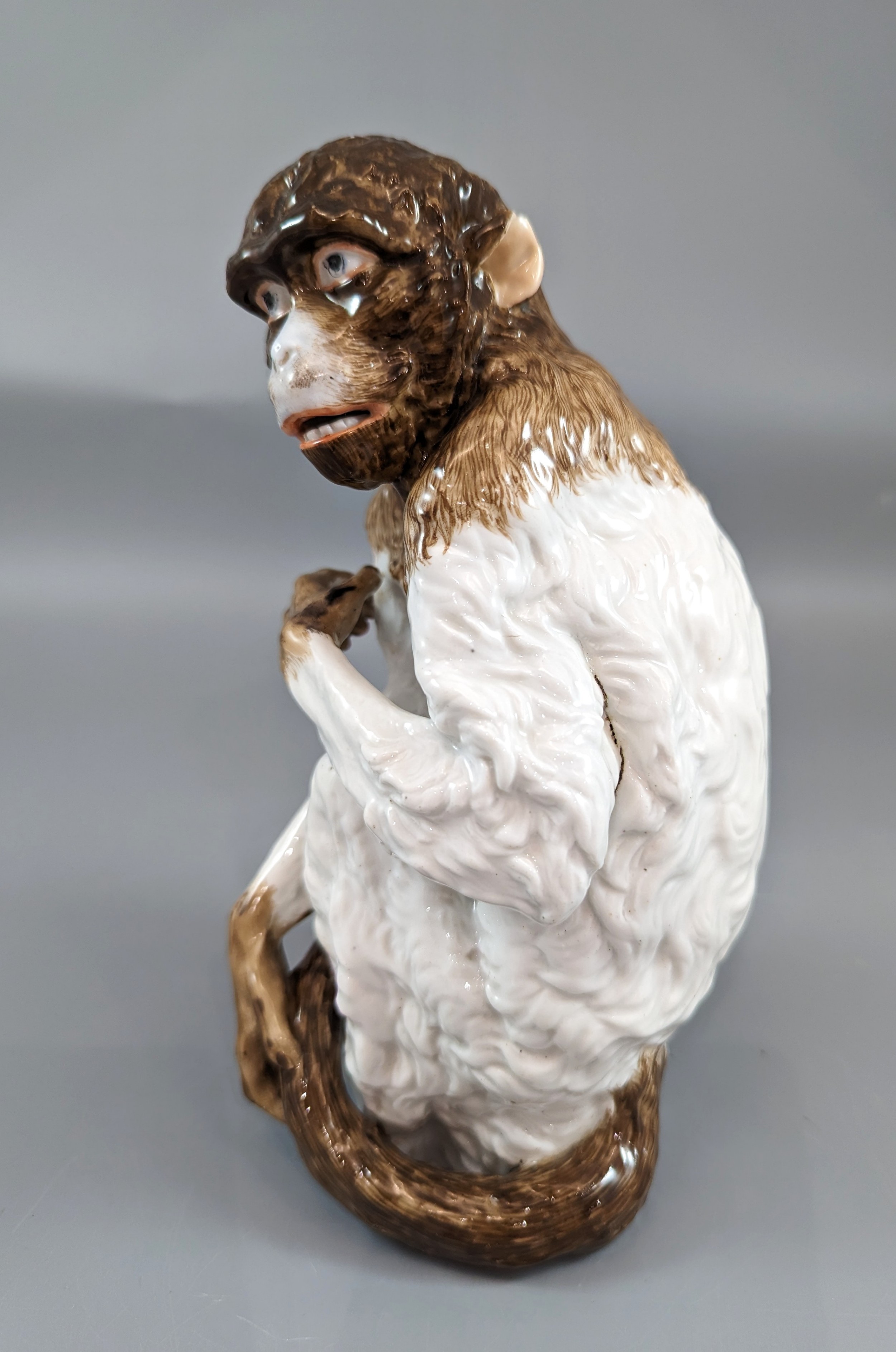
fig 3. An 18th-century Meissen porcelain figurine of a seated monkey with brown and white glazed fur, detailed facial features, and a curled tail.
fig 3. A Museum-quality & Provocative Meissen Porcelain Monkey, "Kunstkammer" Piece, Circa 1750

Furthering its mystique is the deliberately ground-down factory mark on its base. This act enriches its history, pointing to a fascinating past. The reasons for this in the 18th century were varied: often to sell the piece 'in the white' to an independent decorator (Hausmaler); sometimes for pieces gifted by the court outside of commercial sale; or even to avoid export tariffs. This mystery is part of its unique provenance.

fig 4. An 18th-century Meissen porcelain figurine of a seated monkey with brown and white glazed fur, detailed facial features, and a curled tail.
fig 4. A Museum-quality & Provocative Meissen Porcelain Monkey, "Kunstkammer" Piece, Circa 1750

Dimensions: Height: 20.7 cm, Width: 12 cm, Depth: 11 cm

Weight: 895 grams

Condition Report:

In honest, unrestored antique condition. There is a single, clean chip (loss of porcelain) to the tip of the left ear. The piece exhibits characteristic 18th-century firing cracks, which are not damages but proof of its age and authenticity.

fig 5. An 18th-century Meissen porcelain figurine of a seated monkey with brown and white glazed fur, detailed facial features, and a curled tail.
fig 5. A Museum-quality & Provocative Meissen Porcelain Monkey, "Kunstkammer" Piece, Circa 1750

Please study the accompanying photographs carefully as they form an integral part of this description. If you have any questions, we will be happy to answer them. The item will be shipped with full tracking and insurance.

Date of Manufacture

Gillers Antiques Ltd has dated this Meissen Porcelain Monkey to the 18th Century.

Reference Numbers
Sellingantiques Ref
SA1159587
Gillers Antiques Ltd
Sellingantiques verified Since Mar 2023
Dealer Profile

You can view the stock and full dealer information on the Gillers Antiques Ltd Profile Page
PDF SHARE
SAVE
An 18th-century Meissen porcelain figurine of a seated monkey with brown and white glazed fur, detailed facial features, and a curled tail. SOLD6+ MONTHS AGO
1 / 13
Archive I An 18th-century Meissen porcelain figurine of a seated monkey with brown and white glazed fur, detailed facial features, and a curled tail. SOLD6+ MONTHS AGO

A Museum-quality & Provocative Meissen Porcelain Monkey, "Kunstkammer" Piece, Circa 1750
Archive II An 18th-century Meissen porcelain figurine of a seated monkey with brown and white glazed fur, detailed facial features, and a curled tail. View II
Archive III An 18th-century Meissen porcelain figurine of a seated monkey with brown and white glazed fur, detailed facial features, and a curled tail. View III
Archive IV An 18th-century Meissen porcelain figurine of a seated monkey with brown and white glazed fur, detailed facial features, and a curled tail. View IV
Archive V An 18th-century Meissen porcelain figurine of a seated monkey with brown and white glazed fur, detailed facial features, and a curled tail. View V
Archive VI An 18th-century Meissen porcelain figurine of a seated monkey with brown and white glazed fur, detailed facial features, and a curled tail. View VI
Archive VII An 18th-century Meissen porcelain figurine of a seated monkey with brown and white glazed fur, detailed facial features, and a curled tail. View VII
Archive VIII An 18th-century Meissen porcelain figurine of a seated monkey with brown and white glazed fur, detailed facial features, and a curled tail. View VIII
Archive IX An 18th-century Meissen porcelain figurine of a seated monkey with brown and white glazed fur, detailed facial features, and a curled tail. View IX
Archive X An 18th-century Meissen porcelain figurine of a seated monkey with brown and white glazed fur, detailed facial features, and a curled tail. View X
Archive XI An 18th-century Meissen porcelain figurine of a seated monkey with brown and white glazed fur, detailed facial features, and a curled tail. View XI
Archive XII An 18th-century Meissen porcelain figurine of a seated monkey with brown and white glazed fur, detailed facial features, and a curled tail. View XII
Archive XIII An 18th-century Meissen porcelain figurine of a seated monkey with brown and white glazed fur, detailed facial features, and a curled tail. View XIII
Enlarged Archival View
Telephone 07738 009924
Location
Buckland House
Buntingford
Hertfordshire
SG9 0PY
United Kingdom
Verified Since Mar 2023
Items For Sale 400
Items Sold 576
Gillers Antiques Ltd
Verified Since Mar 2023
View Dealer Info
Location: Buckland House, Buntingford, Hertfordshire, SG9 0PY, United Kingdom
Verified
Mar 2023
For Sale
400
Sold
576
An 18th-century Meissen porcelain figurine of a seated monkey with brown and white glazed fur, detailed facial features, and a curled tail.
A Museum-Quality & Provocative Meissen Porcelain Monkey, "Kunstkammer" Piece, circa 1750
Ref: SA1159587
An 18th-century Meissen porcelain figurine of a seated monkey with brown and white glazed fur, detailed facial features, and a curled tail.
Detail View 1
Detail View 2
Detail View 3
Detail View 4
Detail View 5
Detail View 6
Detail View 7
Detail View 8
Detail View 9
Detail View 10
Detail View 11
Detail View 12
Archival Detail
Every single antique dealer on our platform is individually approved by our internal team. We verify their professional trade history, ethical standards, and photographic quality to ensure a secure, high-standard buying environment. Upon joining, every dealer agrees to a strict 9-point code of conduct. While issues can occasionally arise, our dealers typically resolve them swiftly and directly with the buyer. In fact, since our founding in 2002, Sellingantiques has only had to step in to help resolve an issue on roughly five occasions—a true testament to the quality of our dealers and their dedication to your happiness.
Our dealers are highly experienced in packing and shipping fragile, high-value antiques. Because you are in direct contact with the dealer, you will be able to easily go through all available shipping and insurance options together to ensure your item arrives safely.
Antiques are the ultimate green purchase. By choosing historical pieces over newly manufactured goods, you completely eliminate the carbon footprint of modern mass production while preserving exceptional, timeless craftsmanship.
Written by Sellingantiques from the dealer’s photographs and listing
  • ObjectFigurines & Sculptures
  • Period18th century
  • StyleRococo
  • MaterialHard-paste Porcelain, Enamel
  • ColourBrown and White
  • MotifsHand-modelled fur texture, Curled tail, Naturalistic posture, Hand-painted polychrome enamel

Meissen was the first European hard-paste porcelain manufacturer, established in the early 18th century in Saxony. Its figures from this era, particularly animal and grotesque models, set the standard for European ceramic sculpture and were highly prized in royal courts.

These pieces are crafted from hard-paste porcelain, composed of kaolin, quartz, and felspar, fired at exceptionally high temperatures. They are hand-modelled and painted with intricate overglaze enamels to achieve lifelike details and rich colouration.

Authentic pieces often feature the underglaze blue crossed swords mark, introduced in the 1720s, though marks varied across periods. Additional indicators include precise hand-modelling, period-appropriate enamel pigments, and fine firing imperfections consistent with 18th-century kiln technology.

Such historic pieces serve as focal points in curated display cabinets, on sideboards, or integrated into eclectic mantelpiece displays, contrasting well with minimalist modern backdrops to highlight their craftsmanship and age.

Antique porcelain should be kept away from direct sunlight to prevent enamel fading and displayed on stable, vibration-free surfaces. Cleaning should be limited to gentle dusting with a soft, dry brush; water and chemical cleaners should generally be avoided.
items
Add keywords to the filter
Price
£100
£250000
Era
Period
Style
Material
Origin
Stock Location
Recently Added
Online Payments
Categories