



Vintage Meissen Figure
These vintage meissen figure examples bring three centuries of European ceramic art to a desk or cabinet.
Vintage Meissen Figure
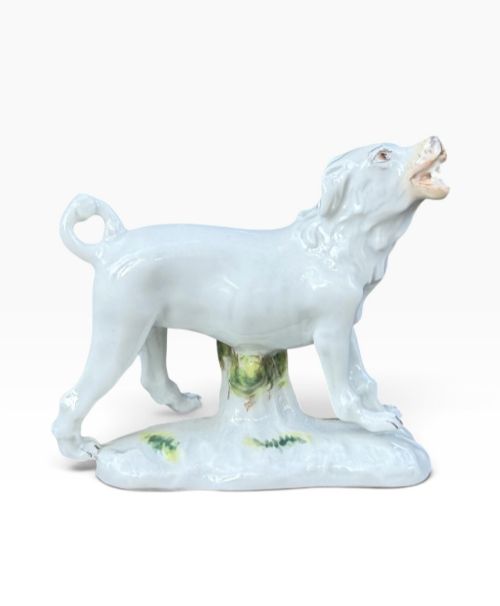
When you search for a vintage meissen figure, you are looking at hard-paste porcelain sculpture from Saxony, spanning the eighteenth century through to the twentieth. The selection here ranges from allegorical groups and street traders to naturalistic animals like cockatoos and leopards.
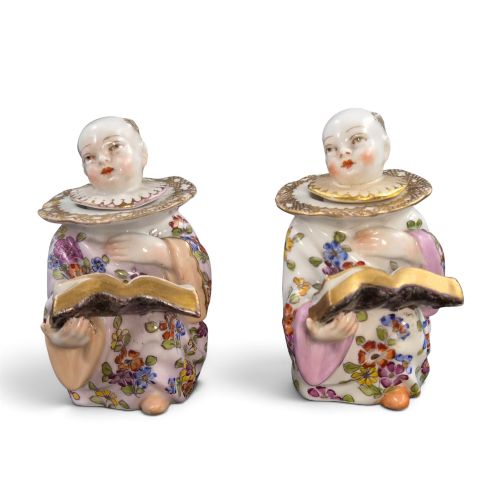
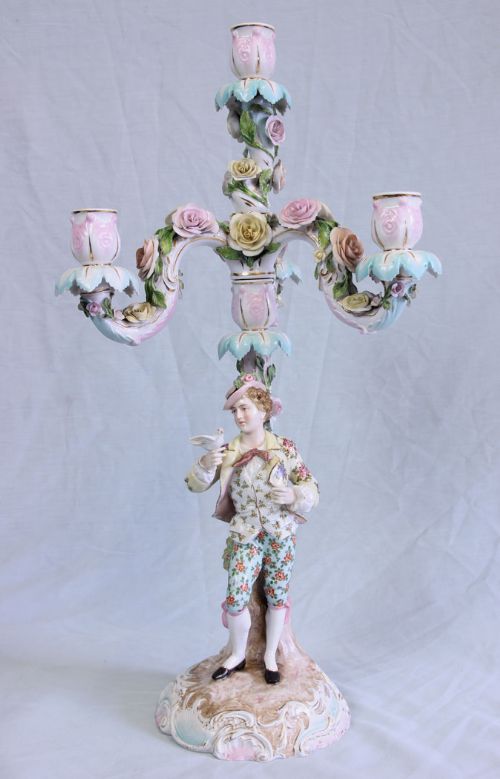
The most common pieces you will meet on this page date from the nineteenth and twentieth centuries, often adopting rococo revival or naturalist styles. Alongside traditional figurines, the listings include specialised forms such as figural inkwells and candelabras.
How they were made
These pieces utilise hard-paste porcelain formed in multi-piece moulds, then fired at high temperatures to achieve a dense and durable body. Artisans applied hand-painted enamel colours and detailed glaze over the surface before secondary firing.
Many examples incorporate gold leaf or gilt highlights, particularly on rococo bases and garment borders. Model numbers and pressmarks were frequently impressed or painted into the base during production.
Object types on this page include candelabras, inkwells, and figural groups depicting animals, street vendors, and dancers.
What varies in quality
The sophistication of the palette and the subtlety of the glaze application distinguish standard production pieces from finer sculptural groups. Balance and stability in complex multi-figure compositions also dictate the standard of execution.
Edmé Samson
The Vintage Meissen Figure Glossary
- Hard-Paste Porcelain
- A dense, vitrified ceramic compound composed of kaolin and petuntse, fired at high temperatures. It forms the robust structural body of authentic Meissen figures.
- Enamel
- Vitreous coloured pigments applied over the fired glaze and fixed with a lower temperature kiln firing. This technique provides the vibrant polychrome decoration seen on clothing and natural motifs.
- Gilt
- A thin layer of gold applied to the porcelain surface to accent details such as scrollwork, bases, and clothing trims. It adds reflective contrast to the painted enamel.
- Rococo Revival
- A nineteenth-century stylistic movement that emulates the ornate asymmetry and C-scroll motifs of the eighteenth century. Figures from this period often stand upon elaborate, shell-moulded bases.
- Marcolini Period
- The era of Meissen production spanning from 1774 to 1814 under the direction of Count Camillo Marcolini. Pieces from this time typically feature specific star or period marks beneath the glaze.
Vintage Meissen Figure: Frequently Asked Questions
How do I spot a fake Meissen mark?
Authentic pieces rely on underglaze blue crossed swords, though the style of the swords and pommels shifted across centuries. Imitators often paint the mark over the glaze rather than beneath it.
Studying the weight, paste density, and painting quality provides a more reliable test than looking at the mark alone.
Are eighteenth-century figures different from twentieth-century ones?
Eighteenth-century examples tend to display sharper hand-modelling and subtler enamel palettes reflecting neoclassical or rococo tastes. Twentieth-century pieces often embrace bolder naturalism, such as predatory animals and modernist birds.
Base construction and paste texture also evolve significantly between these distinct eras.
How should I clean porcelain figures?
Dusting with a soft, dry artist's brush prevents particle buildup in delicate crevices like lace and foliage. Moisture should be avoided, especially on gilt or enamelled surfaces that lack protective glaze coats.
Harsh chemical cleaners will strip the hand-painted enamel and damage the porcelain body.
What is a figural inkwell?
A figural inkwell combines a decorative sculptural scene with a functional ink reservoir and pen rest. These desk accessories often feature Sampson or Meissen figures engaged in everyday trades or leisure.
The ceramic well sits integrated into the base of the sculpture.