


Antique Meissen Sculpture
When you handle antique meissen sculpture, you meet hard-paste porcelain modelled into birds, figures and groups that collectors prize.
Antique Meissen Sculpture
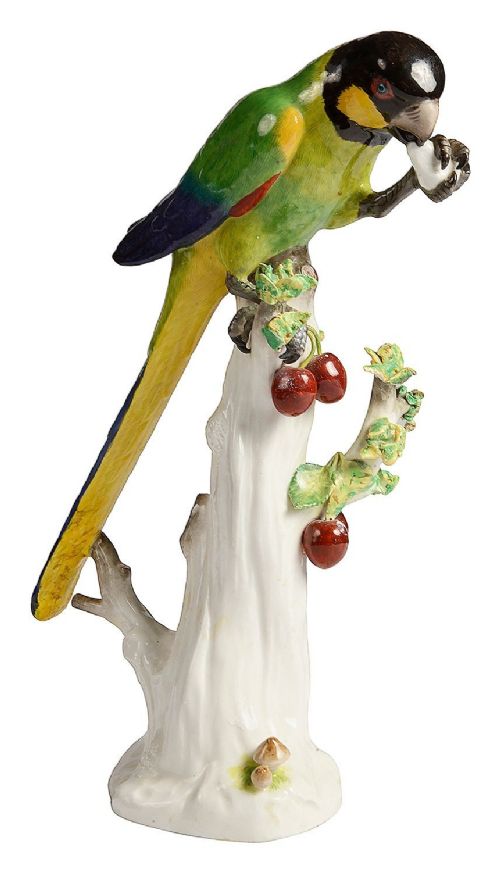
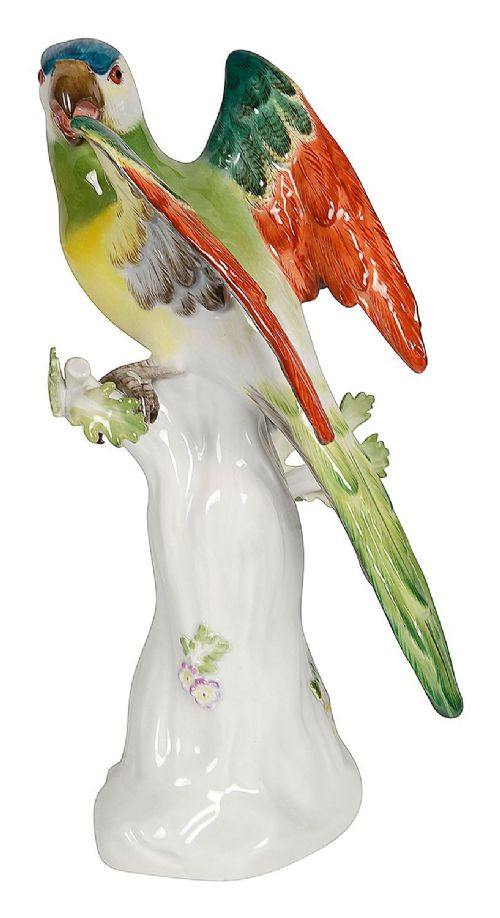
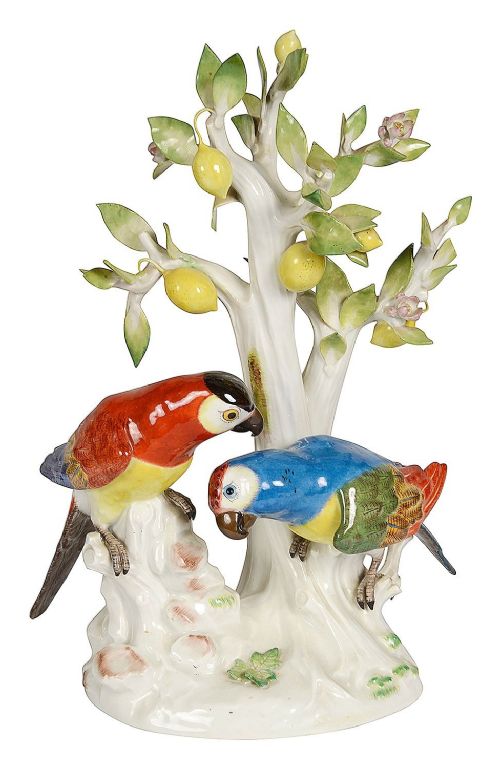
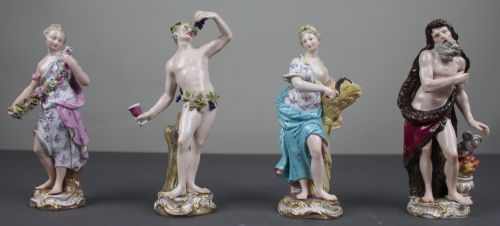
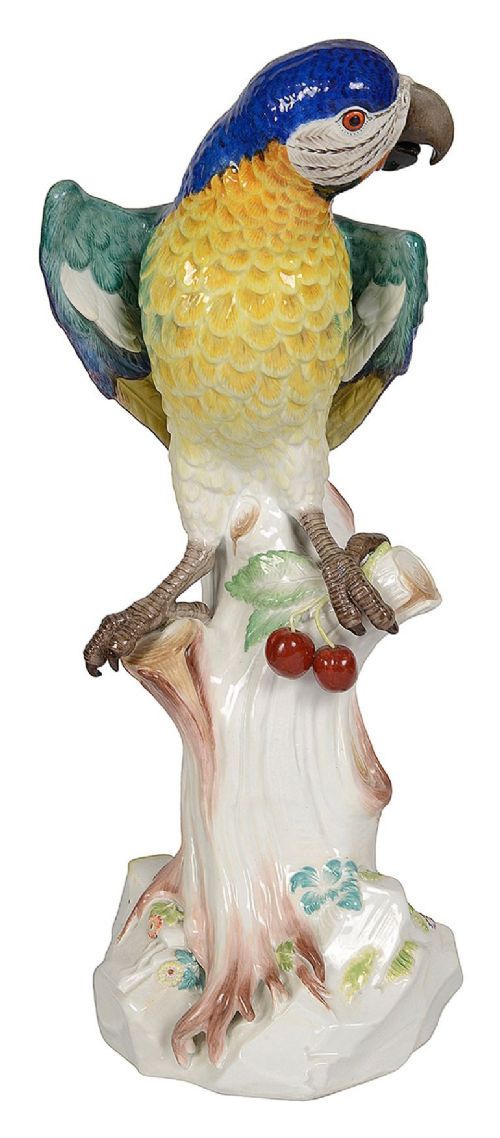
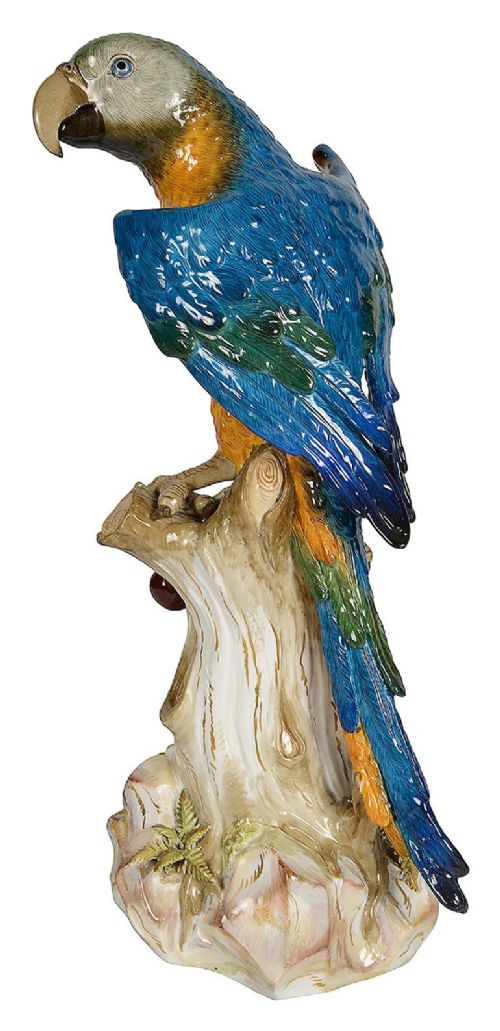
Collectors seeking antique meissen sculpture encounter hard-paste porcelain figurines, groups, and decorative objects spanning the eighteenth to twentieth centuries. The selection on this page centres heavily on nineteenth-century animal models, particularly parrots, alongside eighteenth-century figure groups and allegorical sets.
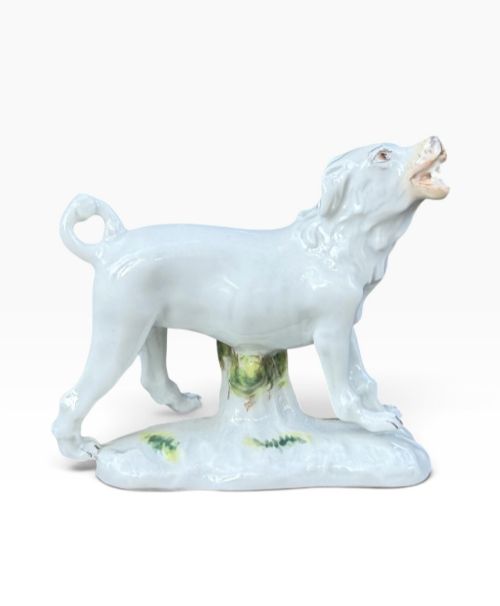
The evidence shows forms ranging from single birds and monkeys to complex mythological groups, romantic pairs, and sets representing the Four Seasons. Eighteenth-century examples include works from the Marcolini period, while later pieces span Victorian, Art Deco, and historicist styles.
These works function primarily as decorative objects, taking the form of standalone figures, porcelain groups, and mounted decorative items like ormolu windmills. The origin points trace directly to German porcelain manufacturing traditions.
What varies in quality
The distinction between tiers of quality rests on the crispness of the modelling in the hard-paste porcelain and the precision of the hand-painted enamel glaze. Earlier eighteenth-century pieces and specific artist-modelled works display finer detail in facial expressions and botanical elements than massed factory output.
Scale and complexity also divide the works, as large multi-figure groups or large bird models demand greater technical mastery in firing than smaller single figurines. The application of gold leaf and gilt accents contributes further to the visual distinction of the top tier.
Listings feature hard-paste porcelain forms across the eighteenth, nineteenth, and twentieth centuries, including Rococo revival and Art Deco styles.
Paul Scheurich
The Antique Meissen Sculpture Glossary
- Hard-paste porcelain
- A true porcelain composed of kaolin and petuntse, fired at high temperatures to produce a dense, vitrified body that resists scratching. This ceramic material forms the structural base for virtually all pieces.
- Enamel glaze
- A vitreous coating applied to fired porcelain to add colour and a glossy protective finish. Painters use it to render realistic feather patterns and clothing details.
- Gilt
- A thin layer of gold applied to the porcelain surface to highlight decorative elements. It adds metallic contrast to the painted enamel colours.
- Marcolini Period
- The phase of porcelain production under the direction of Count Camillo Marcolini, dating to the late eighteenth century. Pieces from this era often carry specific factory marks associated with the period.
- Blanc de Chine
- A white porcelain glaze and style originating in China but adopted by European factories. It produces a creamy, monochrome surface without overglaze enamel colours.
Antique Meissen Sculpture: Frequently Asked Questions
What is hard-paste porcelain?
Hard-paste porcelain is a durable ceramic composition fired at exceptionally high temperatures during manufacture. It forms a dense, white body that accepts fine sculptural detail.
This material allows makers to craft thin, complex appendages like bird feathers and delicate fingers without sagging in the kiln.
How do I date antique meissen sculpture?
Dating relies on stylistic periods, modelling characteristics, and recorded production eras such as the eighteenth century or the Marcolini period. Victorian and late nineteenth-century pieces often feature heavier bird and animal models.
Comparing the sculptural style and glaze application to documented pieces helps narrow down the decade of creation.
Were these figures meant for display?
These porcelain figures and groups served as decorative objects for wealthy interiors, often placed on dining tables or mantelpieces. Elaborate sets like the Four Seasons decorated rooms as conversational centrepieces.
Their primary function was aesthetic appreciation rather than practical daily use.
What subjects are most common?
Parrots and exotic birds appear frequently among nineteenth-century models, often depicted perched on tree trunks or branches. Human subjects include romantic pairs, gardeners, street traders, and mythological groups.
Animal attacks and allegorical representations of seasons also recur across the recorded dates.