




18th Century Ceramic Sculpture
These 18th century ceramic sculpture works capture mythological figures, animals, and tradespeople in porcelain, offering collectors intimate glimpses into Georgian and continental kiln artistry.
18th Century Ceramic Sculpture
When searching for 18th century ceramic sculpture, a buyer encounters European porcelain figures, groups, and animal models from factories such as Meissen, Derby, Bow, and Fürstenberg. These pieces typically depict allegorical themes like the four elements, seasons, or continents, alongside pastoral scenes and classical deities.
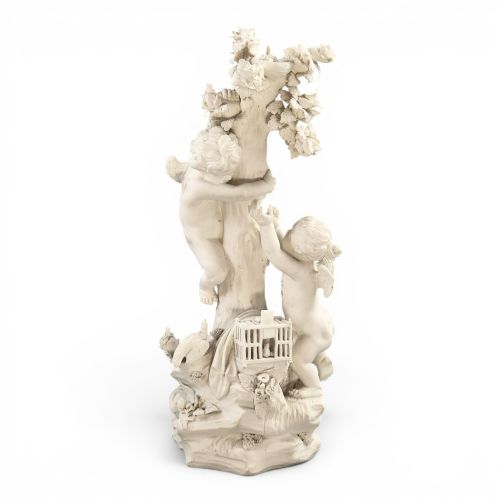
The objects span individual portrait figures and elaborate multi-figure groups with bocage backgrounds or architectural elements. Meissen and Derby examples dominate the selection, showing soft-paste and hard-paste porcelain bodies fashioned into street traders, lovers, and mythological characters.
While most inventory belongs to the Georgian and eighteenth-century periods, later revival interpretations and nineteenth-century Samson or Ernst Bohne Söhne pieces also appear. The variety ranges from biscuit porcelain groups to hand-painted figures decorated with enamel and gold leaf.
Materials and Techniques
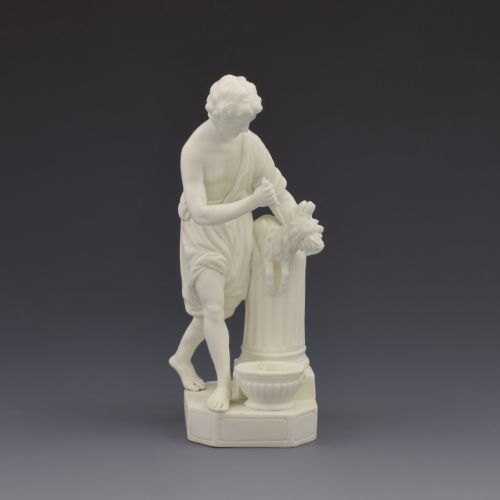
Makers utilised soft-paste and hard-paste porcelain, shaping the ceramic bodies through press-moulding and slip-casting before applying detailed hand modelling. Biscuit porcelain remained unglazed to highlight the crisp surface texture of figures like the Derby biscuit groups.
Enamel pigments and gilding provided surface decoration, fixed through kiln firings that set the hand-painted colours and gold leaf highlights. Meissen and Derby factories incorporated applied elements like porcelain lace and floral bocage backgrounds to enhance the sculptural depth of the groups.
The inventory records pieces from the Georgian and 18th Century periods alongside later 19th Century and 20th Century revivals.
Standards of Execution
The complexity of the composition dictates the level of craftsmanship, separating simple single figurines from multi-figure groups with intricate bocage work or applied flowers. The application of gilding and the purity of the porcelain paste further distinguish factory standards across German and English kilns.
Meissen·Derby·Bow·Fürstenberg·Ralph Wood·Ernst Bohne Söhne·Volkstedt·Samson·Ludwigsburg·Frankenthal
The 18th Century Ceramic Sculpture Glossary
- Biscuit porcelain
- Un-glazed fired porcelain possessing a matte, marble-like finish that shows fine sculptural detail. This surface treatment appears frequently in neoclassical figures.
- Bocage
- An applied background of porcelain leaves and branches that frames figurative groups. This foliage provides structural support and aesthetic enclosure.
- Soft-paste porcelain
- A vitreous ceramic composition fired at lower temperatures than hard-paste porcelain, developed in European factories to imitate Asian wares. It presents a warm texture beneath the glaze.
- Hard-paste porcelain
- A durable ceramic material composed of kaolin and petuntse, fired at high temperatures. It forms the basis of many German figures.
- Gilding
- The application of gold leaf or gold paint to highlight details such as drapery borders and bases. This metallic finish accentuates the sculptural forms.
18th Century Ceramic Sculpture: Frequently Asked Questions
How do I care for antique porcelain figures?
Display these sculptures away from direct sunlight and areas subject to sudden temperature shifts. Dust them gently with a soft, dry brush.
Avoid using water or liquid cleaners, particularly on pieces with delicate enamel or gilt surfaces. Secure them on stable shelves where they will not suffer vibrations.
What themes appear in these sculptures?
Common subjects include classical deities, pastoral workers, and allegorical representations of the seasons or elements. These themes reflected eighteenth-century intellectual and decorative tastes.
Animal figures and literary scenes also feature prominently in factory outputs. The narratives often draw from contemporary theatre or classical mythology.
How do English and German figures differ?
English factories like Derby and Bow initially utilised soft-paste porcelain bodies suited to domestic interiors. Their work often captures lively movement in pastoral subjects.
German manufacturers such as Meissen mastered hard-paste porcelain earlier, producing highly detailed figures with intricate floral bocage and precise enamel work. Continental pieces frequently adopted elaborate Rococo scroll bases.