


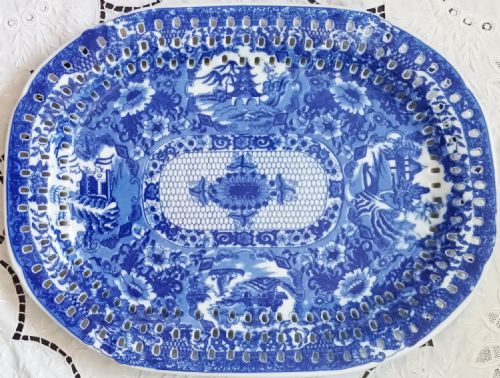
Antique Pearlware Ceramic
Antique pearlware ceramic items bring crisp blue and white transfer prints, hand-painted floral panels, and moulded earthenware figures into modern interiors with distinct Georgian character.
Antique Pearlware Ceramic
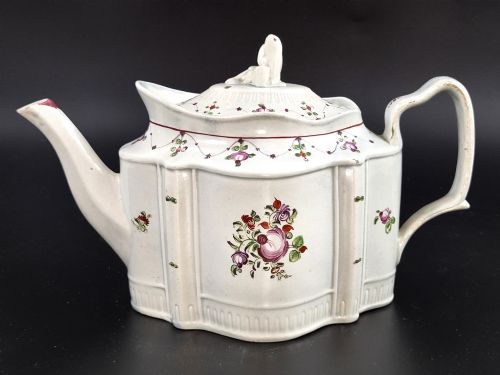
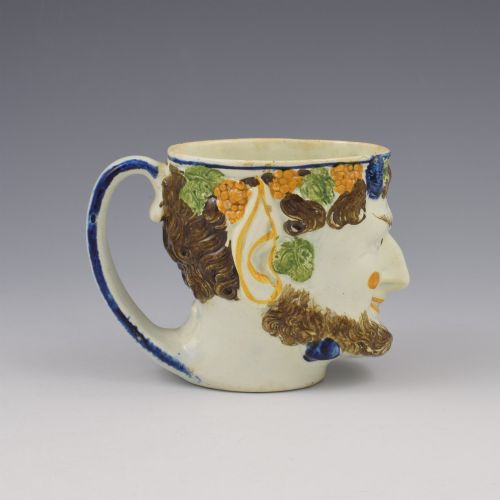
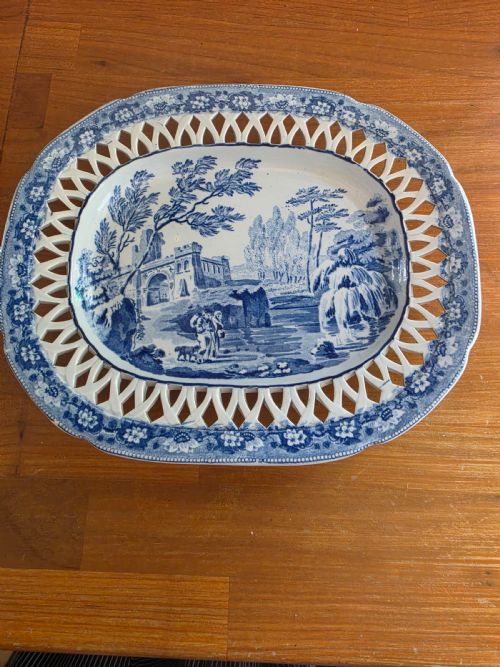
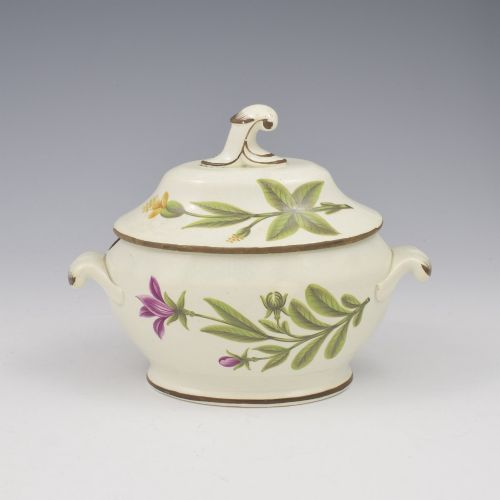
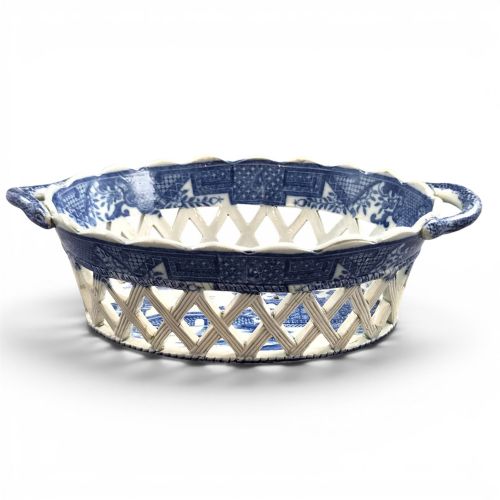
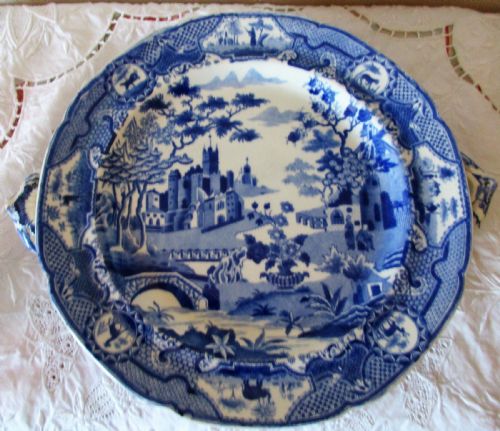
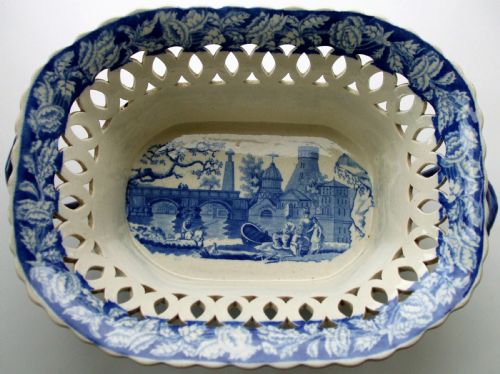
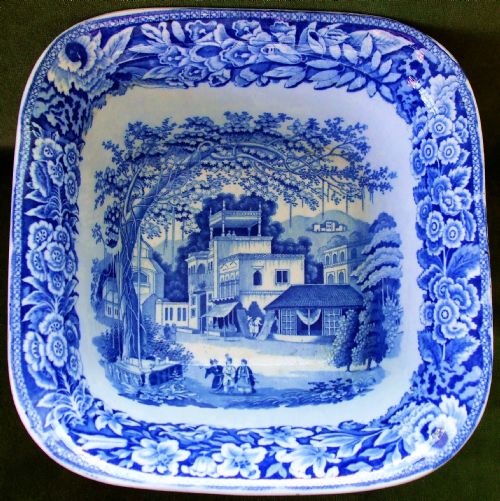
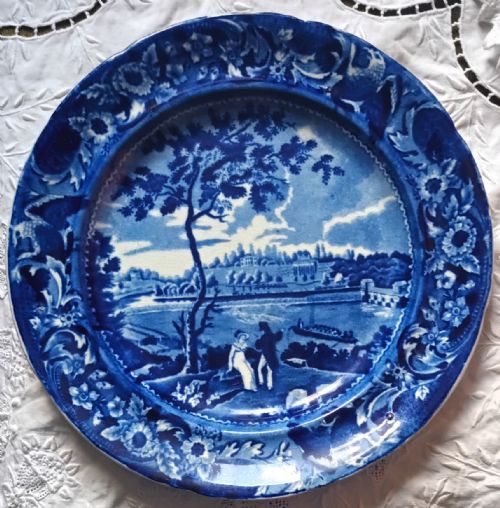
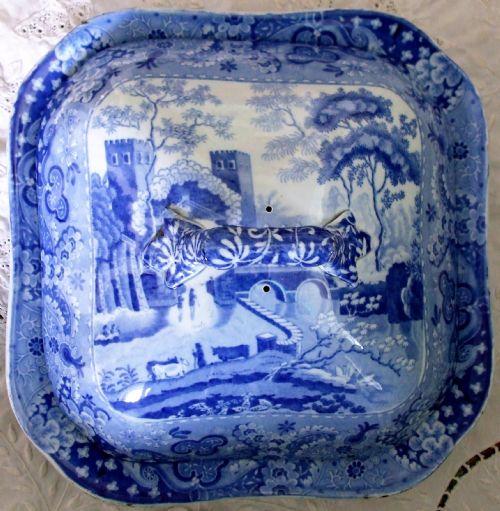
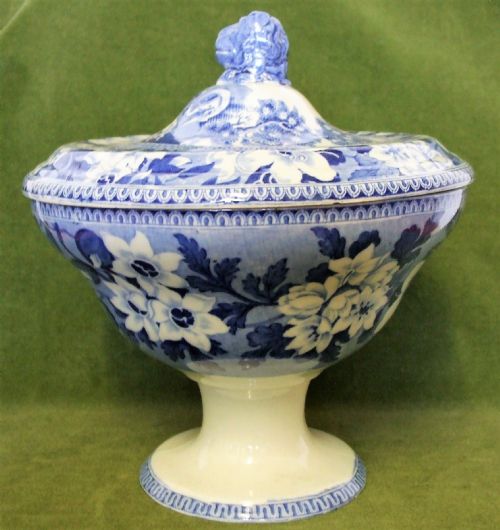
When buyers search for antique pearlware ceramic, they encounter functional tableware and decorative figures produced primarily during the Georgian, Regency, and early nineteenth-century periods. These items encompass blue and white transfer-printed platters, botanical sauce tureens, reticulated chestnut baskets, and painted frog mugs originating from Staffordshire, Swansea, and Welsh potteries.
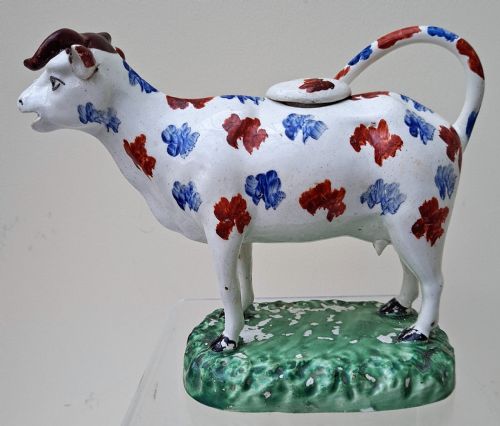
The material sits chronologically and chemically between creamware and true white earthenware, developed to rival Chinese porcelain by applying a thin glaze containing a small amount of cobalt over a slightly bluish body. Common domestic and display forms include vegetable tureens, cow creamers, spillholders, and sculptural figure groups depicting biblical or pastoral scenes.
Pieces frequently reflect English country and folk art traditions alongside formal Georgian Chinoiserie patterns like Long Bridge or Gothic Castle. Collectors select these wares for their historic transfer designs, delicate pierced work, and tangible connection to early ceramic manufacturing techniques.
What varies in quality
Quality in these ceramics depends on the crispness of the transfer print, the delicacy of moulded details like pierced reticulation, and the skill of the hand-painting on figures and botanical panels. Superior examples exhibit clean cobalt lines without blurring, precise potting, and well-preserved enamel or lustre highlights.
The refinement of the ceramic body and the uniformity of the pearlware glaze also separate standard production wares from finer factory outputs associated with notable makers. Greater artistic ambition in sculptural groups, such as detailed facial expressions on figures and careful placement of cobalt pooling, elevates the standing of an individual piece.
Early drinking vessels conceal small ceramic frogs and newts inside to surprise guests as the liquid empties.
Davenport·Spode·J. & R. Clews·J. & R. Riley·Stubbs·John Rogers and Son·Walton
The Antique Pearlware Ceramic Glossary
- Pearlware
- A refined earthenware developed in the late eighteenth century featuring a glaze with a subtle blue tint designed to mimic Chinese porcelain.
- Transfer printing
- A decoration technique where an engraved copper plate transfers a design onto tissue paper, which is then impressed onto the ceramic surface.
- Reticulation
- An openwork pierced pattern typically found on the rims of baskets, platters, and fruit dishes.
- Prattware
- An early type of earthenware decorated with low-relief moulding and specific underglaze colours like ochre, blue, brown, and yellow.
- Spillholder
- A hollow ceramic figure or vase designed to hold wooden spills used for lighting fires and candles.
- Lustreware
- Pottery finished with a metallic glaze film that produces a reflective, iridescent sheen in copper, silver, or purple.
Antique Pearlware Ceramic: Frequently Asked Questions
How do I clean pearlware?
Clean these fragile antique ceramics gently using warm water and a mild, non-abrasive liquid soap with a soft sponge. Avoid submerging pieces with old repairs or exposed earthenware bodies for extended periods.
Dry them immediately with a soft, lint-free cloth to protect the historic glaze and delicate painted or transfer-printed surfaces.
How can I date pearlware ceramics?
Dating relies on examining the ceramic body, the shade of the pearlware glaze, style of decoration, and factory marks where present. Earlier eighteenth-century pieces often display a deeper blue tint in the glaze and simpler hand-painted motifs.
Nineteenth-century examples frequently incorporate complex transfer-printed patterns, polychrome enamels, or moulded details associated with specific known makers.
Were frog mugs used practically?
Frog mugs served as functional drinking vessels during social gatherings, often inscribed with names, dates, or commemorative verses. The surprise ceramic frog or newt inside sat near the bottom to emerge as the drinker finished the beverage.
Larger versions functioned as measuring vessels or presentation pieces in domestic and tavern settings across England and Wales.