

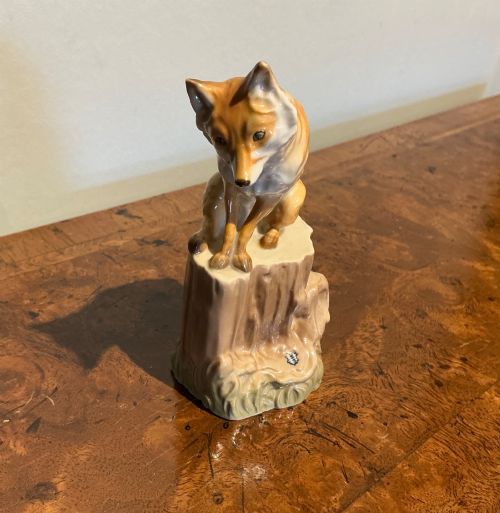


Brown Porcelain Figurine
These brown porcelain figurine pieces bring character and ornament to a room, spanning periods from the eighteenth century to the mid-twentieth century.
Brown Porcelain Figurine
A brown porcelain figurine encompasses sculptural ceramic animals, human figures, and decorative objects shaped in porcelain, earthenware, and pottery. The examples gathered here range from eighteenth-century Georgian figures to Art Deco hatpin holders and mid-century animal studies.
Buyers encounter distinct forms such as recumbent stags, seated maidens, birds, dogs, and theatrical pairs modelled in styles running from Rococo and Victorian Staffordshire to Edwardian and Art Deco. These pieces function primarily as mantel ornaments, spill vases, and decorative sculptures.
Origins span British manufactories alongside continental European porcelain houses and Chinese potteries. The assortment reflects diverse historical tastes, uniting classical subjects with whimsical animal representations.
Materials and methods
Makers shaped these sculptures using porcelain, soft-paste porcelain, earthenware, and pottery bodies. Artisans applied glazes, lead glazes, and enamels to colour the surfaces, frequently adding gilding for linear and ornamental detail.
Brown Porcelain Figurine Retail Price Guide 2026
Typical asking prices for brown porcelain figurine among the pieces listed under this phrase on Sellingantiques today, from the lower quarter to the upper quarter. They describe what is for sale here now, not the wider market.
Stags with bocage leaves and fashionable flapper girls share shelf space in this eclectic ceramic menagerie.
Evaluating craftsmanship and detail
Quality depends on the precision of the modelling and the crispness of the moulded details, particularly in facial expressions, bocage foliage, and textural elements like fur and feathers. Superior examples maintain sharp definition through the firing process.
The application of enamel painting and glaze coverage differentiates standard production pieces from finer sculptural works. Hand-painted brushwork with controlled shading and subtle colour variations distinguishes the upper tier of the range.
Nymphenburg·Derby·Rosenthal·Wedgwood and Co Ltd·Royal Worcester·Royal Dux·Volkstedt Triebner Ens and Eckert·Meissen·Royal Bayreuth
The Brown Porcelain Figurine Glossary
- Bocage
- An ornamental background of leaves and branches applied behind figures. This technique appears frequently on eighteenth-century figures and spill vases.
- Soft-paste porcelain
- A ceramic composition fired at lower temperatures than hard paste. It has a distinctive warm tone and slightly porous body.
- Spill vase
- A hollow cylindrical container designed to hold wooden spills for lighting fires. These vessels often incorporate animal figures or figural groups.
- Hatpin holder
- A small decorative receptacle used to store hatpins on a dressing table. Art Deco examples take the form of stylised human figures.
- Glaze
- A glassy layer fused to the ceramic body by firing. It provides a protective waterproof coating and dictates surface sheen.
Brown Porcelain Figurine: Frequently Asked Questions
How do I date an antique porcelain figure?
Dating relies upon identifying factory marks stamped or painted on the underside of the ceramic base, alongside stylistic clues such as clothing fashions and modelling conventions. Comparing the potting technique and glaze composition against known factory periods helps narrow the timeframe of manufacture.
Changes in paste formulation and colouring methods also offer chronological indicators. Reference books and factory archives provide definitive timelines for specific marks and model numbers.
Where should I display my porcelain figures?
Display these sculptures on stable surfaces away from direct sunlight and heavy foot traffic to prevent accidental knocks. Mantels, enclosed cabinets, and sturdy side tables provide secure settings where the modelling can be appreciated from multiple angles.
Ensure shelves are level and deep enough to accommodate bases securely. Avoid placing delicate pieces near heat sources that might stress the ceramic body.
What is the difference between porcelain and earthenware?
Porcelain is a vitrified ceramic fired at high temperatures until it becomes dense, hard, and non-porous. Earthenware is fired at lower temperatures, resulting in a more porous, coarser body that requires a glaze to hold liquids.
Porcelain often exhibits translucency when held to a strong light, whereas earthenware remains completely opaque. The choice of material affects the crispness of fine details and the weight of the finished sculpture.