

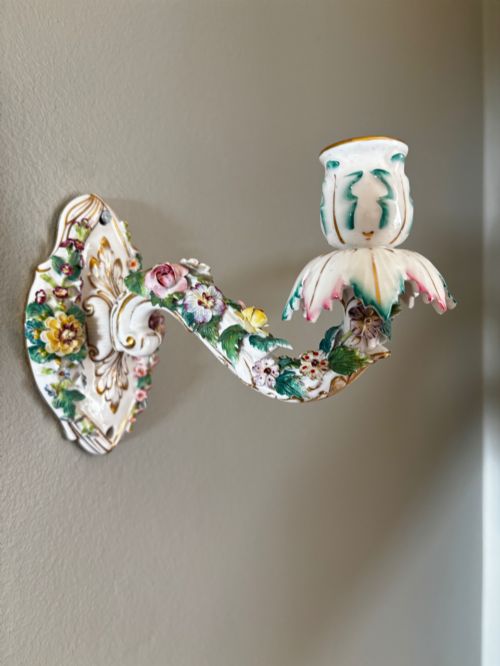


Antique Meissen Ceramic
Antique meissen ceramic pieces bring centuries of European kiln mastery into domestic spaces through meticulously modelled figures, birds and tableware.
Antique Meissen Ceramic
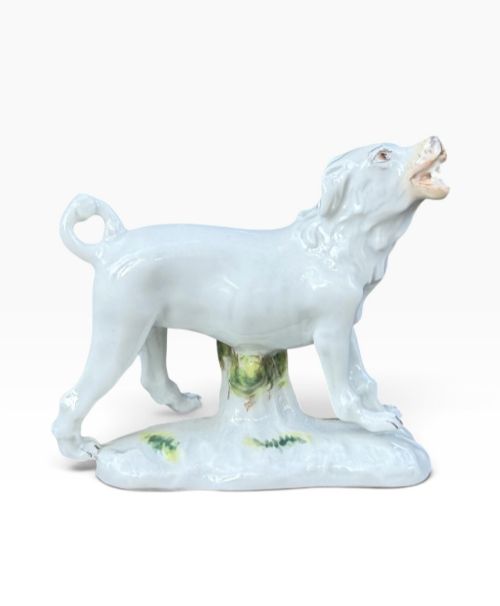
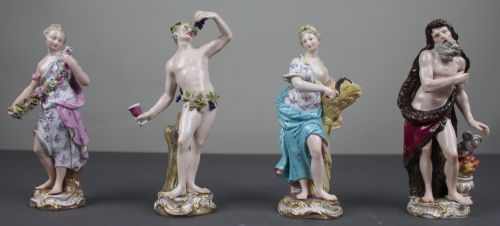
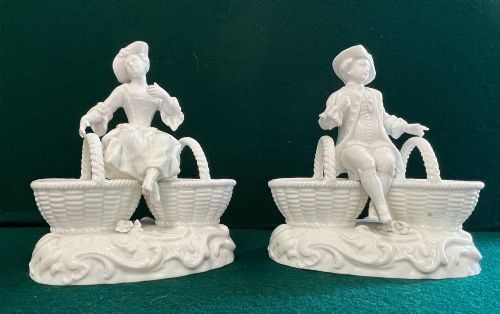
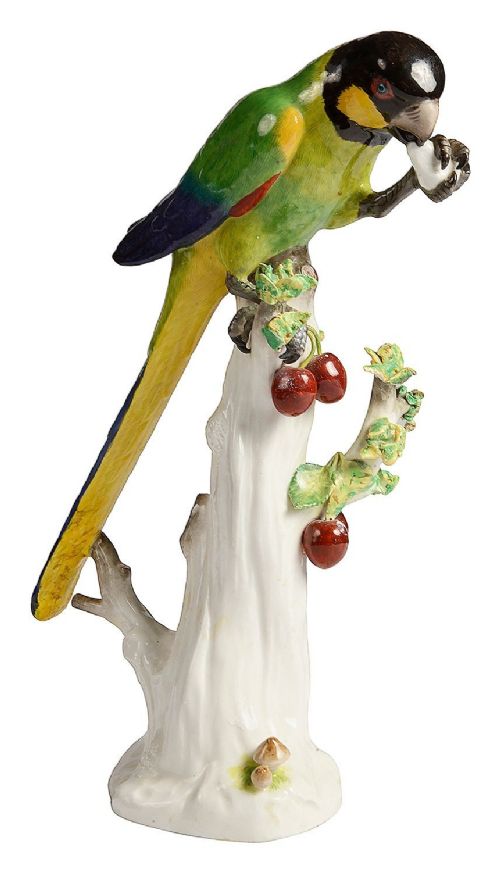
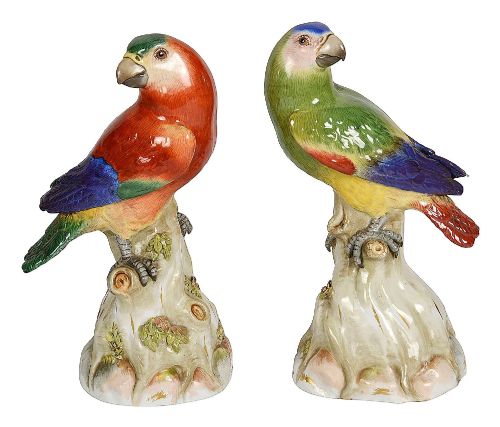
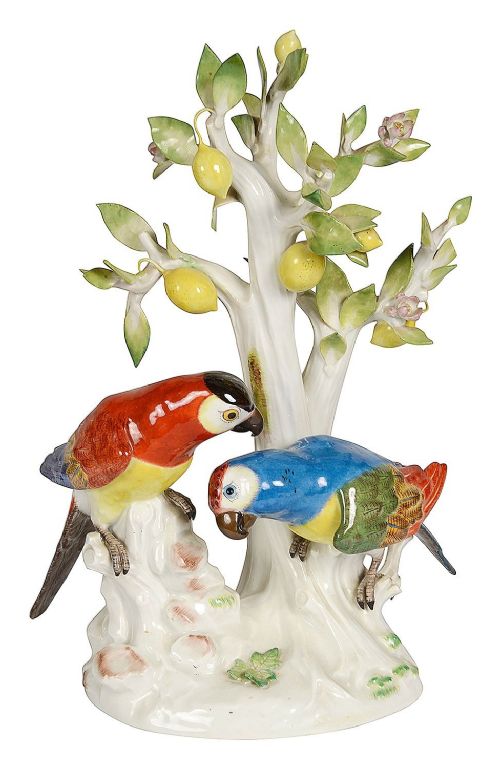
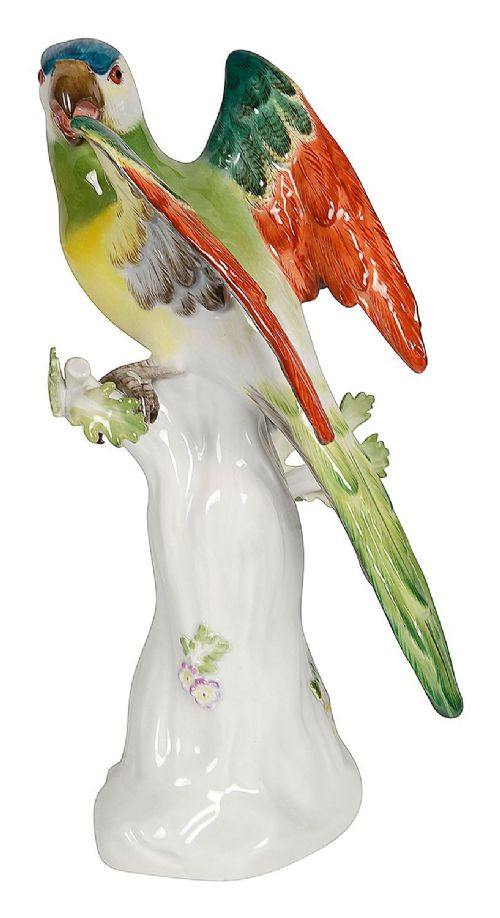
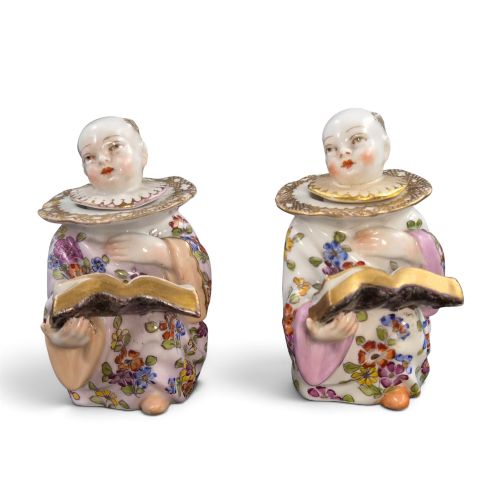
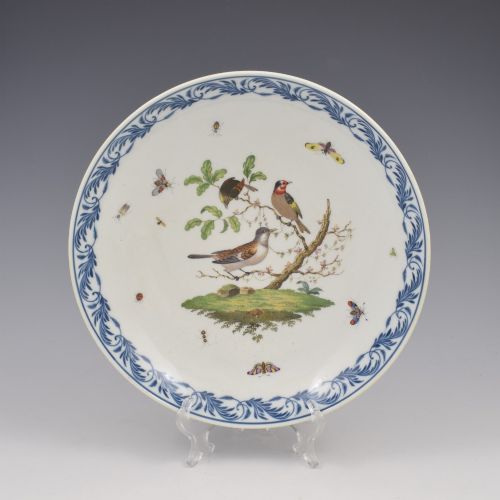
When you search for antique meissen ceramic, you encounter hard-paste porcelain forms originating from the renowned German factory, spanning from eighteenth-century neoclassical groups to nineteenth-century Rococo Revival figures. The selection frequently includes detailed ornithological plates, figural inkwells, and pairs of parrots perched on tree trunks or lemon trees.
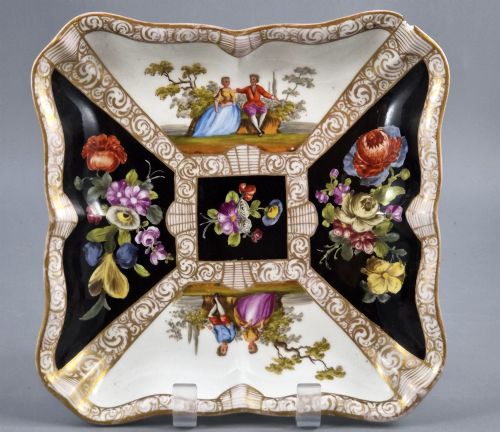
Beyond standalone figures of street traders, gardeners, and lovers, the listings showcase functional table wares such as reticulated plates, square dishes decorated with Watteau scenes, and large centrepieces. Pieces range from early Marcolini period examples to Edwardian creations by designers like Paul Scheurich, reflecting diverse historical tastes.
Materials and manufacture
These works rely on hard-paste porcelain, a durable ceramic body fired at high temperatures to achieve a dense, vitrified structure suitable for intricate modelling. Artisans shaped the figures and vessels by hand or in moulds, applying enamel pigments that fused permanently with the glaze during subsequent kiln firings.
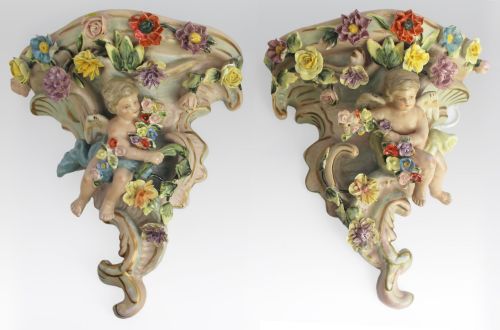
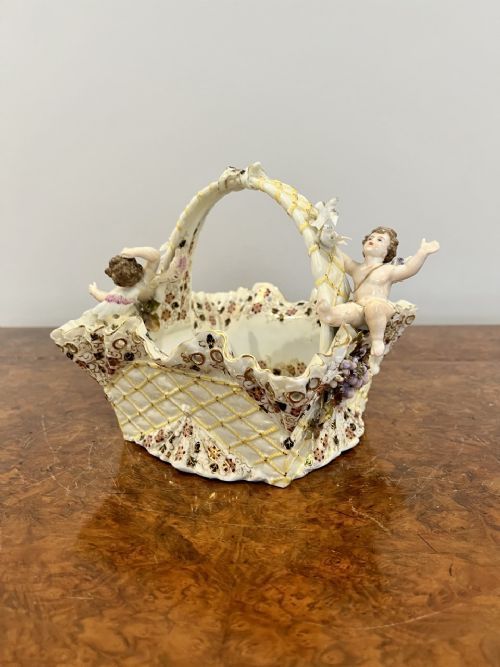
Many examples incorporate hand-applied gilding and gold leaf highlights to accentuate moulded architectural details, rocaille scrolls, and floral borders. The integration of delicate elements, such as pierced reticulation on plates and applied ceramic flowers, demonstrates advanced control over shrinkage and firing limits.
The listings show hard-paste porcelain forms spanning from the 1750s to the Edwardian era, incorporating enamel painting, gold leaf, and intricate figural modelling.
Judging quality in the medium
The sophistication of the palette and the complexity of the composition also determine distinction, with multi-figure groups and anatomical accuracy demanding greater technical expertise from the modeller. Preservation of delicate extremities and original gilding further separates standard production pieces from exceptional works.
Edmé Samson·Paul Scheurich·Wolfsohn Dresden
The Antique Meissen Ceramic Glossary
- Hard-paste porcelain
- A dense, vitrified ceramic composed of kaolin and petuntse, fired at very high temperatures. This material forms the durable foundation for nearly all traditional German factory wares.
- Reticulated
- Pierced or openwork decoration cut into the clay before firing, commonly found on decorative plates and baskets. This technique requires considerable skill to prevent warping in the kiln.
- Marcolini period
- The era of factory management under Count Marcolini lasting from the late eighteenth into the early nineteenth century. Pieces from this phase often feature specific transitional design characteristics.
- Enamel
- Coloured metallic oxides painted onto the glazed porcelain surface and fused in a muffle kiln. It provides the vibrant hues seen on birds, figures, and landscape scenes.
- Gilding
- The application of gold leaf or powdered gold to ceramic surfaces to highlight decorative borders and sculptural motifs. It is frequently burnished to create a bright metallic finish.
Antique Meissen Ceramic: Frequently Asked Questions
How do I spot genuine factory marks?
Genuine factory output often bears the underglaze blue crossed swords mark on the base, reflecting the emblem derived from the Saxon coat of arms. Variations in this mark help specialists narrow down the production era.
Fakes and later imitators frequently applied similar crossed swords, so examining the clarity of the paint beneath the glaze and the quality of the ceramic body remains essential for correct attribution.
What are Schneeballen covers?
Schneeballen, meaning snowball, refers to a dense covering of tiny applied white ceramic blossoms clustered all over a vessel surface. This labour-intensive technique creates a distinct textured sphere.
Potters individually formed and attached each minuscule flower by hand before firing, making pieces with intact snowball coverage particularly demanding to produce.
How should I display porcelain figures?
Display these ceramics within enclosed cabinets away from direct sunlight to protect the fragile enamel colours and delicate applied elements from accidental damage. Stable shelving prevents vibrations that could harm protruding limbs or fingers.
Avoid placing pieces near heat sources or high-moisture environments, as sudden temperature fluctuations stress the historic hard-paste body and underlying glazes.
Are eighteenth-century pieces fragile?
Eighteenth-century porcelain possesses a hard and durable core, but protruding sculptural details like fingers, leaves, and wingtips remain vulnerable to impact. Handling requires steady support beneath the base rather than lifting by thin attachments.
Routine maintenance involves gentle dusting with a soft, dry brush to keep the glazed surfaces clean without risking abrasion to the hand-painted enamels.