



Antique Meissen Figure
An antique meissen figure captures centuries of European ceramic artistry, bringing expressive porcelain characters and animals into your home.
Antique Meissen Figure
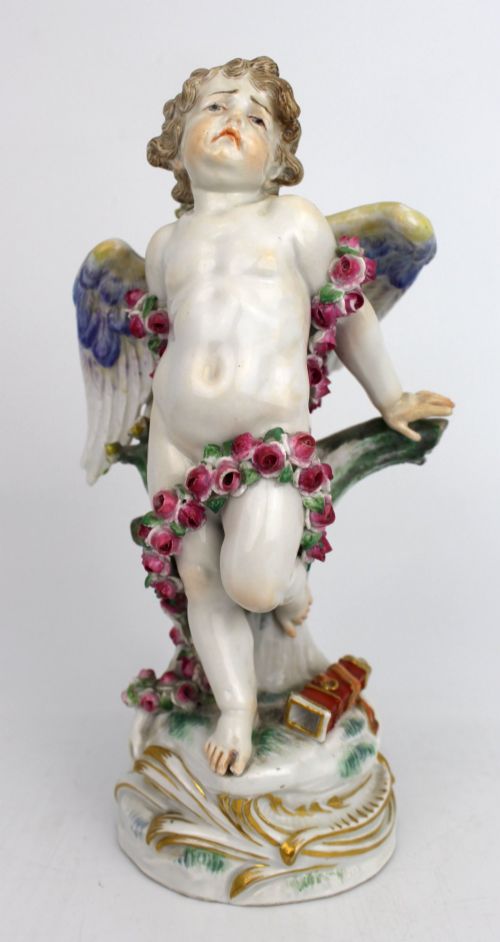
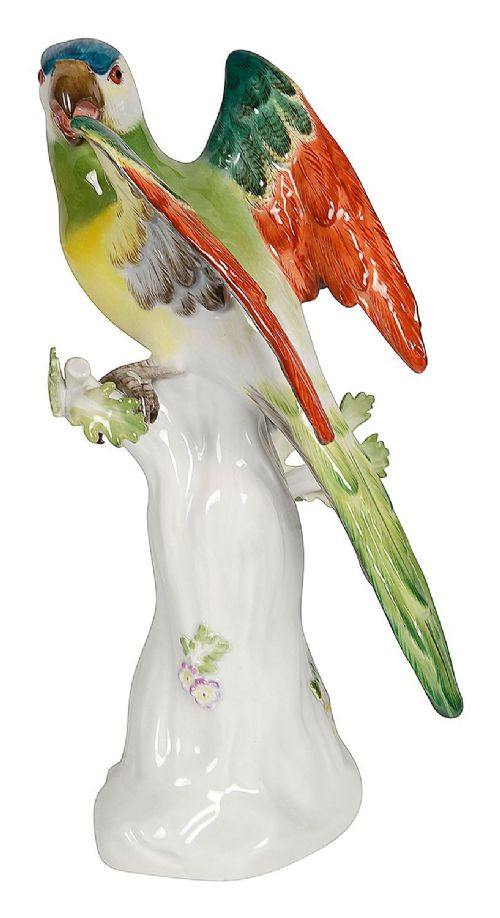
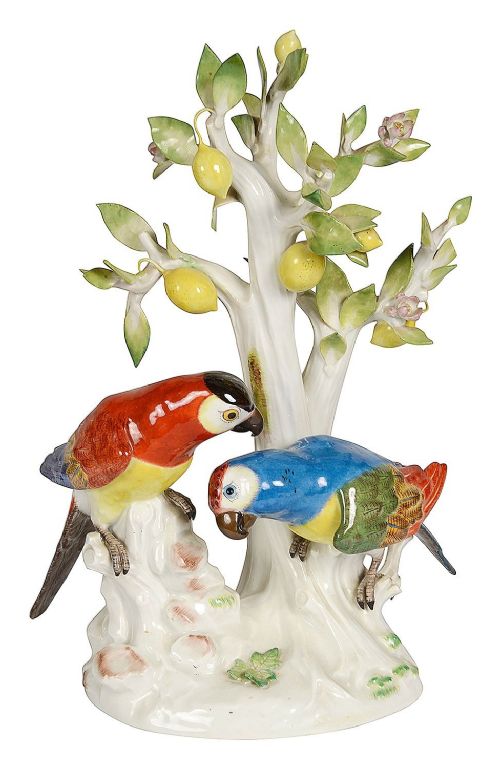
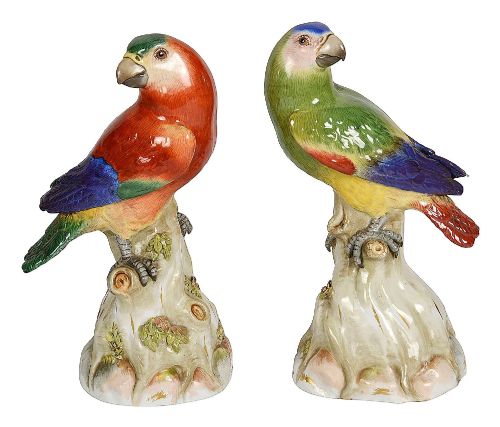
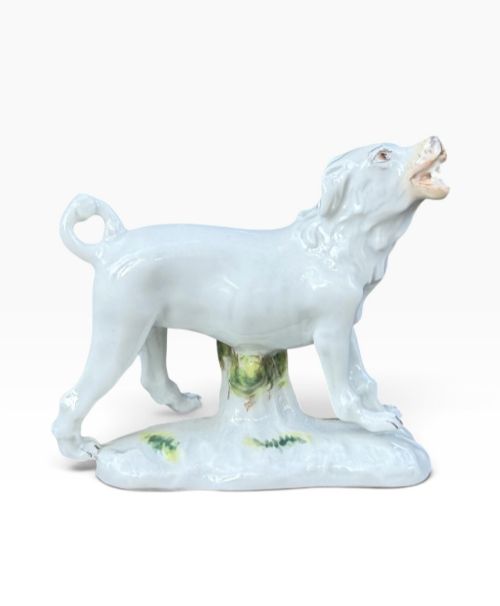
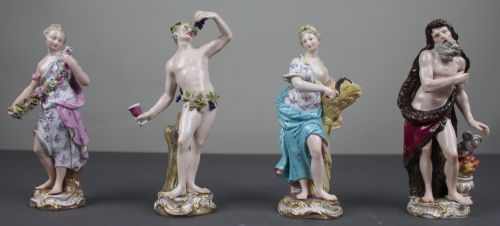
When you search for an antique meissen figure, you encounter porcelain figurines, groups, animals, and figural candelabra spanning the eighteenth to the twentieth centuries. The selection ranges from classical allegorical subjects and musicians to birds, monkeys, and pastoral scenes.
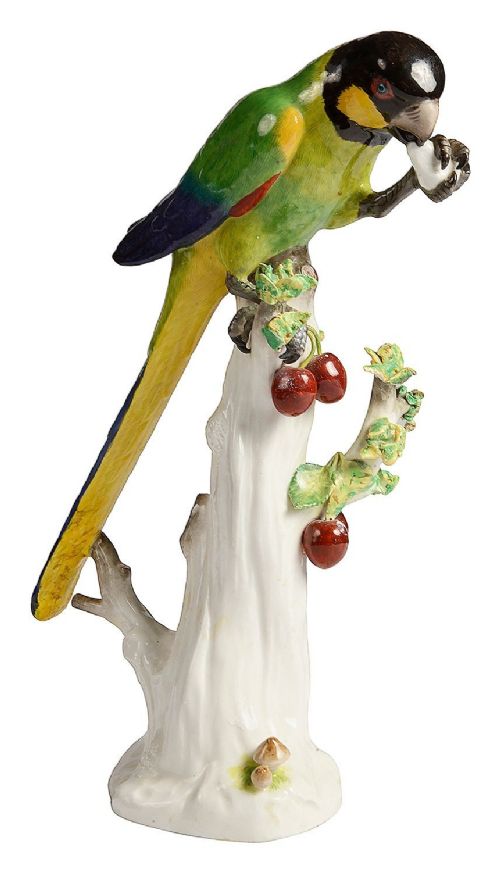
Nineteenth-century reproductions and later nineteenth-century interpretations of earlier models appear frequently alongside eighteenth-century originals. Buyers find both single figures and balanced pairs, such as parrots or gardeners, which demonstrate the factory's enduring output of decorative sculpture.
Materials and construction
These pieces utilise hard-paste porcelain shaped in moulds and finished by hand before undergoing high-temperature firing. Artisans applied enamel glaze and details in gold leaf or gilt to accentuate the sculpted clothing, feathers, and facial expressions.
Some elaborate compositions incorporate bronze or ormolu mounts alongside the porcelain elements, particularly in candelabra and desk accessories.
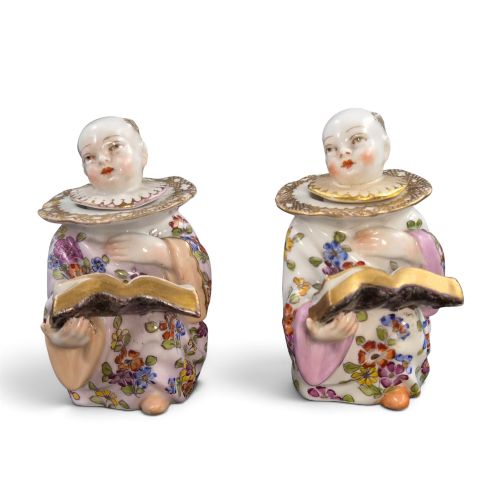
Nodding pagodas possess articulated heads that bob gently when touched, adding whimsical movement to eighteenth and nineteenth-century mantel displays.
Assessing the craftsmanship
Quality rests in the crispness of the modelling and the precision of the hand-painted enamel work across the face, garments, and naturalistic bases. Earlier models and pieces by noted modellers display sharper anatomical detail and more subtle colour blending in the glaze.
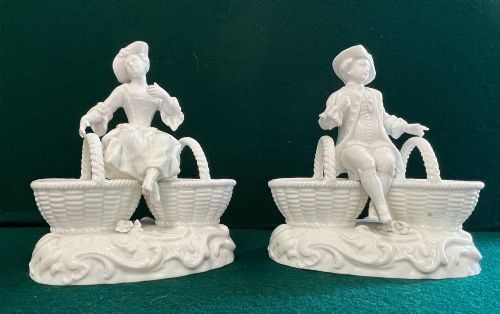
The refinement of secondary elements, such as foliage, baskets, and applied flowers, distinguishes finer examples from simpler production pieces.
Edmé Samson·Paul Scheurich·Helena Wolfsohn
The Antique Meissen Figure Glossary
- Hard-paste porcelain
- A dense, vitreous ceramic composed of kaolin and petuntse fired at high temperatures. This material forms the durable white body of traditional German figures.
- Enamel glaze
- A coloured glass layer fused to the porcelain surface during firing. It provides the vibrant palette seen on garments and naturalistic settings.
- Gilt
- A thin layer of gold applied to surface details such as clothing trim or mountings. It enhances the decorative presence of the piece.
- Marcolini Period
- The era of Meissen production overseen by Count Camillo Marcolini from the late eighteenth century. Pieces from this time often bear specific factory marks associated with his tenure.
- Blanc de Chine
- A white porcelain glaze finish used on figures to emphasise pure sculptural form without added colour. It highlights the modelling work of individual artists.
Antique Meissen Figure: Frequently Asked Questions
How do I identify a Meissen mark?
Authentic pieces typically feature the underglaze blue crossed swords mark painted on the base. Variations in the shape and style of these swords help specialists determine the production period.
Later copies and revival pieces often incorporate similar marks or alternate initials, requiring careful comparison with known factory standards from specific eras.
Were these figures meant for display?
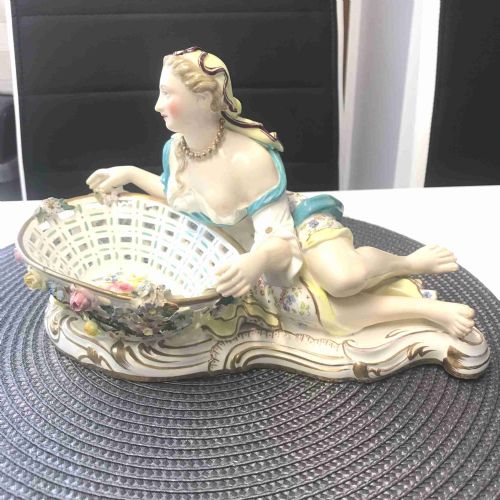
Most figurines and animal sculptures served as decorative ornaments for mantelpieces, cabinets, and dining tables. Some specialised forms, such as inkwells, sweetmeat bowls, and candelabra, combined ornamental figures with practical domestic functions.
Pairs of figures were often arranged symmetrically on furniture to balance room aesthetics during the eighteenth and nineteenth centuries.
How should I clean antique porcelain?
Dust figures gently with a soft, dry brush to remove particles without disturbing delicate applied elements like flowers or fingers. Avoid submerging pieces with metallic mounts or ormolu in water.
Strong cleaning agents and abrasive cloths damage the hand-painted enamel glazes and gold leaf decorations permanently.
What subjects are most common?
Human subjects range from mythological figures and allegorical representations of the seasons to street traders, musicians, and courting couples. Animal figures, particularly exotic birds like parrots and monkeys, also form a significant portion of the available designs.
Compositions often reflect contemporary European tastes for theatrical characters, pastoral romance, and exotic natural history.