





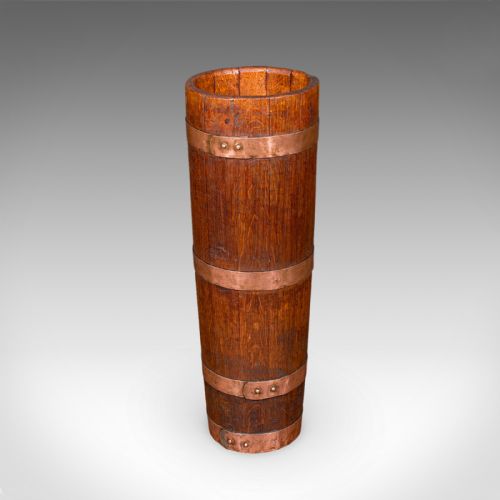
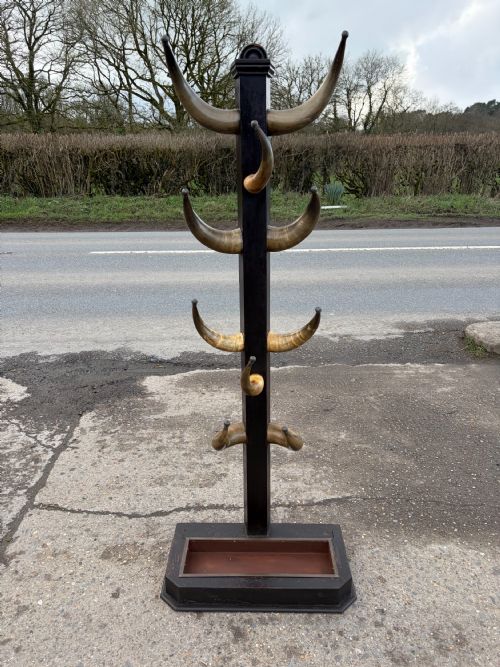
A 2026 Guide by Sellingantiques
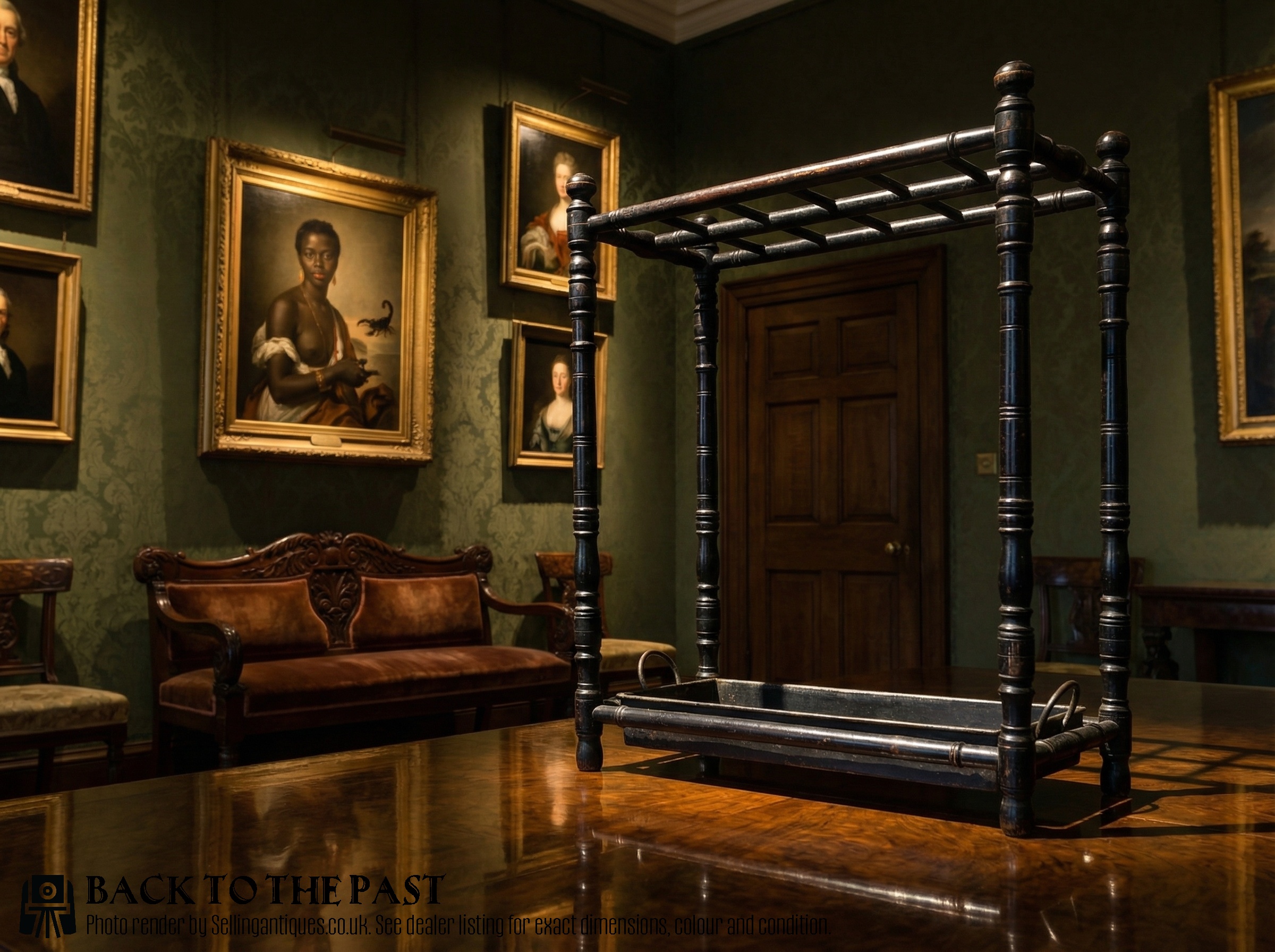
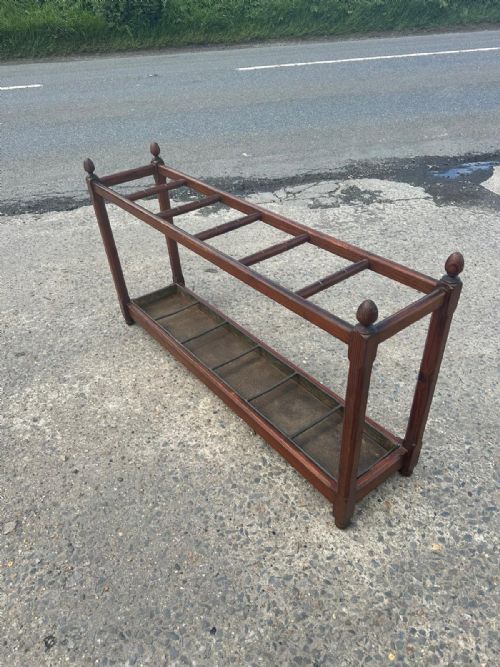
Victorian Ebonised Stick Stand, Victorian
Priced at £195 from Antiques Online Ltd
Hallways became important reception spaces during the nineteenth century. These entryways needed specific furniture to manage outdoor gear.
Look at the rise of the umbrella. As they became cheaper, every house needed somewhere to drain them.
Antique stick stands answered this practical need. They kept wet silk and damp wood away from expensive carpets.
Design evolved alongside changing fashions. The compartments shifted in size to fit slender evening canes or heavy country sticks.
Coalbrookdale produced vast numbers of cast iron stands from the mid-nineteenth century. They cast their maker's mark directly into the metal frame.
James Shoolbred & Co operated in London during the late nineteenth century. Their wooden hall furniture often carries a stamped brass trade label.
Regional foundries across Britain turned out countless iron examples. These local pieces usually lack maker's marks but follow standard pattern book designs.
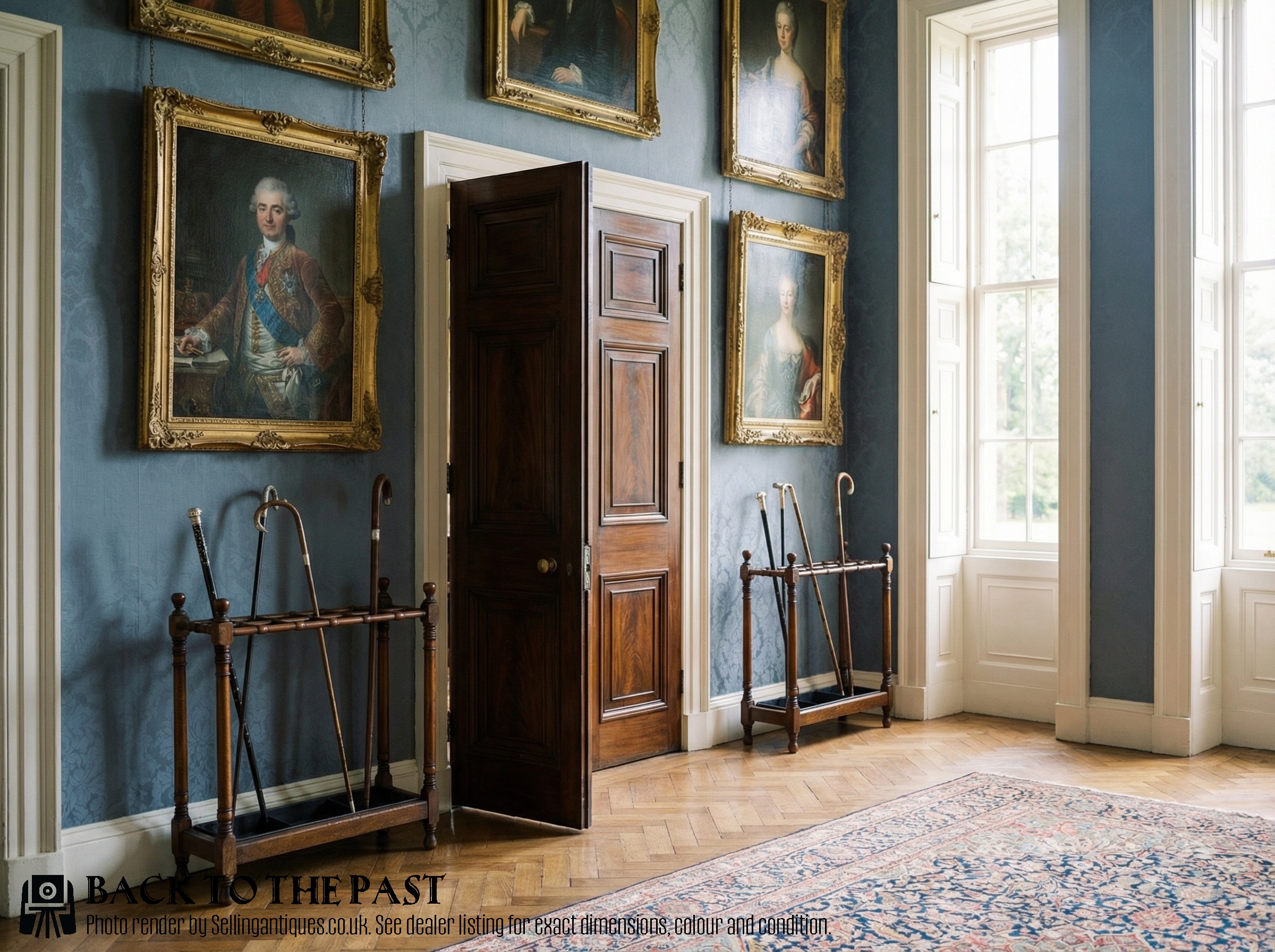
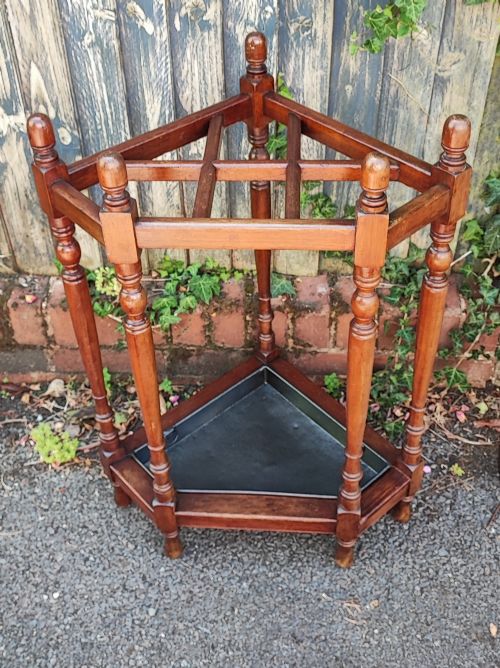
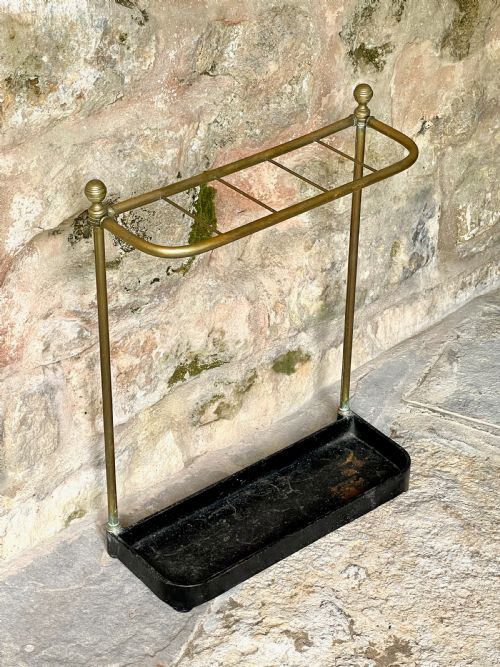
Pair of Edwardian Hall Stick Stands, Edwardian
Priced at £895 from Hobson May Collection
The 2026 retail price guide for Antique Stick Stands is drawn from a proprietary archive of over 1.1 million retail prices indexed by Sellingantiques since 2003. This guide relies exclusively on their own internal data; no external sources or auction records are used.
Analysing nearly 25 years of UK antique market history alongside current retail values, the data indicates that typical UK retail prices for Antique Stick Stands range between £300 and £1,200. Entry-level prices generally fall under £300 and premium examples upwards of £1,200.
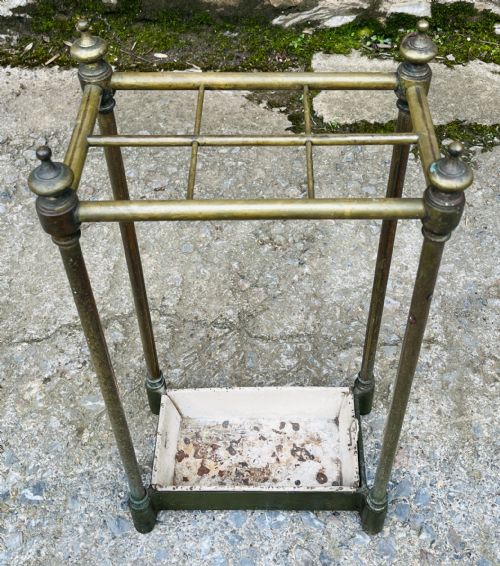
Top rails divide the space into sections. This stops walking sticks tangling together and keeps umbrellas upright.
Removable drip trays sit at the bottom of the structure. You slide them out to empty the collected rainwater.
Many antique stick stands incorporate a solid back panel. Some of these feature decorative tiles or mirrored glass.
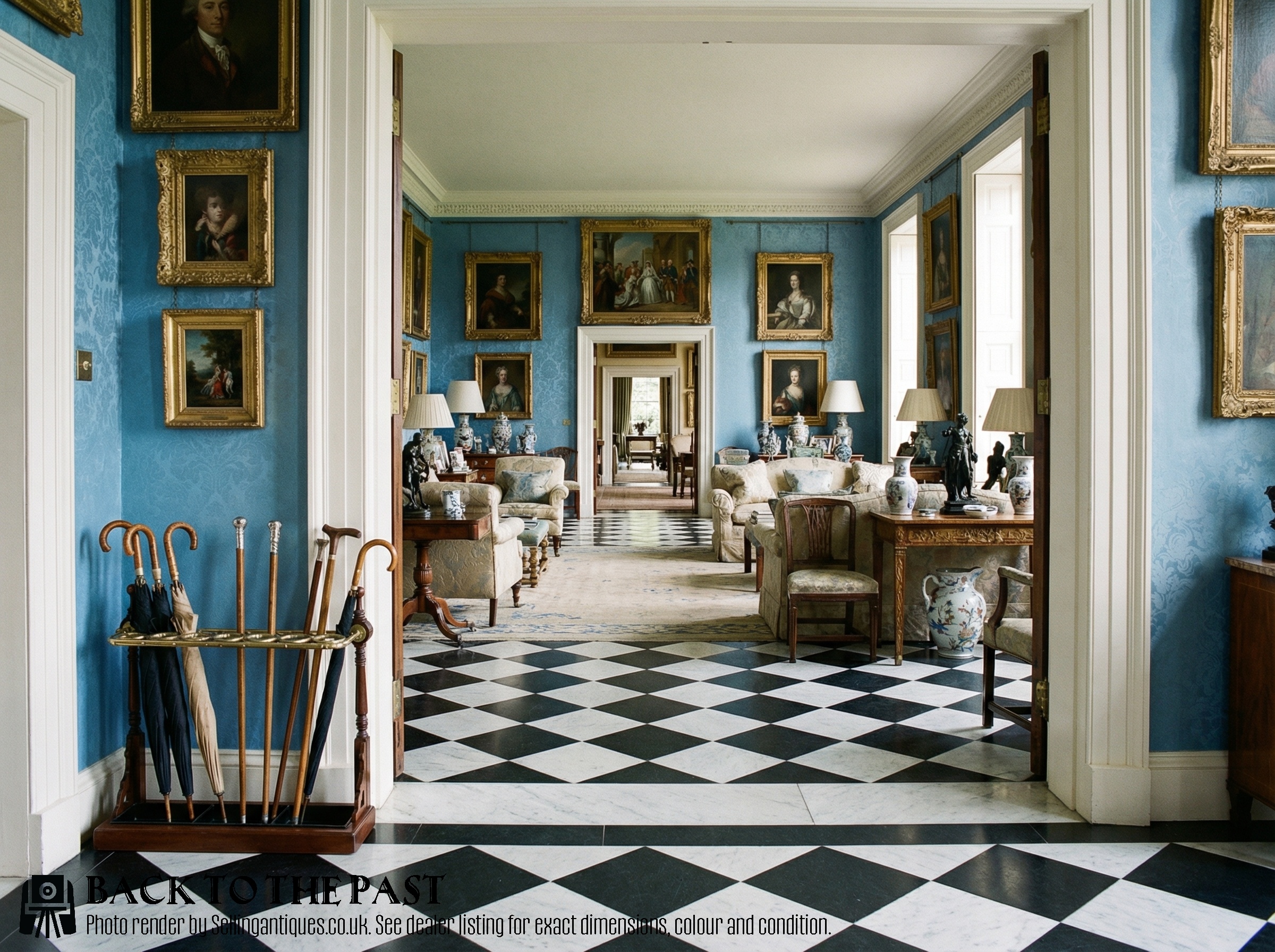
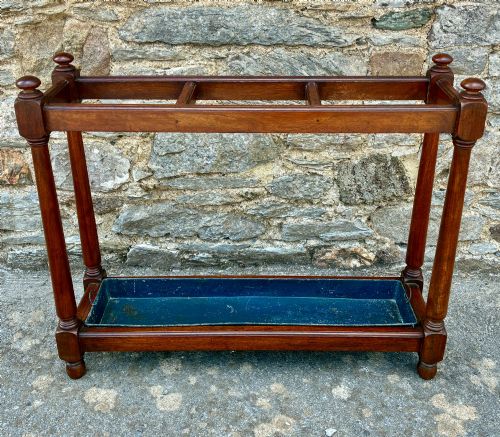
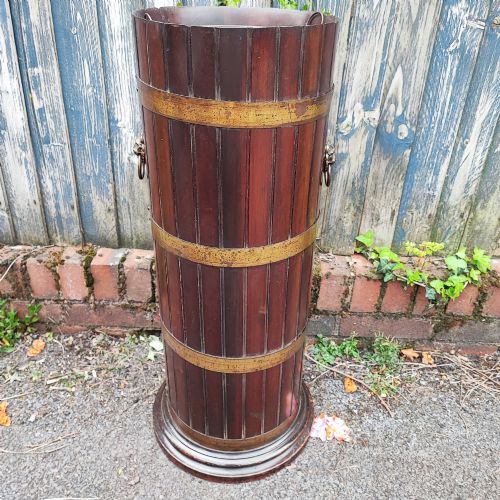
Fabulous Mahogany and Brass Country House Umbrella or Stick Stand, 1890
Priced at £1,425 from David Griffith Antiques
Wooden frames rely on traditional mortise and tenon joints. This joinery keeps the structure rigid despite the constant leverage from tall sticks.
Iron foundries used sand casting techniques. Workers poured molten metal into moulds created from carved wooden patterns.
Bentwood stands appeared in the late nineteenth century. Steam-bending allowed makers to form curved hooped tops from a single piece of beech.
"Some designs include special small clips. These hold delicate riding crops securely without letting them slide through the main grid."
"The cast iron patterns often hide intricate botanical details. You'll find ferns, oak leaves, and ivy vines woven into the metalwork."
"Antique stick stands occasionally double as hall seats. The structure incorporates a hinged wooden bench with the stick compartments built into the armrests."
Based on almost 25 years of Sellingantiques UK antique market data, Antique Stick Stands appeared 2970 times (out of 1,100,000 antiques) which gives it a rarity score of 55/100.
This score measures scarcity within the Sellingantiques archive only and is not a survey of the entire antiques market, so these statistics may not be indicative of the general availability of Antique Stick Stands elsewhere.
People do paint them. Cast iron takes modern metal paints well as long as the surface is prepared.
You have to remove any loose rust and flaking old paint first. A wire brush works best for this. Apply a good metal primer before the top coat to stop moisture getting back into the iron.
A flat-backed wooden stand is usually the most practical choice for a tight space. They sit flush against the skirting board and keep the footprint shallow.
Cast iron corner stands are another good option. They tuck away out of the main traffic route while still holding plenty of umbrellas.
No, they were designed to hold the water. The whole point was keeping puddles off the floorboards.
If you find a tray with holes, it has rusted through. You empty a good tray by lifting it out and pouring the water away.
Using a stand without a tray works fine if you only store dry walking sticks. It becomes a problem if you want to put wet umbrellas in it.
You can buy modern metal or plastic liners that fit into the base gap. Some people just find a suitable ceramic trough or roasting tin that drops into the space. It does the job well.
Please note: This Antique Stick Stands guide and its associated pricing data are provided for general informational purposes only. It does not constitute formal financial, investment, or appraisal advice and should not be relied upon as the sole basis for any commercial activity, purchasing, or sales decisions. Sellingantiques.co.uk accepts no liability for any actions taken in reliance on this information. Always consult with a qualified professional or independent appraiser.
