

A 2026 Guide by Sellingantiques
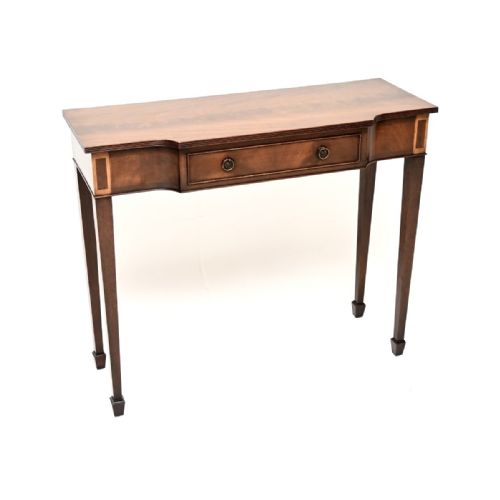
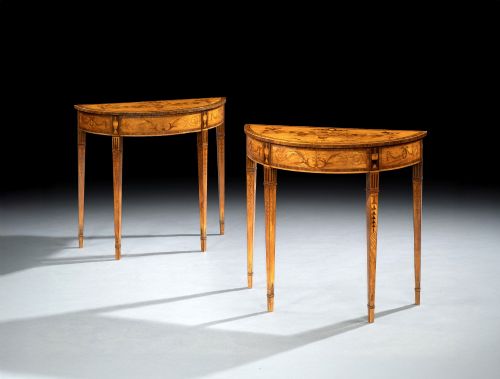
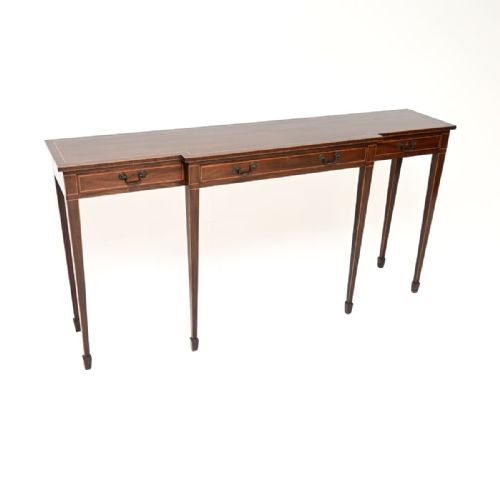
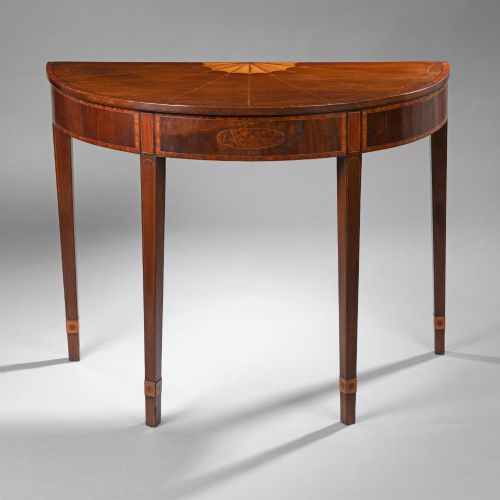
Georgian Period Demi-lune Console Table, Georgian
Priced at £465 from Brookside Antiques
Driven by changing social habits during the 1700s. People started drinking tea and playing cards more often.
The rise of dedicated dining rooms meant larger Georgian tables were needed. Families gathered around substantial mahogany pieces rather than eating in separate chambers.
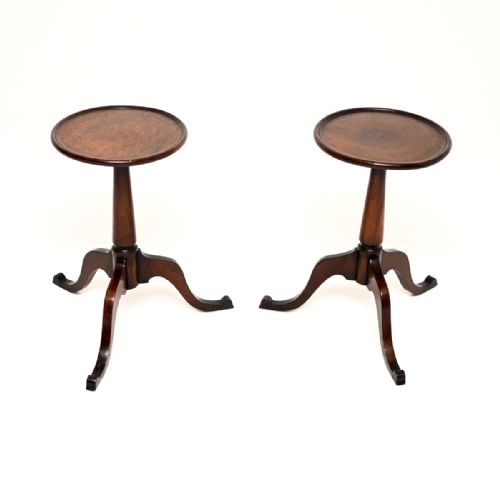
Look at the sheer variety of forms. You find everything from tiny tripod stands to massive extending dining room setups.
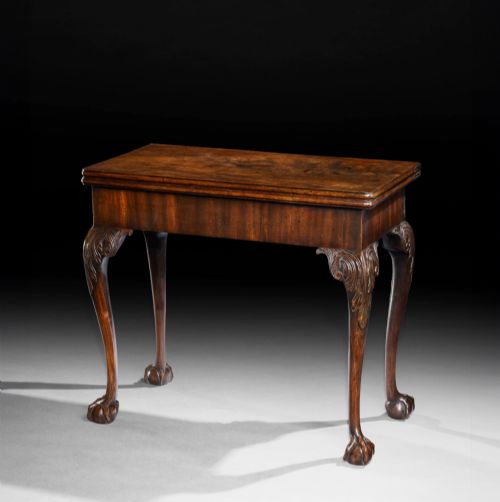
Early examples favour walnut with heavy ball and claw feet. Later ones shift towards lighter designs with tapering legs.
Gillows of Lancaster and London supplied many high-quality pieces between 1730 and 1840. They sometimes stamped their name on the top edge of a drawer.
Thomas Chippendale operated from St Martin's Lane during the mid-eighteenth century. His workshop produced documented extending dining tables for major estates.
Provincial craftsmen made the vast majority. These local tradesmen copied London pattern books but used regional timber and simplified the details.
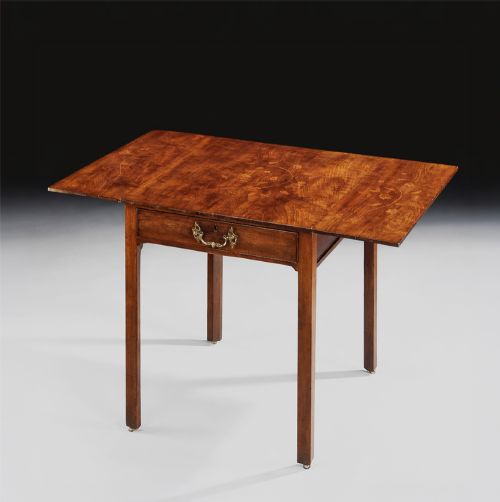
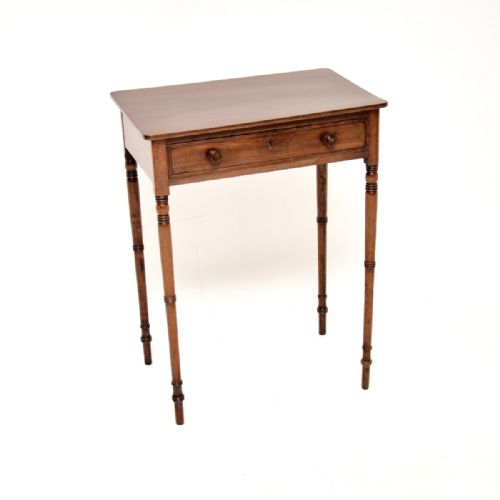
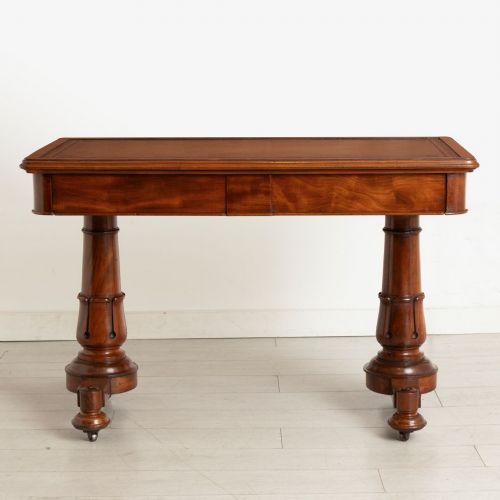
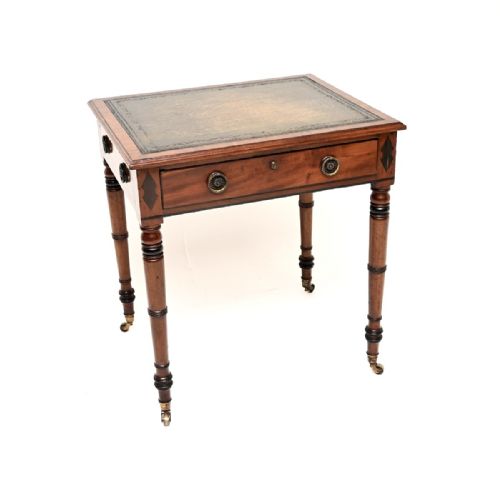
Elegant Late C18th George III Period Mahogany Side Table., Georgian
Priced at £475 from M Lees and Sons
The 2026 retail price guide for Georgian Tables is drawn from a proprietary archive of over 1.1 million retail prices indexed by Sellingantiques since 2003. This guide relies exclusively on their own internal data; no external sources or auction records are used.
Analysing nearly 25 years of UK antique market history alongside current retail values, the data indicates that typical UK retail prices for Georgian Tables range between £500 and £3,200. Entry-level prices generally fall under £500 and premium examples upwards of £3,200.
Drop leaves and tilt-top mechanisms are very common. They allowed owners to push the furniture against a wall when they weren't using it.
Check the feet. You might find brass castors on heavier pieces, or carved pad feet on earlier cabriole legs.
Crossbanding frequently frames the main top surface. This decorative border uses contrasting grain directions to catch the light.
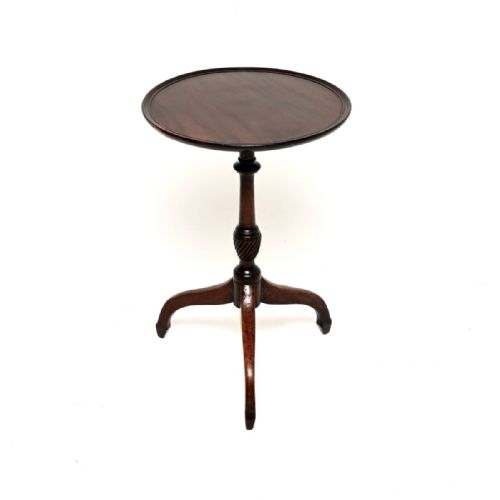
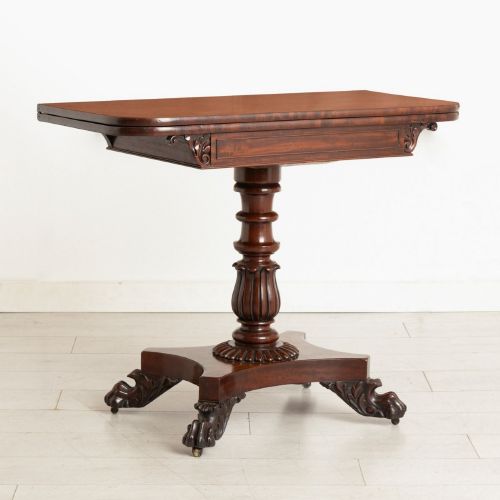
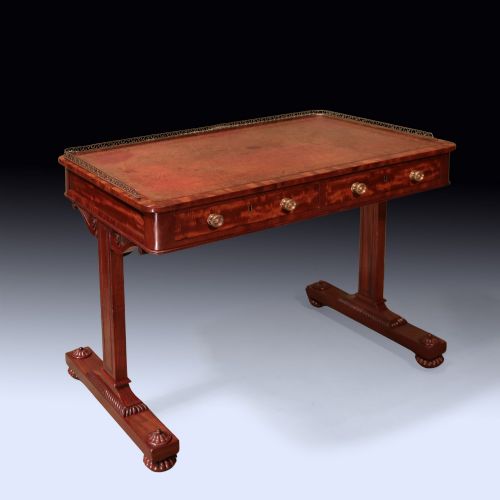
Georgian Mahogany Oval Drum Table, 18th Century
Priced at £2,450 from LTANTIQUES.CO.UK
Hand-cut dovetails hold the drawer boxes together. Early ones are thick and slightly coarse, while late eighteenth-century pins become narrow and precise.
Observe the jointing on wide tops. Craftsmen rubbed two boards together with hot animal glue to create a seamless, flat expanse without metal fixings.
The transition from carving to inlay marks a shift in workshop methods. Later makers used dyed boxwood stringing instead of relying on chisel work.
"The folding mechanisms still operate smoothly. Two-hundred-year-old brass hinges and wooden pivots often glide open with just a gentle push."
"Some gaming varieties contain hidden sliding wells. These discreet compartments held cards or counters right beneath the playing surface."
"Many modular dining setups can be separated into matching consoles. You can split one large piece to furnish two different rooms."
Based on almost 25 years of Sellingantiques UK antique market data, Georgian Tables appeared 16762 times (out of 1,100,000 antiques) which gives it a rarity score of 4/100.
This score measures scarcity within the Sellingantiques archive only and is not a survey of the entire antiques market, so these statistics may not be indicative of the general availability of Georgian Tables elsewhere.
Dust the surface with a dry cloth regularly. Avoid silicon-based spray polishes as they build up a cloudy layer over the old finish.
Apply a good quality beeswax once or twice a year. Buff it out firmly to protect the timber and feed the existing patina.
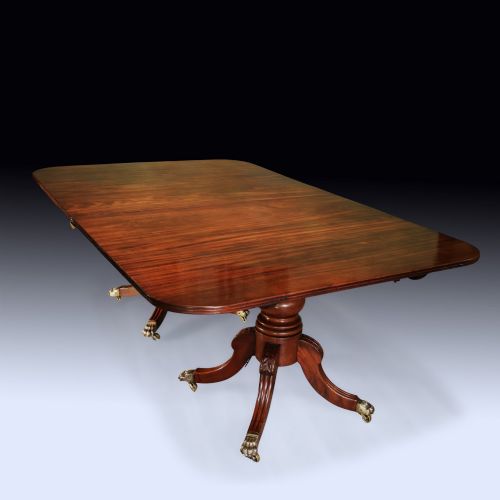
Many larger dining setups from this era actually sit on central pedestals rather than a rigid four-leg frame. A tripod or tetrapod base naturally finds its own level on uneven floors.
You might also consider a piece with adjustable brass castors. Some castors allow a tiny bit of play to settle the feet firmly.
Avoid solid six-leg frames if your floor is wavy. They struggle to sit flat without placing stress on the carcase joints.
Modern plates straight from a hot oven will damage a shellac or wax finish. Heat turns the polish white and leaves distinct rings in the surface.
Always use heat-resistant mats under warm dishes. If the meal is just standard dining temperature, a thick cloth offers enough protection for the timber underneath.
The hinges are designed to bear the weight of the leaves when dropped. Leaving them hanging vertically places no undue stress on the joints or the timber.
The rule joint actually supports the timber edge neatly. It prevents the leaf from swinging inwards or twisting on the brass hinges.
Problems usually only occur when the leaves are lifted without fully extending the gateleg underneath. Hanging down is their natural resting state.
Please note: This Georgian Tables guide and its associated pricing data are provided for general informational purposes only. It does not constitute formal financial, investment, or appraisal advice and should not be relied upon as the sole basis for any commercial activity, purchasing, or sales decisions. Sellingantiques.co.uk accepts no liability for any actions taken in reliance on this information. Always consult with a qualified professional or independent appraiser.
