

A 2026 Guide by Sellingantiques
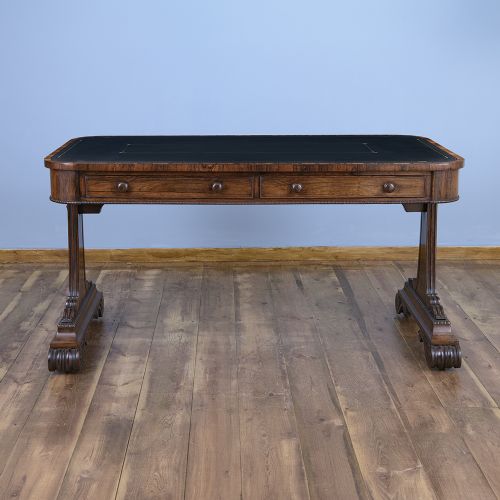
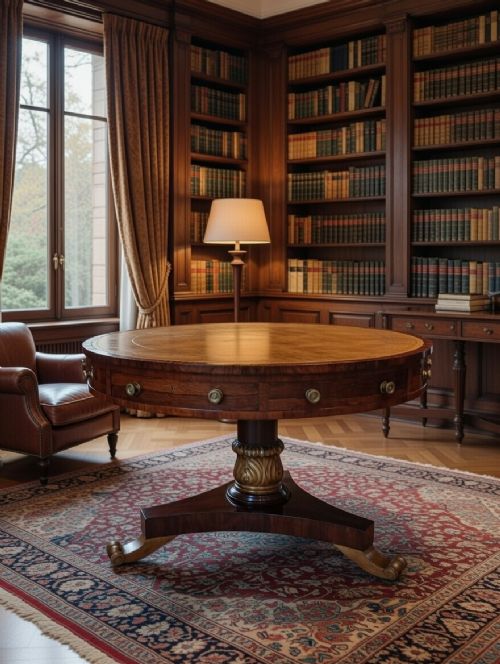
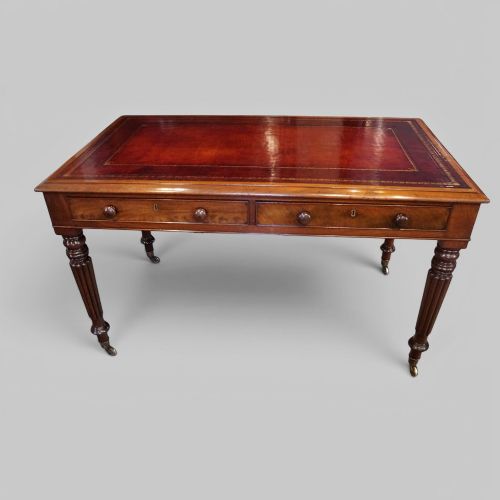
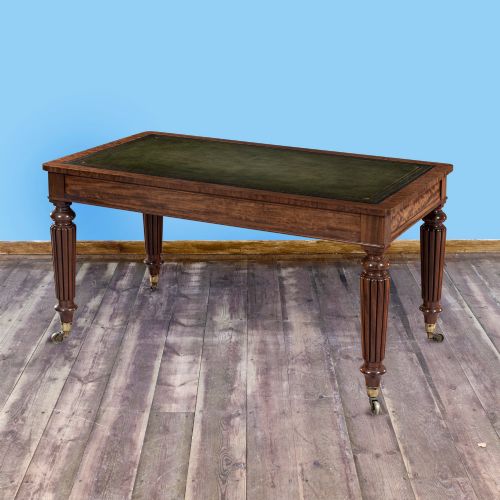
Late Regency Neoclassical Mahogany Library Table in the Manner of Richard Bridgens, Regency
Priced at £1,800 from The Antique Furniture Company
Emerged as a distinct furniture form during the mid-eighteenth century. Books were getting cheaper and private collections expanded, so country houses needed dedicated reading rooms with central desks for studying.
Look at Georgian examples. The expanding educated class drove demand for these freestanding antique library tables.
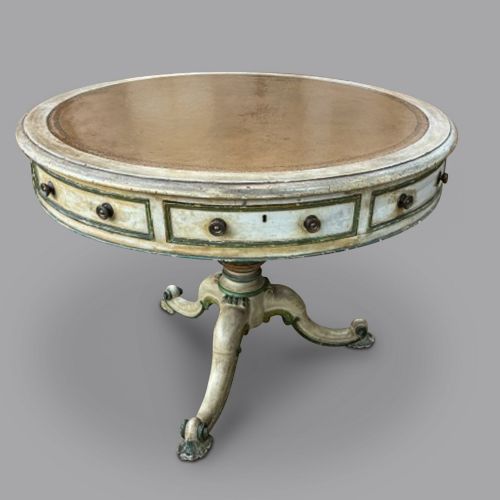
Regency designs often introduced circular or octagonal drum shapes. They allowed multiple people to consult maps or large folios together.
Victorian makers bulked them up. Heavy gothic and Renaissance revival styles became more common in institutional settings.
Gillows of Lancaster and London supplied hundreds of antique library tables. Their stamped examples often feature reeded legs.
Thomas Chippendale produced large pedestal variations for aristocratic clients. His documented pieces show exceptional mahogany selection.
Holland and Sons made heavy institutional versions later on. They frequently supplied government buildings and clubs.
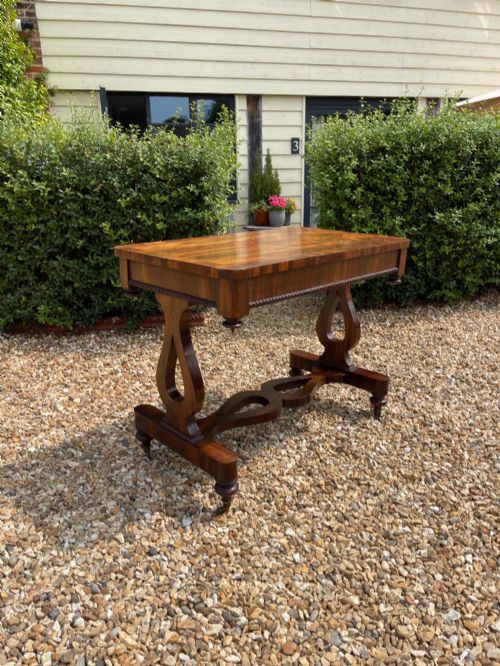
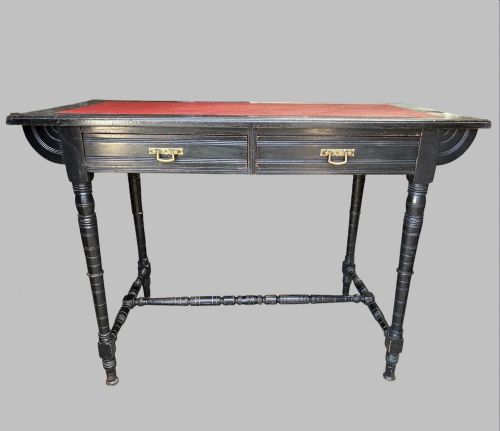
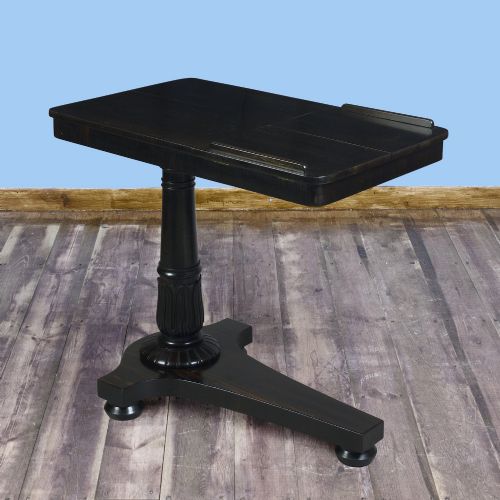
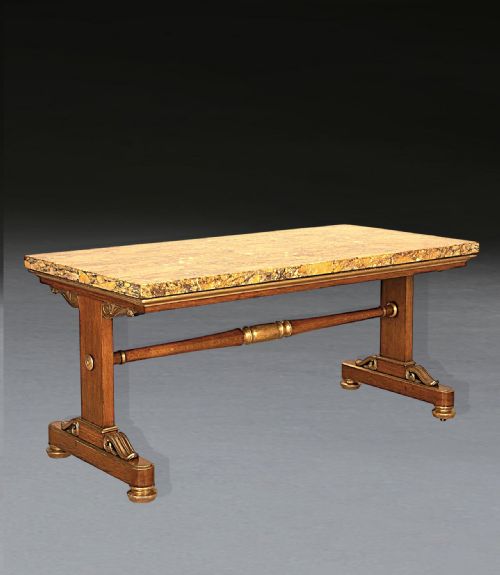
Regency Rosewood Library Writing Table, Regency
Priced at £895 from LTANTIQUES.CO.UK
The 2026 retail price guide for Antique Library Tables is drawn from a proprietary archive of over 1.1 million retail prices indexed by Sellingantiques since 2003. This guide relies exclusively on their own internal data; no external sources or auction records are used.
Analysing nearly 25 years of UK antique market history alongside current retail values, the data indicates that typical UK retail prices for Antique Library Tables range between £900 and £5,900. Entry-level prices generally fall under £900 and premium examples upwards of £5,900.
Finished on all sides. You will find blind drawers or dummy fronts on the reverse of rectangular models.
Generous tops provide ample flat space. Many incorporate rising reading slopes on ratchets or adjustable book rests for supporting heavy volumes during long periods of study.
Check the feet. Brass castors are standard, allowing servants to roll these heavy pieces across carpets for cleaning.

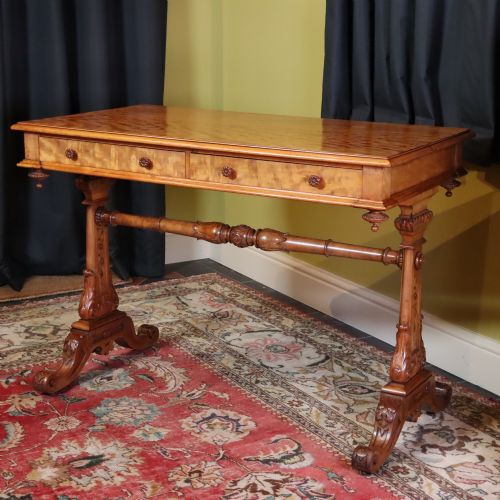
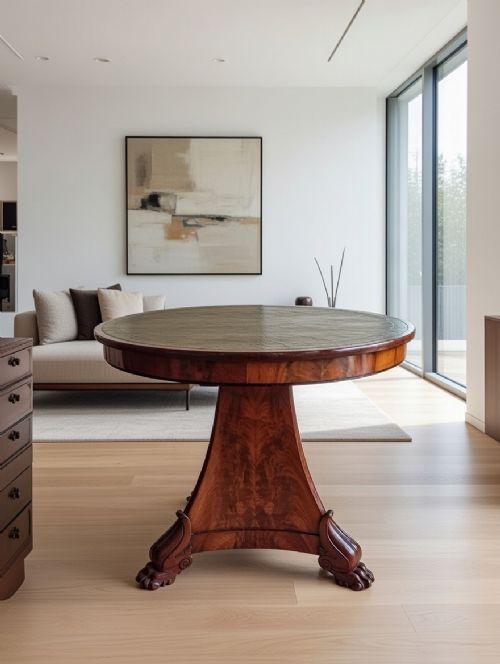
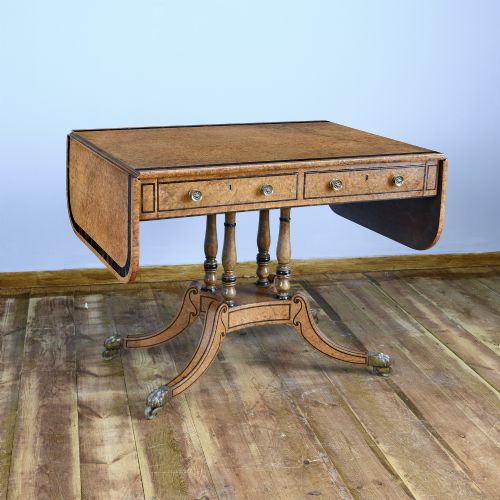
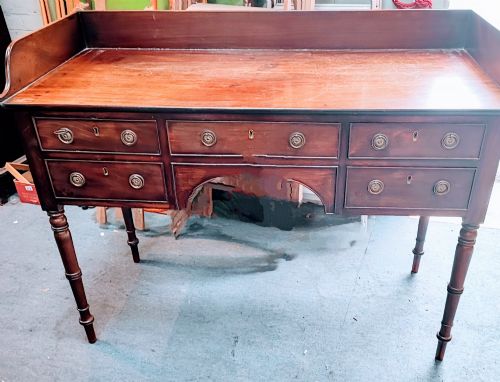
Victorian Burr Walnut Library Table by W J Mansell, 1870
Priced at £1,450 from Camden Antiques
Hand-cut dovetails join the drawer sides. Early versions show very fine pins, which grew thicker in late nineteenth-century factories.
Inspect the pedestals. Better craftsmen used thick solid mahogany for the plinths to stop them kicking out and splitting.
Veneering techniques evolved. Flame mahogany was laid over pine cores using hot animal glue and heavy cauls.
"Some hidden drawers spring open. Pressing a concealed wooden button releases a catch, revealing sections for letters."
"The revolving tops on circular models run on small brass rollers. This clever mechanism still works smoothly today."
"They often double as dining tables. The large flat surfaces provide plenty of room for informal meals."
Based on almost 25 years of Sellingantiques UK antique market data, Antique Library Tables appeared 4213 times (out of 1,100,000 antiques) which gives it a rarity score of 43/100.
This score measures scarcity within the Sellingantiques archive only and is not a survey of the entire antiques market, so these statistics may not be indicative of the general availability of Antique Library Tables elsewhere.
Yes, a damaged leather skiver is easy to replace. Bookbinders and specialist restorers supply new hides tooled with gilt borders.
They scrape out the old material and glue the fresh skin into the original recess. It gives the table an immediate lift.
You are looking at dummy drawers. Makers wanted antique library tables to look symmetrical from every angle because they sat in the middle of the room.
Working drawers only sit on one side, or they alternate. The handles on the solid panels are just bolted on for show.
Pulling at them will only stress the timber. Check the opposite side, and you will likely find the real working drawers.
Dust it with a dry cloth. If the polish looks dull, apply a thin coat of good beeswax every six months.
Leave the wax to harden for an hour before buffing it off with a soft duster. Avoid modern aerosol sprays, as the silicone builds up and smears the finish.
They belong there. Heavy nineteenth-century carcase furniture was almost always fitted with castors to help servants move it for sweeping.
Taking them off lowers the table. The proportions will look wrong, and you will likely find the kneehole height too tight for sitting comfortably.
Leave them on. If they dent your rug, buy small wooden castor cups to spread the weight.
Please note: This Antique Library Tables guide and its associated pricing data are provided for general informational purposes only. It does not constitute formal financial, investment, or appraisal advice and should not be relied upon as the sole basis for any commercial activity, purchasing, or sales decisions. Sellingantiques.co.uk accepts no liability for any actions taken in reliance on this information. Always consult with a qualified professional or independent appraiser.
