


A 2026 Guide by Sellingantiques
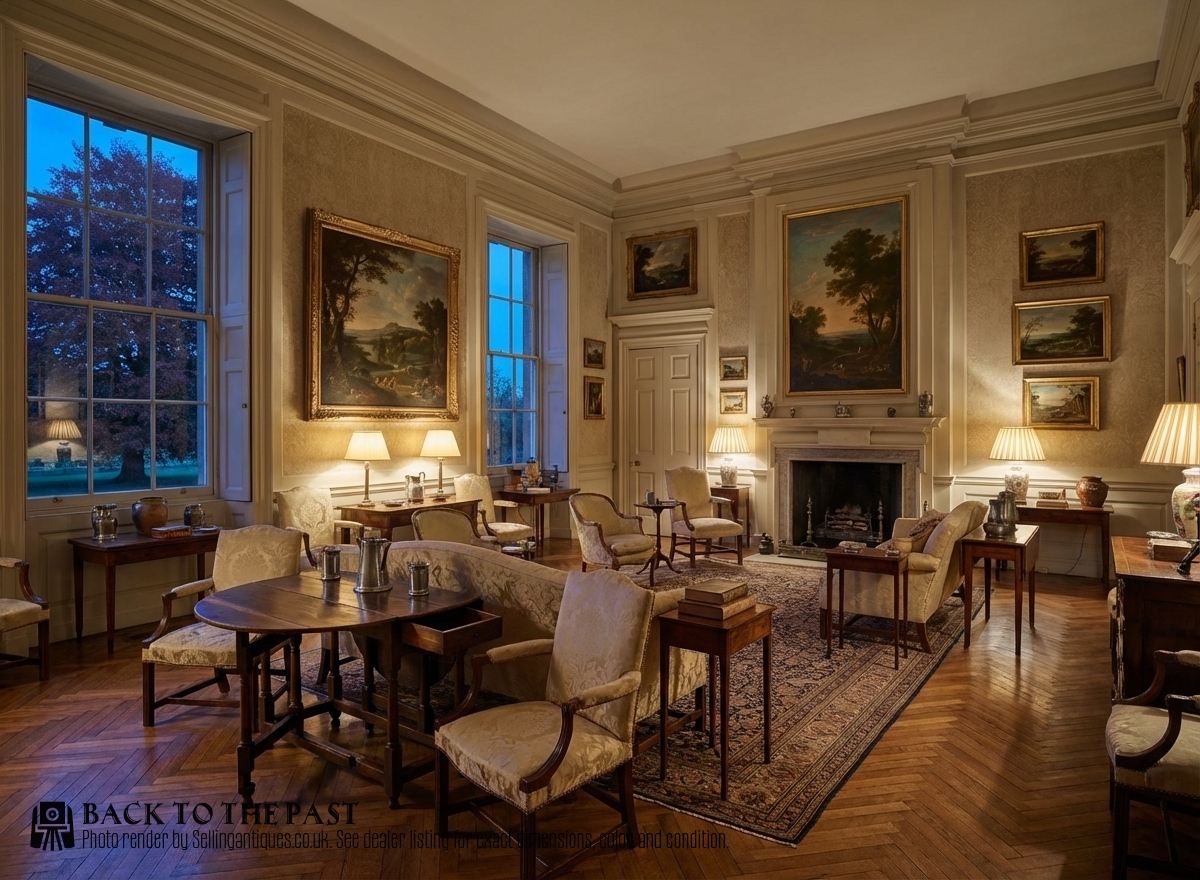
Early 18th Century Oak Gateleg Table with Superb Original Patina, 1700
Priced at £950 from LVS Decorative Arts
Demand for adaptable furniture drove the early design. They first appeared in the late sixteenth century.
Look at the social shifts of the seventeenth century. People began eating in smaller parlours rather than draughty communal halls, requiring tables that easily moved aside.
Ideal for cramped townhouses. The ability to drop the leaves and push an antique gateleg table against a wall transformed domestic living.
Track the provincial trade. Country households kept ordering these long after fashionable London homes moved on to mahogany pedestals.
Named makers rarely appear on early oak furniture. The trade relied on countless unrecorded joiners working to local traditions.
Distinct regional turning patterns exist. A Yorkshire joiner used different lathe profiles for the legs than a craftsman in Wales or East Anglia.
Investigate the construction methods instead of searching for stamps. Local guild practices dictate how the framing was pegged together.
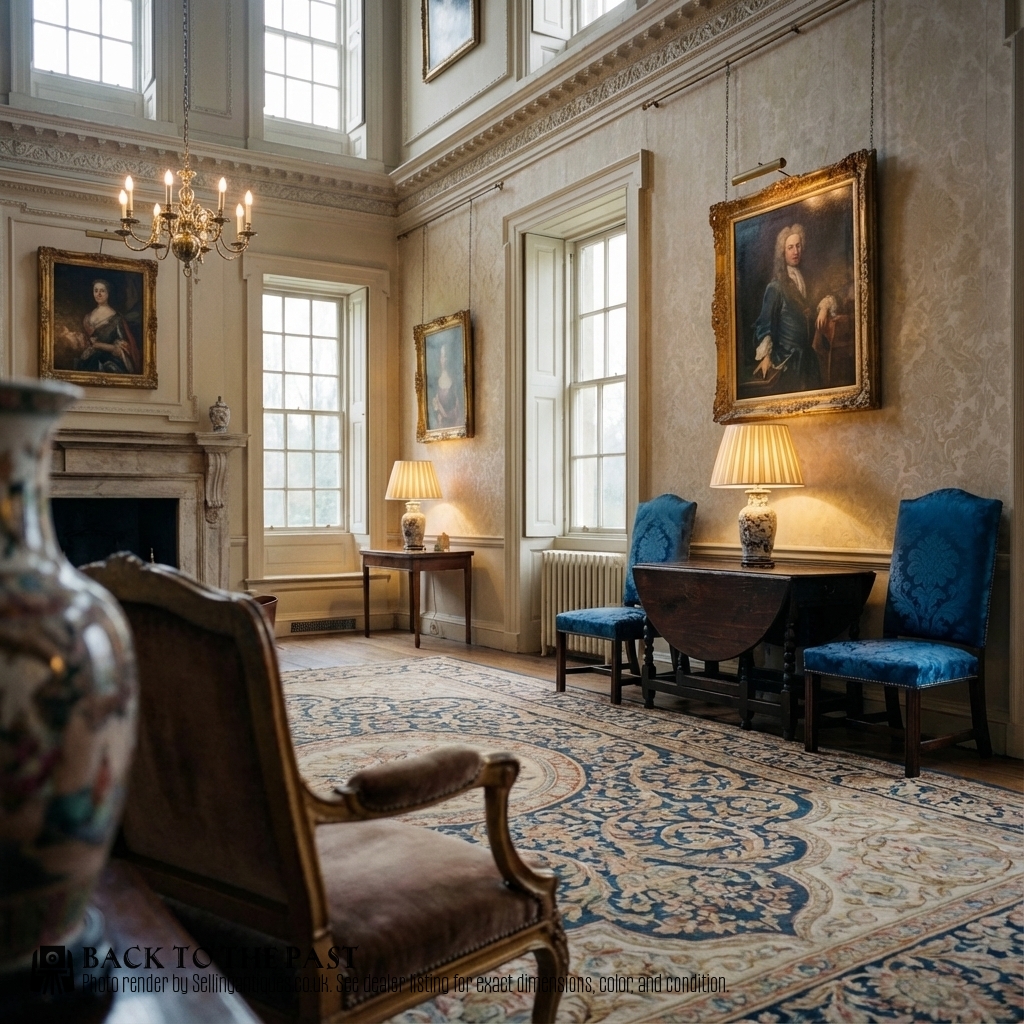
Oak Gateleg Table Late 17th Century (Charles Ii), 17th Century
Priced at £1,200 from M Cross Antiques
The 2026 retail price guide for Antique Gateleg Tables is drawn from a proprietary archive of over 1.1 million retail prices indexed by Sellingantiques since 2003. This guide relies exclusively on their own internal data; no external sources or auction records are used.
Analysing nearly 25 years of UK antique market history alongside current retail values, the data indicates that typical UK retail prices for Antique Gateleg Tables range between £400 and £2,300. Entry-level prices generally fall under £400 and premium examples upwards of £2,300.
Two hinged leaves flank a fixed central top. The central board sits securely on a rigid rectangular base.
Pivoting wooden gates swing outward. These hinged frames support the heavy leaves when fully extended for dining.
Notice the rule joints on later antique gateleg tables. This interlocking curved edge keeps the tabletop flush and hides the iron hinges.
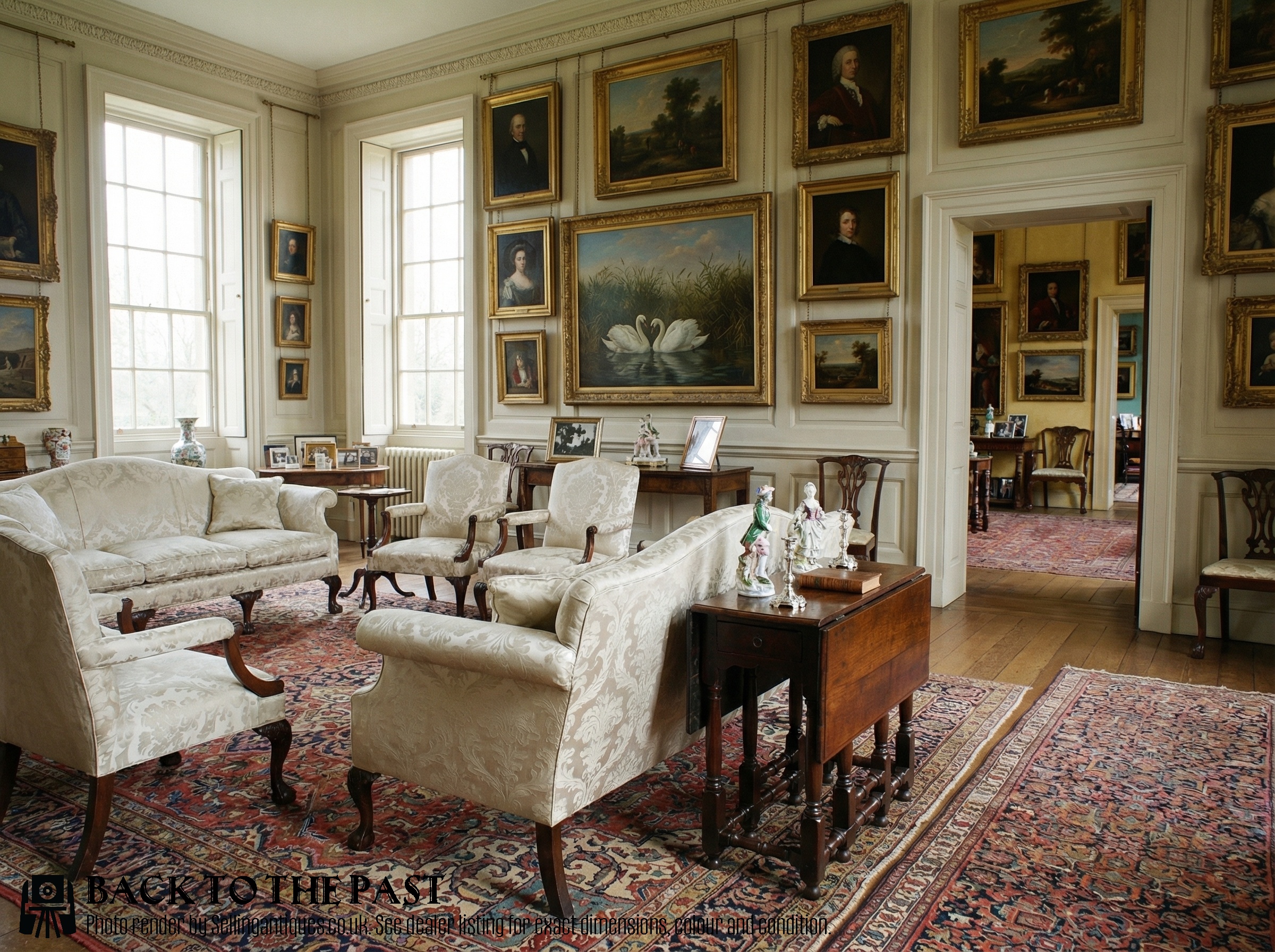
Late 17th Century Walnut Gateleg Table, 17th Century
Priced at £1,600 from Dickinsons Antiques
Early joints rely entirely on wooden pegs. Draw-boring pulled the mortise and tenon tight before the oak peg was driven home.
Lathe technology dictated leg profiles. As pole lathes improved, the heavy baluster turnings gave way to slender, complex barley-twist designs.
Iron butterfly hinges were swapped for hidden steel variants. Joiners adapted their hardware as the flush rule joint became standard practice.
"Small versions exist for serving tea. These miniature frames required skill to balance the moving gates without tipping."
"Some feature hidden compartments. A shallow drawer tucked into the fixed central frame often provided storage for cutlery or linens."
"The earliest examples were painted. Traces of original red or black pigment sometimes survive deep in the turning crevices."
Based on almost 25 years of Sellingantiques UK antique market data, Antique Gateleg Tables appeared 1480 times (out of 1,100,000 antiques) which gives it a rarity score of 74/100.
This score measures scarcity within the Sellingantiques archive only and is not a survey of the entire antiques market, so these statistics may not be indicative of the general availability of Antique Gateleg Tables elsewhere.
Feed the timber with a good quality beeswax polish. Apply it sparingly with a soft cloth and leave it overnight to sink into the grain.
Buff the surface the next morning using a clean duster. Avoid aerosol sprays because the silicone content ruins the early patina.
A slightly uneven floor often causes a wobble when the gates are open. The rigid frame cannot flex to accommodate dips in the floorboards.
Place a discrete felt pad under the floating leg. Many old floors are uneven, and a simple pad prevents the drop leaf from sagging while protecting your floor from the timber.
Check the hinges if the leaf still dips. Sometimes the wobble comes from loose screws rather than the floor.
White rings sit in the surface wax rather than the wood itself. A brisk rub with a dark beeswax polish often lifts light blooming.
Leave darker stains alone. Stripping an antique gateleg table destroys the accumulated surface colour and exposes raw timber.
The central frame is permanently fixed. Joiners drove wooden pegs through the mortise and tenon joints, locking the base together for good.
Measure your doorways before buying. You can usually tilt a standard antique gateleg table sideways and angle the narrow central frame through most domestic door frames.
Please note: This Antique Gateleg Tables guide and its associated pricing data are provided for general informational purposes only. It does not constitute formal financial, investment, or appraisal advice and should not be relied upon as the sole basis for any commercial activity, purchasing, or sales decisions. Sellingantiques.co.uk accepts no liability for any actions taken in reliance on this information. Always consult with a qualified professional or independent appraiser.
