





A 2026 Guide by Sellingantiques

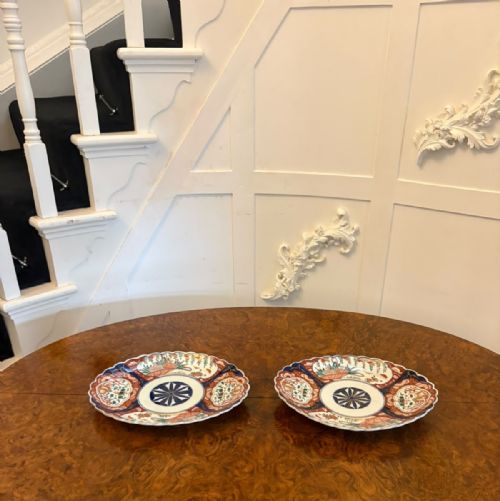
Outstanding Quality Pair of Antique Japanese Imari Chargers, 1900
Priced at £1,125 from Unique Antiques by Emma Jade
Serving feasts in the seventeenth century required massive plates. These early antique chargers carried roasted meats from the kitchen fire directly to the banqueting table.
Notice how sizes shrank over the eighteenth century. Dining habits shifted towards individual portions and smaller serving dishes became much more practical for households.
Wealthy families kept armorial pieces on open dressers just to show off.
Display eventually overtook function. Late Victorian examples hung on dining room walls rather than ever seeing a carving knife.
Thomas Toft produced decorated slipware chargers in Staffordshire during the late seventeenth century. His cross-hatched rims frame large central motifs like pelicans or royal coats of arms.
London pewterers like Sadlers stamped their wares with clear touchmarks. Look for these guild stamps clustered on the reverse of the rim.
Identifying specific regional craftsmen proves difficult. Many provincial metalworkers relied on apprentices and rarely marked their daily output.

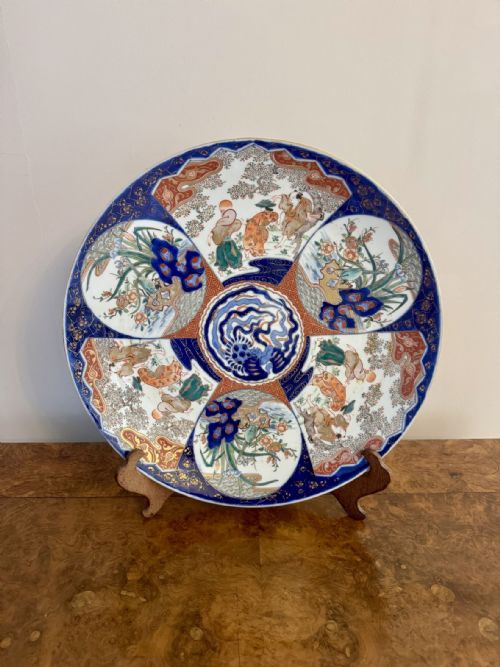
Rare Mason's Ironstone Oriental-style Charger, 19th Century
Priced at £1,600 from WelshAntiques
The 2026 retail price guide for Antique Chargers is drawn from a proprietary archive of over 1.1 million retail prices indexed by Sellingantiques since 2003. This guide relies exclusively on their own internal data; no external sources or auction records are used.
Analysing nearly 25 years of UK antique market history alongside current retail values, the data indicates that typical UK retail prices for Antique Chargers range between £300 and £1,500. Entry-level prices generally fall under £300 and premium examples upwards of £1,500.
A wide, flat central well defines the classic antique charger. This broad space allowed easy carving and portioning.
Raised borders stop meat juices from spilling over the edge. Some rims curve upwards gently while others have a sharp folded profile.
Heavy foot rims give ceramic versions stability. Metal examples usually sit flat on their cast base.

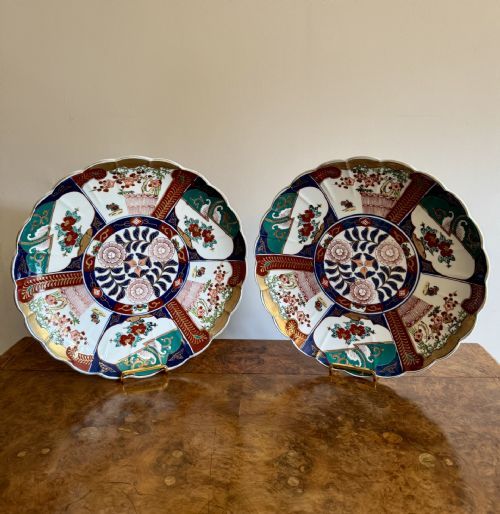
A Good and Large Imari Charger Meiji Peroid, Victorian
Priced at £450 from Frank Craig Antiques
Sand casting formed early brass and pewter pieces. Molten metal poured into prepared moulds yielded heavy vessels requiring extensive finishing.
Later production shifted to spinning metal over wooden blocks. A worker uses a lathe to press sheet brass into lighter shapes.
Look closely at tin-glazed earthenware. Painters applied cobalt oxides directly onto the unfired powdery glaze, demanding fast and confident brushwork.
"Some large metal platters doubled as oven doors. Families slid them over the opening of bread ovens to trap heat during baking."
"The grandest silver examples served as mirrors when stood upright on a sideboard. Their polished surfaces reflected candlelight around dark dining halls."
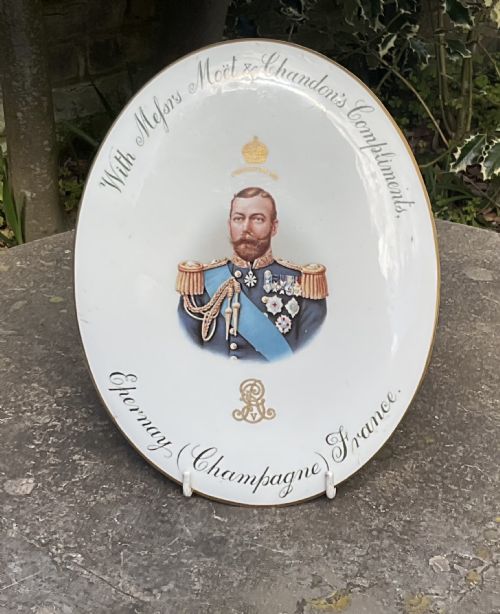
"Many slipware pieces celebrate royal events. Potters often incorporated crowns and initials into the clay to mark coronations or royal weddings."
Based on almost 25 years of Sellingantiques UK antique market data, Antique Chargers appeared 2377 times (out of 1,100,000 antiques) which gives it a rarity score of 62/100.
This score measures scarcity within the Sellingantiques archive only and is not a survey of the entire antiques market, so these statistics may not be indicative of the general availability of Antique Chargers elsewhere.
Wash them in warm soapy water and dry immediately. Never put early metalware in a dishwasher as the harsh chemicals strip the surface.
Leave the dark grey oxidation alone. Over-polishing removes centuries of natural patina and leaves the metal looking stark.
Those green spots are verdigris, a reaction between the copper in the brass and acidic air or food. It is mildly toxic and should not touch anything you plan to eat.
Clean the affected areas with a mild acid like lemon juice before washing thoroughly. If you want to serve fruit, lay a cloth napkin over the metal first to create a safe barrier.
Earthenware handles warm food well but sudden temperature changes risk cracking the clay body. Always warm the dish gradually before serving hot meals.
Remember that the glaze is quite brittle. Metal serving utensils chip the surface easily, so use wooden spoons when portioning out food.
Many started life on the dining table. Before the nineteenth century, households used them daily for serving meats and pies.
Attaching wire to the back became a common practice much later. Victorians loved covering their dining room walls with old pottery. They drilled small holes in the foot ring or bent thick wire around the rim to display pieces that had survived intact.
If the piece has deep knife marks in the centre, it certainly saw action in a busy kitchen before becoming a wall ornament.
Please note: This Antique Chargers guide and its associated pricing data are provided for general informational purposes only. It does not constitute formal financial, investment, or appraisal advice and should not be relied upon as the sole basis for any commercial activity, purchasing, or sales decisions. Sellingantiques.co.uk accepts no liability for any actions taken in reliance on this information. Always consult with a qualified professional or independent appraiser.
