


A 2026 Guide by Sellingantiques
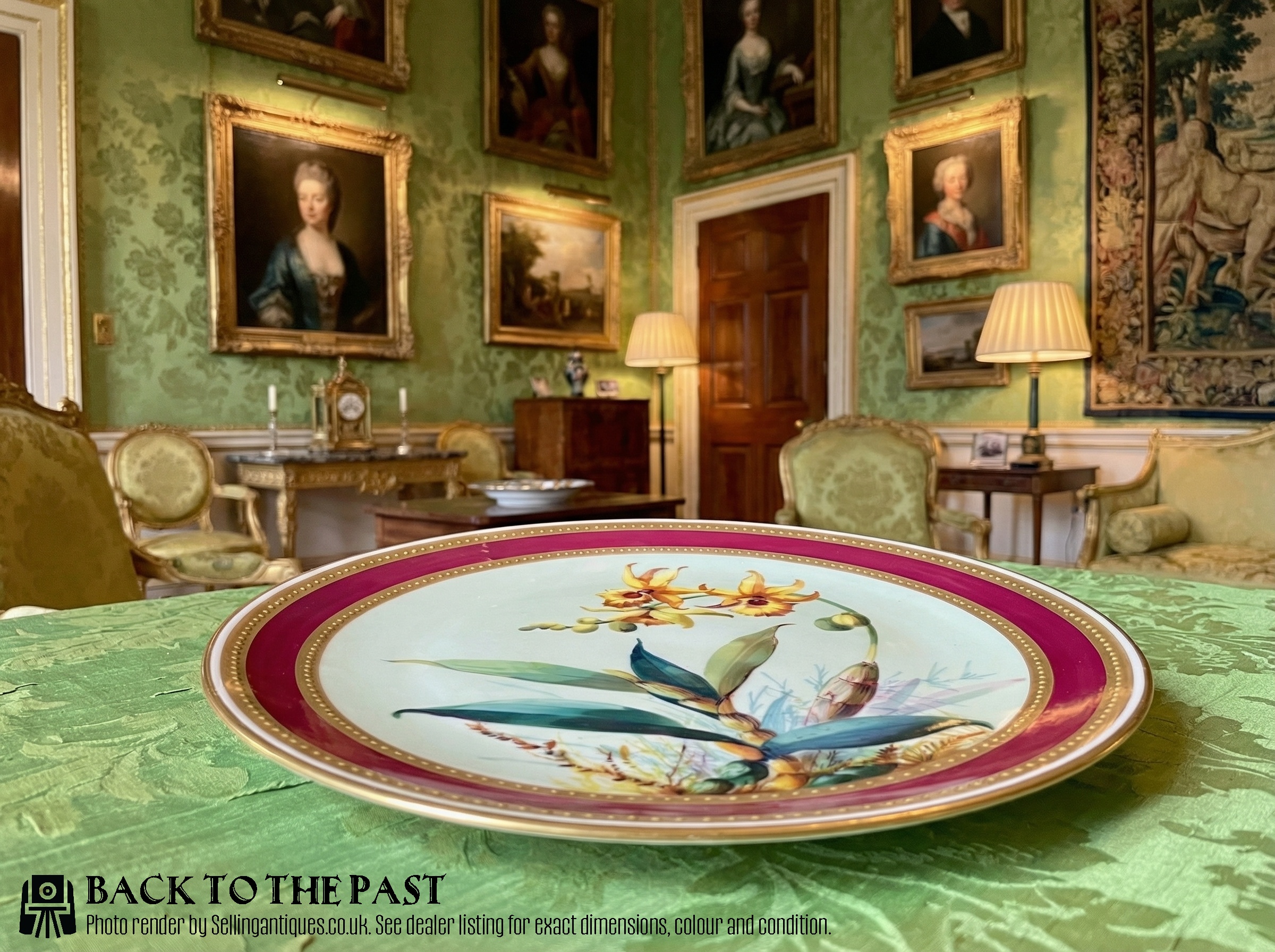
Beautiful Orchid Painted Tazza Comport Thomas Moorcroft for E.j.d Bodley, C 1870, 1870
Priced at £225 from Touch of Time Antiques
Renaissance Italy gave us the earliest recorded forms of these vessels.
Antique tazzas often served as drinking cups before evolving into display dishes for dry goods.
Look at seventeenth-century Dutch banquet paintings. You'll often spot a silver or glass tazza holding fruit.
Formal dining changes in the nineteenth century shifted them from individual place settings to grand centrepieces.
Paul de Lamerie produced heavy silver tazzas during his London working period from 1712 to 1751, applying intricate cast borders.
Venetian glassmaker Salviati revived complex blown glass versions in the late nineteenth century, mimicking earlier forms.
Wedgwood made ceramic examples in the late eighteenth century. These creamware pieces often featured pierced rims.
The 2026 retail price guide for Antique Tazzas is drawn from a proprietary archive of over 1.1 million retail prices indexed by Sellingantiques since 2003. This guide relies exclusively on their own internal data; no external sources or auction records are used.
Analysing nearly 25 years of UK antique market history alongside current retail values, the data indicates that typical UK retail prices for Antique Tazzas range between £300 and £2,600. Entry-level prices generally fall under £300 and premium examples upwards of £2,600.
The shallow top dish defines the form. It must be wide enough to display contents rather than conceal them like a standard bowl.
A central supporting column elevates the dish. Sometimes this stem incorporates swollen knops for better grip when passed around a table.
Check the spreading foot. This broad base provides necessary stability to counterbalance the heavy rim above.
Early silver versions were hand-raised from a single flat sheet of bullion. This required repeated hammering over an anvil.
Glass makers frequently blew the bowl and base separately before joining them at the stem while the material remained hot.
Inspect cast bronze models. The makers poured molten metal into sand moulds before chasing the cooled surfaces and applying dark patination.
"Many were originally stacked. A smaller tazza sat directly inside a larger one to build an impressive tiered dessert pyramid."
"The shallow shape deliberately showcased wealth. It forced the host to display expensive imported fruits in a single, visible layer."
"You can occasionally detach the bowls. Some silver examples have threaded stems so the dish packs flat for travelling."
Based on almost 25 years of Sellingantiques UK antique market data, Antique Tazzas appeared 1209 times (out of 1,100,000 antiques) which gives it a rarity score of 79/100.
This score measures scarcity within the Sellingantiques archive only and is not a survey of the entire antiques market, so these statistics may not be indicative of the general availability of Antique Tazzas elsewhere.
The distinction comes down to the depth of the bowl. A compote typically features a deeper, curved vessel designed to hold wet desserts or stewed fruits.
A tazza rests much flatter. The dish remains shallow, built primarily for dry items like sweetmeats or uncut fruit that benefit from a wide display surface.
Wash it by hand in warm soapy water. Dry it immediately with a soft cotton cloth to prevent water spots forming on the wide flat dish.
Only use silver polish when tarnish actually develops. Frequent abrasive polishing will slowly wear away any engraved decoration on the bowl.
That folded rim provides structural strength. Glassmakers often turned the hot edge over on itself to double the thickness at the most vulnerable point, helping it survive regular knocks on the dining table.
It also gives a smoother surface for handling. When servants passed these heavy pieces down a long banqueting table, a thick, rounded edge offered a much safer grip than a sharp, sheared rim.
Serving food on them is exactly what they were made for. Modern stainless steel knives are harder than older silver flatware and can easily scratch a soft ceramic glaze.
Stick to serving items that do not require cutting in the dish. Arranging whole fruits or small baked goods keeps the piece functional without risking deep gouges across the display surface.
If you need to serve something sticky, lay down a small linen doily first. This protects the glaze and makes washing up much simpler afterwards.
Please note: This Antique Tazzas guide and its associated pricing data are provided for general informational purposes only. It does not constitute formal financial, investment, or appraisal advice and should not be relied upon as the sole basis for any commercial activity, purchasing, or sales decisions. Sellingantiques.co.uk accepts no liability for any actions taken in reliance on this information. Always consult with a qualified professional or independent appraiser.
