



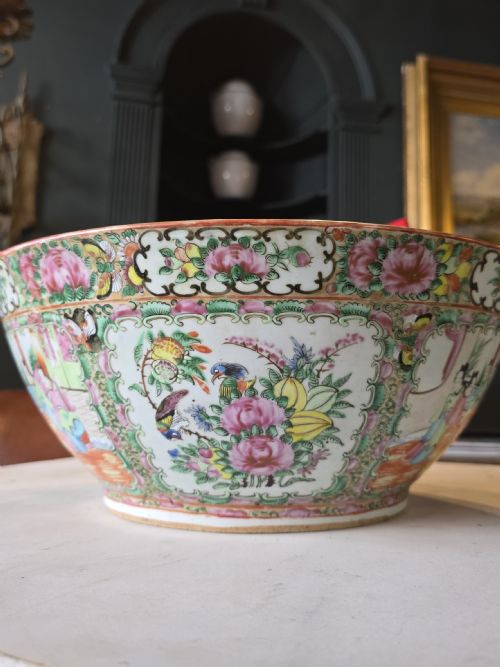


A 2026 Guide by Sellingantiques
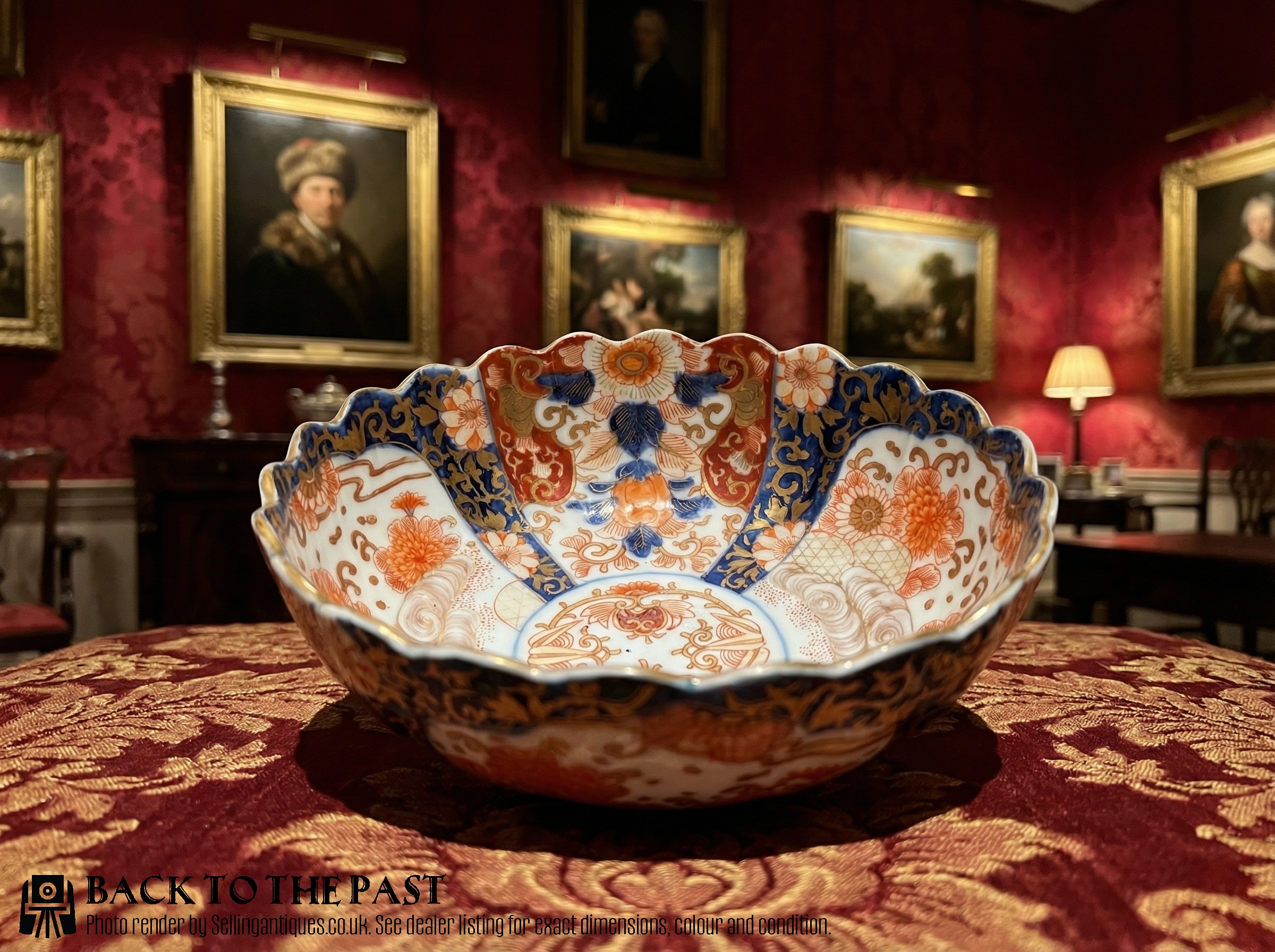
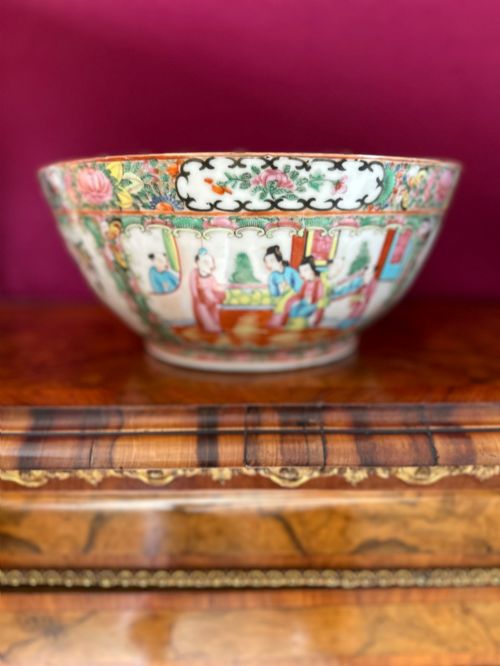
Japanese Meiji Porcelain Imari Bowl, 1900
Priced at £75 from Rams Head Antiques
Early examples from the sixteenth century were often carved from local ash or elm.
Trade routes expanded the variety of antique bowls turning up in European households.
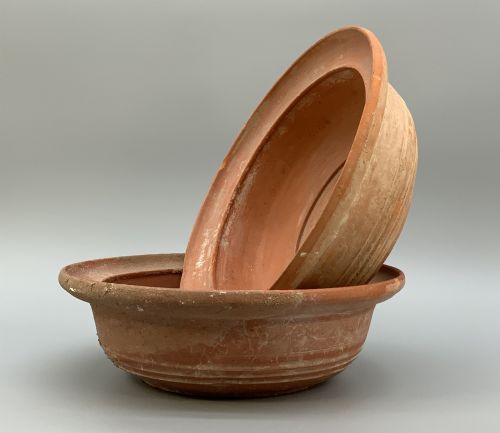
Check the foot rim. Earthenware vessels were turned out by the thousand for domestic kitchens across Britain.
Metalwork pieces shifted from robust pewter to fine sterling silver as dining habits formalised.
Most households owned a mix of materials depending on their social standing and daily needs.
Few early wooden vessels carry marks, leaving most treen pieces attributed vaguely to regional lathe workers.
Eighteenth-century porcelain factories like Bow and Worcester frequently marked their wares with distinct underglaze blue symbols.
Silversmiths such as Paul de Lamerie stamped their output with strict hallmarking protocols to guarantee the alloy standard.

Antique Royal Crown Derby “Imari”, 1920
Priced at £205 from Antoinettes Heirlooms
The 2026 retail price guide for Antique Bowls is drawn from a proprietary archive of over 1.1 million retail prices indexed by Sellingantiques since 2003. This guide relies exclusively on their own internal data; no external sources or auction records are used.
Analysing nearly 25 years of UK antique market history alongside current retail values, the data indicates that typical UK retail prices for Antique Bowls range between £200 and £1,300. Entry-level prices generally fall under £200 and premium examples upwards of £1,300.
The profile of the rim dictates how a bowl functions, deciding whether it pours liquids or holds dry goods.
Turn it over. A well-defined foot ring lifts the base away from the table surface to prevent heat transfer.
Handles appear on specific forms like porringers or caudle cups to help pass hot contents between diners.
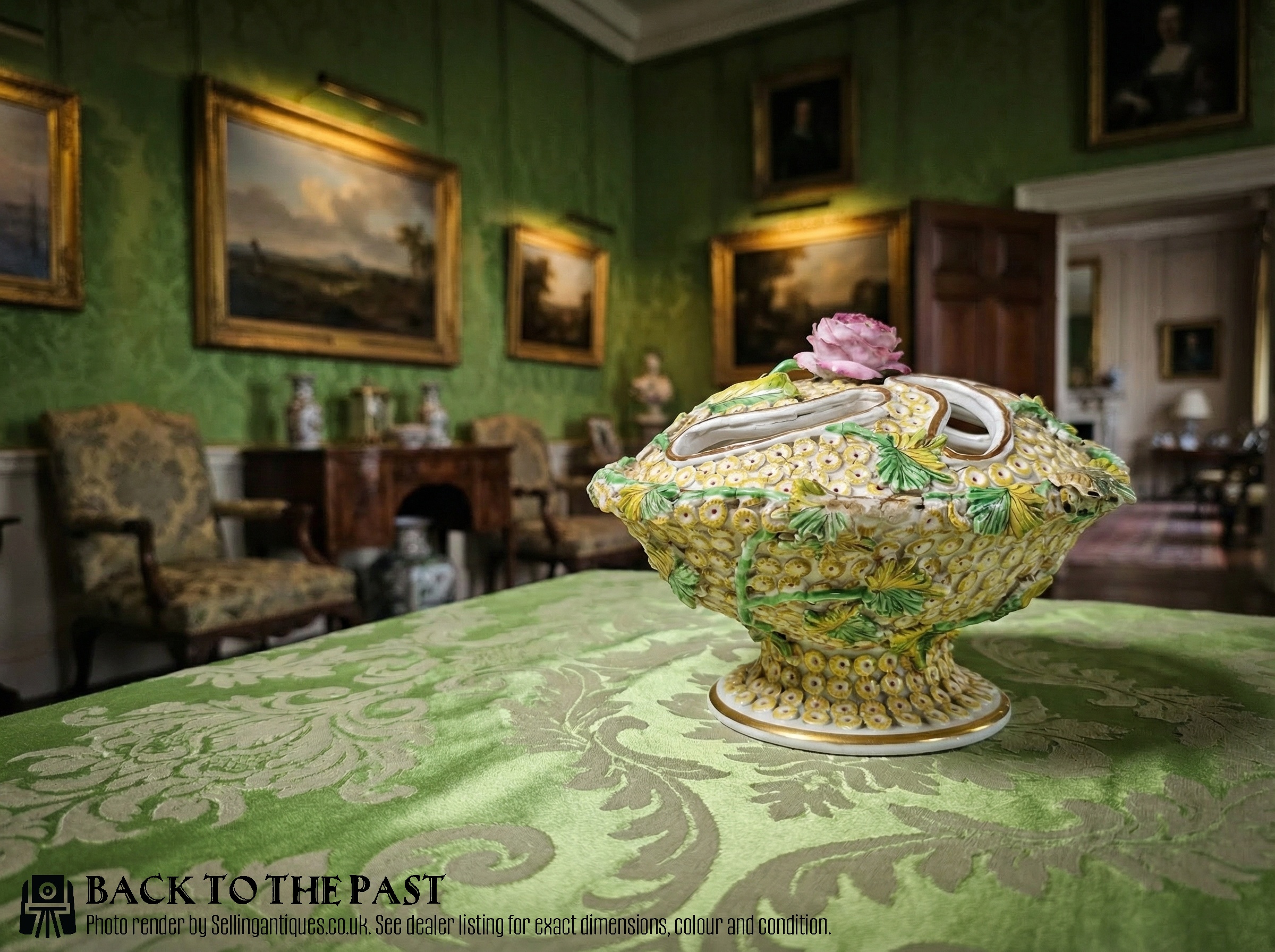
Rare Spode Flower-encrusted Potpourri Bowl & Cover C1830, 19th Century
Priced at £80 from Lee Sherman Antiques
Pole lathes allowed early turners to shape green wood rapidly before it seasoned and shrank.
Throwing clay on a wheel requires steady hands to achieve thin walls without the structure collapsing under its own weight.
Raised silver vessels begin as flat sheets, hammered repeatedly over shaped anvils to form the deep curved profile.
"Some large communal vessels were passed around the table from person to person during ceremonial toasts."
"The varied regional soil compositions across Britain resulted in distinct glaze colours that help identify where a pot was fired."
"Sycamore was favoured for dairy bowls because the wood imparts no unwanted flavours to milk or butter."
Based on almost 25 years of Sellingantiques UK antique market data, Antique Bowls appeared 12572 times (out of 1,100,000 antiques) which gives it a rarity score of 8/100.
This score measures scarcity within the Sellingantiques archive only and is not a survey of the entire antiques market, so these statistics may not be indicative of the general availability of Antique Bowls elsewhere.
They held mixed alcoholic drinks for communal serving at social gatherings. The host would ladle the punch into smaller individual cups for the guests.
Large examples often became the centrepiece of a table. Men's clubs and affluent households kept them ready for long evenings of drinking and conversation.
Wooden bowls dry out when kept in modern heated homes. A food-safe mineral oil helps feed the timber and keeps the surface supple.
Apply a light coat with a cloth and let it soak in overnight. Wipe away any excess the next morning.
Never leave them soaking in water or put them near a direct heat source. That forces the grain to expand and contract too quickly, leading to splits.
Some materials are safe for food while others are better kept for display. Glazed ceramics and silver are generally fine for dry goods or fruit.
Acidic foods can react badly with copper or brass. If the interior glaze on an earthenware piece is heavily crazed, moisture can seep into the porous clay body.
A simple wash in warm soapy water with a soft cloth removes everyday dust and grease. Dry it immediately with a soft towel to prevent water spots forming on the metal.
Mild silver dips or wadding can tackle heavy tarnish. Abrasive polishes do slowly wear away the surface layer of silver over the decades, especially on raised decoration.
Please note: This Antique Bowls guide and its associated pricing data are provided for general informational purposes only. It does not constitute formal financial, investment, or appraisal advice and should not be relied upon as the sole basis for any commercial activity, purchasing, or sales decisions. Sellingantiques.co.uk accepts no liability for any actions taken in reliance on this information. Always consult with a qualified professional or independent appraiser.

