You can contact us with the problem you are having and we will investigate.
Stripe Online Payments
Sellingantiques have now partnered with Stripe card processing to give you a seamless purchase experience of antiques on sellingantiques.
Millions of companies of all sizes use Stripe online to accept payments and is the worlds No.1 payment gateway.
So how does it work: Look for the button in the antique details page to instantly purchase antiques from dealers who have activated Stripe online payments.
You can now easily filter and show antiques that only have this option enabled.
Using this button notifies us immediately that you have purchased this item. Once you have made the payment we will instantly mark it as sold to ensure that no one else can buy it.
Discounts can also be made available.
We are always improving the purchase experience for both buyer and seller and more and more dealers are enabling this option each week.
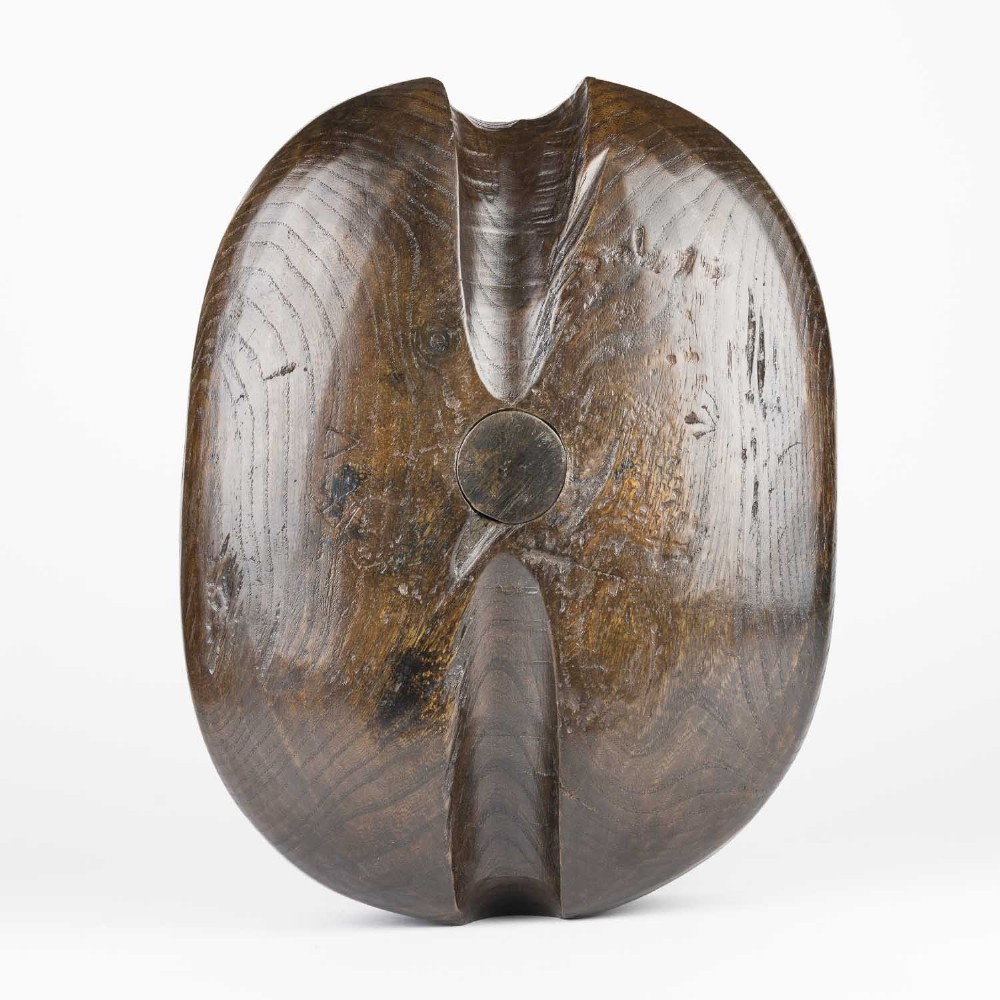
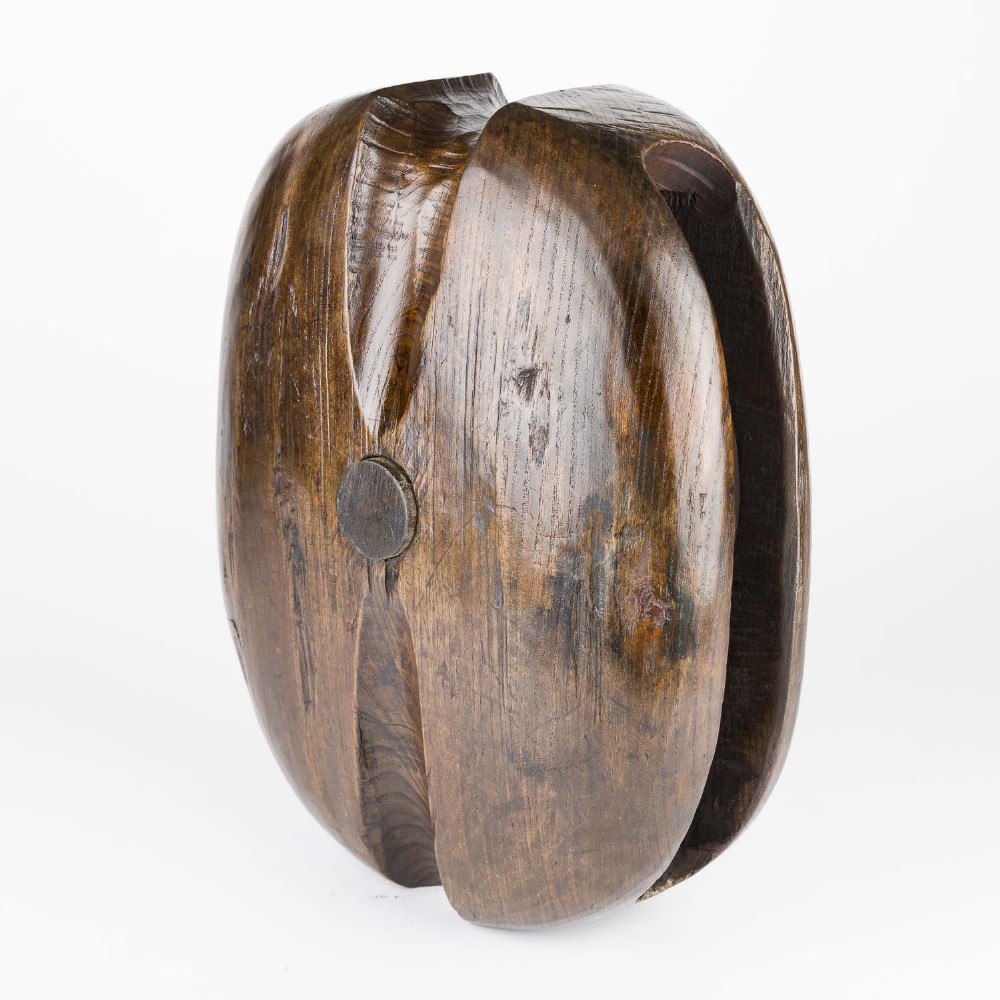
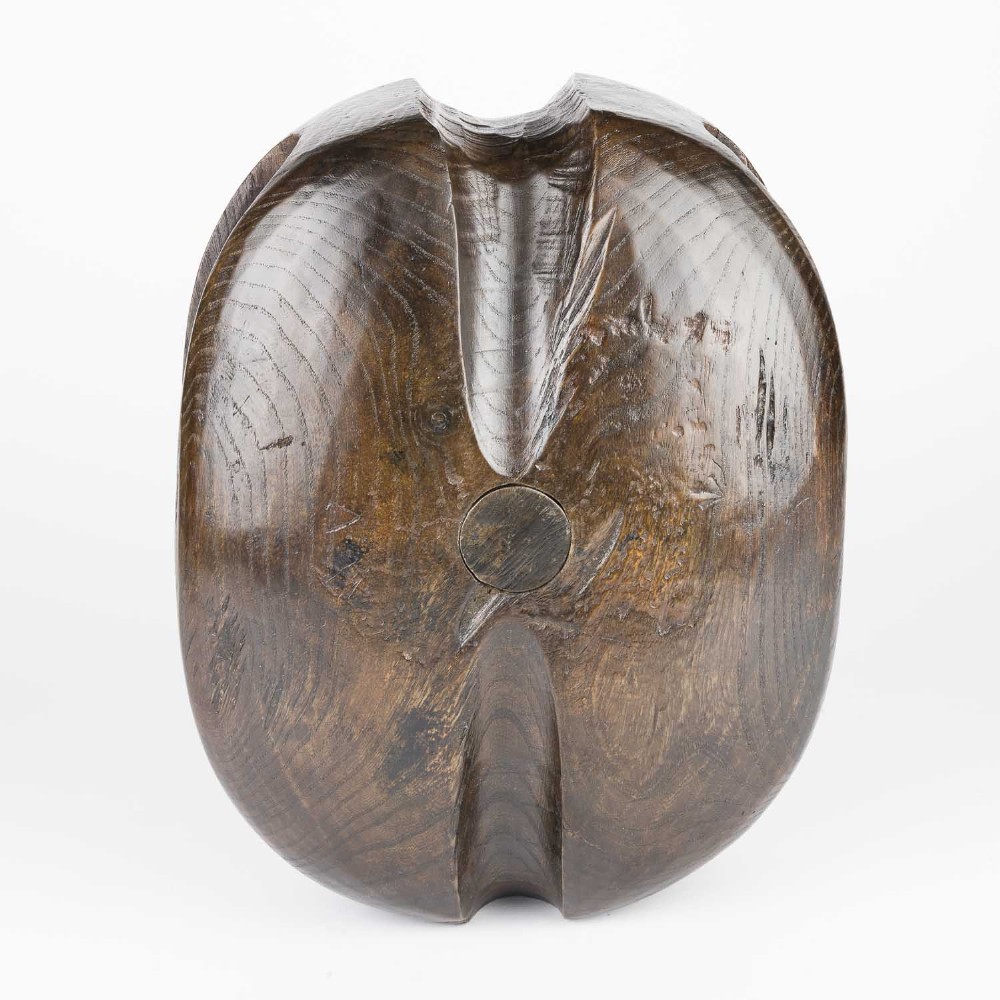
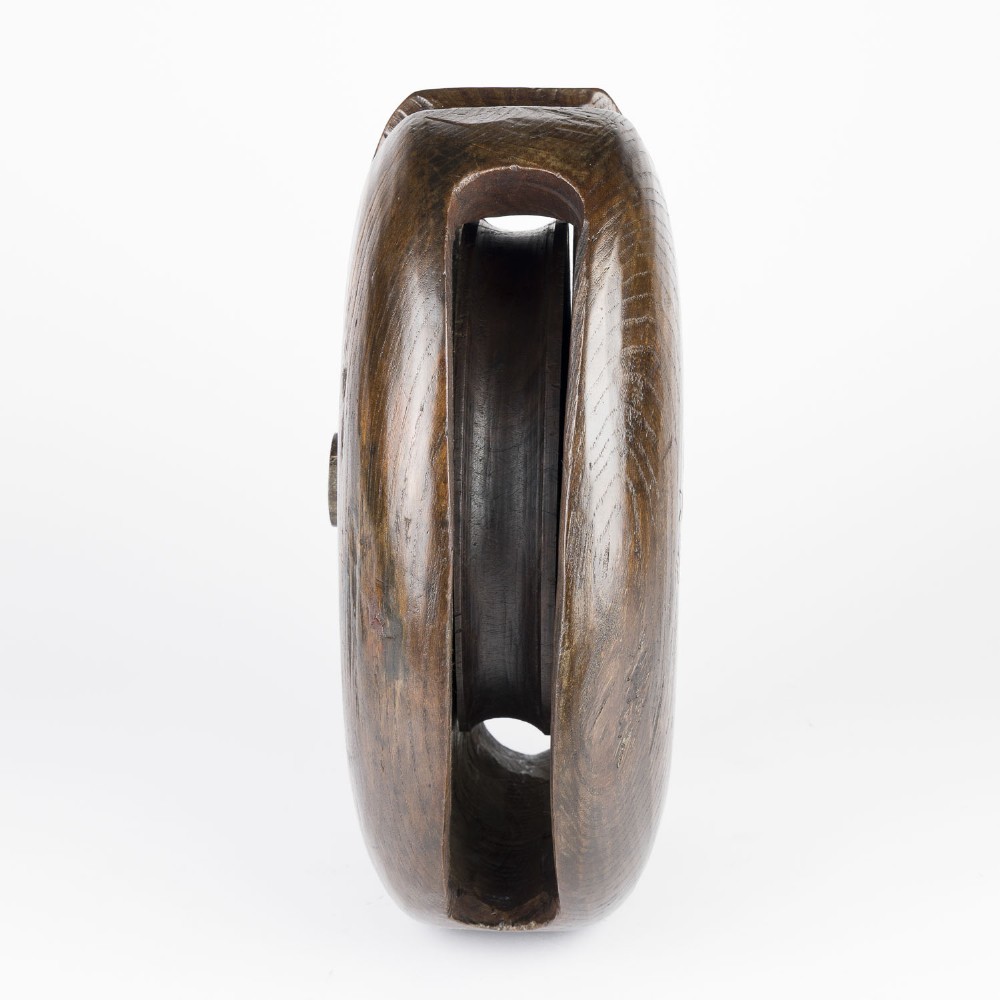
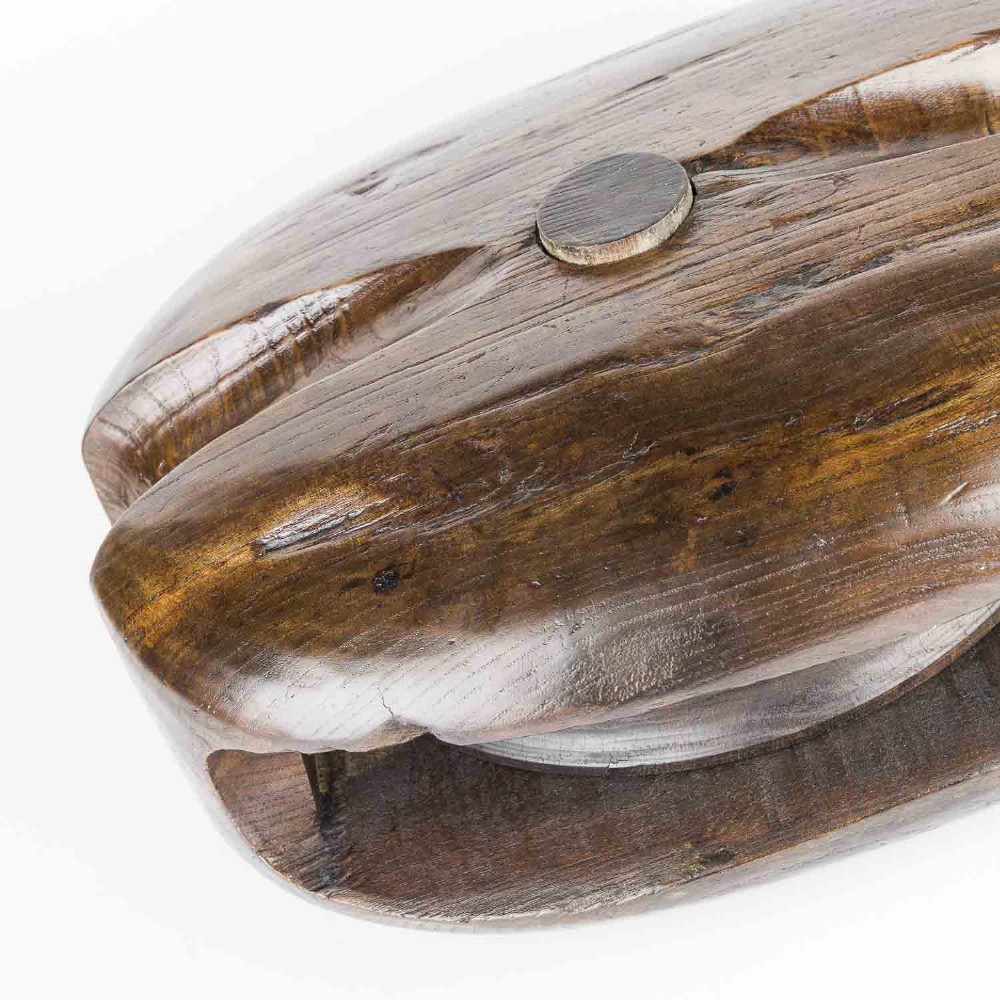
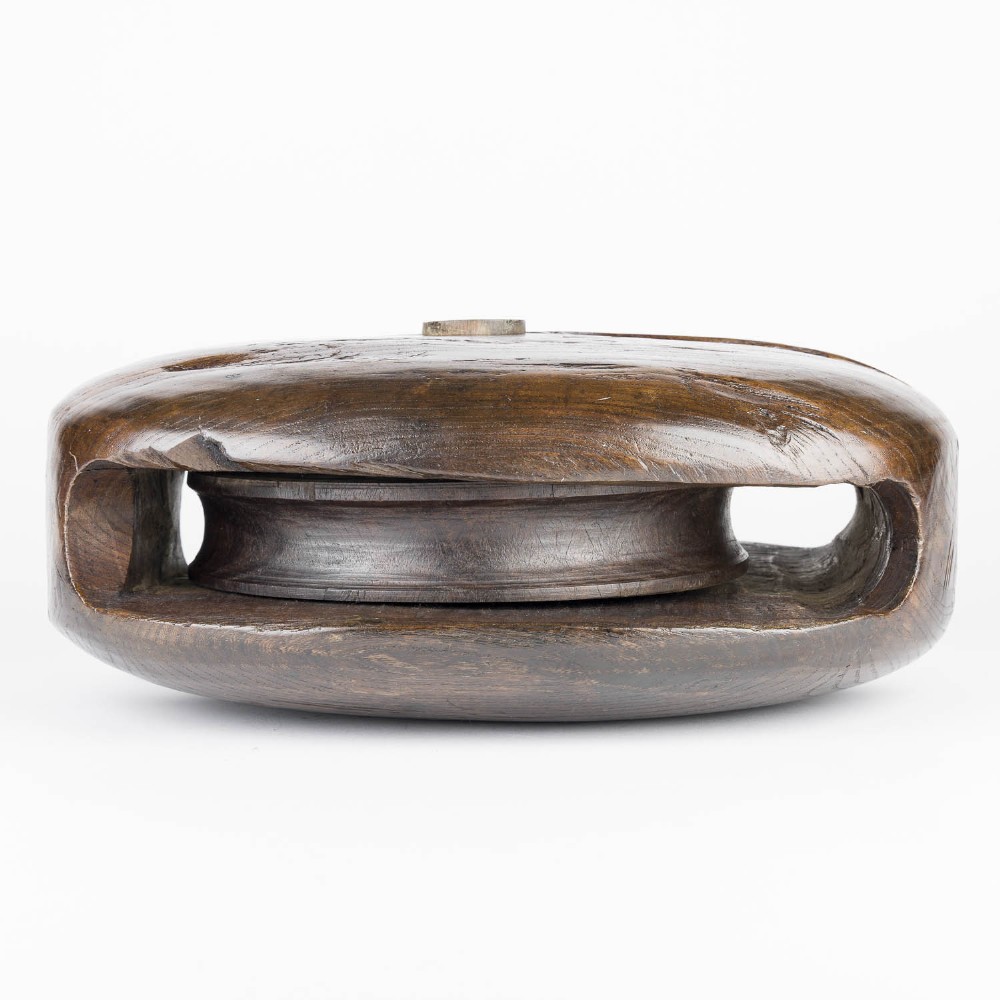
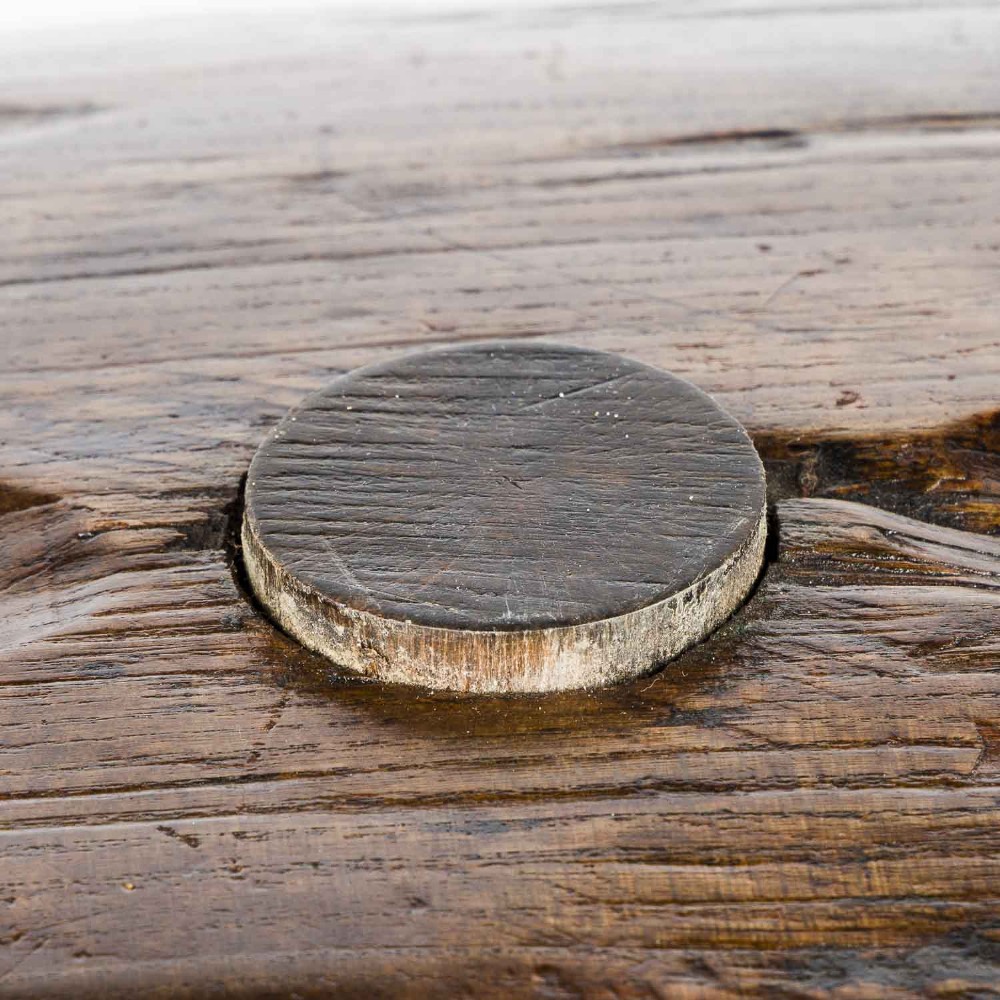
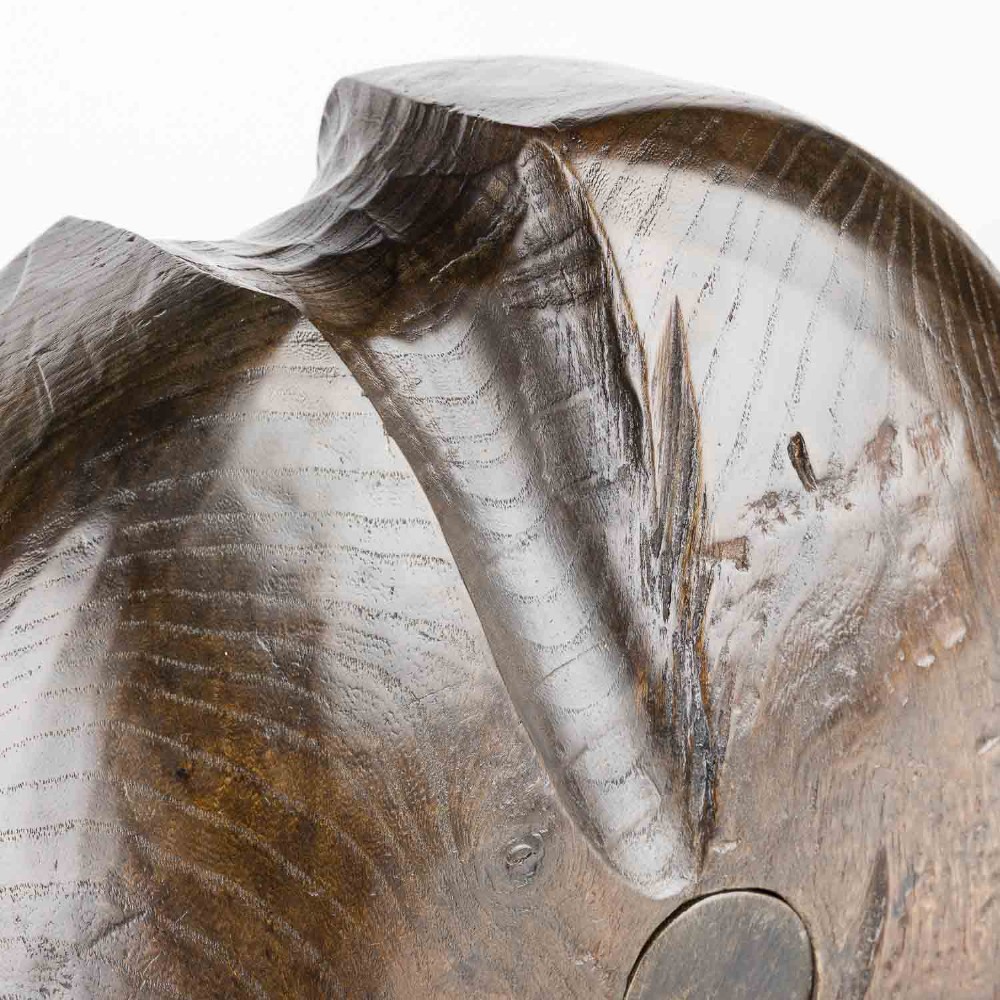
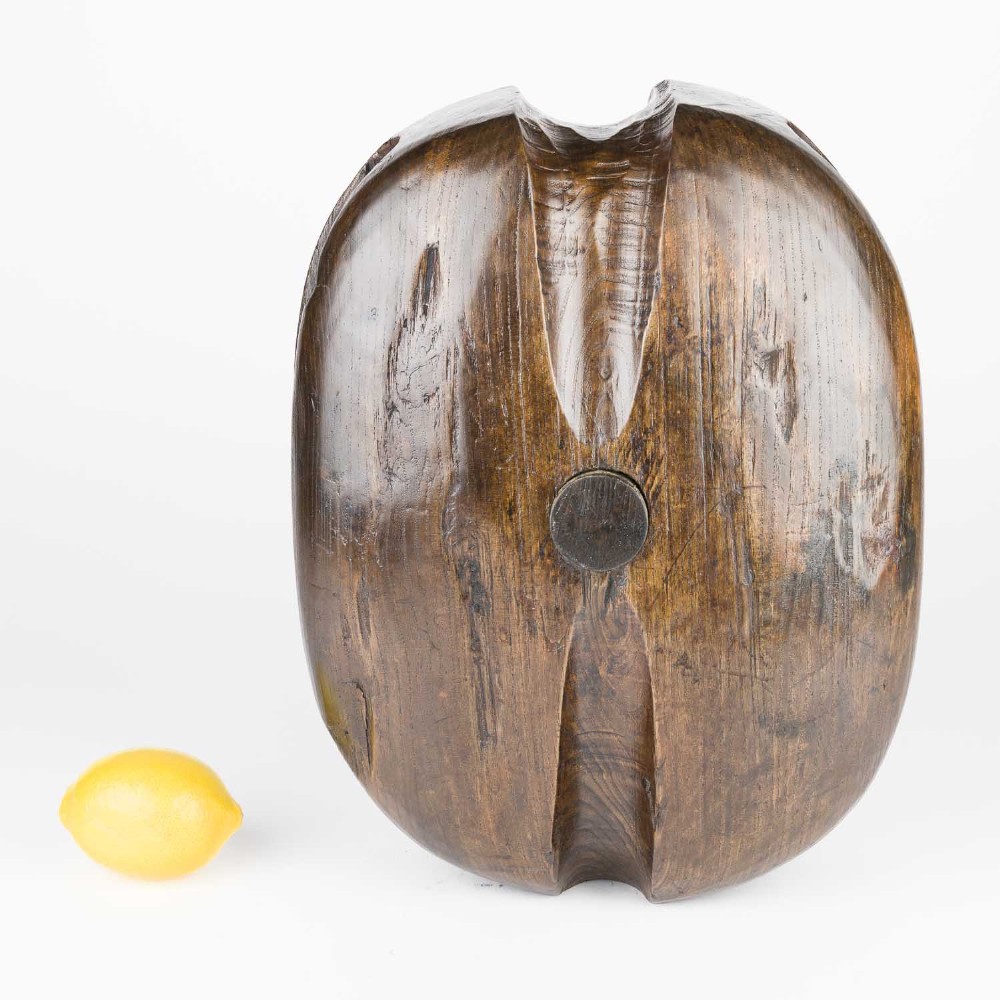
A mid 18th century Naval ship’s elm single pulley block, made in three parts – pulley, pin and shell.
Height: 38 cm.
Width: 30 cm.
Depth: 15 cm.
For a similar single pulley blocks see the collection of: Chatham Historic Dockyard.
In sailing, a block is a single or multiple pulley. One or a number of sheaves are enclosed in an assembly between cheeks or chocks. In use, a block is fixed to the end of a line, to a spar, or to a surface. A line (rope) is reeved through the sheaves, and maybe through one or more matching blocks at some far end, to make up a tackle. A large sail-powered warship in the 18th and 19th century required more than 1,400 blocks of various kinds.
Antique ID Number (AIDN): SA1183961
Dateline of this antique is 18th Century
Height is 38cm (15.0inches)Width is 0cm (0.0inches)Depth is 0cm (0.0inches)
Antique ID: SA1183961 Item: Ship’s Elm Single Pulley Block - (reference SA1183961) Buying direct from seller: Hatchwell Antiques
£350
£50
£400
PURCHASE WITH LOGIN
PURCHASE AS A GUEST
Your credit card is processed securely by Stripe Inc.
Antique SA1183961 shown on this page was made in the 18th Century. For historical context, the timeline below highlights the period when it was created:
Thank you.
Your comment has been sent to Sellingantiques.