




Antique Maritime Object
An antique maritime object brings the history of the sea indoors, offering sailors' handiwork and navigational tools from past centuries.
Antique Maritime Object
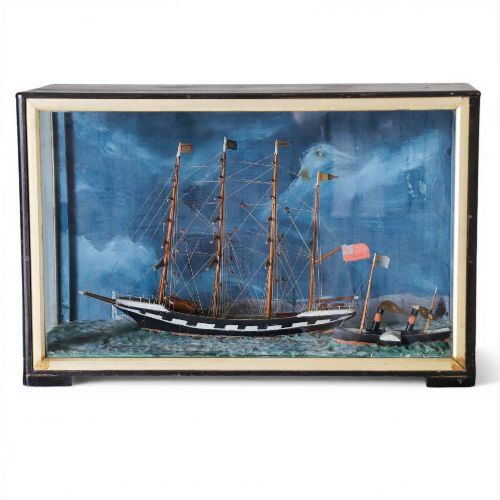
Every antique maritime object connects directly to the sea, spanning practical gear from working vessels and decorative folk art made by sailors on long voyages. You will frequently encounter pond yachts with carved timber hulls, intricate dioramas enclosed in shadow boxes, and scientific instruments housed in brass.
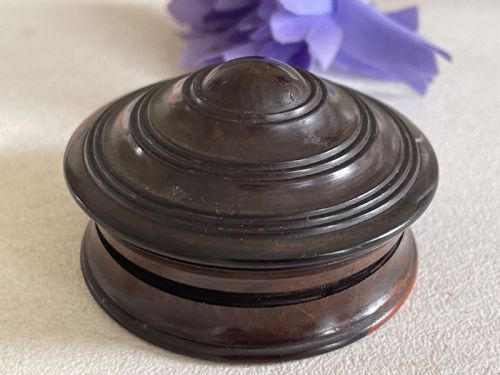
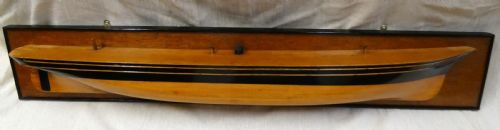
The pieces on this page range from Georgian navigational tools and 18th century wooden pulley blocks to Edwardian model barques and early 20th century folk art. Materials include wood, paint, glass, brass, canvas, lead, and shellwork, reflecting the varied tasks and creative pastimes of maritime life.
Forms vary from utilitarian ship fittings like single pulley blocks and sailors' fids to decorative models and shell grottos. Each piece carries the distinct character of its period, whether it is the robust simplicity of 18th century primitive work or the refined detail of Victorian maritime folk art.
How they were made
Makers shaped these objects using traditional woodworking techniques, fashioning hulls, blocks, and decorative items from timber such as oak and elm. Sailors and specialist craftsmen employed simple hand tools to carve wood, bone, and coconut shell into functional gear and expressive folk art.
Metal components relied on brass and lead, seen in scientific instruments, compasses, and weighted keels for pond yachts. Glass protected fragile displays like dioramas and shell grottos, while canvas and paint finished the rigging and hulls of model sailing ships.
A whimsical wooden sailor whirligig designed to spin its arms in the wind.
What varies in quality
Quality rests in the precision of the hand construction and the integrity of the materials, separating rough utility items from finely detailed scratch-built models. The sophistication of the carving and the preservation of original paint or surface finishes distinguish superior examples.
Provenance and period detail elevate certain pieces, such as documented scientific instruments or intricate folk art dioramas, above standard utilitarian fittings. The harmony between the original purpose of the object and the skill of its execution defines the upper tier of the range.
The Antique Maritime Object Glossary
- Diorama
- A three-dimensional scene enclosed in a box, often depicting sailing ships upon painted seas. These displays captured naval engagements and coastal views.
- Fid
- A tapered tool carved from wood or bone, used by sailors to splice ropes and rig sails. They represent essential working items found aboard vessels.
- Pond yacht
- A model sailing boat constructed for leisure navigation on inland waters. They feature carved hulls and detailed deck fittings from the nineteenth and twentieth centuries.
- Shell grotto
- An arrangement of small shells glued into decorative patterns within a frame or container. Folk artists created these ornamental pieces during the Victorian and Edwardian periods.
Antique Maritime Object: Frequently Asked Questions
How do I identify an 18th century piece?
Eighteenth century maritime items typically show primitive construction methods, heavy utilitarian woods like oak and elm, and simple iron or brass fittings. Their forms derive strictly from working shipboard tasks rather than leisure.
Examine the tooling marks and surface wear to understand how early makers shaped the wood. Simplicity of design often points to this earlier era.
What is a scratch-built model?
A scratch-built model is constructed entirely by hand from raw materials without the aid of a commercial kit. Makers built these from scratch using timber, metal, and fabric to replicate specific vessels.
These pieces reflect the personal skill of the builder, whether a sailor at sea or a dedicated craftsman on land.
How were scientific instruments used?
Navigational tools such as compasses and sundials assisted sailors in plotting position and telling time at sea. They combined brass housings with glass dials to withstand damp maritime environments.
Accurate readings were vital for safe passage across open water during the Georgian and Victorian eras.
Where should I display a shadow box?
Shadow boxes require wall placement away from direct sunlight and excessive moisture to protect the delicate interior dioramas. Their deep frames allow them to hang securely while keeping painted scenes and miniature rigging safe behind glass.
Pair them with adequate ambient lighting to highlight the layered depth of the model ships inside.